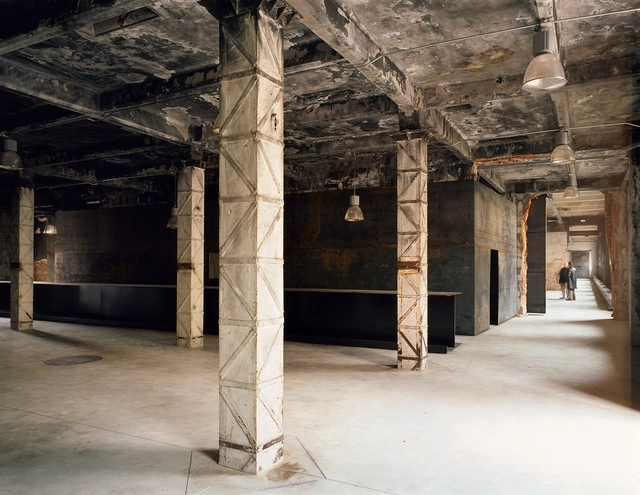

On this occasion, architect Rodrigo Rieiro Díaz, from the ARKRIT Collective, presents an article that explores how certain contemporary architects have refused to hide building scars resulting from material processes in rehabilitation projects, in a bid to emphasize the pre-existing structure as an aesthetic asset.
While it is true that not painting—or covering with joint covers—the marks of material processes during building adaptive reuse projects represents a financial saving, there seems to be a desire among certain contemporary architects that goes far beyond simply cutting a line item from the budget.
Indeed, there is a contemporary tradition—the reuse of industrial buildings as art spaces—where this practice is common. This model of an exhibition space, halfway between a gallery and an artist's studio and geared toward a young, urban audience, already has a history of at least forty years. Yet there is a certain consecration of the method in its adoption by the city councils of major European cities for their cultural institutions, and in the highly favorable reception of these interventions in academic and professional circles.










.jpg?1523848316&format=webp&width=640&height=580)






.jpg?1533142623 "09 (2). Image Cortesía de Archivos T3 ALBORDE")