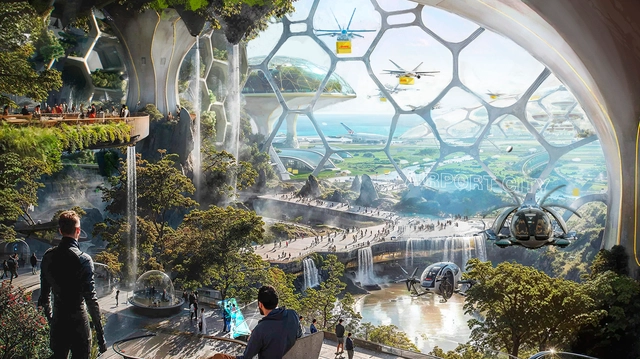
The airport terminal is the ultimate ‘architectural promenade’, a typology of high modernism and a megastructure with complex programmatic configurations. Today, the high-tech aesthetic is being replaced with a more holistic approach, where smart tech and new materialities are used to support the transformation. Besides geopolitical uncertainties, concerns for the climate are key drivers for the reinvention of the airport terminal.
The Virtues and Vices of Our Time sculptures by Matyáš Chochola, currently exhibited at the EPO1 Contemporary Art Center in Trutnov, are a postmodern interpretation of the original early 18th-century allegorical cycle Virtues and Vices by Matthias Bernard Braun (1684–1738), created for the nearby Baroque complex at Kuks.
The Rice School of Architecture invites you to attend its spring 2025 public programs, a dynamic series of lectures, exhibitions, and symposia that reflect our commitment to advancing architectural discourse and engaging with the pressing questions of our time. From thought-provoking talks by renowned practitioners to groundbreaking exhibitions and interdisciplinary collaborations, this semester’s lineup promises to inspire and challenge. Join us to build community through architecture.
India's leading product designer and an established name in the international art and design realm, Gunjan Gupta will be unveiling Craft-itecture — a series of handmade objects and artworks that breathe new life into traditional Indian crafts from across India at the sixteenth edition of India Art Fair, to be held in New Delhi.
workshops, keynotes, conversations, and activities around the City center
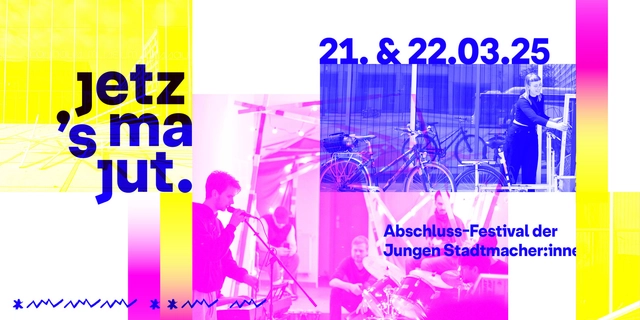
Where is the city center here? At a time when it is becoming increasingly difficult to find a place to live in large cities smaller towns are confronted with the opposite problem: Emptiness. According to the "donut effect", this phenomenon begins in the core of city centers. In Dessau-Roßlau in particular, the reality of ageing and out-migration is rapidly coming to a head. Throughout Europe, however, innovative young projects are already looking for alternatives to meet this challenge. This is also the case in Dessau with the Young City Makers research project. Students from the Anhalt University of Applied Sciences' Departments of Design and Architecture have been conducting action research for two years to find out how vacant properties in Dessau-Rosslau's city center can be sustainably revitalized. Using different approaches, three vacant spaces were transformed into: an urban living room, a street gallery and a bizarre space. In doing so, they show how liveliness and community can be fueled by involving urban society and through design. can be fueled by design. The final festival presents and reflects on the findings of the Young City Makers together with representatives from the city, administration, politics and universities. Two days with lectures, discussion panels, workshops, city rally, party & concert.
From 22 to 25 January, students from the School of Architecture at the Royal College of Art (RCA) will present a selection of works in progresses at the College's Kensington campus for this year's MA Architecture Work-in-Progress Show.
RE_SOLUTION: Ahmed Aboutaleb, Rotterdam Mayor 2009-2024 at IE School of Architecture and Design
Lecture by Ahmed Aboutaleb, Rotterdam Mayor from 2009 to 2024. Followed by a conversation with Cornelia Forsthuber-Aumayr, Young Leaders & Networking Partners, Urban Future and Editor in Chief, Citychangers.org.
Explore Nanna Ditzel's groundbreaking designs centered on freedom and movement. The exhibition presents some of Ditzel's most iconic designs. Designs that challenge our ideas of traditional furniture and let us discover new ways of experiencing the body and spending time together. Nanna Ditzel (1923-2005) was a pioneer of Danish design, known for her innovative approach by which she created furniture to liberate the body. Visit the exhibition and experience some of her most famous pieces, from the Hanging Egg Chair to the multifunctional Toadstool and other furniture landscapes.
The new Portobello Shop in Itabira brings the brand's portfolio of solutions to the city. Photo: Courtesy of Portobello.
Portobello Shop, a national leader in ceramic tiles, arrives in Itabira to meet the growing demand for high-end products in the region. Located at 496 Mauro Ribeiro Lage Ave., Esplanada da Estação – Store 04, the 230-square-meter showroom is coordinated by franchisees Maria de Lourdes and José Antônio Lopes, under the management of Fernanda Lage.
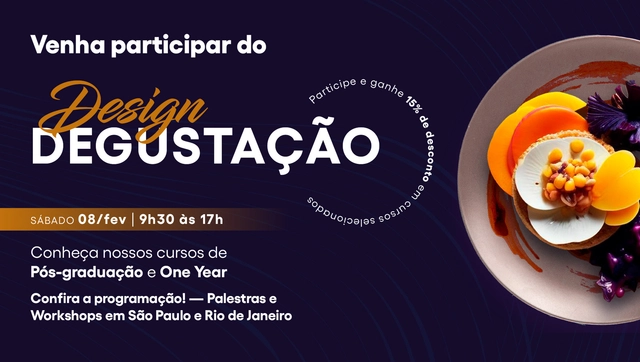
On February 8, from 8:30 AM to 7:00 PM, Design Degustação 2025 will take place at our SP and RJ campuses, offering a preview of our undergraduate, postgraduate, and One Year programs.
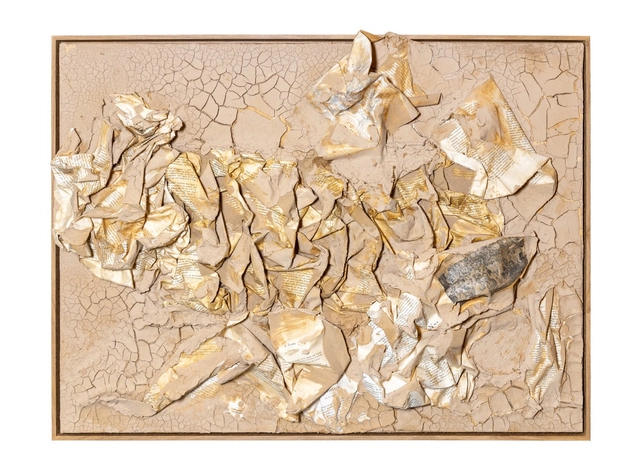
The Centro Cultural Correios Rio de Janeiro presents the exhibition Terra, the first solo show by São Paulo-based visual artist Zilah Garcia, from January 22 to March 8, 2025. Curated by the Rio de Janeiro-based art historian, critic, professor, and researcher Daniele Machado, the exhibition brings together approximately 20 pieces from two series that intertwine affective memory, sustainability, and technical innovation in artistic practice, all inspired by the classic Os sertões by Euclides da Cunha.
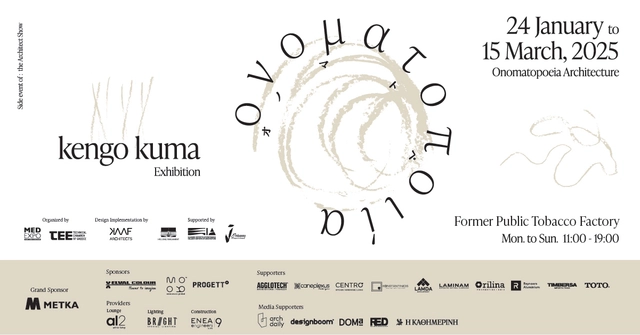
Following its successful presentation in Venice & Bonn, Onomatopoeia Architecture arrives in Athens-Greece for the first time, offering a unique exploration of the work of internationally acclaimed architect Kengo Kuma. This exhibition highlights Kuma's innovative use of materials and his ability to create a multisensory architectural experience inspired by the concept of onomatopoeia—the connection between sound and material expression.
"Join the study of affective theory and contemporary ecology from both academic and personal perspectives." In this Affective Ecologies program, you will learn how to observe and experience the affective realities that drive us in relation to design and contemporary ecology.
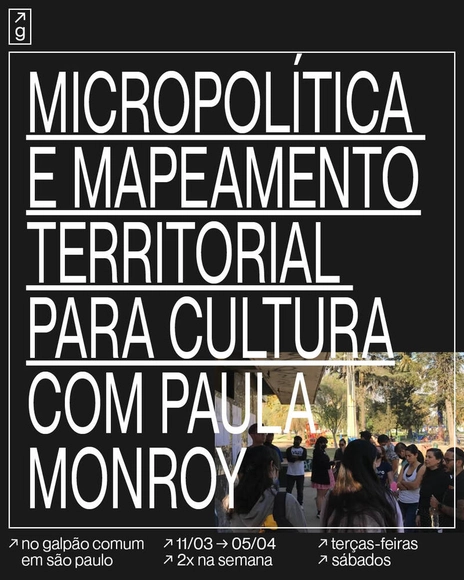
Micropolitics and Territorial Mapping for Culture is a theoretical-practical course that seeks to understand the socio-spatial aspects of a territory through field exploration, systematization, and collaborative visualization. Based on the concept of micropolitics, the course identifies characteristics such as conflicts, alliances, local resources, and cultural expressions, using Galpão Comum as a case study.