
A virtual event featuring 5 fast-paced presentations with artists, designers and architects exploring the ways in which queer spaces are shaped.
A virtual event featuring 5 fast-paced presentations with artists, designers and architects exploring the ways in which queer spaces are shaped.
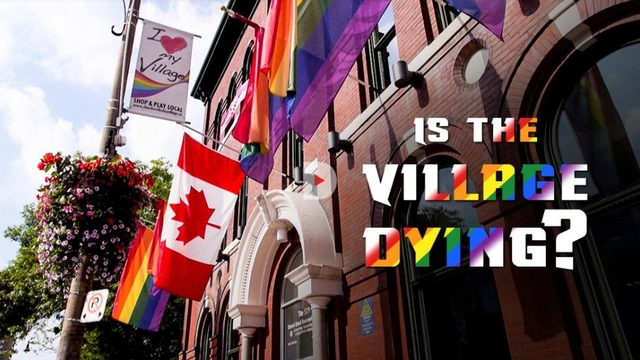
From nightclubs to villages, bookstores to community centres, the 2SLGBTQ+ community has found safety, community and belonging in numerous visible and invisible spaces. These queer spaces have been a life saving haven for many, making room for a historically marginalized community.

Venezuelan architects from different latitudes have surprisingly joined together with their allies in the world, through an educational platform that seeks to "build and not simulate reality with an eye on the peripheral globe."
The program is open to students of all levels and from anywhere on the planet, who will have the opportunity to train in local projects, exploring the peripheries as part of a fresh and challenging context where new spaces of architecture open up.
The 2021-2022 cycle will jumpstart through a Virtual Community format, which offers academic credits adaptable to different university systems: a trimester, a summer school, an internship experience, a research project, or a work of scientific accreditation for studies of postgraduate. This is followed by an experimental laboratory in Central America where students will come into contact with sensitive projects in fertile communities and territories. And finally, it will culminate in the implementation of a project built in a community of Caracas, Venezuela.
The program has the support of the Global Research Program on Inequality, different universities and institutions in Latin America and the world, and high-profile professionals experts in architecture, urban planning, anthropology, sociology, engineering, and sustainability, who will guide the processes of the network, facing complex situations immersed in the fabric of the city, and will certify the knowledge applied by Dislocal.
First Stage
Virtual Community / August - December 2021
16 weeks >> 5 blocks >> 5 topics on urban regeneration and sustainability >>
Block 1. Resilience, urban regeneration, and habitat transformation for emerging landscapes.
Block 2. Ecology, resource management, nature, and energy optimization in the tropics.
Block 3. Technological implementation, systems, and efficient endogenous structures.
Block 4. Local skills, capacity development, and self-sufficiency in popular settlements.
Block 5. Experiments in the global periphery. Scalable intelligences for the prototyping of sustainable structures in Caracas.
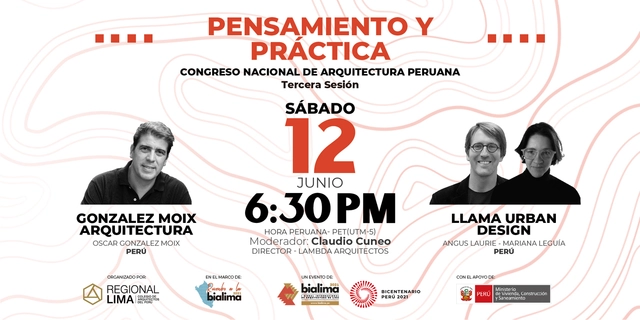
THOUGHT AND PRACTICE: The National Congress of Peruvian Architecture is held as part of the "Road to BIALIMA," the pre-biennial event for the Lima International Architecture Biennial (BIALIMA 2021), organized by the CAP Regional Lima.
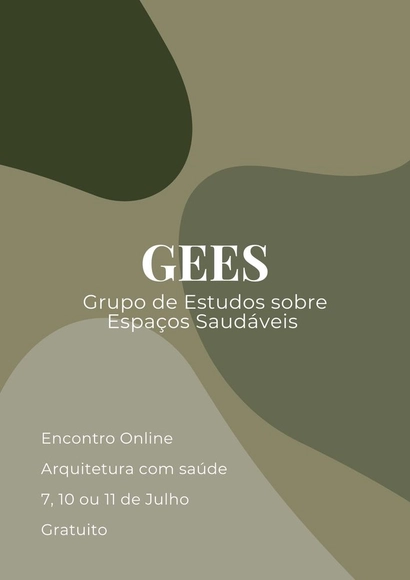
The Architecture and Health Study Group is a monthly event dedicated to discussing topics such as neuroscience applied to architecture, as well as the 9 Foundations of healthy buildings.
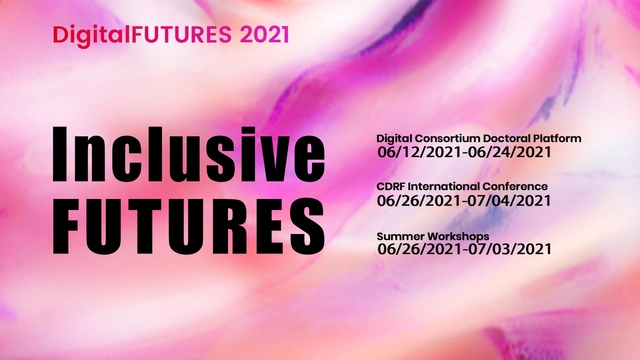
DigitalFUTURES is pleased to announce the launch of InclusiveFUTURES, the world’s largest ever festival of architecture and computational design
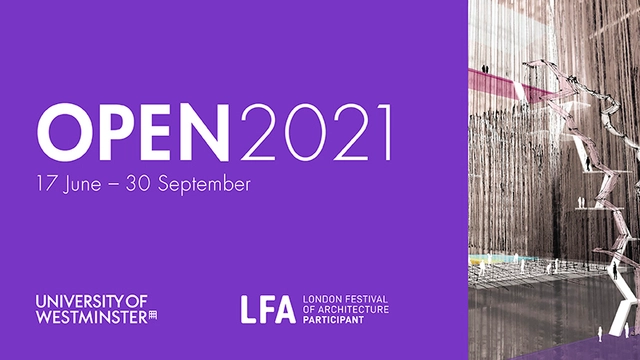
OPEN 2021 is an online exhibition of projects that reflect the varied design approaches of the University of Westminster's School of Architecture + Cities, its diverse students, and their place at the heart of London.

THOUGHT AND PRACTICE: The Peruvian National Architecture Congress takes place within the framework of the Road to BIALIMA, the pre-biennial event for the Lima International Architecture Biennial (BIALIMA 2021), organized by the CAP Regional Lima.

The Media Architecture Biennale is the world’s premier event on media architecture, urban interaction design, and urban informatics. It brings together architects, artists and designers, leading thinkers on urban design, key industry and government representatives as well as community activists. Together, we explore the design and role of media in the built environment and its implications for urban communities and ecosystems.

The world is in dire need of good design that benefits both people and the planet. High school and university students around the world have spent their semesters creating projects that use art, design, and biology to create a more sustainable and equitable future.

A FREE ONLINE SYMPOSIUM ON THE BIM-TO-GIS MOVEMENT IN THE AEC INDUSTRY

Aarhus School of Architecture is moving into Denmark’s first new-built architecture school. We celebrate the move in October by hosting an architecture festival for the entire industry and other architecture enthusiasts.
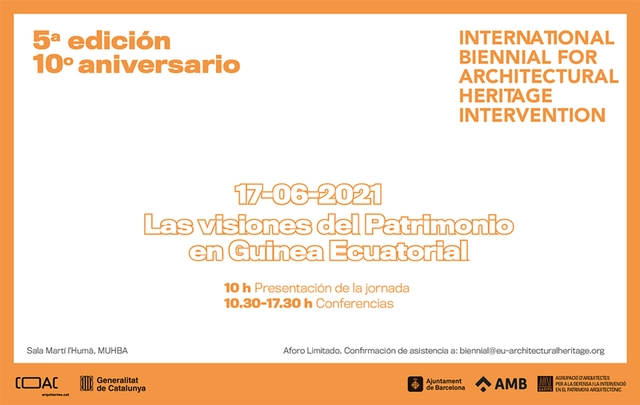
The fifth edition of the International Biennial of Architectural Heritage Intervention will take place on Thursday, June 17, 2021. Like the European Prize, this event marks its tenth anniversary. This year, Equatorial Guinea is the guest country, with the event hosted at the MUHBA in Barcelona under the theme "Different Visions of Heritage in Equatorial Guinea."

The Ibero-American Architect Observatory is an online space for reflection aimed at redefining the profile of today's architect. It seeks to connect with society to find answers that strengthen our profession.
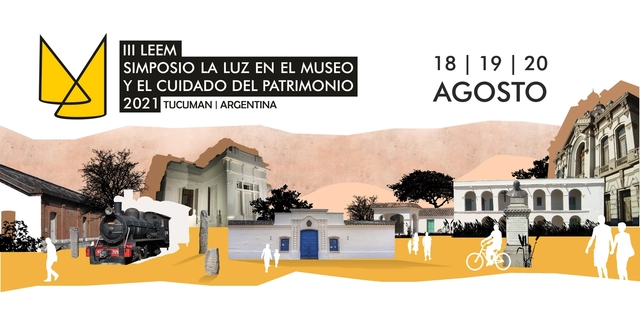
The "Light in the Museum and Heritage Care" Symposium is an event established in 2015 that takes place every three years. It seeks to engage all stakeholders who, across multiple disciplines, curate, interpret, expand, and share the narratives contained within museums and their relationship with light, fostering a commitment to the preservation of collective memory and cultural heritage.

"Martes de Ruido" is a brief, informal conversation series lasting approximately 30 minutes. Featuring up to four sessions per day, the series invites national and international guests to address a specific topic, fostering discussion and reflection.
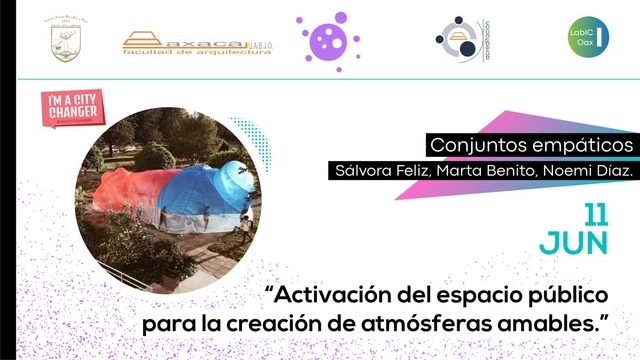
Conjuntos Empáticos is a non-profit association founded in 2012 with various objectives, including: disseminating work developed in the fields of architecture, art, and pedagogy; stimulating the development of these areas of knowledge; encouraging citizen participation in architecture across all scales, from the domestic to the infrastructural; executing installations, site-conditioning projects, renovation processes, and educational initiatives; promoting the revitalization of contested spaces; incentivizing research; sharing knowledge in architecture, art, education, and new technologies; and promoting best practices in these fields.

Course - Portuguese Houses, Certainly.
From the vernacular to the contemporary.