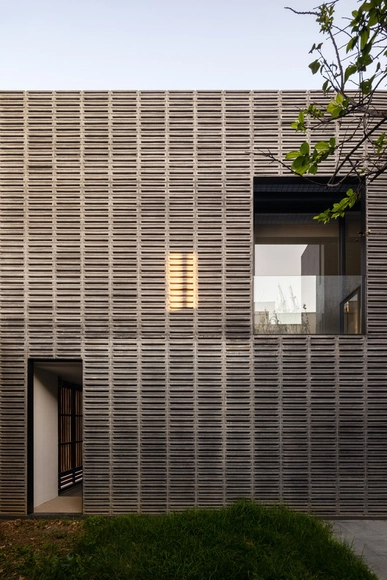
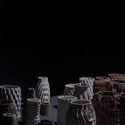
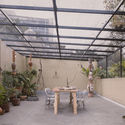
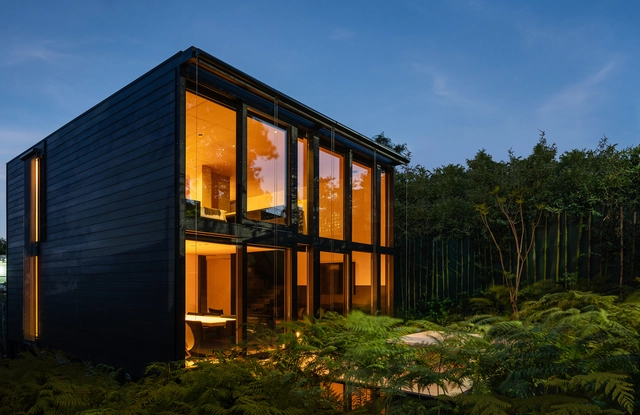
As an architectural element, screens have a long history. Used since antiquity in Egypt and Greece, as well as in traditional Hispano-Islamic art, they have enriched countless spaces with their repetitive patterns and intricate designs. To this day, they maintain their value through aesthetic qualities and excellent functional characteristics, playing a prominent role in the facades and partition walls of many contemporary architectural projects—especially in residential ones.
For 37 years, since 1985, the Faculty of Architecture at the National Autonomous University of Mexico (UNAM) has organized and hosted the Alberto J. Pani Architectural Composition Award, aiming to bring together the top students from member institutions of the Association of Architecture Education Institutions of the Mexican Republic (ASINEA). The event is organized in collaboration with an ASINEA member institution, which this year is the Faculty of Architecture at the Universidad DeLaSalle Bajío in León, Guanajuato.
https://www.archdaily.com/1131936/finalists-of-the-38th-alberto-j-pani-architectural-composition-award-2022-of-the-faculty-of-architecture-unamArchDaily Team
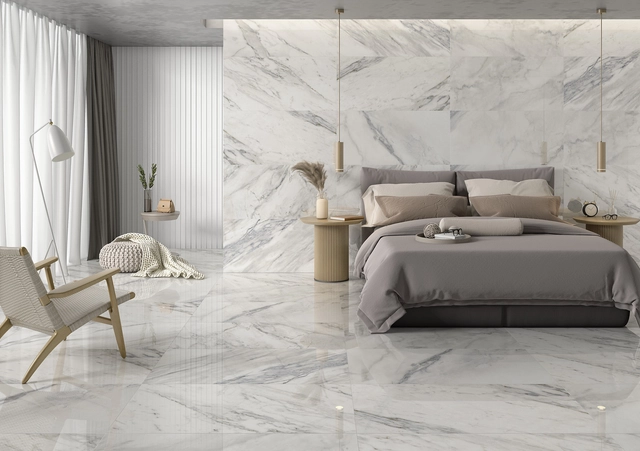
Interior architecture is undoubtedly much more than the composition of aesthetically appealing environments. From building materials and thermal conditions to finishes and furniture, every design decision directly affects user comfort. However, this relationship between design and well-being is most evident at the residential scale, particularly as more than two years of the pandemic forced many to spend more time at home. This has positioned the home at the center of spatial renovation, transforming it into an environment dedicated to tranquility and health. Consequently, well-being is not a mere passing trend. While brought to the forefront by the pandemic, today it is a design movement that is here to stay—one to which every material and product must respond.
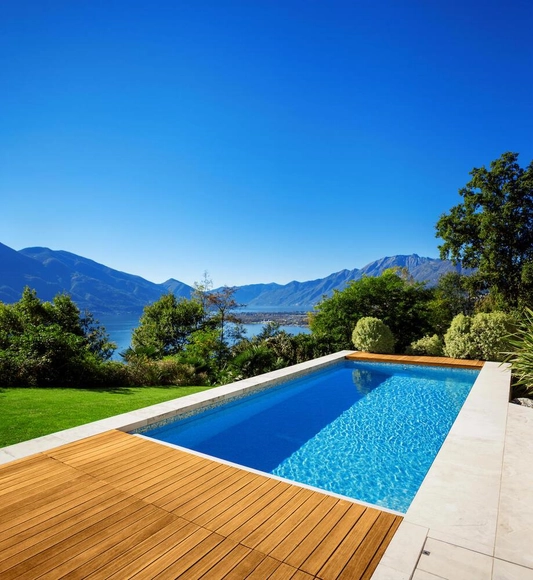
Beyond its shape, size, and location, the process of building a swimming pool involves selecting various technologies, solutions, and materials to achieve proper waterproofing. While we often focus on the exterior aesthetics of a pool, are we aware of what lies beneath its finishes? Much like an "iceberg effect," pool design and construction companies such as CREST have developed a range of essential products that lie below ground level, applied through four specific steps: surface preparation, finish installation, grouting, and maintenance.
The digital age has always provided tools to design future products and designs. However, alongside technological advancements, new applications have emerged that are carving out a distinct niche in the design world, bringing the process increasingly closer to the end user.
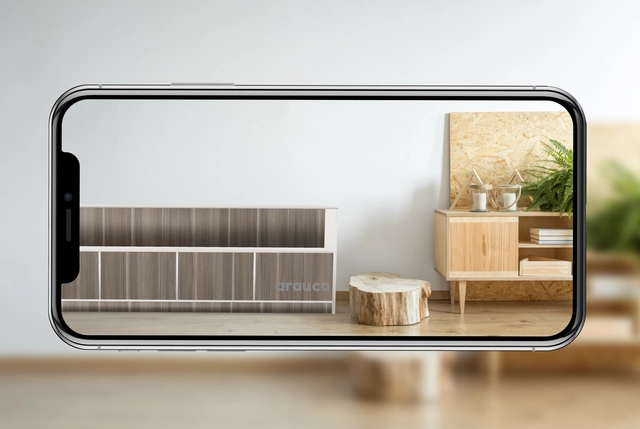
By quickly scanning a QR code with a smartphone or tablet, users can immerse themselves in a virtual reality experience. In doing so, Arauco’s new application allows users to explore the various collections available to transform their homes.
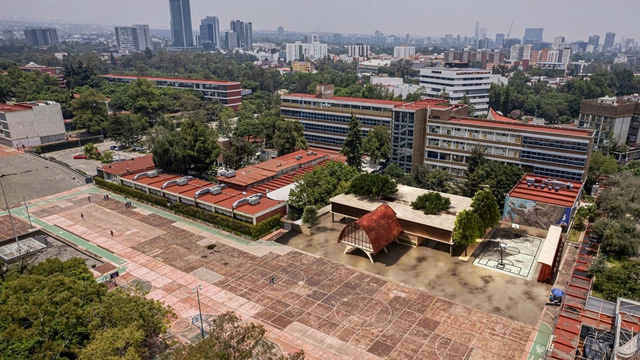
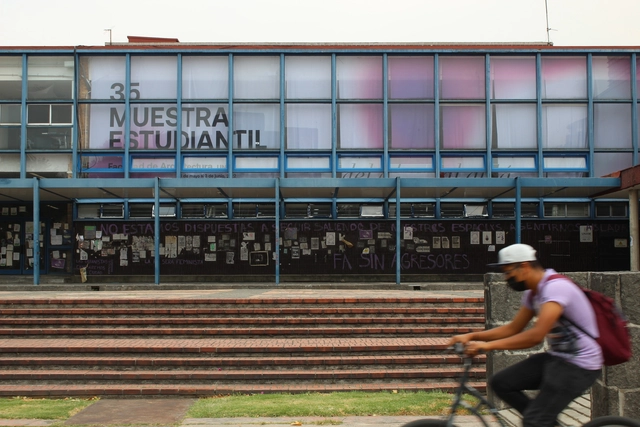
If we had to return to the beginning, which beginning would it be? The last two years have left a deep mark on all of us, like an incision on our skin. Yet at the same time, each of these marks is so unique and diverse that it would be impossible to say we have all gone through the same experience. At the UNAM Faculty of Architecture, these two years were defined by two key moments in our history: the COVID-19 pandemic itself, which introduced us to new ways of learning and teaching; and a student strike against gender-based violence—organized by female student collectives—which became the longest student strike on record at the school.
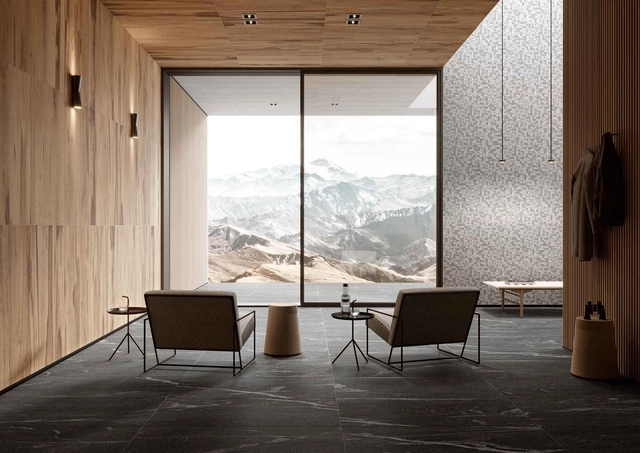
As the climate crisis intensifies and the lingering effects of the pandemic remain evident in daily life, topics like sustainability and health are more relevant than ever. This explains the rise of biophilic design, a trend characterized by connecting architecture—and, by extension, the user—with the inherent benefits of nature: comfort, calm, and well-being.
Consequently, demand has shifted toward objects and materials capable of bringing nature indoors, whether through decorative elements, vegetation, or wall and floor tiles. However, to ensure functionality within an interior space, these products must ideally combine a natural aesthetic with practical qualities such as durability and low maintenance.
On Friday, October 14, the jury announced its decision for the Long Stage of the 38th Alberto J. Pani Architectural Composition Award, organized by the Faculty of Architecture of the National Autonomous University of Mexico, in collaboration with an institution of the Association of Architecture Teaching Institutions of the Mexican Republic (ASINEA)—which this year was the Faculty of Architecture of the Universidad De La Salle Bajío in León, Guanajuato.
Servidor Local is a connection point, a forum where dialogue takes place; it is, in essence, a sanctuary for ideas, diversity, and exchange. As a platform, it drives cultural, art, and design projects that champion narratives with a social impact, aiming to benefit the immediate environment and spread along the paths of its visitors.
Offering productivity levels 50% higher than previous models, HP introduces its new range of large-format printing solutions, HP Latex. The series consists of four devices—the HP Latex 700 and 800, and the HP Latex 700W and 800W—bringing white ink printing capabilities to this category for the first time. Print jobs run on this new series will not only deliver brighter colors and finer details, but will also do so at even faster print speeds, reaching up to 36 m2 per hour.
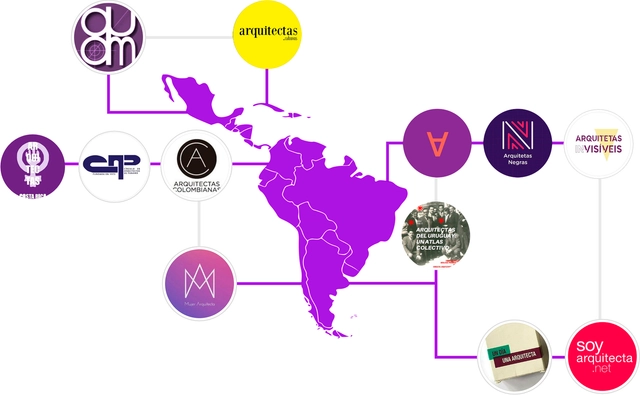
“Together we are stronger,” read the signs at the massive Latin American marches on International Women's Day. Women build networks across all their spheres of action: their families, communities, and workplaces. The world of architecture is no exception. Among women architects, these bonds foster connection, as seen in the nearly 30 networks of women architects in the region featured below.
Architects Smiljan Radic and Nicolás Schmidt designed an inflatable structure for the XXII Chilean Biennial of Architecture and Urbanism. Located in the urban setting of the Palacio de La Moneda in Santiago, it served as a temporary venue for meetings, debates, and lectures that brought public discussions to the forefront regarding the event's central theme: "Vulnerable Habitats."
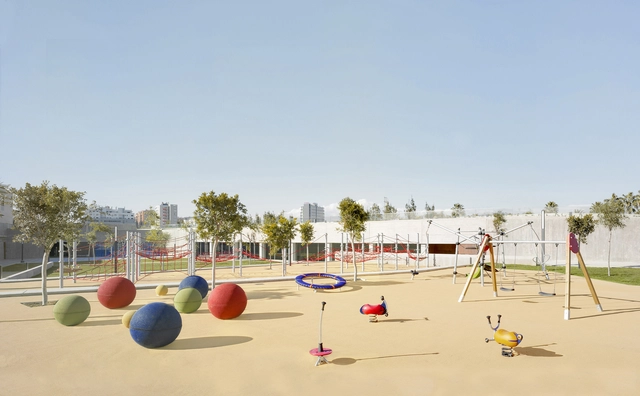
Play represents a key opportunity for children to acquire skills and knowledge in a natural and engaging way. Among the key innovations in early childhood and primary education, play stands out as a central axis of the learning process, serving as a fundamental pedagogical principle to achieve educational goals. Combining play with outdoor learning fosters exploration, experimentation, sensory stimulation, and motor development during childhood.
Featuring diverse materials, designs, and dynamics, the playground equipment represented by Urbanplay fosters open, spontaneous interactions, providing children with spaces to take risks, explore, and connect with nature.
Buildings consume natural resources. Whether in their construction or during their operation, architecture can have a significant impact on the environment. Promoting sustainable practices to minimize energy, water, and material consumption is essential to reduce carbon emissions and help mitigate the climate crisis. With the ongoing debate surrounding sustainability, environmental consciousness has not only become vital, but it has also started to add value to properties built with this focus. Therefore, moving beyond mere greenwashing, we must look for solutions that make a real difference.
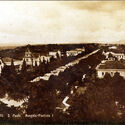
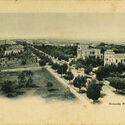
Avenida Paulista. Circa 1920. Photo: Guilherme Gaensly (Acervo Instituto Moreira Salles)
A major urban axis where thousands of people, subways, buses, cars, and bicycles pass daily. High-rise buildings, cultural centers, banks, and shopping malls. As the symbol of São Paulo, Avenida Paulista once looked very different. As difficult as it may be to imagine today, it was once lined with grand mansions of the most diverse architectural styles, and its destiny was altered in a matter of days by heritage preservation disputes and... a pizza.
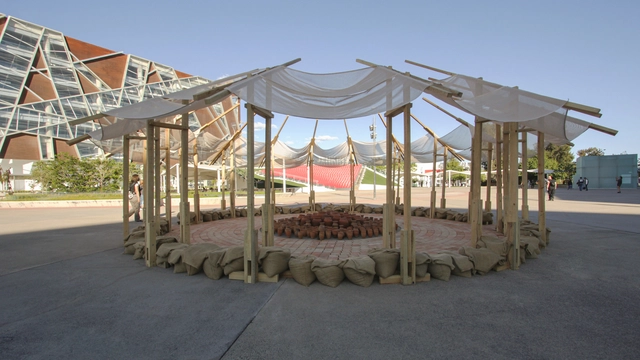
The TEMA Pavilion Competition was established to give young architects and students from the University of Guadalajara community the opportunity to design ephemeral projects that express ideas beyond the typical demands of an architecture or design school.
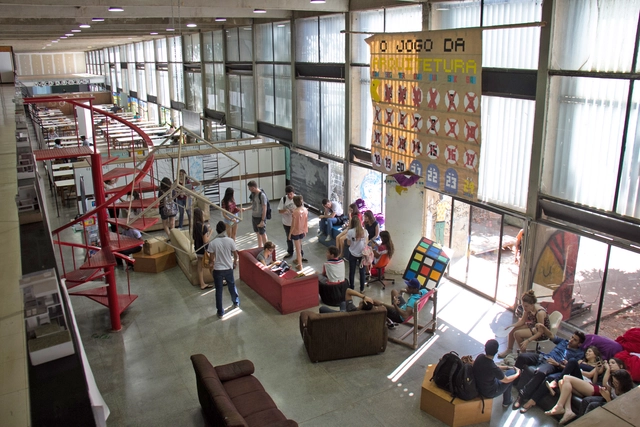
UnB Faculty of Architecture and Urbanism. Photo by Murilo Abreu, via Flickr. Licensed under CC-BY-2.0
The purpose of this article is to expand on the relevant debate proposed in Marília Matoso's piece, titled We Need to Rethink Architecture Programs, published on ArchDaily in January 2023. Indeed, rethinking architecture education is a task that is not only necessary but also urgent. However, I believe this discussion is inseparable from debates about the profession itself and how we educate future professionals. Rather than simply attempting to formulate definitive answers, I think it is important to raise further questions that contribute to our collective reflection.
To us, architectural practice is an organic process of construction. Within this framework, we emphasize three dimensions of practice: research, design, and execution. Rather than being strictly sequential, these three aspects are parallel and intersecting. Refined through both built works and speculative projects, our daily collaboration has become increasingly grounded and stable. Consequently, our practice has crystallized around three main pillars: historical context, community placemaking, and a smart future. In recent years, guided by a diverse, multifaceted, and open-minded architectural perspective, we have strived to create vivid scenarios and spaces tailored to the unique narrative of each project, seeking enduring poetry and value. Our ultimate goal is to create dignified human habitats for society through precise and poetic architectural design.
Since 2021, to provide more specialized services for local projects in Hangzhou and the Yangtze River Delta region, ALYA established its Hangzhou studio and formed an urban design team. Over the years, the firm has received widespread international media attention, numerous awards, and exhibition invitations, including the ARCASIA Gold Medal, the UK's Dezeen Awards (Hotel Building of the Year), the UK's BUILD Award for Architecture and Sustainable Design, the DFA Design for Asia Awards, the Venice Architecture Biennale, Wallpaper* Design Awards, WA China Architecture Awards, and the IDEAT Future Award. In 2021, Yuyang Liu, founder of ALYA, was appointed by the Hangzhou Canal Group as the Chief Planning and Design Advisor for the Cultural and Tourism Integration of the Hangzhou Grand Canal. Following three challenging years of the global pandemic, ALYA will celebrate a series of project completions in 2023, while systematically launching high-quality, meticulous, sustainable, and highly creative projects aligned with future trends.
For those who are passionate about the healthy development of premier Chinese architectural practices, value a pioneering spirit and precision, enjoy exploring the unknown, and seek to grow with us into a world-class professional design team based in the Yangtze River Delta, we warmly invite you to join ALYA.