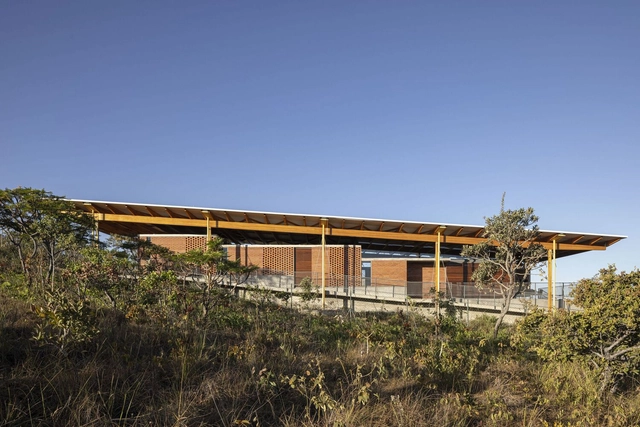
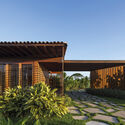
Every year, our curatorial team presents a retrospective of house projects that stood out over the period. This collection, a small selection of the more than two thousand projects published on ArchDaily Brasil this year alone, comprises a series of residences with specific design solutions that address, each in their own way, factors such as materials, construction techniques, structural systems, building processes, and programs.
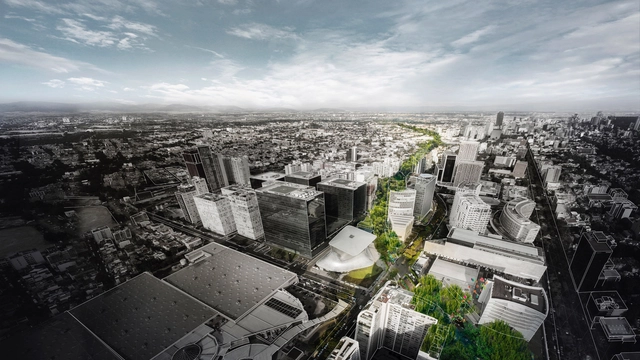
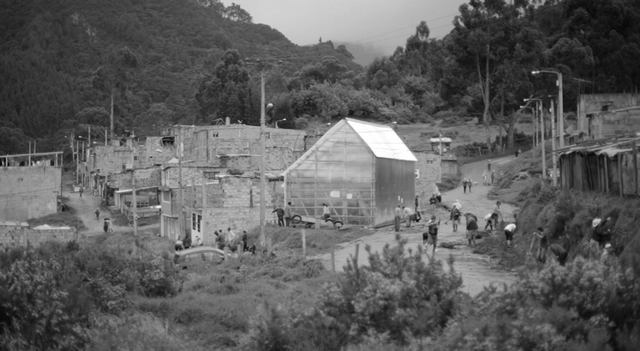
It might seem that the concept of “urban gardens” emerged alongside the gentrification of Mexico City—a model of food autonomy that not only provides us with fresh, organic, ready-to-eat produce, but also beautifies the urban landscape and reconnects us with nature. However, nothing could be more mistaken than viewing urban agriculture as a mere trend.
This article by Ana López Ortego (Colectivo Arquitectura Expandida) is a collaboration with Colectivo RE and was originally published on August 2, 2020, in the second edition of Huevo de pato, a publication that aims to share thoughts and experiences as a strategy toward democratizing knowledge and action.
Citymakers is working with ArchDaily to publish a series of articles, conversations, and interviews with the different actors involved in co-producing the city behind the Citymakers Barcelona Lab 2021—a program whose next edition will run from November 8 to 12. For this installment, Víctor Torres, director and co-founder of CityMakers, presents his article "Re-naturalizing the City."
Placas de Yeso Cartón Gyplac. Image Cortesía de Etex Chile
Inadequate living conditions in a building trigger discomfort and even physical pathologies in humans. Scientific experiments have shown that a lack of concentration and even everyday accidents are influenced by both high and low indoor temperatures. And while thermal sensitivity varies from person to person—depending on their clothing, gender, habits, and age—the basic principles behind thermal comfort are universal. Thermal comfort is primarily determined by air temperature and humidity. In this regard, the human body seeks to maintain a near-constant core temperature of 37°C, continuously exchanging heat with the environment.
The history of painting in Mexico has a deep legacy that extends far beyond oil on canvas, as some of its most prominent figures found diverse intersections with other disciplines to develop their capacity to observe—and, above all, to construct scenes that told a specific story of their time and context. Numerous figures have elevated Mexico's reputation, positioning it as one of the countries with the greatest cultural and artistic wealth, including Frida Kahlo, Diego Rivera, Rufino Tamayo, Dr. Atl, Emilia Ortíz, and Mathias Goeritz, among others.
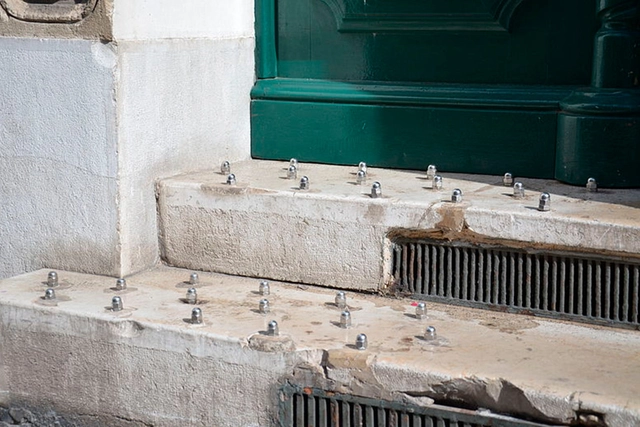
Benches with dividers and uncomfortable shapes, sharp stones under overpasses, fences surrounding plazas and gardens, walls with metal spikes, buildings without awnings or with timed water drippers, electric fences, and barbed wire. The elements and materials used to deter people from public spaces are numerous, ultimately shaping how individuals experience cities and interact with one another. Hostile architecture—a term encompassing all barriers and urban designs that seem to say “don’t make yourself at home,” as reporter Winnie Hu of The New York Times defines it—is part of the reality in most cities worldwide, sparking growing debate over the impact of these measures, particularly on social media.
https://www.archdaily.com/1128536/hostile-architecture-when-cities-are-not-for-everyoneSomos Cidade
While the work of Mexican architect Luis Barragán is globally recognized and studied for its invaluable commitment to the architecture of his time and context—and, above all, built upon deeply harmonious and poetic foundations that connect with a deeply personal quest in "cosmic solitude, with Mexico as the temporary home he lovingly accepts," as the Pritzker Prize Jury described it when honoring him in 1980—until recently (and even before the launch of the Barragan Foundation website), understanding the full spectrum of Barragán's place in architectural history was somewhat difficult, as several of his works have remained private (or difficult to access) for years.
This week, we feature job openings at two Shanghai-based design firms: ARIZON Design and atelier tao+c. Specializing in different scales and themes, both practices are active across various architectural sectors and are looking to recruit like-minded architects to join their teams.
Choosing high-performance BIM software is key to developing efficient projects by automating tasks that traditionally consumed time in conventional design workflows—such as documentation, calculations, analyses, and other repetitive processes.
At the time of writing this article, Brazil is facing the most severe humanitarian crisis in its history—not merely a “health crisis,” as is commonly described. By April 30, 2021, the COVID-19 pandemic had claimed 411,854 lives in the country, and only in recent days has the moving average of deaths begun to cool down once again—after reaching a peak of 3,125 in April.
Epidemiologists, microbiologists, and infectious disease specialists note that the impact of the pandemic on Brazilian cities is highly idiosyncratic: each has unique conditions to consider before we can attempt any generalizations. Furthermore, underreporting is estimated to be high (with actual cases potentially being ten times higher), a figure that also varies from city to city. Nevertheless, with these caveats in mind, what does the overall picture reveal?
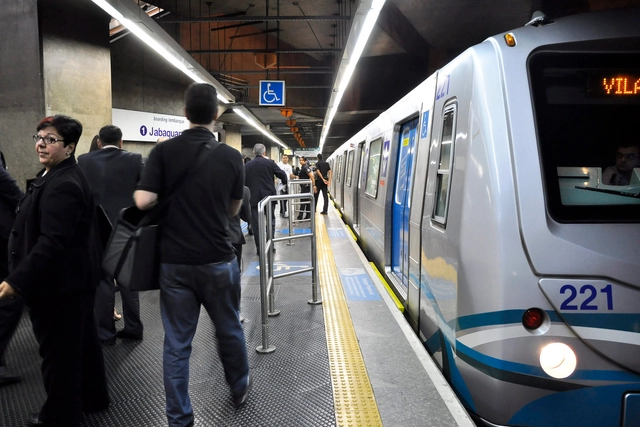
“How much does a subway line cost?” is a question frequently asked when discussing high-capacity rapid transit solutions for Brazilian cities. However, the cost of implementing rail projects varies enormously across different global geographies.
For example, a rail line in New York costs about twenty times more per kilometer than one in Seoul, reaching a budget of $6.4 billion for a segment of just 2.6 kilometers in the second phase of the Second Avenue Subway in northern Manhattan. Geographical factors, or even the high built density of the American metropolis, are insufficient to explain such a massive disparity in construction costs.
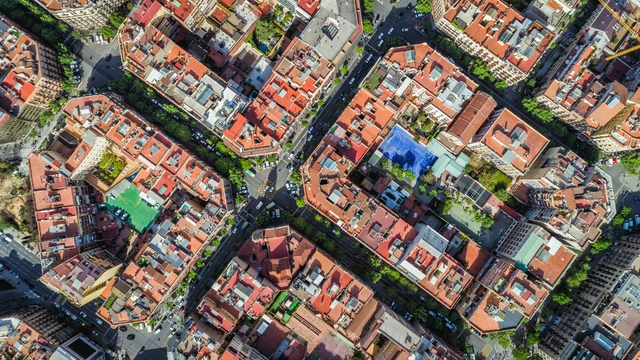
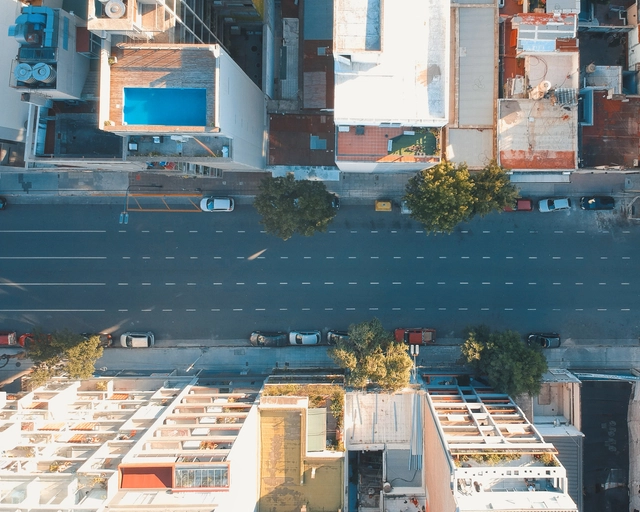
Aerial view of Barcelona, streets and buildings of the Eixample, famous urban grid. Image via shutterstock
ArchDaily is working with CityMakers to publish a series of articles, conversations, and interviews with the various actors in urban co-production behind the Barcelona CityMakers Lab 2021, an event taking place from November 8 to 12.
Outbreaks of contagious diseases can exert a long-term influence on urban design—many have undeniably shaped the way modern cities look and operate. Parks, wide streets, and even the bathrooms in our homes are a significant legacy of past cholera outbreaks. Today, these features are so deeply embedded in our daily lives that they are considered basic elements of modern cities. Over generations, cities have recovered from the initial shock of contagion and rebuilt public trust after periods of uncertainty.
https://www.archdaily.com/1128573/can-cities-thrive-in-times-of-crisis-3-questions-for-cities-in-2022Anne Maassen e Rogier van den Berg
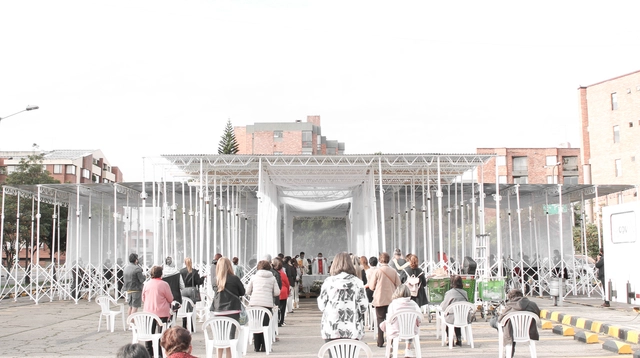
Construction shores, which typically support formwork for pouring concrete, have been used to structure a temporary chapel in Bogotá. These elements, usually relegated to construction processes, combine with zinc sheets and exposed structural trusses to define the project's spatial experience. Designed to be mobile, the chapel can be easily disassembled, ensuring its components can be reused in future projects.
Discover the project, born from a collaboration between SCA and Colab-19, designed to meet the desire of Bogotá's faithful to celebrate Easter.
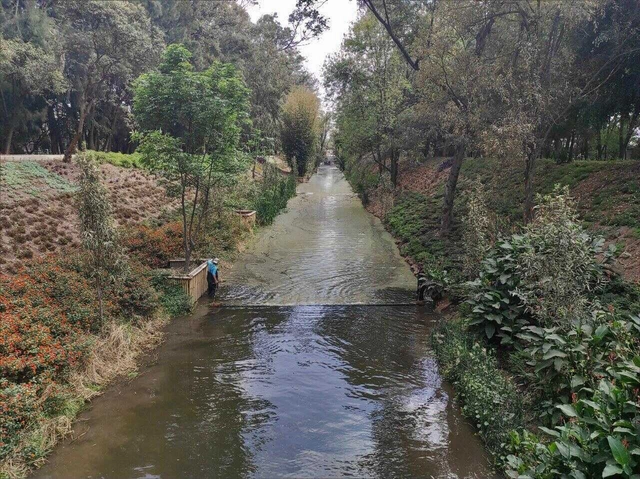
The restoration, rehabilitation, and recognition of urban rivers and canals must be integrated into state and federal policies, going beyond the mere practical use of the resource. In many developing nations, including Mexico, water-related challenges are heavily concentrated in cities, driven by the haphazard urban growth of recent decades.
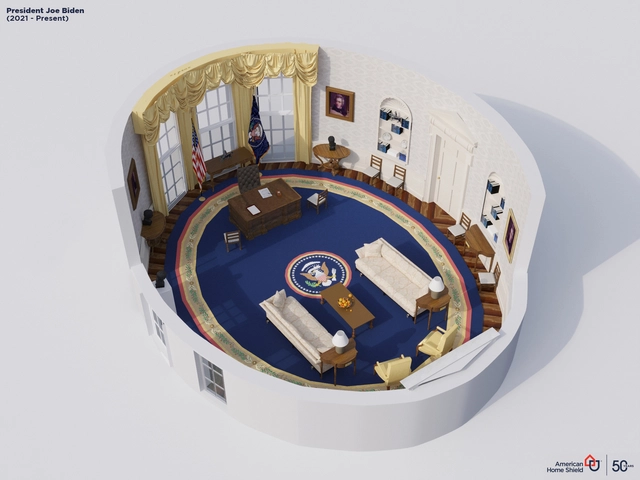
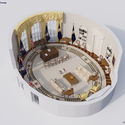
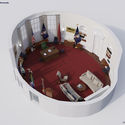
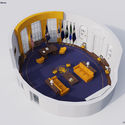
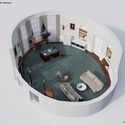
Redecorating the Oval Office is not just a statement of presidential taste; yet, as all spaces reveal principles that extend far beyond the visual, it is ultimately a statement of control. It is here that the president meets with international dignitaries and addresses the cameras to deliver messages of great importance, which is why he (or, one day, she) does not want it to look as though their predecessor still claims ownership of the space.