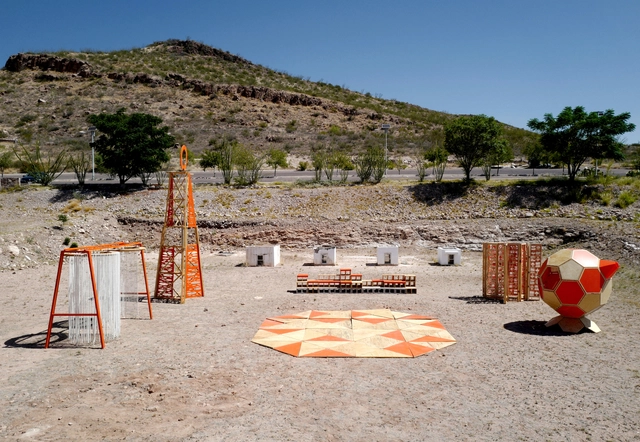
One of the structural problems of Brazilian society is the excessive growth of the urban footprint, commonly referred to as "urban sprawl," which results in low-density urban occupation. This dispersed footprint complicates the provision of public services and compromises residents' quality of life, as it fails to generate sufficient demand for mass transit and encourages the use of private automobiles for commuting. To reverse this trend, urban policy seeks to increase the density of the existing city, whether by constructing new buildings on vacant lots or by rehabilitating degraded buildings in central areas. However, as currently designed, housing policy actually encourages urban sprawl.







.jpg?1584033177&format=webp&width=640&height=580)