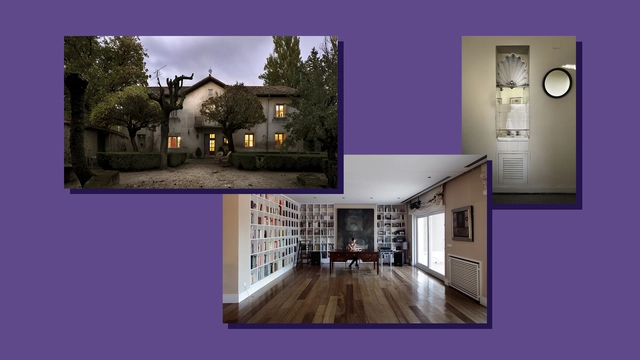
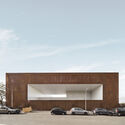
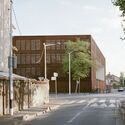
Matilde Ucelay Maórtua was born in 1912 in Madrid into a bourgeois, professional, and enlightened family, as the eldest of four sisters. Her father's family, Enrique Ucelay, of Basque origin, had held a prominent economic, political, and professional position in 19th-century Madrid, closely tied to political liberalism. Meanwhile, her mother, Pura Maórtua, also of Basque descent, came from a wealthy family as well. Though she lacked formal academic training, she possessed an insatiable desire to learn and was fortunate to travel extensively, visiting museums and architectural works.
"Harmonious Contradiction" is the third and final summer exhibition at Sotheby's East Hampton Gallery New York and the first collaboration between MASA and Sotheby’s. Running from August 24 to September 18, this group exhibition features brass and polished bronze floor works by eight contemporary artists from Mexico City-based Masa Gallery, in conversation with a curated selection of contemporary and post-war works from Sotheby's.
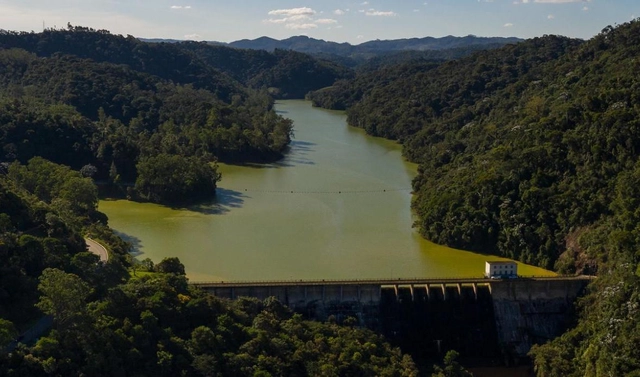
Forests for water treatment in Espírito Santo. Photo: Ademir Ribeiro/WRI Brasil
What if policymakers, when deciding how to allocate public investments, looked beyond massive concrete structures and also turned their attention to forests?
Viewing the conservation, restoration, and management of native vegetation—in other words, nature-based solutions—as viable investment alternatives to improve urban infrastructure is an innovative approach that can yield major benefits for society. A prime example lies in the water treatment and supply sector: forests can play such a crucial role that they can be considered a form of natural infrastructure.
https://www.archdaily.com/1132455/forests-for-water-a-nature-based-solution-to-tackle-water-crisesVitor Tornello, Lara Caccia, Mariana Oliveira e Bruno Calixto
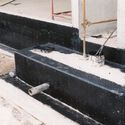
Concrete, metal, or wood—all building materials degrade over time when exposed to water and moisture. Moreover, every building element is exposed to weathering to varying degrees, from the foundation to the roof. Consequently, protective layers must be incorporated to prevent water from contacting raw materials—a process known as waterproofing—ensuring the structure's maintenance and longevity.
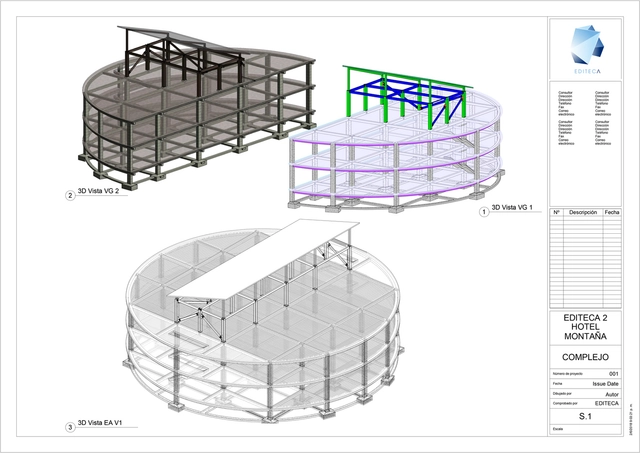
BIM methodology is currently booming and on the lips of every industry professional, making it essential for any sector expert to keep in mind. In this article, we review the five most relevant factors to help you assess your compatibility with BIM, according to Editeca.
As part of a new collaboration between the Mexico City-based firms, Esrawe Studio and Francisco Pardo present "Biodynamic Community," a new project in Los Altos de Jalisco, Mexico. The development will be built on an 820,000-square-meter site and will have a total built area of 29,700 square meters.
Clarice Lispector and Carolina Maria de Jesus during a book launch. Figure produced by the author
Carolina Maria de Jesus and Clarice Lispector are among the most prominent Brazilian writers of the 20th century. This essay analyzes the representations surrounding them and, above all, offers an approach that complexifies the comparison between the two, reflecting on body and city from an intersectional perspective.
https://www.archdaily.com/1132497/representations-of-carolina-maria-de-jesus-and-clarice-lispector-body-city-and-territoryLuiza Fraccaroli B. da Costa
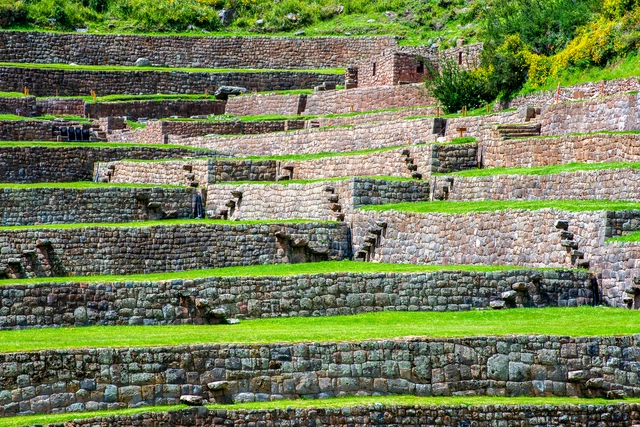
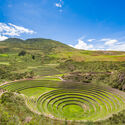
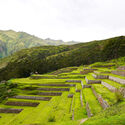
In sloped topographies, factors such as rainfall and excess water promote surface runoff, triggering a series of impacts that lead to the loss of soil, water, nutrients, and seeds, consequently reducing agricultural productivity (Posthumus, 2005). In Andean mountain environments, this is compounded by water scarcity and variability, alongside the challenges of water retention (Canziani, 2007). To address these challenges, territorial transformations and modifications known as terraces and andenes emerged, representing some of the oldest infrastructural practices for soil and hydrological conservation and management. Their physical presence, productive use, and cultural relevance remain vital in many parts of the world today.
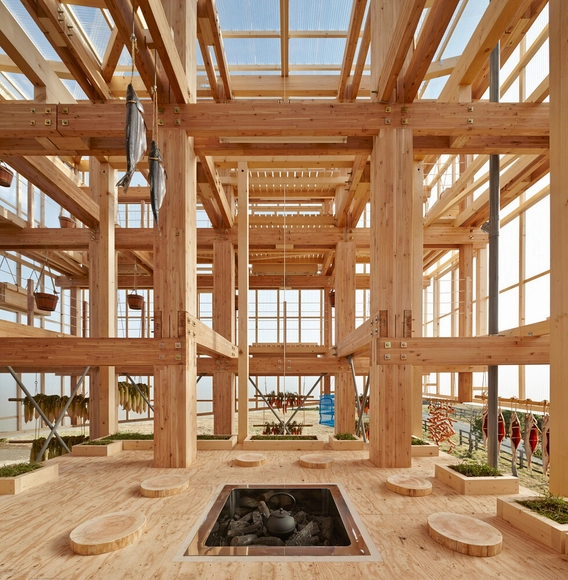
The footprint of urban construction is expanding rapidly. Globally, building floor area could double by 2060. Constructing and maintaining urban infrastructure requires significant amounts of energy and material resources. Consequently, how cities build—and with what materials—directly impacts whether sustainability goals are achievable or even realistic. Cities must ensure they are using low-impact, renewable materials. This challenge presents a clear opportunity for wood.
https://www.archdaily.com/1131835/how-cities-can-source-sustainable-woodWhitney Light, Scott Francisco e Sadof Alexander
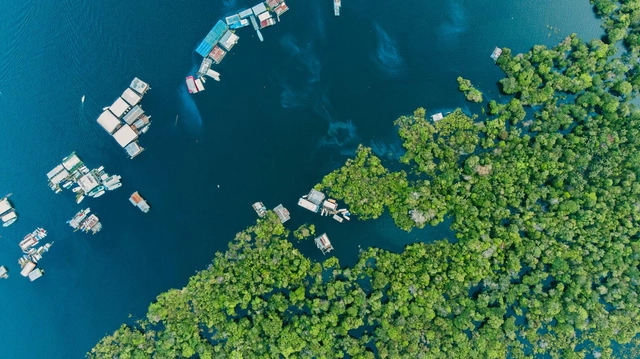
Amazon River, aerial view in Tefé. Photo by Rodrigo Kugnharski via Unsplash .
Amazon Day was celebrated on the 5th of this month. Established in 2007, the date aims to raise awareness about the importance of this biome, which is essential to the planet's environmental and climate balance. Constantly under threat and shaping a contested territory, Earth's largest natural biome is a frequent site of human intervention. How have architecture and urbanism engaged with this context?
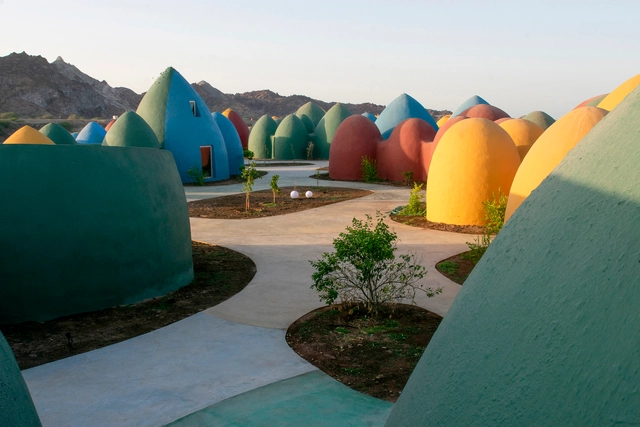
Proyecto: The Superadobe Domes of Hormuz, Zav Architects, Hormuz, Irán. Image Cortesía de ZAV Architects / Tahmineh Monzavi, The ArchDaily Guide To Good Architecture, gestalten 2022
Together with publisher gestalten, we recently published our first book: The ArchDaily Guide to Good Architecture. It represents a pause to reflect on the more than 40,000 projects curated over the past 15 years, drawing from their contributions to answer the ambitious question of what constitutes good architecture.
Now, it is your turn—our readers—to tackle this question.
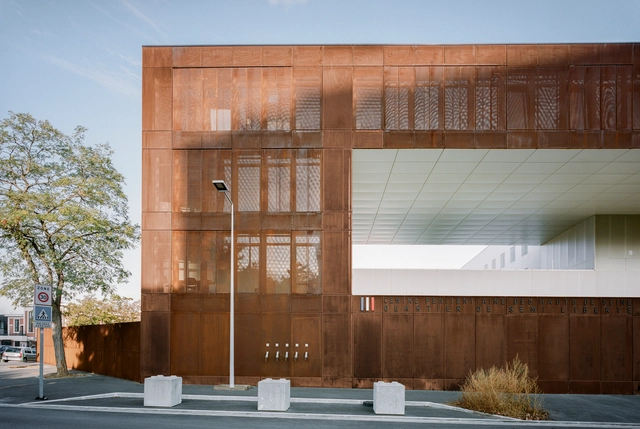
Commissioned from LAN (Local Architectural Network) by the French government, the Nanterre minimum-security prison project engages with the concepts of the penal system by critically reviewing the design of these buildings. The complex is guided by an attempt to better integrate it into the urban fabric, reinforcing the importance of the relationship between the city and prison structures as spaces for social integration. Consequently, understanding the proposal for the Nanterre Minimum-Security Area involves political, institutional, and historical factors that retrieve and reframe historical and contemporary debates surrounding the penitentiary system in general, and the French system in particular. While a prison is naturally understood by its confinement, LAN's design prioritizes an educational and humanitarian character to transform both the inmates and the public's perception of them.
https://www.archdaily.com/1132545/confinement-and-transparency-how-the-nanterre-minimum-security-area-contributes-to-redefining-the-classic-concept-of-the-prisonAlexandre Kok, Caio França, Gabriela Rudge, Lara Girardi, Lia Soares, Maria Clara Calixto, Marina Liesegang, Marina Saboya, Pedro Trama, Tamara Silberfeld e Valentina Kacelnik
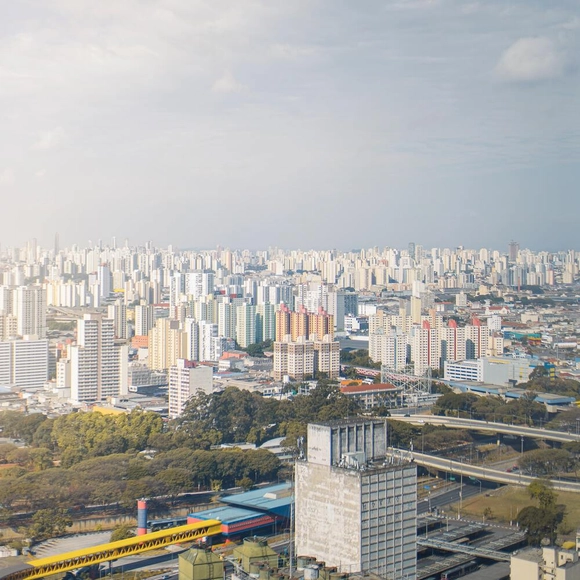
Minhocão, São Paulo. Photo by D A V I D S O N L U N A via Unsplash
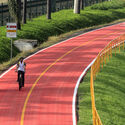
The use of bicycles has grown in recent years, altering the landscape of Brazil's major cities. Among the factors that may have contributed to this shift, one of the most prominent is investment in cycling infrastructure. Data from a Brazilian study reinforces this perspective, demonstrating that bike lanes are a determining factor for those who do not yet ride to take up cycling.
https://www.archdaily.com/1132030/3-actions-to-promote-cycling-and-equity-in-access-to-the-city-in-brazilPaula Manoela dos Santos, Ariadne Samios, Larissa Oliveira e Fernando Corrêa
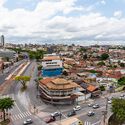
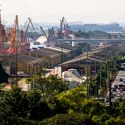
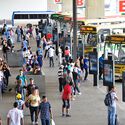
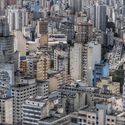
In Brazil, urban policies are commonly assumed to be the responsibility of either municipalities or the federal government. However, there is another level of government that cannot be overlooked: the states. State urban policies are just as important as municipal and federal ones.
https://www.archdaily.com/1131867/when-the-city-becomes-invisibleJosé Antônio Apparecido Junior e Victor Carvalho Pinto
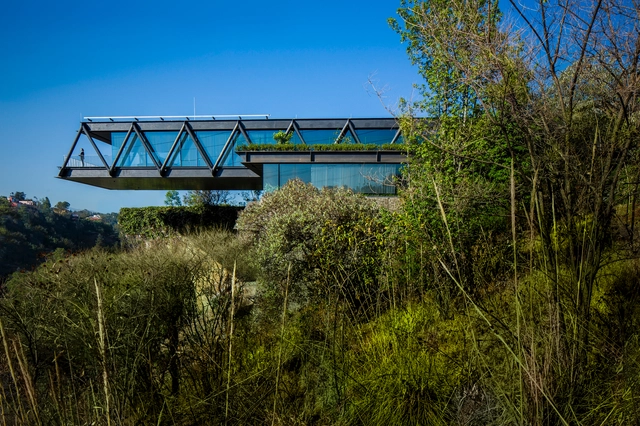
The firm LBR&A—founded by Mexican architect Benjamín Romano—has been recognized at the German Design Council's Iconic Awards: Innovative Architecture for its project Casa CH73. The residence was named “Best of the Best” in the Architecture category, which encompasses projects such as corporate buildings, museums, hotels, shopping centers, stadiums, and housing, among others.
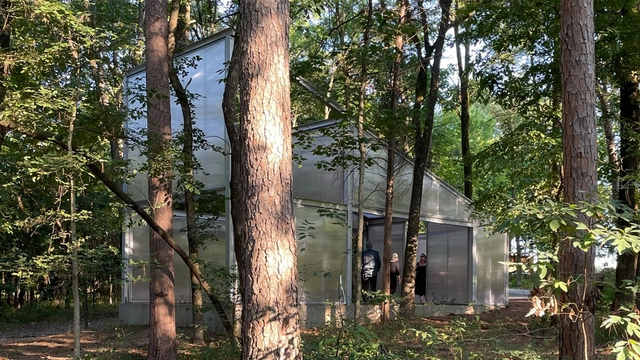
As part of the cultural programming at the Crystal Bridges Museum of American Art, the exhibition "Architecture At Home" features an outdoor space bringing together five housing prototypes that seek to spark a conversation on contemporary housing. Driven by research, five architecture firms based in the Americas designed and fabricated 500-square-foot prototypes for a contemporary home, installed along Orchard Trail on the museum grounds.
"Pequeño Infinito" de Cristina Fresca. Image Cortesía de Bisman Ediciones
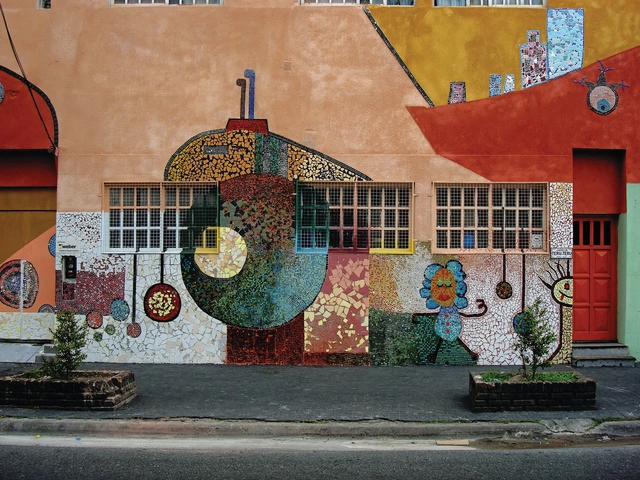
What are the stories, processes, and hidden messages behind murals in urban contexts? How do they relate to the communities that live alongside them? “Urban Murals: Solidarity Infrastructure Plan (PISO)” by Bisman Ediciones compiles the work of Saint-Gobain, highlighting the urban interventions they have driven since 2005 through their Solidarity Infrastructure Plan (PISO) program across the 24 Argentine provinces.
The concept of social housing in Chile began to emerge in the late 19th century, driven by population growth following rural-to-urban migration. At the time, people lived primarily in conventillos (tenements) and ranchos (shacks) under precarious living conditions. Facing a severe housing deficit, Chile took its first state measure in 1906 with the “Workers' Housing Law” (Ley de habitaciones obreras). Over the years, this policy framework evolved, leading to the creation of the Ministry of Housing and Urbanism (MINVU) in 1965, followed by the Housing and Urbanization Service (SERVIU) around 1980—institutions that continue to manage housing policy to this day.