JULIA GUARINO FICHTER, Primer arquitecta recibida en Uruguay, Revista Mundo Uruguayo Nº2049 (31/07/1958), pág.6 (ejemplar del IHA). Tomado para Nómada Uy. Image Cortesía de Medios Audiovisuales FADU - UdelaR
Born on July 17, 1897, Julia Guarino Fiechter became the first woman to earn an architecture degree in Uruguay, in 1923. Although she was originally from Éboli, in the Italian province of Salerno, she grew up and spent her entire professional life in Uruguay. After graduating from the Faculty of Architecture at the Universidad de la República, she also worked as a draftsperson and educator.
In urban planning discourse, advocacy for public transit is as widely agreed upon as it is frequently repeated. Proposals such as transit-oriented development (TOD), which advocates for coordinating urban density with transit corridors, have gained traction over recent decades. They have moved from academia into the recommendations and case studies of institutions like the World Bank, into political platforms and official documents, and are already visible in various urban interventions worldwide—from Curitiba to Toronto, and particularly in Asia.
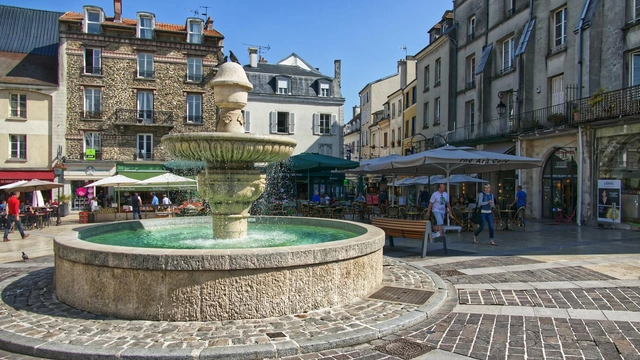
Place de la Fontaine, Lagny-sur-Marne, France. Photo by Pascal Bernardon, via Unsplash
A direct consequence of global warming, heatwaves have become increasingly devastating and frequent with each passing summer. The most recent of these has been sweeping across Europe for days, worsening in western nations, such as Belgium and the United Kingdom. The melting runway surface at Luton Airport and the fires in the village of Wennington, London, and in Calatayud, southwestern Spain, are just some of the incidents that underscore the critical scale of this crisis.
"Less is more!", "ornament is a crime", are some of the modern phrases that shaped the western architectural language in the last century and still continue to be a strong influence when thinking about spaces. Minimalism, even if it is hardly carried out within its original essence, still tends to value emptiness, aesthetic cleanliness and the purism of space.
Women Architects and Urban Planners Day was established in 2020 by the Council of Architecture and Urbanism of Brazil (CAU/BR) to reaffirm its commitment to promoting gender equality across all its spheres and in its relationship with society. According to a survey by CAU/BR in its 2019 Yearbook, women represent 63% of architects and urban planners, a proportion expected to increase in the near future. Among professionals aged 30 and under, that number rises to 75% women compared to 25% men.
https://www.archdaily.com/1132008/women-architect-and-urban-planner-day-discovering-the-pioneers-in-brazilArchDaily Team
The determination of focal points in the environments offers dynamism, personality and activates internal and external environments from the enhancement of decorative objects or construction elements. Here are some examples for you to understand what it is and how to use it in the design and decoration of your home.
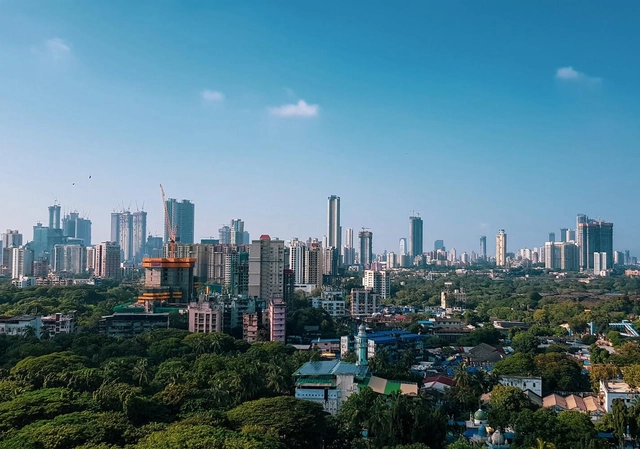
Mumbai, India. Photo by Hardik Joshi, via Unsplash
Cities and communities around the world are stepping up to reduce greenhouse gas (GHG) emissions and prevent the most dangerous impacts of climate change. Typically, strategies focus on reducing emissions in sectors such as transportation, energy, housing, and waste. Yet, there is another sector that many communities have overlooked in their climate plans: trees and forests.
https://www.archdaily.com/1131963/5-reasons-for-cities-to-include-trees-in-climate-actionJohn-Rob Pool, David Gibbs, Sadof Alexander e Nancy Harris
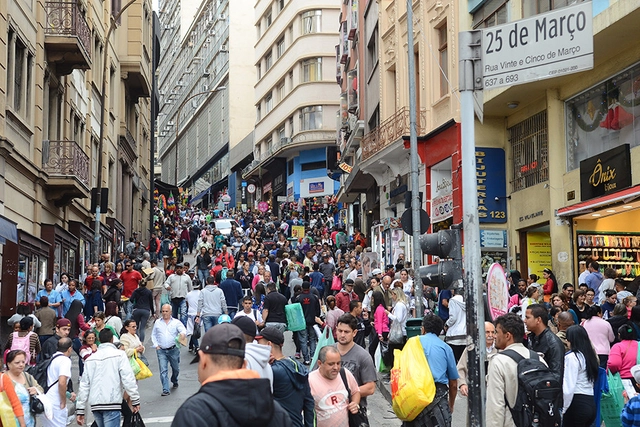
The resurrection of the street-level shop is possible: people remain analog. Image: Rovena Rosa/Agência Brasil
An ideal address implies convenience, meeting basic needs for goods and services within a short walk. Breakfast at the base of the building, a quick run to the pharmacy, pulling a cart overflowing with fruit, heading down on Saturday for a haircut, walking the dog in the corner plaza. The health of a city depends on the presence of people walking in public spaces, fostering a sense of community, safety, civility, and the capacity to meet basic consumption needs. And the street-level storefront along this walk is a vital catalyst.
https://www.archdaily.com/1132460/the-death-of-street-shops-and-its-impact-on-citiesFabiano de Marco
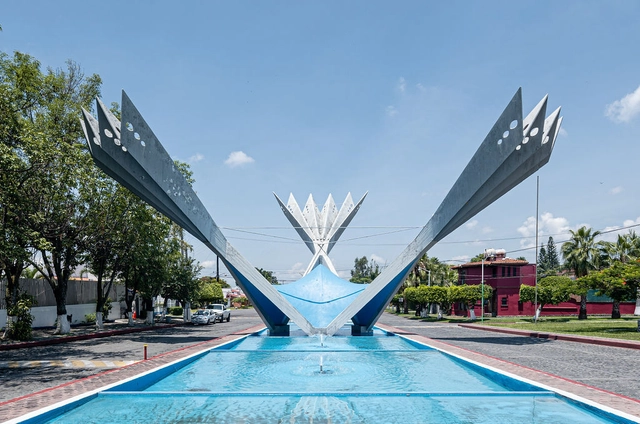
The Spanish-Mexican architect Félix Candela is one of the world's most renowned twentieth-century architects, celebrated for a career that explored reinforced concrete through experiments resulting in his famous cascarones (thin-shell structures)—structural and design elements that support many of his works, such as the Cosmic Rays Pavilion at UNAM in Mexico City (1951); the Palmira Chapel in Cuernavaca (1958); the Los Manantiales Restaurant in Xochimilco (1958); and the Palacio de los Deportes for the 1968 Olympic Games in Mexico City.
Tie-in sales are one of the major consumer rights issues and are typically banned in most market economies. They occur when a seller conditions the sale of one product or service on the purchase of another. In Brazil, the Consumer Defense Code, under Article 39, Subsection I, expressly condemns this practice. Meanwhile, Law 12,529/2011, which structures the Brazilian competition defense system, establishes in Article 36, Subsection XVIII, that tie-in sales constitute an infraction against the economic order.
Glass-enclosed balcony. Photo via Matison.se, used under "fair use" terms
In Brazilian cities, we see new residential buildings being constructed with cantilevered balconies—that is, extending beyond the building's perimeter and encroaching upon the minimum required setbacks (referred to as afastamentos in Rio de Janeiro). However, what we have seen in recent years is a growing trend of enclosing these balconies with glass panels, consequently expanding the adjacent rooms. But what is the reason behind this enclosure? If there is a need to enlarge these spaces, why aren't they designed this way to begin with?
https://www.archdaily.com/1131981/balcony-enclosures-as-a-selling-pointDavid Cardeman e Rogerio Goldfeld Cardeman
With its own businesses and economy, the "city" even had floating roads with toll collection by developers. Photo: Reproduction/Revista 'O Cruzeiro', June 8, 1963. Used under "fair use" terms
The end of the rubber monopoly, the economic crisis of the 1920s, demographic growth driven by the migration of river dwellers and northeasterners to Manaus, and a scarcity of resources all contributed to a housing crisis in the city.
Amid this adversity, in 1920, João Aprígio, a native of Paraíba with a wife and children to support, faced immense hardships. His meager earnings were barely enough to feed his family. Lacking a home of his own, Aprígio gathered two açacu logs from an igapó (flooded forest) and towed them behind his canoe to the Educandos waterfront, which he deemed the most suitable location to build his dwelling. For twenty days and nights he worked, eventually erecting what would become the first floating house in Manaus.
Matilde Ucelay Maórtua was born in 1912 in Madrid into a bourgeois, professional, and enlightened family, as the eldest of four sisters. Her father's family, Enrique Ucelay, of Basque origin, had held a prominent economic, political, and professional position in 19th-century Madrid, closely tied to political liberalism. Meanwhile, her mother, Pura Maórtua, also of Basque descent, came from a wealthy family as well. Though she lacked formal academic training, she possessed an insatiable desire to learn and was fortunate to travel extensively, visiting museums and architectural works.
"Harmonious Contradiction" is the third and final summer exhibition at Sotheby's East Hampton Gallery New York and the first collaboration between MASA and Sotheby’s. Running from August 24 to September 18, this group exhibition features brass and polished bronze floor works by eight contemporary artists from Mexico City-based Masa Gallery, in conversation with a curated selection of contemporary and post-war works from Sotheby's.
Concrete, metal, or wood—all building materials degrade over time when exposed to water and moisture. Moreover, every building element is exposed to weathering to varying degrees, from the foundation to the roof. Consequently, protective layers must be incorporated to prevent water from contacting raw materials—a process known as waterproofing—ensuring the structure's maintenance and longevity.
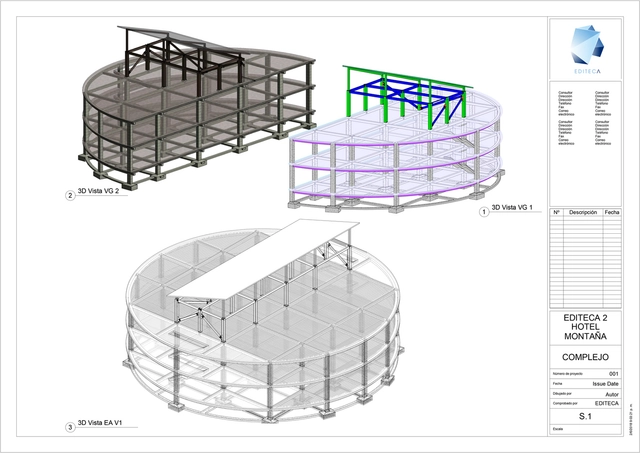
BIM methodology is currently booming and on the lips of every industry professional, making it essential for any sector expert to keep in mind. In this article, we review the five most relevant factors to help you assess your compatibility with BIM, according to Editeca.
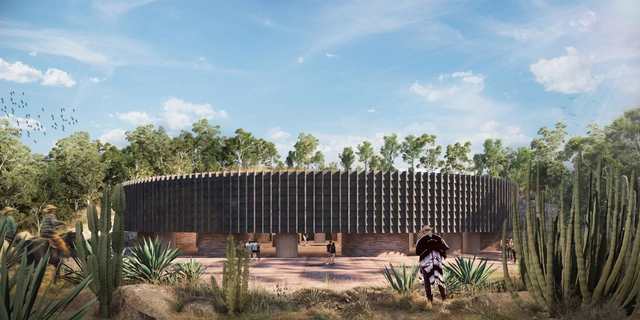
As part of a new collaboration between the Mexico City-based firms, Esrawe Studio and Francisco Pardo present "Biodynamic Community," a new project in Los Altos de Jalisco, Mexico. The development will be built on an 820,000-square-meter site and will have a total built area of 29,700 square meters.