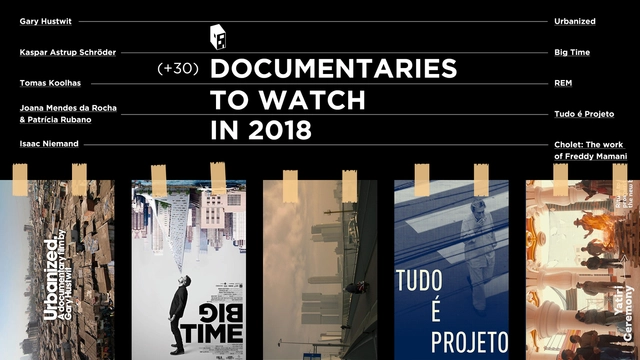
As we welcome the new year, don't miss ArchDaily's selection of the best architecture documentaries to watch this year!
As we welcome the new year, don't miss ArchDaily's selection of the best architecture documentaries to watch this year!
Describing the work of an architect is sometimes an arduous task. Categorizing a production based on the various criteria to which a body of work is tied often subjects it to the constraints of its historical context. Eduardo Longo, however, represents a clear exception, as his work actively rejected the prevailing principles of his time in pursuit of continuous experimentation. Entering the School of Architecture and Urbanism at Universidade Presbiteriana Mackenzie in São Paulo in 1961, he encountered a unique moment in Brazilian architecture: the formation of the so-called “Escola Paulista” (São Paulo School) alongside national political instability, marked by the onset of the military dictatorship and the construction of the new federal capital, Brasília.
As a student, he distanced himself from the canons of the Escola Paulista, seeking instead to experiment and foster new architectural discourse. Against this backdrop, during his fourth year of university, Longo designed the Mar Casado beach house. Intended for his aunt and uncle, the project was heavily criticized by both faculty and peers due to its “independent way of interpreting architecture” [1] and its structural configuration—which featured a non-orthogonal design with acute and obtuse angles beneath a multifaceted roof—openly defying Paulista Brutalism. Despite the backlash, the house was built and eventually gained recognition: art critic Pietro Maria Bardi praised its relevance in 1967, followed by a feature in *Domus* magazine in 1968 and its inclusion in Yves Bruand’s seminal 1981 book [2].


Writing for the Fundación Arquia Blog, architect Enrique Parra outlines the main questions asked by first-year architecture students in Spain, where, despite the ongoing crisis in the profession, it remains one of the most sought-after degrees. This article offers a chance to compare these expectations with the realities and aspirations of students in different countries.
The First Industrial Revolution took place in the United Kingdom in the late 18th century with the mechanization of the textile industry. Over the following decades, instead of making things solely by hand, the use of machines spread across the globe.
The Second Industrial Revolution began in the United States in the early 20th century with the assembly line, ushering in the so-called Era of Mass Production.
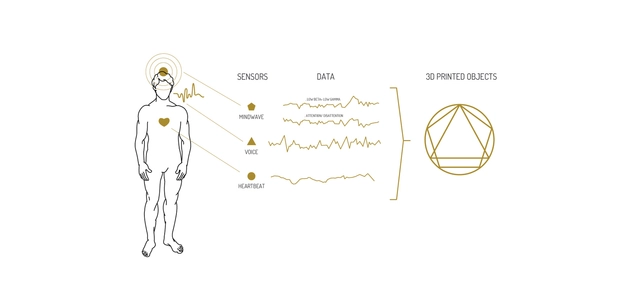
Today, we are living through a new industrial revolution, driven by digital culture and technology, with 3D printers serving as one of its key catalysts. And believe it or not, you will eventually own one. As they become increasingly affordable, these machines are capable of printing three-dimensional objects. The most common technique involves depositing and bonding, layer by layer, minute particles of materials such as plastic, ceramic, glass, or metal.
Happy New Year! Champagne, hugs, phone calls, and new goals. A few days pass, and it feels like this year you really will achieve everything you want. It's a great attitude, but not everyone is so clear on what those goals are or where to direct their career. In this day and age, anything seems possible. If a friend is traveling the world, you want to do it too. If another joined the gym, you want to do it too. If former classmates are pursuing a master's degree, you want that too—but we know we can't do everything at the same time.
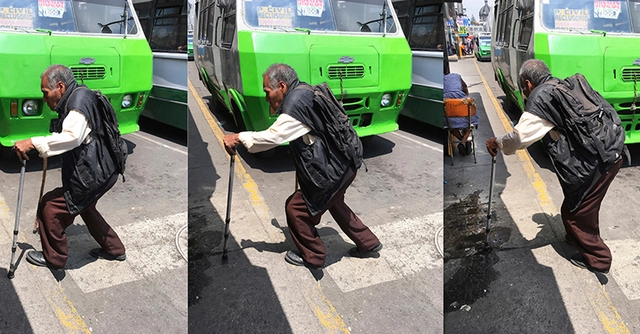
On this occasion, the Arquia Foundation Blog, alongside architect Sabrina Gaudino Di Meo, presents an article on the urban antipathy of our cities—which has unfortunately become a daily experience, a naturalized condition, and a fixture of the collective imagination. Faced with this situation, who is responsible? Where are urban planning and social policies when it comes to making our cities friendlier?

Researchers recently announced the discovery of the world's largest termite mound complex, located in northeastern Brazil. The total volume of excavated soil is estimated to equal 4,000 Pyramids of Giza, with the complex itself averaging 4,000 years of age and covering an estimated area of 230,000 square kilometers—equivalent to the size of Great Britain.
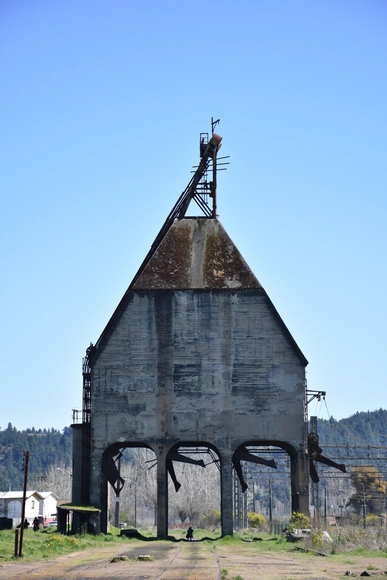
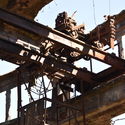
Together with an archaeologist and a visual artist, the team led by architect and University of Chile academic Claudia Torres has documented a series of industrial ruins in rural areas throughout Chile for the project “From Noise to Silence: Valuing Industrial Ruins in Rural Areas,” a research project funded by Fondart 2017.
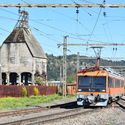
With a diameter of 100 meters and the capacity to service 36 steam locomotives simultaneously, the authors of this article—Claudia Torres, Sandro Maino, Ricardo Labra, Valentina Soto, and Laura Gallardo—argue that the San Rosendo railway workshops must be declared a Historical Monument in Chile.
From the viewpoints of the town of San Rosendo (Chile), the railway workshop complex can be appreciated in all its splendor, situated at the foot of the town, on the banks of the Biobío River, and connected to the imposing railway bridge that crosses the Laja River.
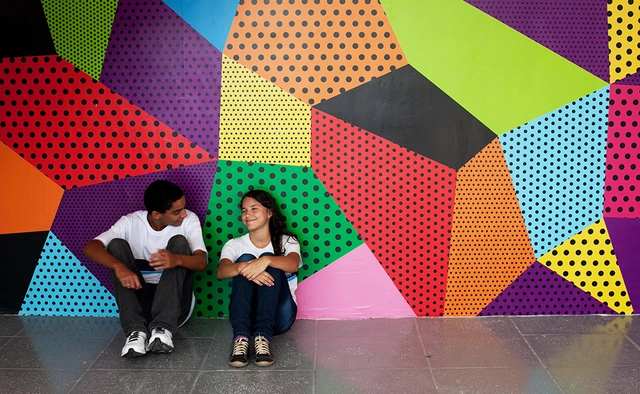
Over 469 years after the construction of the first Brazilian school—built in Salvador, Bahia, by Jesuits who taught reading, writing, arithmetic, and Catholic doctrine—school architecture remains indistinguishable within the urban fabric of most Brazilian cities. Characterless and rigid buildings, unable to connect with their surroundings due to enclosing walls, were once described by architect Mayumi Souza Lima as "structures [that] could just as easily be meant for children, bags of beans, or cars, since they are merely covered areas, with a ceiling and a floor."
On Thursday, October 25, we celebrated the first three years of ArchDaily Colombia in Bogotá. The Lamazone Gallery served as the setting for some of the local scene's most influential architects to connect with the ArchDaily Colombia team.
During his presentation, David Basulto, CEO of ArchDaily, highlighted the key milestones of ArchDaily Colombia's first three years, before moving on to an insightful analysis of Colombian architecture driven by the big data generated by our readers worldwide.

'Syllogisms' is an architecture and illustration project that draws its research from archives, publications, and photographs concerning the history of modern construction in Mexico. It presents a graphic narrative on the continuity and transformation of seminal 20th-century works through the synthesis, interpretation, and juxtaposition of their ideals. These pairings confront thought and form with deductive inferences. The sum of their parts foreshadows critical meanings and architectural motifs for future reconstruction.
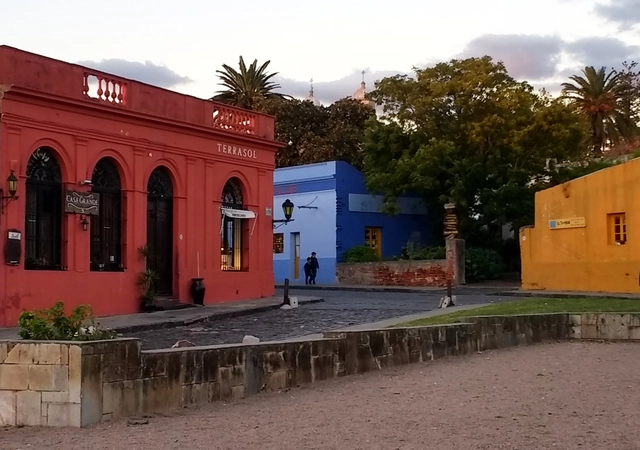
Colonia del Sacramento, on the shores of the Río de la Plata in southern Uruguay. From the ferry—if arriving from Buenos Aires—one can spot the famous lighthouse rising above a cluster of historic stone houses and cobblestone streets; a historic center declared a UNESCO World Heritage Site, which features not only a colonial and post-colonial architecture blending Spanish and Portuguese influences, but also compelling restoration and renovation projects that demonstrate a thoughtful embrace of Uruguayan memory.
Its architectural landmarks emerge naturally from an atmosphere frozen in time as you explore the city on foot along its waterfront and green spaces. Below, discover a list of 10 sites you should visit.
.jpg?1535964102&format=webp&width=640&height=580)
What do dance and architecture have in common? It is difficult to explain how our experience of dance is stored in our bodily memory, yet our core recollection of a performance is often inseparable from the architectural space in which it unfolded. While the dance itself may be the focus, the venue remains integral to the experience. Ultimately, as we explore how cities and urban spaces are conceived and created, both dance and architecture serve as fundamental coordinates.
Unsurprisingly, many choreographers are exploring the intersection of these two disciplines. These works explore how our bodies navigate the built environment. This is far from a purely theoretical pursuit; instead, it engages specific communities and cultural groups through embodied movement. In the words of philosopher Marina Garcés: “The body no longer confines us to a single place, but instead integrates into and becomes part of the environment of every place. It is the zero point from which we can experience all space, enriching ourselves both materially and spiritually.”
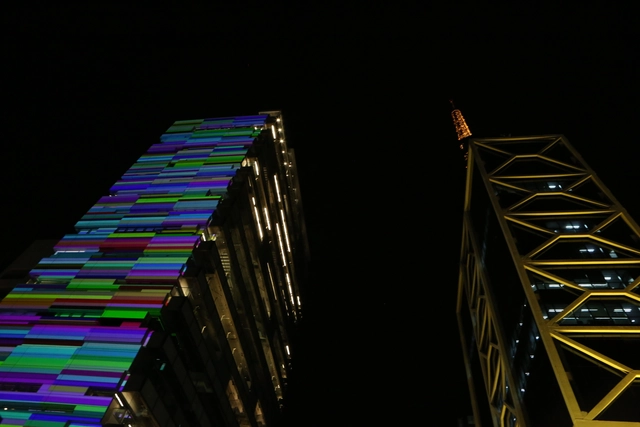
Located on São Paulo's most iconic avenue, after eight years of construction, the new Sesc Avenida Paulista branch finally opened its doors last Sunday, April 29. Guided by the triad “Art, Body, and Technology,” the institution—which expects approximately 18,000 visitors per week—has already seen these expectations begin to materialize.
.jpg?1523848316&format=webp&width=640&height=580)
In this piece, the Arquia Foundation Blog, alongside an article by architect and educator Santiago de Molina, calls on anyone wishing to become an architect in the near future to maintain a cultivated skepticism of almost everything, to have the courage to trust nothing, and to make the effort to maintain and nourish a cultivated imagination.
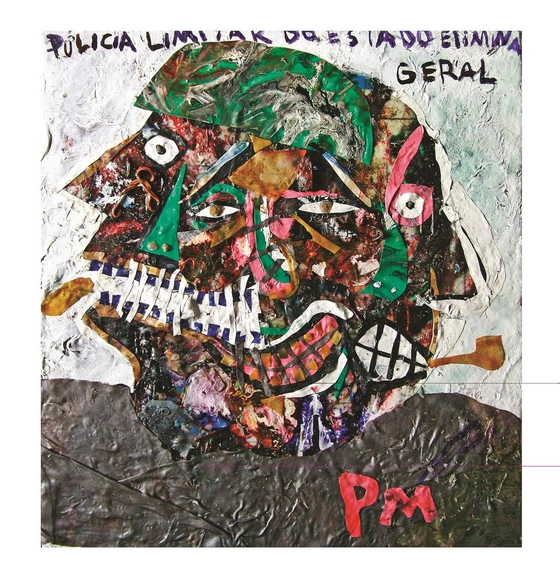

The noias, identified by their abject bodies, evoke and challenge physical, social, spatial, symbolic, and moral boundaries, driving the creation of policies aimed at both their rehabilitation and their elimination. This article, organized by PISEAGRAMA based on the extensive ethnographic fieldwork conducted by the author up to 2012 and published in 2014 in the book Nas tramas do crack, offers an immersion into São Paulo's *cracolândia* (crackland), the most famous in the country, whose conflicts have replicated the term across the many others multiplying in various cities.
There, the *De Braços Abertos* (With Open Arms) program and heavy-handed repression have marked municipal and state administrations in recent years, highlighting the political conflict that emerges at the extremes of the territorial management of crack.
_17.41.00_1.jpg?1526683290&format=webp&width=640&height=580)
In April 2018, the inaugural edition of the Provincia Festival was held, aiming to create an open forum for dialogue and the discussion of civic interest topics, with an emphasis on responsible engagement in regional architectural development.
The festival took place in the city of Tuxtla Gutiérrez in Chiapas, México—a region currently lacking high-quality urban spaces, planning, and a clear vision regarding the impact of architectural projects. Meanwhile, there is a constant drain of local talent, driven by a combination of factors that foster the belief that professional success can only be achieved through large-scale projects in major metropolises. We want to reaffirm the idea that architecture is everywhere, and that the true success of the profession lies in serving everyone, regardless of their gender, social background, or economic status.
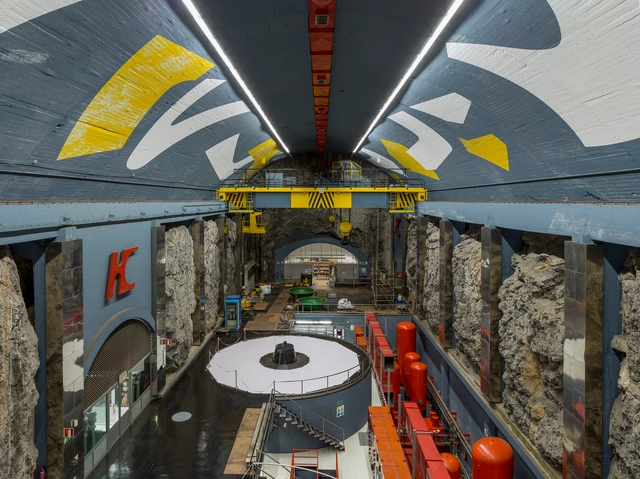
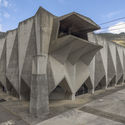
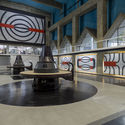
On February 15, the exhibition ‘Joaquín Vaquero Palacios. The Beauty of the Colossal. Asturias, 1954-1980’ opened at the Museo ICO in Madrid. Curated by Joaquín Vaquero Ibáñez and organized by the Fundación ICO, the exhibition is sponsored by the Fundación EDP.
Joaquín Vaquero Palacios (Oviedo, 1900—Madrid, 1998) was an architect, painter, and sculptor. He studied at the Madrid School of Architecture (1921-1927), where his professors introduced him to the architecture of the Modern Movement. There, he witnessed firsthand how industrial architecture served as a rich source of inspiration for architects like Walter Gropius and Le Corbusier, offering a promising arena for the application of rationalist principles and concepts.
.jpg?1534952868 "© Sandro Maino + Claudia Torres")
.jpg?1534953051 "© Sandro Maino + Claudia Torres")