Some symbols transcend language barriers, easily recognized and understood across different cultures—such as restroom icons, the medical cross, and, more recently, the universal Wi-Fi symbol. Among these ubiquitous graphics is the "recycling" logo, conceived in 1971 by architect and designer Gary Anderson while he was a student at the University of Southern California. The symbol features three clockwise arrows forming a triangle, representing industry, consumers, and recycling, respectively.
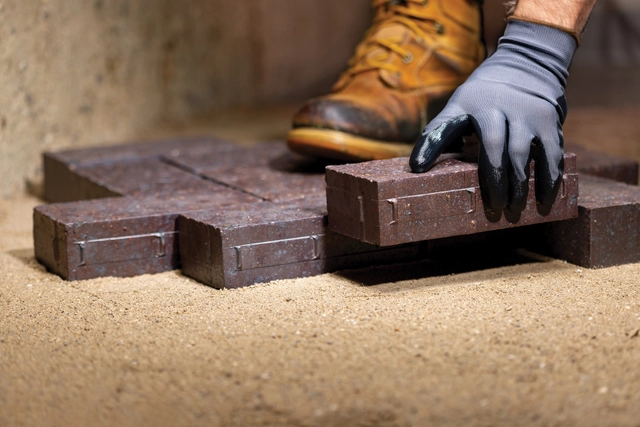
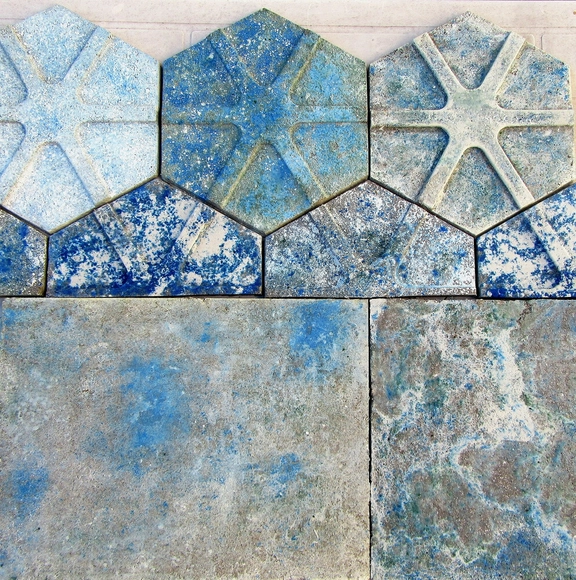
Reintegrating what is typically discarded as waste back into the production cycle is a core tenet of the circular economy. This concept is particularly relevant to the construction industry, which has historically relied on resource extraction and destruction to sustain itself. Because the brick is synonymous with building anew, nothing embodies the circular concept quite like it. Innovators have risen to the challenge, devising solutions that transform waste into high-value resources, producing building blocks from raw waste materials ranging from seaweed and plastic to human hair. These innovations not only address pressing environmental concerns but also fundamentally redefine how we construct and inhabit our spaces. In this article, we highlight seven initiatives turning waste into valuable building blocks.