Publishing architecture is necessary for the discipline itself to be understood as such. Without it, architecture becomes an endeavor devoid of public inquiry, confined to private practices. Yet its presence opens up a field that translates a material language into a written one, reformulating the discourses emerging from this arena. Among the “smallest” of these publications are fanzines—mediums that arise from a desire for self-management and low-cost, small-run production, capable of adapting to diverse content, whether in the form of a booklet or simply folded paper.
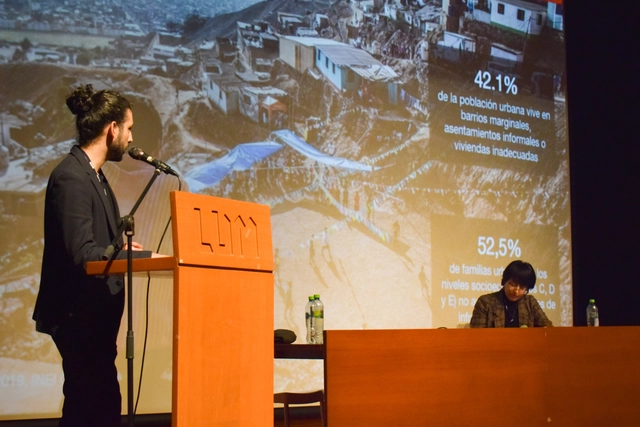
The playful potential of the fanzine has sparked growing popularity in Chile, culminating in its inclusion in the XXI Chilean Biennial of Architecture and Urbanism in 2019. Although awareness of this medium predated this event, there is still a gap in understanding its characteristics. This necessitates asking simple, almost naive questions about the specific conditions of its production—discussions that ultimately reveal an invisible network woven among individuals who, without knowing it, were already connected.