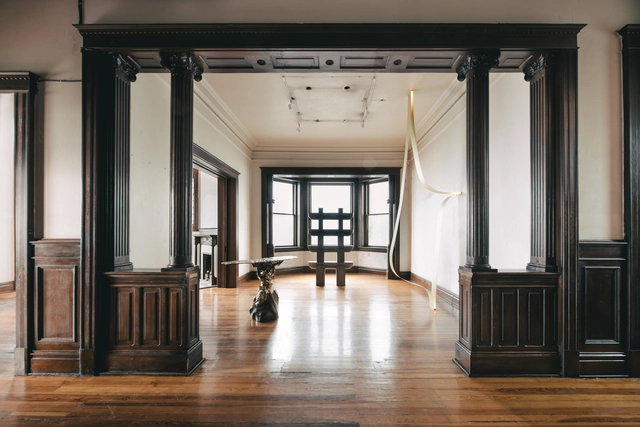
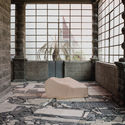
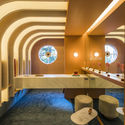
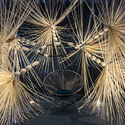
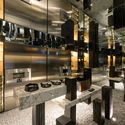
As part of the cultural programming of the Mexico City-based art gallery, MASA presents the exhibition Recover / Uncover, a space featuring unique and limited-edition pieces by designers and artists whose work seeks to challenge labels. In doing so, MASA celebrates contradiction as a reflection of an ongoing process of self-definition and evolution over time, presenting objects as tools for life and contemplation.
In early October, a new space opened in Mexico City under the name Design House at Público Coworking, showcasing a series of interventions that integrate disciplines such as design, architecture, and interior design. Over the past ten years, Design House has presented cutting-edge concepts from more than one hundred participating firms across various venues, collaborating with showrooms on the Design Route (Ruta del Diseño) that provide the pieces and accessories featured in the diverse installations.
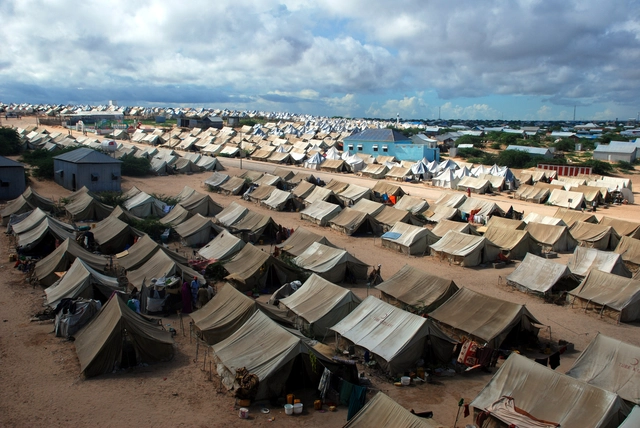
Currently, most global citizens have been directed into lockdown due to COVID-19. After spending more than two months under these circumstances, two broad reflections emerge—regardless of the personal challenges faced by each household. The first is that we might adapt and live in relative harmony within our living spaces; the second is that our living space may not be adequate for our comfort. We will delve into this second point to empathize with vulnerable populations who choose to abandon their lives in one place to migrate toward better opportunities, and to examine how architecture addresses—or fails to address—the migration emergency.
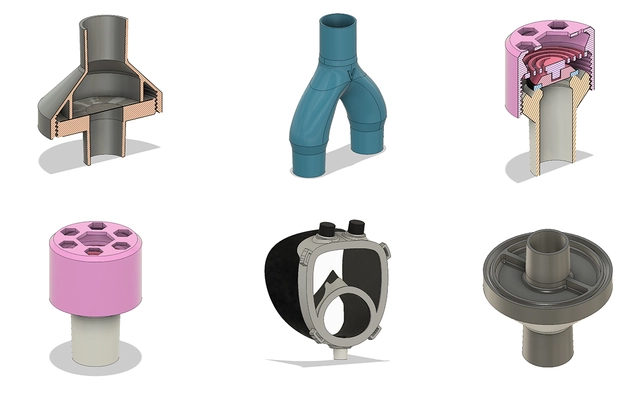
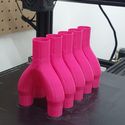
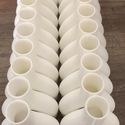
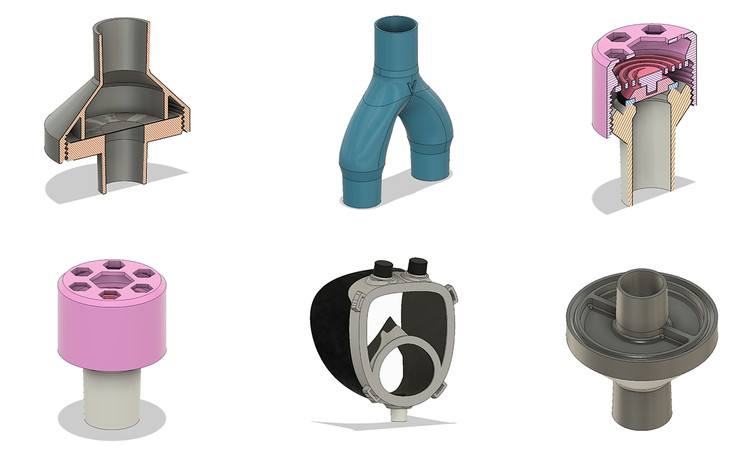
As part of an initiative by Makers México, a group of nearly 300 creative professionals from various fields continues to come together to address the COVID-19 pandemic. Architects such as Juan Carlos Baumgartner and Michel Rojkind, along with designer Ariel Rojo, have joined this effort to contribute in various ways, creating 3D-printed parts to be donated to hospitals across the country. Currently, they are working on a splitter—which allows two patients to be connected to a single ventilator in the event of a shortage—protective masks for doctors and patients, as well as other components to complement their operation.
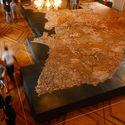
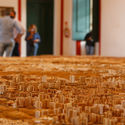
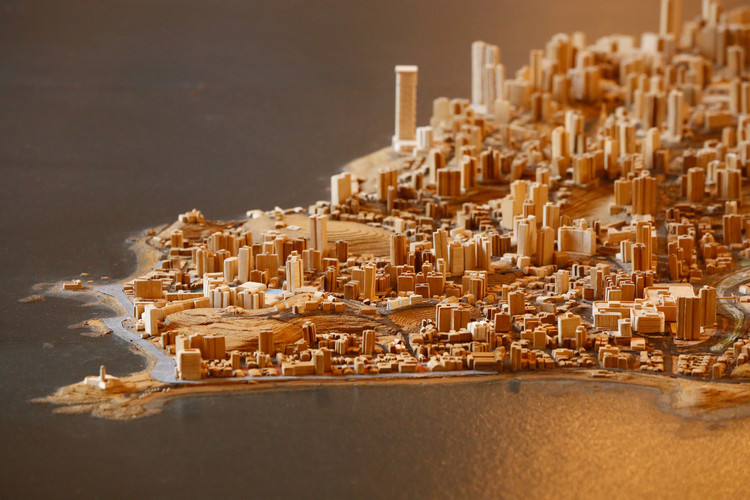
On August 20, the landmarking process began for the scale model of Salvador, which is currently on display at the Associação Comercial da Bahia in the state capital [1]. The model, which will remain open to visitors by appointment until September 18, 2020 [2], was first conceived in the early 1970s by architect Assis Reis. Since then, it has been continually updated by a team of craftspeople from the Salvador Municipal Government to represent the city's urban changes, thus preserving the original vision behind its creation.
The government-mandated lockdowns in response to the COVID-19 pandemic—and, in some cases, the fear of going outside—have recently underscored the value of domestic space, transforming it into the stage for the most evident and characteristic human actions and reactions within a capitalist and patriarchal system.
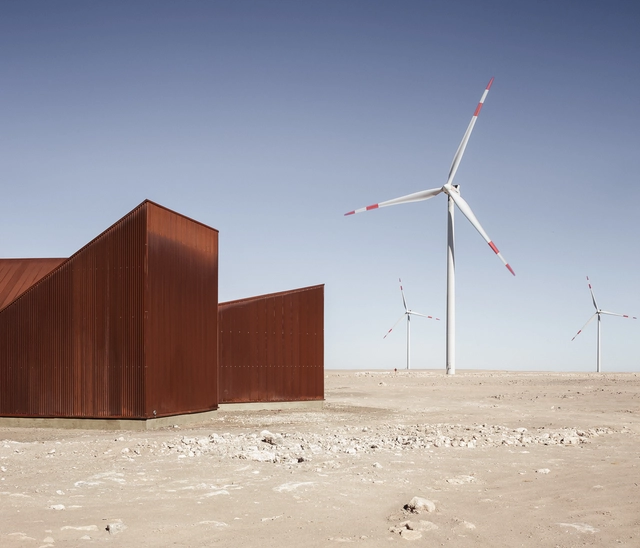
"The hardest thing in architecture is building in the desert. It is terrible, there are no references," Álvaro Siza once remarked. Paradoxical as it may seem, complex site constraints are often the starting point for architectural reasoning. Dealing with steep slopes, significant pre-existing structures, or endemic vegetation might initially seem like an obstacle to the creative process, but in many cases, this very confrontation is what makes a project unique and anchors it to its site.
Brick stands as one of the defining materials of Latin American architectural culture. The diversity and versatility of this masonry unit have led to a wide array of uses and applications. Whether chosen for economic or aesthetic reasons, exposed brick—left unfinished and without exterior cladding—is widely used across the region's designs, showcasing the rich textures and tones inherent to the material.
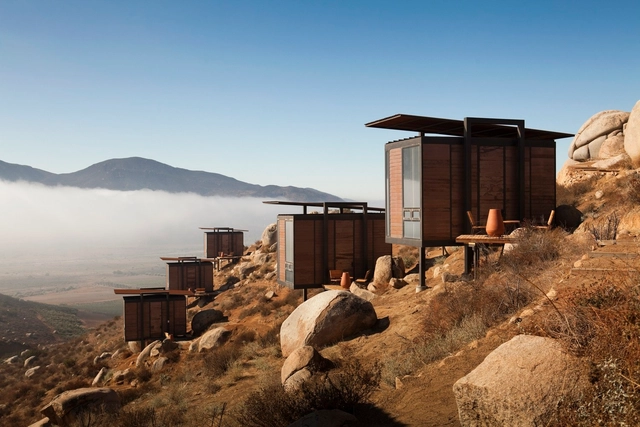
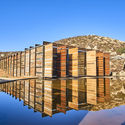
Located in the country's northwestern region, the state of Baja California Norte borders California (in the United States), Sonora, and Baja California Sur (in Mexico). Along with Baja California Sur, these are the only two Mexican states flanked by the Pacific Ocean to the west and the Sea of Cortez to the east, harboring some of the most breathtaking landscapes and coastlines in the country.
What is architecture's share of the blame for climate change?
It was with this very serious question that we decided to open the debate with our readers, and the volume of responses received was impressive. After reading and compiling the comments sent by construction industry professionals, students, and interested individuals, we concluded that architecture schools rarely discuss the physical properties and characteristics of materials, let alone their embodied energy.
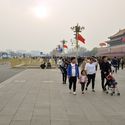
From my hotel room, it was possible to see the roofs of the Forbidden City, though only as a faint shape through the haze blanketing the landscape. Beijing (or Peking, depending on the language or spelling) is one of the most polluted cities in the world, covered by a constant smog produced not only by automobiles—which account for 70% of the city's air pollution—but also by factories, coal-fired power plants, and sandstorms from neighboring regions. It looked like a cloudy day, but in reality, there was not a single cloud in the sky.
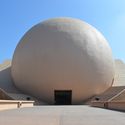
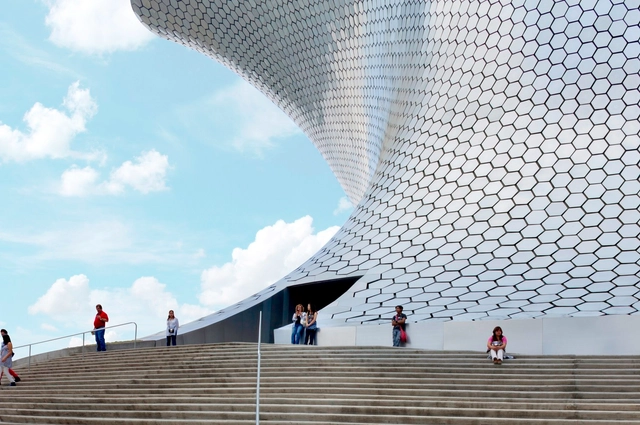
Soumaya Museum / FR-EE / Fernando Romero Enterprise. Image
While virtual reality is not a new tool, its adoption across various industries has been gradual. In the architecture and cultural sectors, virtual tours have become increasingly common, offering a much broader perspective of spaces and—in the case of art—their relationship with the exhibited works. Various efforts have been made to promote this spatial mapping, closing the gap between cities, countries, and continents. A prime example is the Google Arts & Culture project, which features a library of 4,500 institutions that can be explored virtually.
If quarantine has brought anything positive to the lives of many people around the world, it is the opportunity to shift our daily routines and immerse ourselves in new activities for which we previously had neither the time nor the energy. Learning and gaining deeper knowledge in topics that interest us or relate to our professional work is one of these opportunities.
Many organizations and companies linked to the architecture and construction industries are enhancing their digital presence through webinars that offer in-depth insights into their tools and products, allowing them to stay connected with their professional communities. We invite you to explore this list of free webinars available over the coming weeks. With any luck, you will find one that fits your latest project!
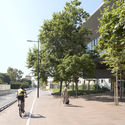
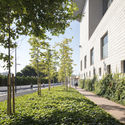
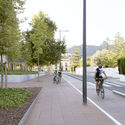
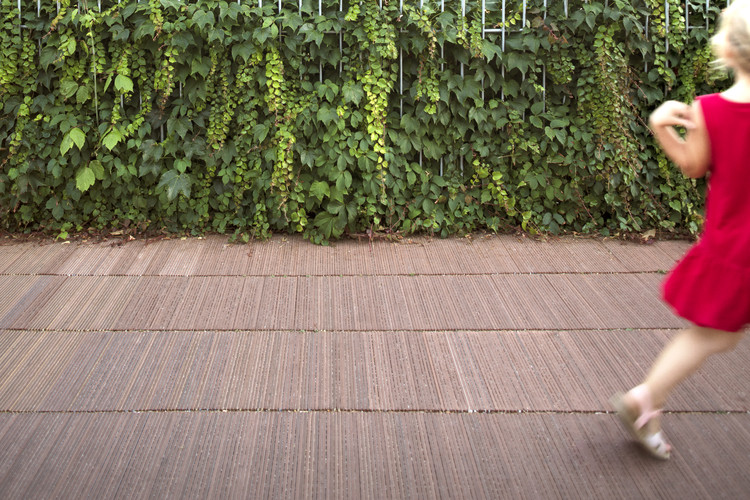
LIFE CERSUDS (which stands for Ceramic Sustainable Urban Drainage System) is a proposal developed within the framework of the LIFE program—the European Union's funding instrument for the environment and climate action. It is a sustainable urban drainage system (SUDS) that utilizes low commercial value ceramic material as a filtering paving system to improve cities' adaptive capacity to the climate crisis.
This initiative was implemented as a demonstrator project in the town of Benicàssim, Spain, by architects Eduardo de Miguel and Enrique Fernández-Vivancos of the Valencia Ceramic Chair. They present the project in detail below.
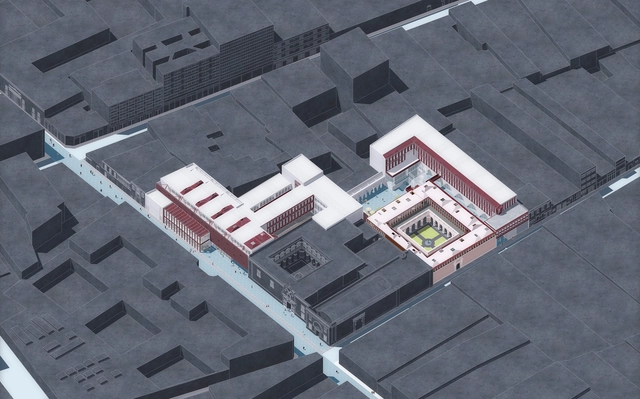
To showcase the valuable work emerging from Peruvian universities, we held the second edition of our open call for students, inviting them to submit their graduation projects completed in 2019.
Architectural firms have been deeply questioning the future projections reshaped by lockdown and the new dynamics of how the city and territory are experienced. On this occasion, ruta4 taller from Pereira, Colombia, presents their perspective on how the profession is practiced in the country and their shift toward a more participatory practice for the benefit of local communities. The Pereira-based architecture studio has built exemplary collaborative projects, such as the taller de Urbanautas and the Casa Ensamble Chacarrá, demonstrating through experience that empathetic architecture is a highly viable approach.