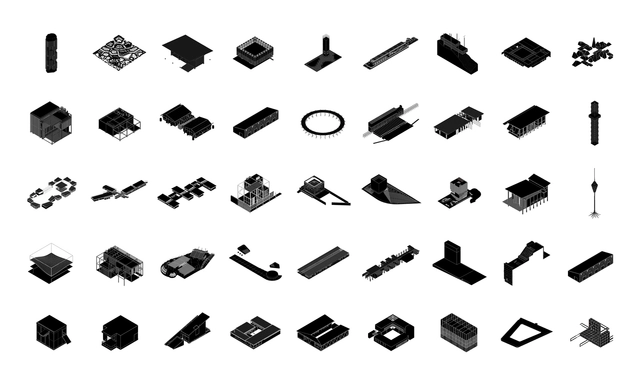
"I'm an architect... now what?" must be one of the most common questions for any recent graduate holding an architecture degree. Over the years, many will find jobs in different industries that do not necessarily involve working in an office designing and building buildings.
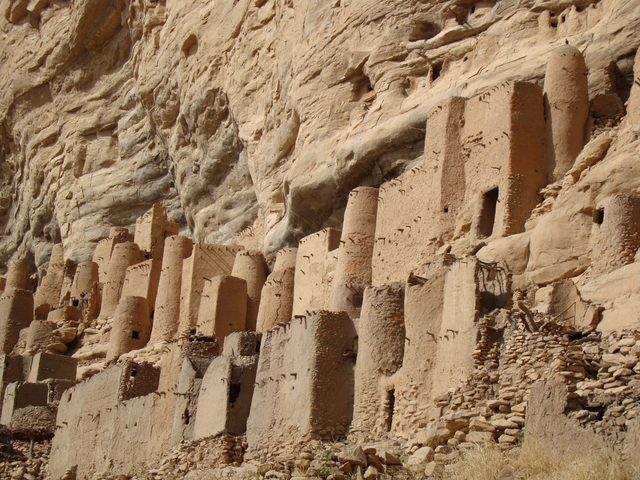
We visited “Dogon Country” in Mali (latitude 15°N) in 2008 to observe how vernacular “Dogon” architecture (a UNESCO World Heritage site) has achieved the counter-form of lived experiences. We were looking for the coherence between society and dwelling through architecture and urbanism in another dimension and another culture.
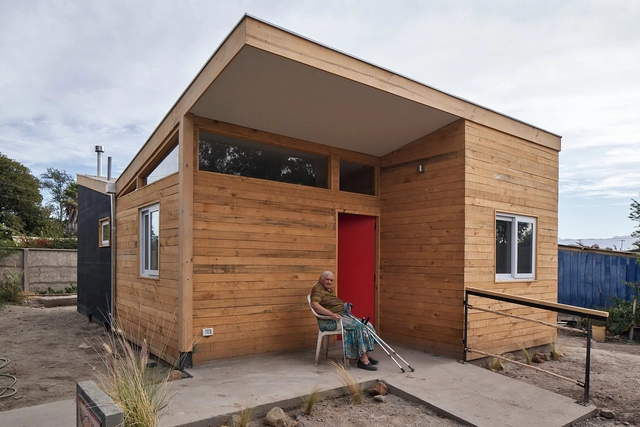
Throughout its history, CHC has participated in and supported social projects that improve the quality of life of their residents, while constantly seeking to establish new and better standards that contribute to the construction of spaces. In this particular case, the project led by architect Jaime Ovando integrates public funds through Chile's Habitabilidad Program and the Illustrious Municipality of Paine, along with private contributions from building material companies, the architecture firm, and the construction company, including CHC.
Thinking about the present and future of older adults is essential to improving the population's quality of life. According to the United Nations study on world population prospects, by 2050, it is estimated that 32% of Chile's population will be over 65 years old. According to data from the 2017 National Socioeconomic Characterization Survey (CASEN), 22.1% of older adults in the country live in multidimensional poverty. The connection between architecture and social commitment develops a strategy to combat vulnerability in this demographic.
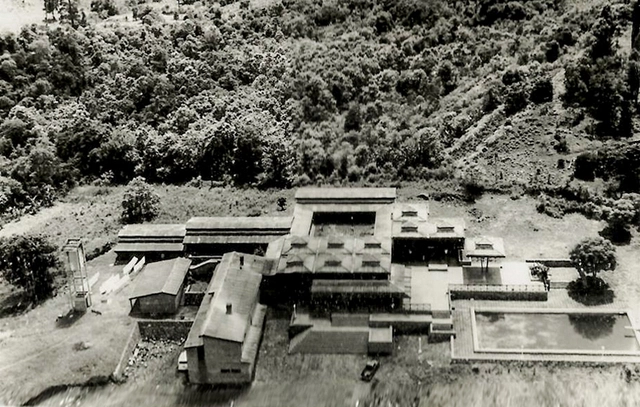
Cortesía de Museo Cooperativo de la ciudad de Eldorado
For several years, the global context of energy and ecological crises has resonated across various disciplines, and architecture has been no exception. Consequently, a crucial question arises: how do our buildings help mitigate these issues? In this context, the global architectural scene has been flooded with buildings addressing these challenges through heavy technological dependence. In their bid to tackle environmental problems, some have forgotten that architecture can offer a synthetic response through an understanding of place and the deliberate manipulation of form, matter, and energy.
To honor the life and work of architect Armando Franco—who passed away last June at the age of 100—Clásicos Mexicanos presents the book Armando Franco COLECCIÓN COFRAN (1955-2022). This publication, the result of extensive research by the Clásicos Mexicanos team, brings together biographical data, plans, sketches, designs, and photographs of the most iconic works from the career of Franco, one of the most original and enigmatic Mexican modern architects of the 20th century.
https://www.archdaily.com/1131938/clasicos-mexicanos-presents-the-book-armando-franco-cofran-collection-1955-2022ArchDaily Team
This July 11 marks World Population Day, an annual event established by the United Nations Development Programme (UNDP) in 1990 to raise awareness of global demographic issues. This is a critical issue today; not only is the global population projected to reach nearly 10 billion by 2050, but the latest UN-Habitat reports estimate that, by then, two-thirds of the world will live in cities.
Every year, World Population Review assesses urban growth and the number of residents living in metropolitan areas to understand global development trends. While the list of the 20 most populous cities in the world features recurring Asian hubs like Tokyo, Delhi, and Shanghai, it also includes several Latin American metropolises such as Sao Paulo, Mexico City, and Buenos Aires. Consequently, we have compiled a list of the ten most populous cities in Latin America to understand their growth and role in the global context.
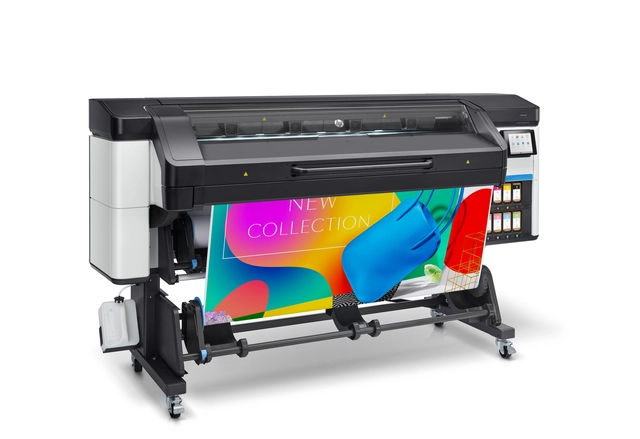
Delivering productivity levels up to 50% higher than previous models, HP introduces its new range of HP Latex large-format printing solutions. The series consists of four devices—the HP Latex 700 and 800, and the HP Latex 700W and 800W—introducing white ink printing to this category for the first time. Print jobs executed by this new series will not only deliver brighter colors and finer details, but will also do so at even faster printing speeds, reaching up to 36 m2 per hour.
With more than 11,000 years of history, brick is one of the oldest building materials. In fact, replacing sun-dried mud blocks, the Romans were the first to experiment with fired clay masses in new structural forms such as arches, vaults, and domes. Although the dimensions and manufacturing methods of this small module have evolved over the years, its components and classic rectangular shape have undergone few changes, especially considering its long history. The reason is simple: with its warmth, versatility, and outstanding structural properties, brick is a timeless material that never goes out of style.
Is there a future for our cities if we do not adopt a sustainable way of life? For some time, urban sustainability has been approached more from the perspective of climate change than from a holistic vision that integrates society and how we live as a community.
What new ways of living are we experiencing amidst today's social, economic, and ecological shifts? We must bring to the table the various reference cases emerging around the world to understand the latest trends in how we inhabit our cities.
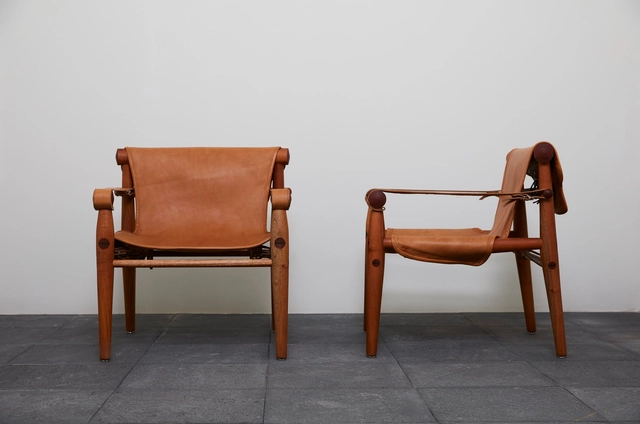
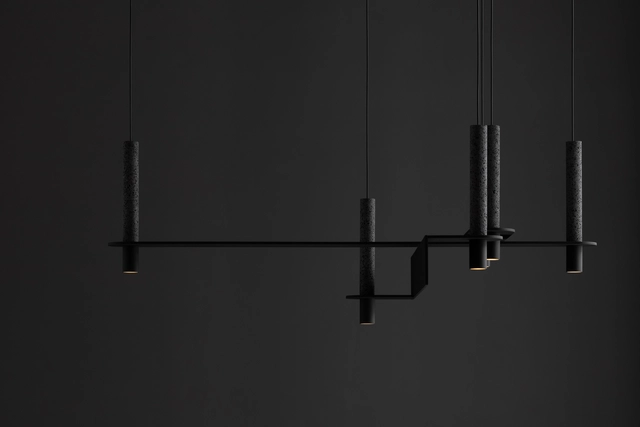
Founded in 2013 and based in Mexico City, David Pompa is a studio comprising designers, engineers, and makers established in Mexico and Austria. David Pompa grew up in both countries and studied product design in London. Over time, the studio has shown a strong interest in traditional materials and techniques, maintaining a commitment to Mexican culture since its inception—a dedication reflected in the creation of aesthetic and accessible design objects. On this occasion, they are presenting a new collection for Milan Design Week 2022 on Via Simone Saint Bon as part of Fuorisalone from June 5 to 12.
1 and 3. Via Poema del Ángulo Recto. 2. Courtesy of Perspectivas: Revista Científica de la Universidad de Belgrano
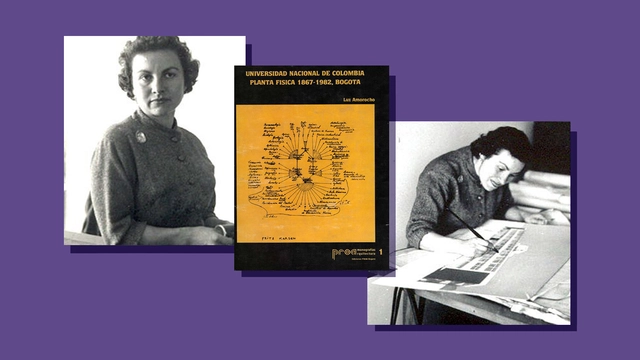
As the first female architect to graduate in Colombia, in 1945, María Luz Amorocho Carreño is a prominent figure in the country's architectural field. Throughout her career, she approached the profession from diverse fronts, ranging from teaching and public and private design to writing and criticism, most notably for the journal *Proa*. Over a career spanning more than 40 years, she steadfastly championed her ideals within a shifting context focused on achieving modernity, setting a precedent for future generations of women architects. An analysis of her work and legacy offers a window into the diverse roles of the architect, spanning from drafting and construction to research and project management.
While online stores have existed since the democratization of the internet in the late 20th century, the pandemic has marked a turning point in the evolution of e-commerce. In response to mobility restrictions and lockdowns, businesses of all scales were forced to embrace digital transformation, saving time and, in some cases, reducing costs. Furthermore, as more consumers discover the convenience of home delivery, online shopping is likely to continue growing even in the post-pandemic era.
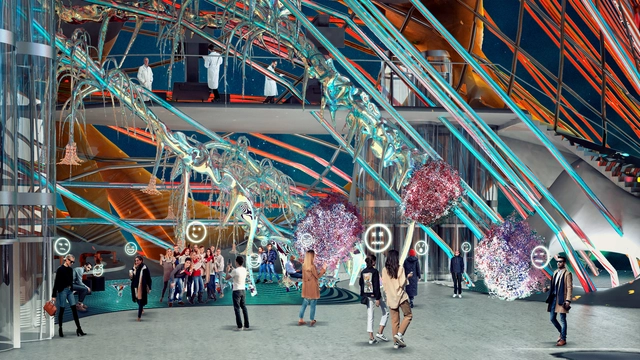
El poder de la Data - Render interior conceptual. . Image Cortesía de Online Lab of Architecture (OLA)
From NFTs and the Metaverse to the productivity benefits of real-time rendering, this year presents a prime opportunity to discuss the latest trends in visualization.
With this in mind, we want to open the debate and hear your thoughts on the following questions: How much can we learn from other related industries such as cinema, video games, and industrial design? How can architecture contribute to and advance the world of visualization?
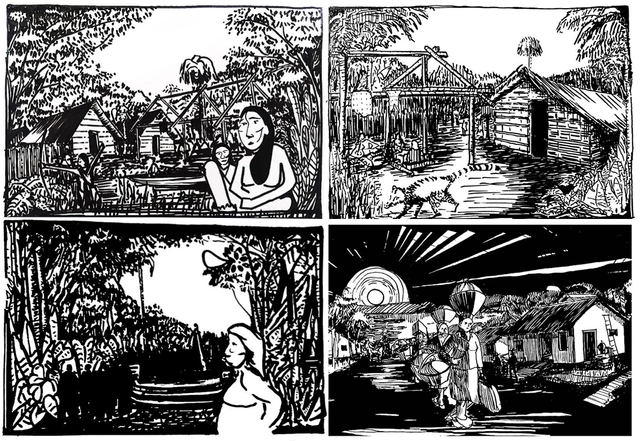
A mano alzada: paisaje y dibujo en la provincia de Misiones. Image Cortesía de Sebastián Galarza
Since the 15th century, the territory of Misiones, Argentina, has witnessed the constant passage and local overlap of a vast number of highly diverse cultures. Indigenous Guaraní, Spanish conquistadors, Jesuit missions, Paulist bandeirantes, people from the Republic of Entre Ríos and later the Province of Corrientes, Paraguayans, Brazilians, and, finally, a sweeping influx of European immigrants fleeing the world wars make up some of the layers of its immeasurable cultural fabric.
https://www.archdaily.com/1131931/freehand-landscape-and-drawing-united-in-sketches-of-misiones-argentinaElías Barczuk Pasamán y Sebastián Galarza
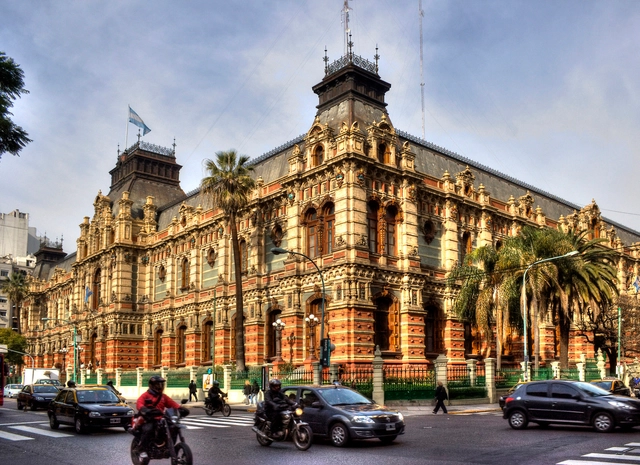
via Wikipedia user: HalloweenHJB. Licensed under CC BY-SA 3.0. Image author: HalloweenHJB
On the path toward poverty reduction, economic growth, and environmental sustainability, both water and sanitation measures play a fundamental role, demonstrating the importance of access to a resource like water in people's lives. To mark World Water Day, celebrated every March 22, we present the Palacio de Aguas Corrientes (Water Company Palace) in Buenos Aires—one of the greatest creations of the 19th-century European foundry industry outside Europe, combining art and engineering in a unique Argentine work declared a National Historic Monument in 1989.
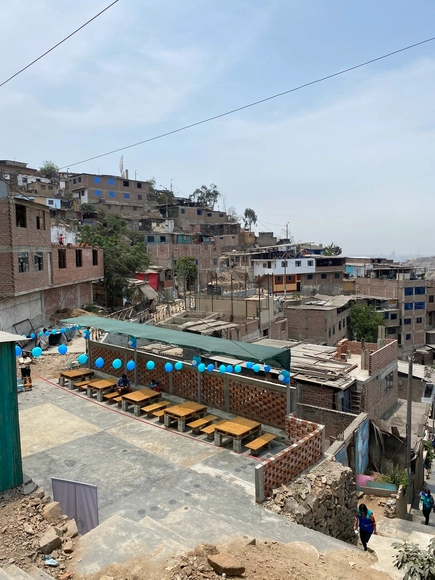
DIT Project: "Building a Space for Children." Image via Equipo Proyecto DIT (Gian Franco Pedreschi Rubio, Sergio Iván Puch Olivos, Jhordano Jesús Alfredo Zabanick Uriol)
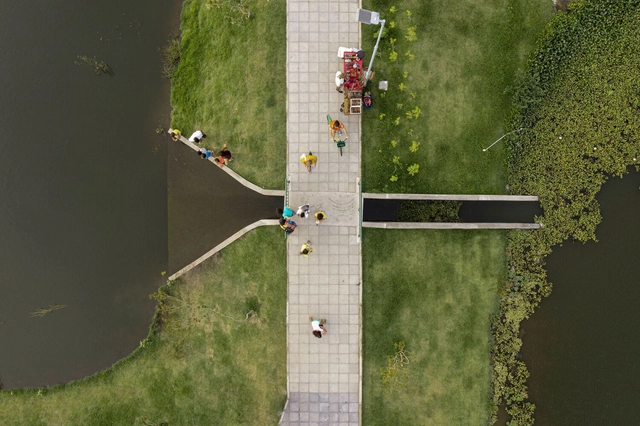
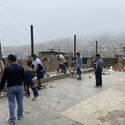
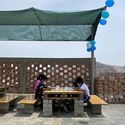
In Peru, communal kitchens (ollas comunes) are self-managed neighborhood initiatives located in vulnerable areas. Driven by the food and educational insecurity triggered by the pandemic, these spaces have assumed a vital role in child development, transforming themselves into neighborhood schools. Within this context, "DIT: Building a Space for Children" emerged—a project selected for the XII Ibero-American Biennial of Architecture and Urbanism. Through this initiative, architects Gian Franco Pedreschi, Sergio Iván Puch, and Jhordano Zabanick, together with the community of the AA.HH. Horacio Zevallos, intervened in the public space adjacent to a communal kitchen in the Rímac district, improving the residents' quality of life.
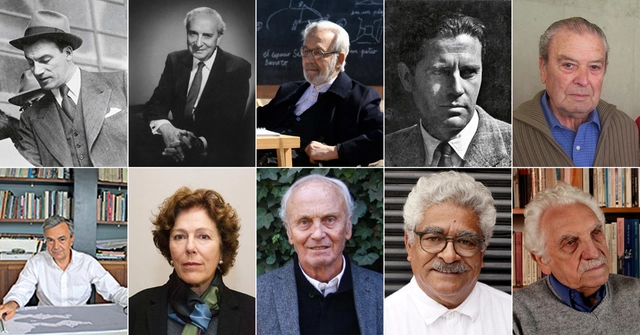
The National Architecture Award of Chile is presented by the Colegio de Arquitectos (Architects Association) to recognize "a lifetime dedicated to the service of architecture," according to the organization. First awarded in 1969, the inaugural recipient was Juan Martínez, architect of landmark projects such as the Law School at the University of Chile and the Votive Temple of Maipú.
El colectivito - Cincuenta concursos. Image Cortesía de El colectivito
El colectivito came into being about five years ago. Lacking both a name and a defined shape, it brought together, in an almost casual way, a group of students interested in critically reflecting on architecture and territory. Its name ironically references the historical moment of its birth: it views itself as just one of countless architectural collectives, adopting a diminutive suffix to reflect its awareness of its own budding development. Today, it serves as a meeting space where architects and architecture students from the province of Misiones, Argentina, share and discuss interests and concerns regarding the architectural culture of the unique region they inhabit.