As a tribute to Mexico's rich and diverse chromatic palette, the Museo del Objeto del Objeto (MODO) presents its new temporary exhibition: “Mexico in Color,” curated by Ana Elena Mallet and Mariano Marroquín. The exhibition offers a cultural review of color perception in Mexico and its impact on art and design. One of the first experiences visitors will encounter is the conceptualization of color in folk art to forge identity. Subsequently, this element is adopted as a defining feature in the arts and, ultimately, as a driving force for the country's modernization.
From September 30 to October 7, Madrid will be the featured capital of the 16th Architecture Week 2019, organized by the Official Association of Architects of Madrid (COAM) through the COAM Architecture Foundation.
As a member of the Urban Design Expert Committee of the Ministry of Housing and Urban-Rural Development, I strongly urge an immediate increase in architectural and urban design fees. This is a matter of utmost urgency, for several key reasons:
1. The current fee structure is a relic of China’s era of rapid, large-scale incremental construction, when design work focused primarily on spatial capacity and fees were strictly tied to project scale. Today, however, almost all cities have entered the era of existing urban stock. Moving forward, as the focus shifts to urban renewal, design work can no longer be mass-produced. Instead, architects must tackle an immense volume of bespoke, custom-tailored projects. Consequently, traditional fee metrics are completely out of sync with the actual workload;
2. The flaw in traditional fee calculation methods is that when project scales shrink and design complexity increases, the upward adjustment coefficients for fees remain far too low. This is especially true for small-scale projects and renovations, which are incredibly time- and labor-intensive. Architects are essentially working at a loss, driven solely by passion. This leads to the absurd reality where years of design fees might not even equal the cost of a single tree. It is truly tragic when human value is deemed worth less than material objects;
3. While the state encourages urban design—the essence of which is fostering urban diversity—achieving diversity requires architects and urban designers to invest significantly more time and labor into custom, site-specific solutions. Without a fee mechanism adapted to this level of customization, how can we support their creative work? While passion might sustain a single project or a brief moment, only a proper mechanism can ensure fair and sustainable practice. The so-called "cookie-cutter" urban landscape is, in reality, the product of a cookie-cutter fee structure.
In short, transforming Chinese cities begins with raising design fees!
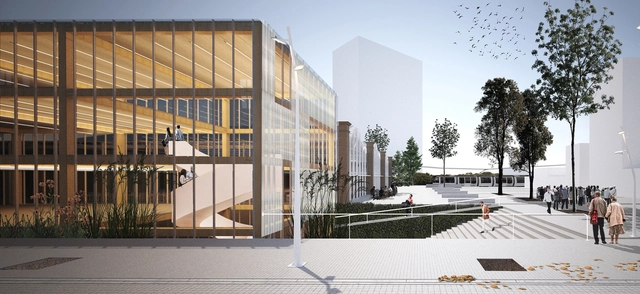
Cortesía de Paralelo Colectivo - Taller de Arquitectura
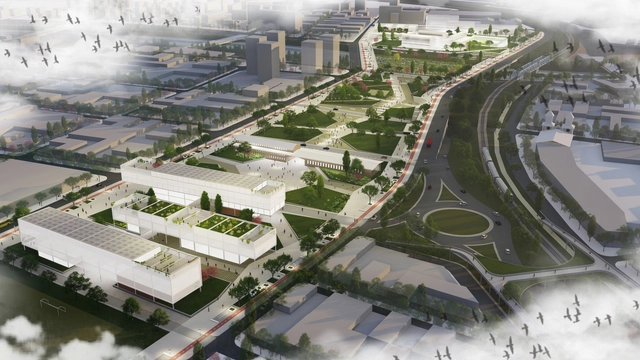
Organized by the Association of Architects of the Province of Buenos Aires – District I – and promoted by the Municipality of La Plata, the Provincial Ideas Competition “La Plata Technology District Convention Center” aims to stimulate the urban transformation of a highly potential area of the city, creating a space for creativity, technological innovation, and connection between government, academia, businesses, and institutions. Sponsored by the Argentine Federation of Architecture Organizations (FADEA), it seeks to improve citizens' quality of life, foster the competitiveness of small and medium-sized businesses, and enhance the efficiency of public administration.
The jury awarded first prize to architects Valentín Ayala, Rodrigo Ballina Benites, Luciano Del Valle, and Agustina Ronconi, members of the firm Paralelo Colectivo. Read more about the project below.
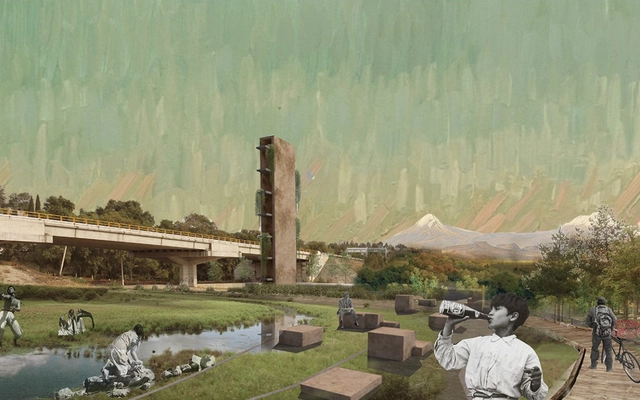
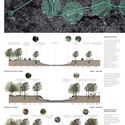
The Mexican Association of Urbanists, through its Tlaxcala chapter, called for entries for the Conceptual Preliminary Design Competition for the "Parque Integral Zahuapan 10." The competition was aimed at multidisciplinary teams in the fields of architecture and urban planning, with the goal of presenting proposals and conceptual ideas to develop a park along the banks of the Zahuapan River and revitalize its surrounding areas.
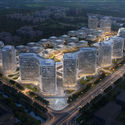
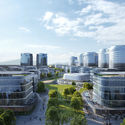
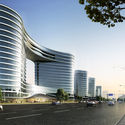
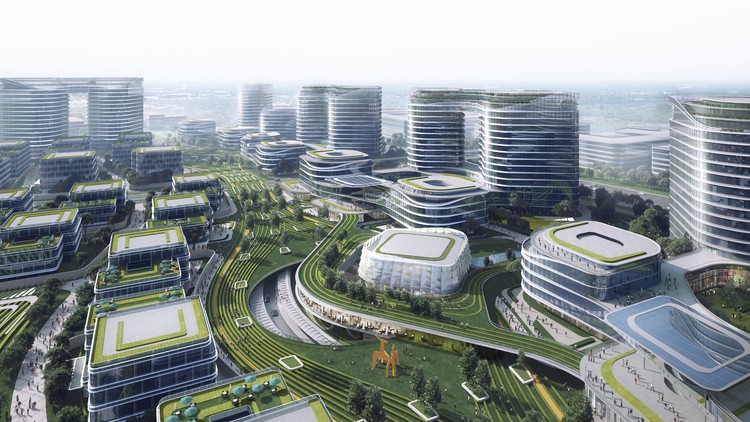
Construction recently commenced on a prominent internet company's industrial park in Hangzhou. Serving as a central hub in the enterprise’s digital ecosystem, the project will offer a one-stop office and commercial park experience for its network partners. Guided by a deep understanding of the client's vision, the design team took the corporate spirit of "shared connectivity" as their starting point, reflecting seamless partnership and brand identity through a unique master plan and architectural form.
https://www.archdaily.com/1128534/china-united-star-fang-yes-high-end-industrial-park-for-an-internet-company-breaks-ground-a-flowing-cloud-valley韩爽 - HAN Shuang
Encouraging households to adopt solar power generation is essential for a cleaner future, but investing in large-scale solar applications is what will truly shift the needle toward net-zero emissions. This is revealed by a new study from the Royal Melbourne Institute of Technology (RMIT University) in Australia.
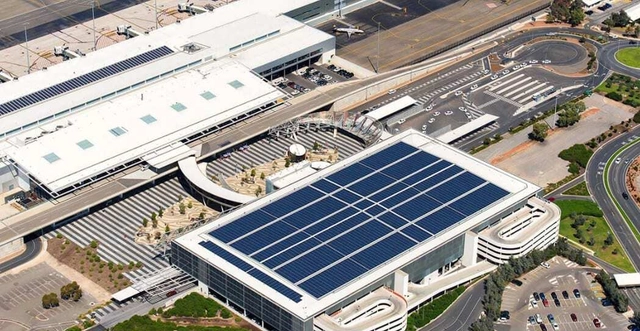
Geospatial researchers used the city of Bendigo, in the state of Victoria, to conduct the case study. They estimated the solar electricity generated over a year in the city, which has 17,000 residential solar panels. In comparison, the study evaluates the solar potential of 21 government-owned airports across Australia.
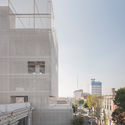
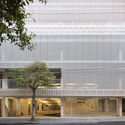
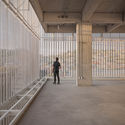
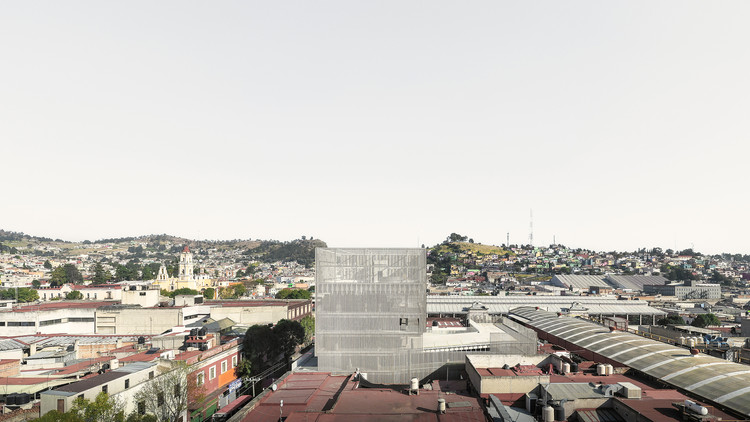
FRPO, the Madrid-based international architecture studio, presents its new mixed-use infrastructure project for the city of Toluca de Lerdo, capital of the State of Mexico. Located at the northern end of Juárez Avenue—which connects the historic district with the university area—the building aims to consolidate the scattered activity around this zone to create a new cultural, economic, and social hub at both the local and metropolitan levels.
https://www.archdaily.com/1128475/frpo-builds-mixed-use-infrastructure-in-toluca-mexicoArchDaily Team
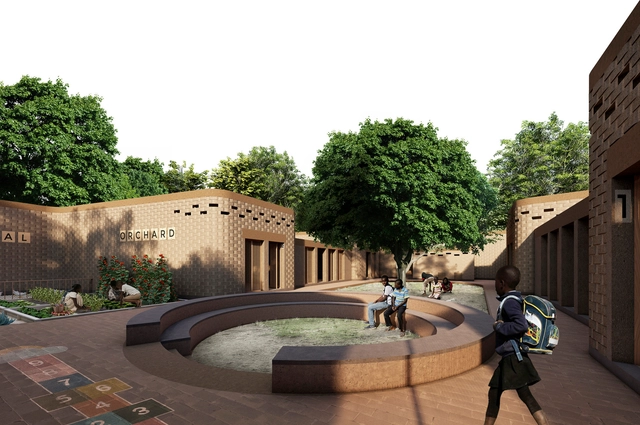
Numerous countries across Africa and Latin America share similar social contexts. One such challenge is the difficulty of accessing remote regions and poorly managed resources, which results in shortages for rural communities. A team from Colombia has won the competition to design innovative, low-cost construction techniques to replace a temporary school with permanent structures in Senegal.
The practice SOMStudio, with a team led by architects Santiago Osorio, Carlos Peña, and Mauricio Suarez, won the Senegal Elementary School competition organized by Archstorming.
We invite you to participate in the 2021 Obra do Ano Award. In its fourth edition, we are giving our readers the responsibility of recognizing and rewarding the projects that have made the greatest impact on the profession. By voting, you become part of an unbiased network of jurors recognizing the most relevant projects built in Portuguese-speaking countries over the past year. There are only a few days left to close the nomination stage, which will select the 15 finalists from more than a thousand projects.
Remember, registered users can nominate their favorite project once a day. The nomination stage ends on Tuesday, March 23 at 11:59 PM (Brasília time, GMT-3). Thank you once again for helping us democratize architecture.
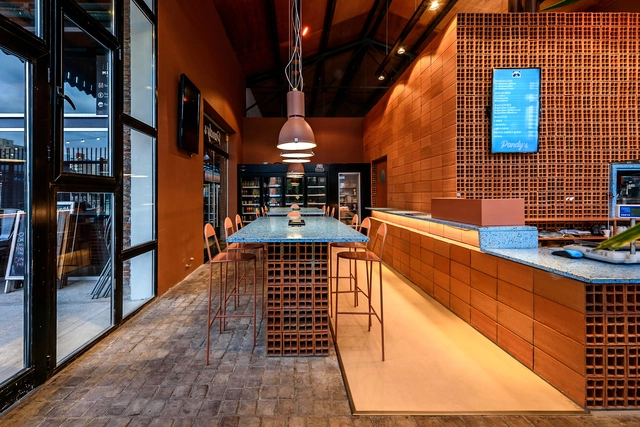
Organized by the Central Society of Architects (SCA) and the Chamber of the Red Ceramic Industry (CICER), this award aims to recognize architectural production focused on the use of ceramic masonry, as well as the work of architects in projects utilizing these materials. Featuring projects where hollow brick is the predominant material, the award seeks to promote its use as a sustainable, long-term solution in both urban and rural settings.
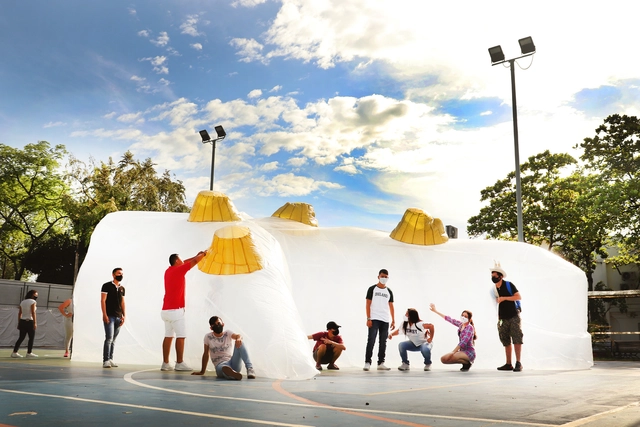
The project “Artificial Topographies: Between the Real and the Unreal” by the architecture studio Ciudad Portátil won the 2021 CLAP Ibero-American International Design Awards for best commercial exhibition or ephemeral architecture design. This temporary intervention arose from the need of a group of students at Corhuila University to carry out practical labs for their Topography course, since these activities were restricted to the university campus for biosecurity reasons—specifically, in this case, on a concrete slab within the sports complex.
Organized by the Jujuy Association of Architects and sponsored by the Argentine Federation of Architects' Organizations (FADEA), the National Ideas Competition for the Former Penitentiary Site in the city of San Salvador de Jujuy is based on reimagining a new purpose for this walled, self-contained architectural and urban complex. Once located on the city's outskirts, the site now occupies a central position within the urban fabric. The goal is to transform it into an urban element that revitalizes and links degraded sectors.
The jury awarded first prize to architect Edgardo Barone, alongside collaborators Valentín Augusto De la Fuente, Juan María Mandalari, Joaquín Mortatti Perez, and Tomas Smachetti, and traffic engineering consultants Eng. Tomás Daels and Eng. Franco P. Di Biase. Discover the project below.
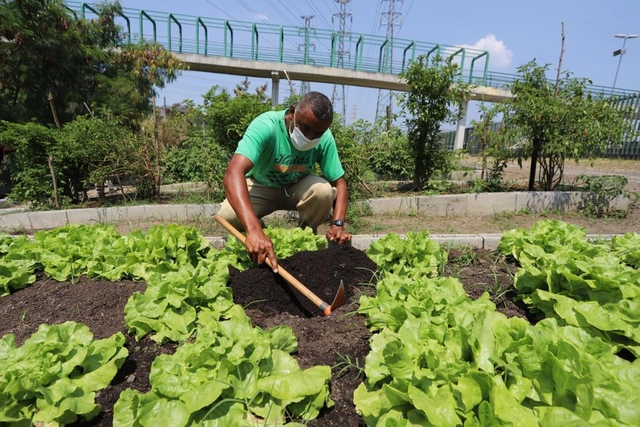
The Rio de Janeiro City Hall has announced the expansion of vegetable farming on municipal land along the Madureira Park railway line. In 2022, the area will host what is set to become the world's largest urban garden, covering 110,000 square meters.
The primary objective is to generate income and food security for 50,000 low-income families per harvest by 2024. The initiative will also establish a green corridor of vegetables running along Madureira Park to Guadalupe, in partnership with Embrapa and the utility company Light, as part of the crops will be located under the company's power transmission towers.
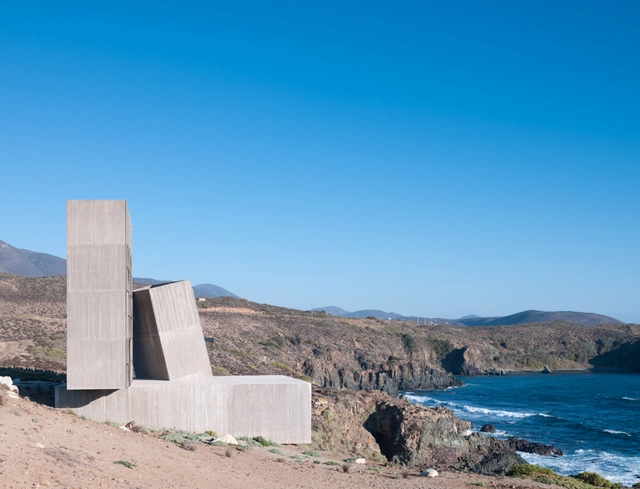
ELEMENTAL's Ochoquebradas House through the lens of Felipe Camus. Image
Arquis, the new HBO Max series about the life and work of six of Latin America's most renowned architects, has premiered. It is no surprise that the first one-hour episode features Alejandro Aravena, the Chilean architect who won the Pritzker Prize in 2016.
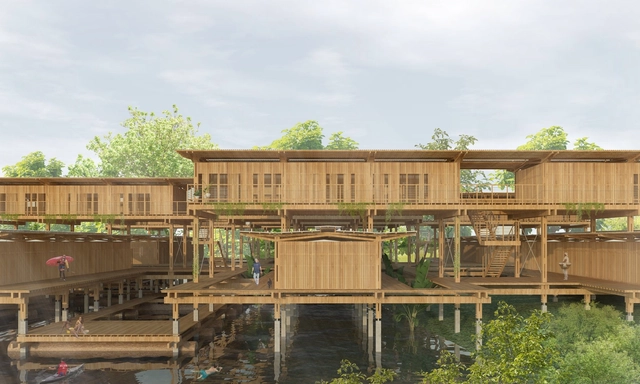
Riverside Community and Living Complex / Danielle Gregorio - Universidade de São Paulo (USP). Image via LafargeHolcim Foundation
The winners of the LafargeHolcim Awards Next Generation for Latin America have been announced. The winning projects from Brazil, Argentina, Mexico, and Colombia address key aspects of sustainability. The winners of the LafargeHolcim Awards (Gold, Silver, and Bronze) and Acknowledgements for Latin America will be announced at a hybrid event on November 13, 2021, as part of the 17th International Architecture Biennale in Venice, Italy.
https://www.archdaily.com/1128469/brazil-argentina-mexico-and-colombia-among-the-winners-of-the-2020-lafargeholcim-next-generation-awards-for-latin-americaArchDaily Team
Today, the passing of architect and academic Erich Coufal Kieswetter (Vienna, Austria; May 11, 1926 – Guadalajara, Mexico; January 31, 2021) was announced. He settled in Mexico in 1950 and was one of seven European architects who arrived in Guadalajara in the 1950s to found the first School of Architecture at the University of Guadalajara. He was responsible for teaching the freehand drawing class, aiming to improve students' skills and introduce technical drawing to the profession.
https://www.archdaily.com/1128453/erich-coufal-one-of-the-pioneers-of-the-first-school-of-architecture-in-guadalajara-mexico-diesArchDaily Team













.jpg?1612142785&format=webp&width=640&height=580)