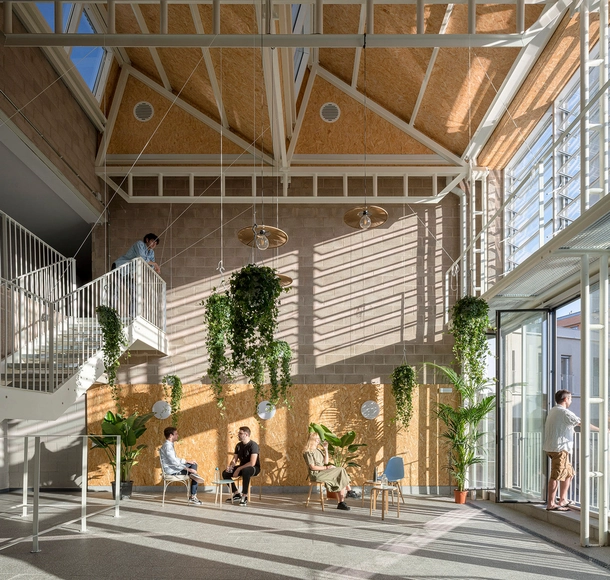
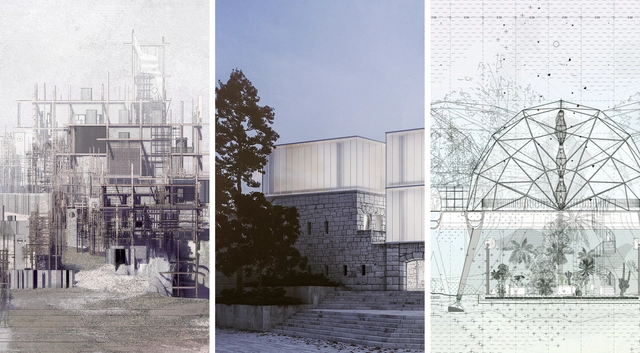
The XVI Spanish Biennial of Architecture and Urbanism (BEAU) has presented the 50 finalist proposals from its ‘Works’ call. Organized by the MITMA through the Directorate-General for Urban Agenda and Architecture, in collaboration with CSCAE and Fundación Arquia, the upcoming event seeks to reflect on how architecture can transform the future under the theme ‘Me–dio Pla–zo’ (Medium Term).
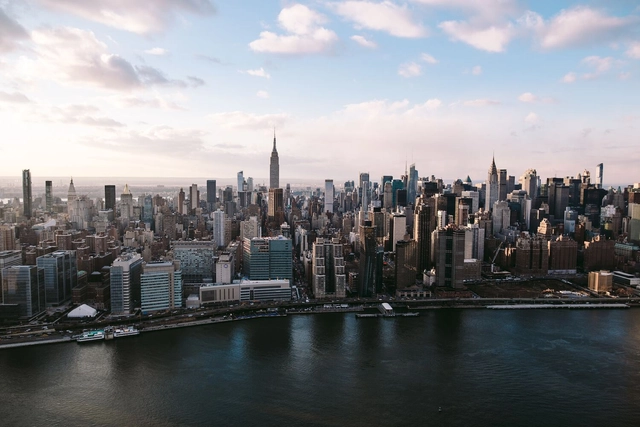
Researchers from the Graduate School of Oceanography at the University of Rhode Island have published a study showing that New York City is sinking under the weight of its countless, massive buildings. The skyscraper density of the Big Apple is increasing the risk of flooding in the city.
In addition to flooding and sea level rise driven by climate change, the risk for New Yorkers is growing because the city is sinking by an average of 1 to 2 millimeters per year, with some areas sinking at twice that rate.
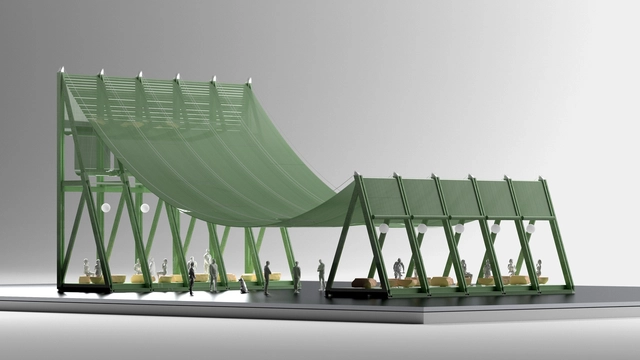
Mediterráneo de Manuel Bouzas, proyecto ganador para diseñar el pabellón de València. Image Cortesía de TAC! Festival de Arquitectura Urbana 2023
The upcoming TAC! Urban Architecture Festival announced that the two winning projects of its ideas competition are "Mediterráneo" by Manuel Bouzas and "Lost Forest" by Julia Ruiz-Cabello Subiela and Santiago Del Águila.
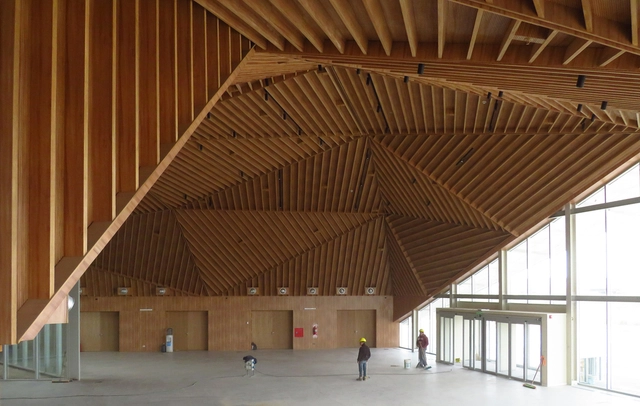
With the goal of constructing a dynamic and participatory space, the Government of the Province of Neuquén aimed to create a new metropolitan facility, seeking to promote the creation, training, and dissemination of the province's cultural scene, while also establishing itself as a productive platform for the region, as well as nationally and internationally. Bares-Bares-Bares-Schnack: Estudio de Arquitectura, Poggi-Schmit Arquitectura, and Franklin Consultora worked together to envision a spatial, architectural, and landscape model through a contemporary building that represents the aesthetic and technological criteria of the spirit of an era.
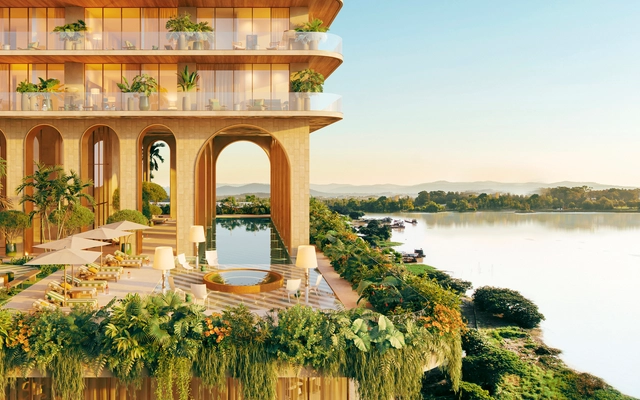
Ecuadorian firm Uribe Schwarzkopf has unveiled plans for a mixed-use project set to redefine the skyline of Guayaquil. Located in the Puerto Santa Ana neighborhood, the new YOO GYE project aims to deliver residential and commercial spaces through a design shaped by the local environment. Its interiors are designed by YOO Inspired by Starck, under the creative direction of Philippe Starck himself.
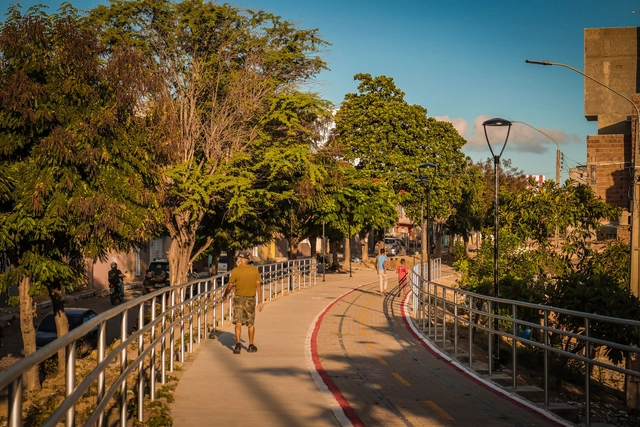
In Brazil, over 80% of the population lives in urban areas, and walking is the primary mode of transportation in cities, accounting for 39% of daily trips, according to the ANTP (National Association of Public Transport). If we consider that public transit trips start and end on foot, walking is involved in about 67% of daily journeys. Since walking is already the reality for Brazilians, what is missing? Improving urban infrastructure to make cities more "walkable."
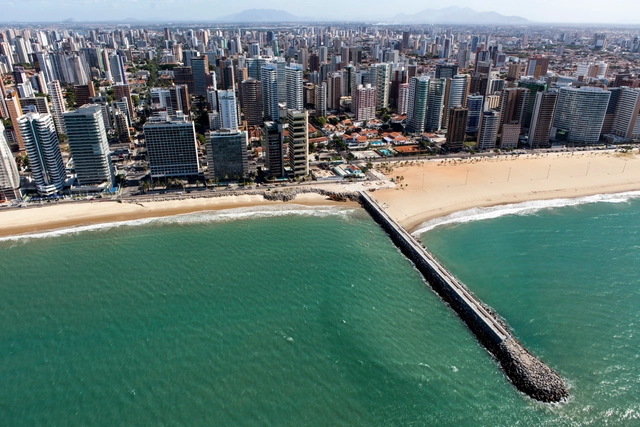
Fortaleza, Ceará. Photo: Arthur Fonseca, CC BY 3.0 BR, via Wikimedia Commons
To help celebrate World Bicycle Day on June 3, ten cities worldwide received a major boost: they were selected to receive key support for building innovative cycling infrastructure and sustainable mobility options for their residents. The Bloomberg Philanthropies initiative is called BICI, short for the Bloomberg Initiative for Cycling Infrastructure.
Fortaleza, Brazil, will receive a special prize of US$1 million. Addis Ababa, Ethiopia; Bogotá, Colombia; Lisbon, Portugal; Milan, Italy; Mombasa, Kenya; Pimpri-Chinchwad, India; Quelimane, Mozambique; Tirana, Albania; and Wellington, New Zealand, will each receive US$400,000 in funding.
The nine winning projects of the second edition of the ARQUITECTURA Awards, organized by the Superior Council of Colleges of Architects of Spain (CSCAE), have been announced. Showcasing fundamental values of architecture and urbanism—such as social responsibility, cultural preservation, and environmental sustainability—the awards received a total of 429 submissions. In the first stage, the Official Colleges of Architects and Regional Councils selected 177 proposals, which were narrowed down to just 21 finalists.
Primer Premio. Image Cortesía de Lesch Alfaro Arquitectos
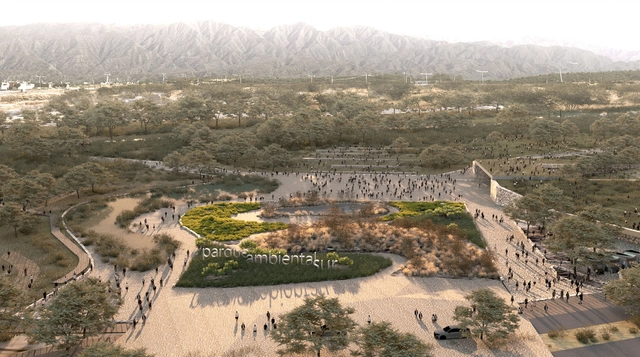
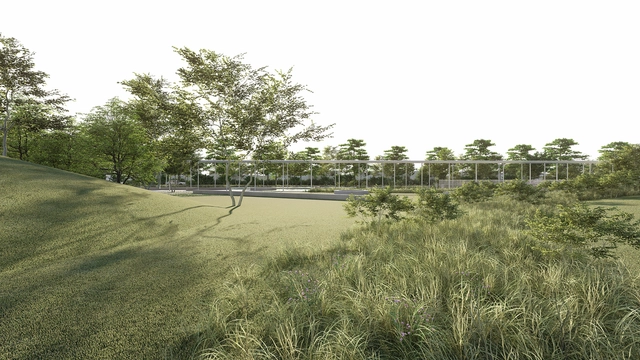
The Municipality of San Fernando del Valle de Catamarca commissioned the Catamarca Union of Architects to organize the National Preliminary Draft Ideas Competition for the Southern Environmental Park, aiming to gather innovative ideas to create the province's first carbon-neutral urban park.
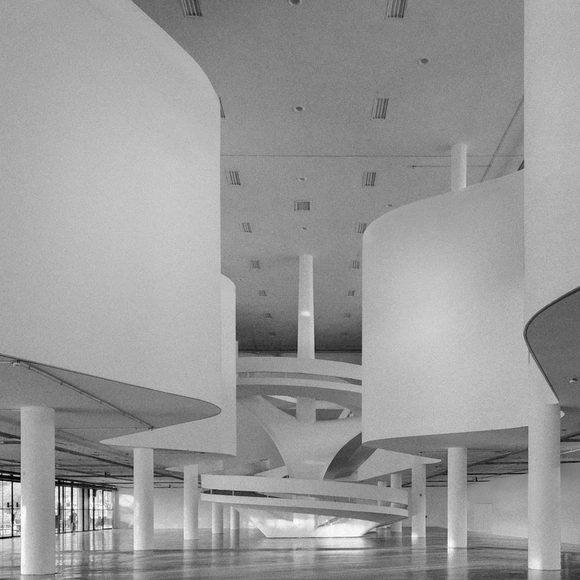
The 35th Bienal de São Paulo – choreographies of the impossible, organized by the Fundação Bienal de São Paulo and curated by Diane Lima, Grada Kilomba, Hélio Menezes, and Manuel Borja-Villel, presents the complete list of participating artists and collectives. The exhibition design for this edition is by the São Paulo-based office Vão.
The announced list consolidates the extensive research carried out by the curators into urgent issues of the contemporary world, revealing a diversity of forms, movements, and interpretations under the theme "choreographies of the impossible." Featuring 120 confirmed names, the list embraces voices from the diasporas and indigenous peoples, fostering a broader local and international dialogue.
"Peripheral Cartographies", Laura Hurley; "Valter", Dinko Jelecevic; "Eden Archipelago", María de la O Molina Pérez-Tomé. Image Cortesía de Fundació Mies van der Rohe
As part of the collateral events of the 18th International Architecture Exhibition of La Biennale di Venezia, Creative Europe and the Fundació Mies van der Rohe have announced the winners of the European Union Prize for Contemporary Architecture / Mies van der Rohe Awards 2023 in the Young Talent category. Alongside a series of debates, the awards ceremony took place at Palazzo Michiel in Venice.
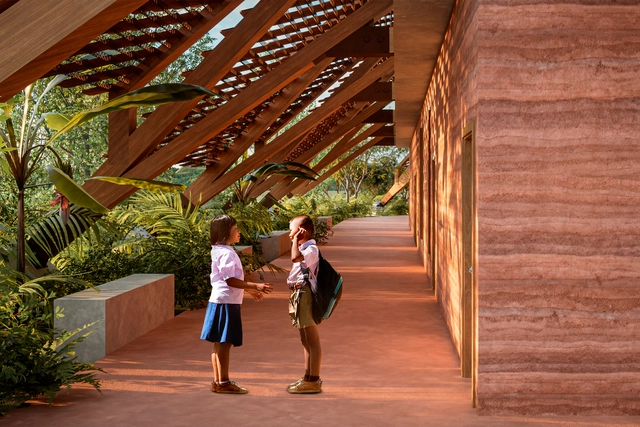
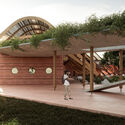
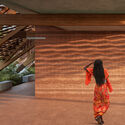
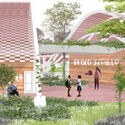
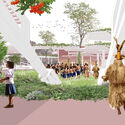
The Escuela Guaraní Mbya, designed by the Brazilian firm Studio Guimarães Rosa, was selected as a finalist in the 5th edition of the Prêmio Félix Candela, one of Mexico's premier design competitions. The contest centered on the concept of the "man of maize"—the human returning to the land. The firm proposed a rural school that equips people to return to the countryside. The guiding question for the designers was: how to return without destroying? Their answer was to learn from Indigenous peoples.
https://www.archdaily.com/1136033/brazilian-firm-is-a-finalist-in-the-5th-felix-candela-award-with-a-rural-school-project-based-on-indigenous-knowledgeArchDaily Team
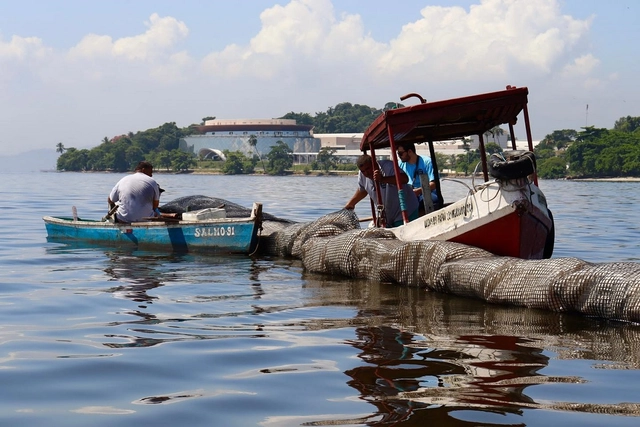
The barrier was designed and built through an exchange of knowledge between researchers and artisanal fishermen from Ilha do Fundão. Photo: Ana Vitória Villar
An experimental barrier to collect floating trash at Prainha on Ilha do Fundão, located on the coast of Guanabara Bay in Rio de Janeiro, was installed in early June by the Orla Sem Lixo (Trash-Free Shoreline) Project. The initiative aims to find a sustainable alternative for managing floating waste in coastal and adjacent marine areas, fostering a knowledge exchange between the local fishing community and researchers.
The Economist Intelligence Unit (EIU) released a new edition of its Global Liveability Index, announcing the world's most liveable cities in 2023. Vienna has topped the ranking in four of the last five years, thanks to its stability, cultural richness, entertainment options, and reliable infrastructure. Copenhagen, Denmark, held onto second place, while Melbourne and Sydney took third and fourth, respectively. These cities were regular fixtures at the top of the list prior to the pandemic.
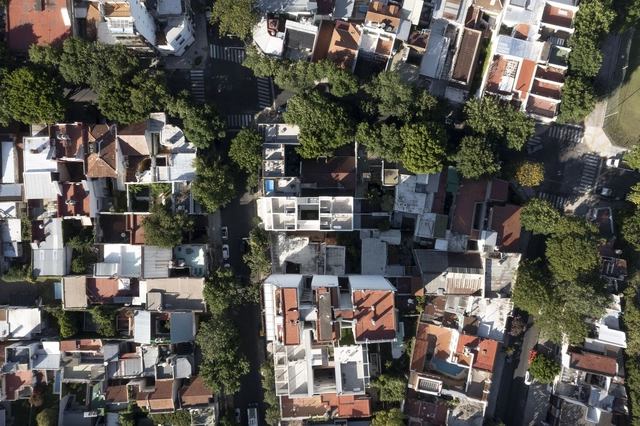
What is the situation in Latin America? Buenos Aires once again emerged as the top Latin American city to live in. Santiago, Chile, reclaimed the second-place spot it held before the social unrest, while Montevideo, Uruguay, ranked third. San Juan, Puerto Rico, followed closely with a very strong score. Conversely, Caracas in Venezuela, Aguascalientes in Mexico, and Guatemala City were among the lowest-rated in the region.
The Municipality of Miramar de Ansenuza, along with the Association of Architects of the Province of Córdoba, launched a National Ideas Competition for the creation of the Coastal Urban Park of Barrio 105 in Miramar de Ansenuza, Córdoba, Argentina. The objective was to gather ideas and proposals to integrate the park into the local public space network, creating high-quality environments that facilitate socializing, recreation, leisure, and outdoor activities.
Navarre-based architecture firm Vaillo + Irigaray Architects has won the design competition for the Navarre Security and Emergency Coordination Center (CCSE) to be located in Mutilva, in the municipality of Valle de Aranguren. Led by Antonio Vaillo, Juan Luis Irigaray, and Yago Vaillo, the firm has developed projects both nationally and internationally. They currently have several projects under construction, including the Faculty of Tourism in Malaga, the Basque Ethnographic Museum in Bilbao, the Cultural Center of Letters for the Barcelona City Council in Barcelona, and the World Car Center in Vigo.
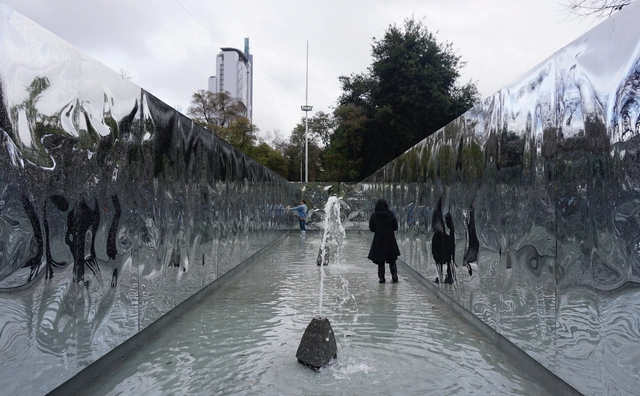
From July 11 to 16, the La Fuente Pavilion is open to the public in Balmaceda Park in Santiago, Chile. This new public space installation, designed by architect Camilo Palma (Abarca+Palma), invites visitors to engage in "contemplation and tranquility around the stimuli and sensations of water." The structure, composed of mass-produced, prefabricated building elements, sits atop the original 1931 fountain designed by Oscar Prager, Sergio Larraín, and Jorge Arteaga.
To experience the public space firsthand, ArchDaily visited the installation on a rainy day.
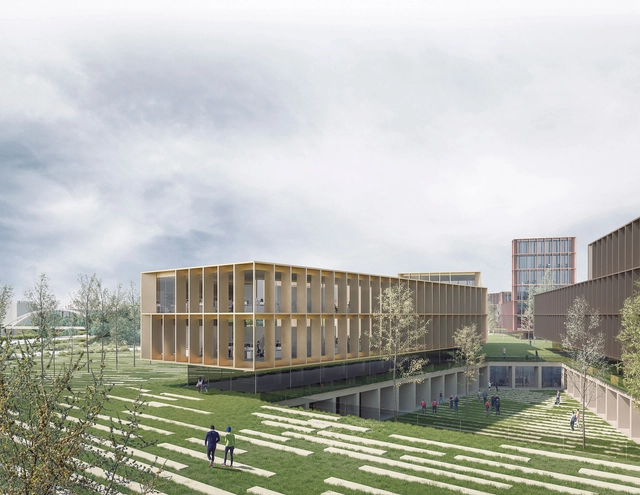
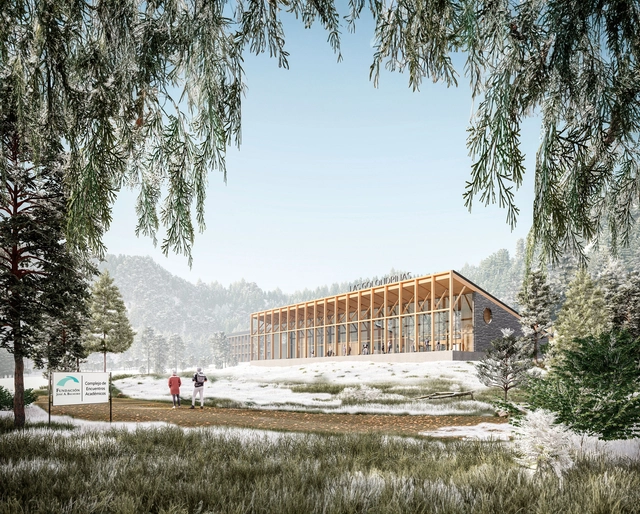
The José A. Balseiro Foundation, along with the Association of Architects of the Province of Río Negro District III (CARN District III) and the Argentine Federation of Associations of Architects (FADEA), launched the National Ideas and Preliminary Project Competition for the "Las Golondrinas" Academic Meeting Complex of the José A. Balseiro Foundation in San Carlos de Bariloche, Argentina. Aiming to strengthen the dialogue among the sciences, culture, education, and the business world, the complex seeks to establish itself as a reference center that positions science as a key driver in generating content and shaping societal decisions.