Traditional Agricultural System of the Rio Negro/AM. Photo by Laure Emperaire, via Iphan
The National Institute of Historic and Artistic Heritage (Iphan), a federal agency linked to the Ministry of Culture (MinC), has made a new, modern digital repository of Registered Cultural Assets (BCR) available to the public. The online portal is the result of a partnership with the Brazilian Institute of Information in Science and Technology (Ibict) and provides the Brazilian public with access to information on each of the intangible cultural assets registered as Brazilian Cultural Heritage.
https://www.archdaily.com/1135922/iphan-launches-digital-repository-of-registered-cultural-heritageArchDaily Team
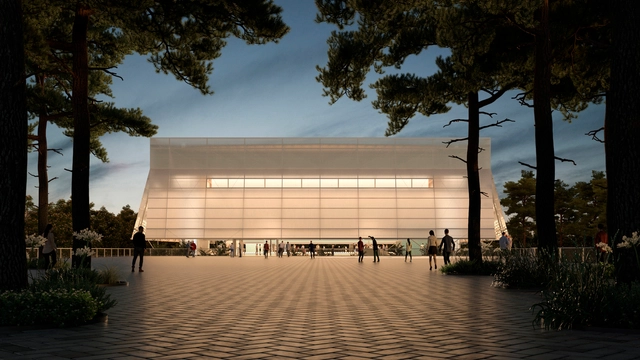
First-place winning proposal. Designed by André Augusto Prevedello. Image via Concurso EcoParque Itaipu
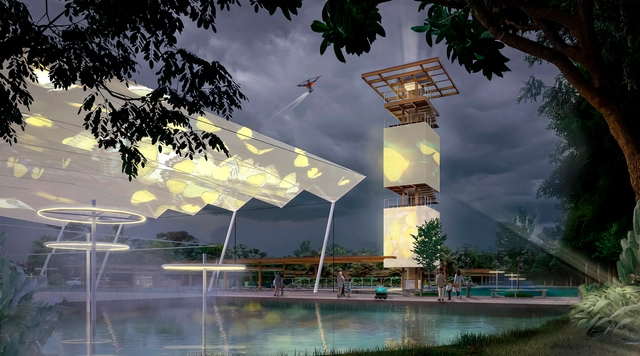
Itaipu Binacional, a company owned by Brazil and Paraguay that manages the Itaipu Hydroelectric Power Plant, has launched a national architecture competition for the design of the EcoParque Itaipu in Foz do Iguaçu. The competition brief, published in December 2022, called for the creation of an urban park that "will contribute to the conservation of one of the most significant green areas in Foz do Iguaçu, combining public and sustainable use."
The submitted architectural proposals had to be prepared to integrate a wide range of technologies, whether digital or nature-based solutions, aiming to transform the park into a living laboratory for solutions to address everyday challenges in a more joyful and effective way.
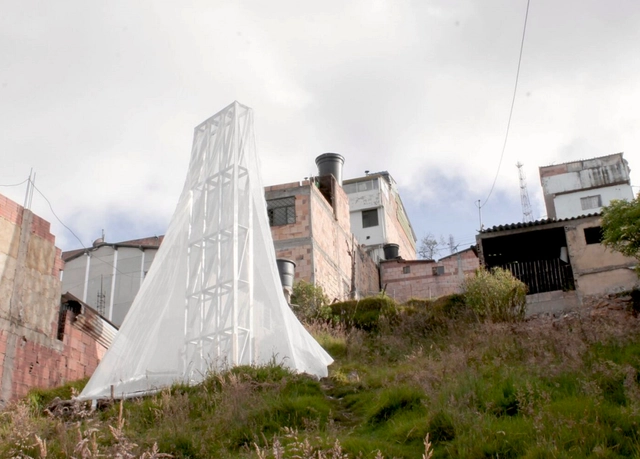
A prototype capable of collecting up to 200 liters of water per week was installed in the San Luis neighborhood of Bogotá, the capital of Colombia. Nicknamed the “fog harvester,” the development of the structure is the result of a collective effort that brought together residents and design professionals.
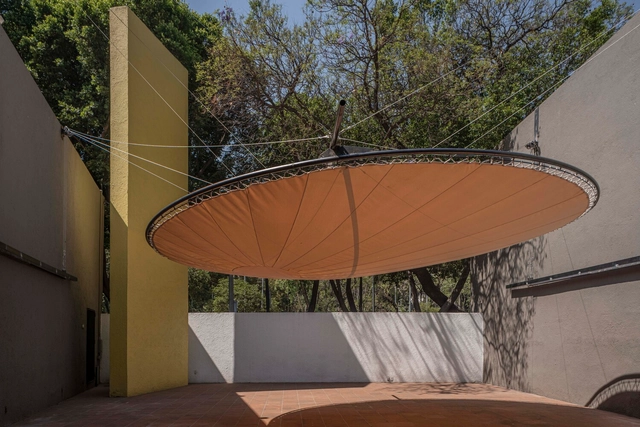
As part of the exhibition program of the Museo Experimental El Eco, the call for entries for the 2023 Eco Pavilion was launched, inviting professionals involved in architectural practice in Mexico to dialogue with the museum's space. This edition marks 13 years of the Eco Pavilion, a competition launched in partnership with Buró-Buró with the mission of offering a platform for architectural production focusing on experimentation and spatial reflection. The winning project belongs to the team composed of OCIO taller + Bianchi Majer + Nicolás Guzmán + Angélica M. Pena + Andrés Lira.
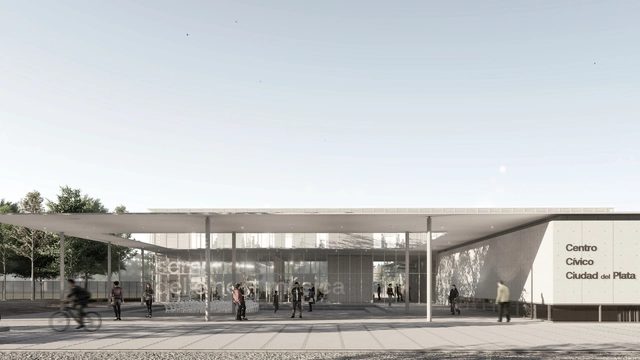
Within the framework of the Local Land-Use Planning and Sustainable Development Plan of Ciudad del Plata and its area of influence, a competition for preliminary architectural designs was launched to develop the Ciudad del Plata Civic Center. The goal is to transform the city, thereby establishing and strengthening a new urban-territorial centrality.
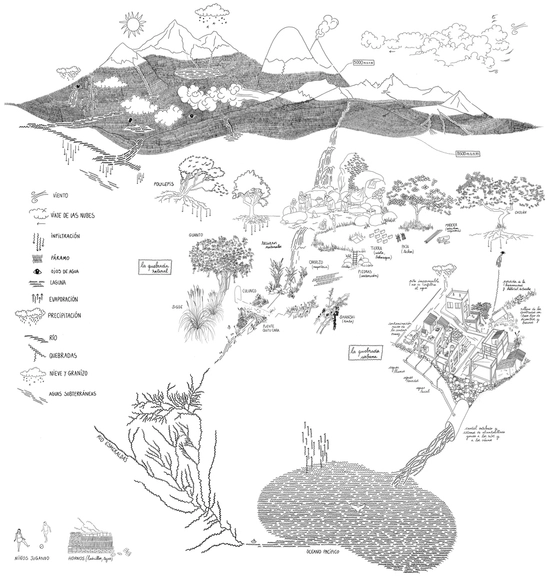
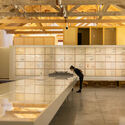
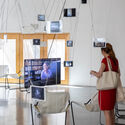
Revealing the river flows of our habitats, “Los Caminos del Agua” (The Water Paths) is a water-focused exhibition that opens a debate on human impact on the territories we inhabit. Originating in Quito, Ecuador, the work by La Cabina de la Curiosidad (led by Marie Combette and Daniel Moreno Flores) was developed in collaboration with the Tomorrow’s Cities project, the El Tejar community, the Wayku Project, and the Yaku Water Museum.
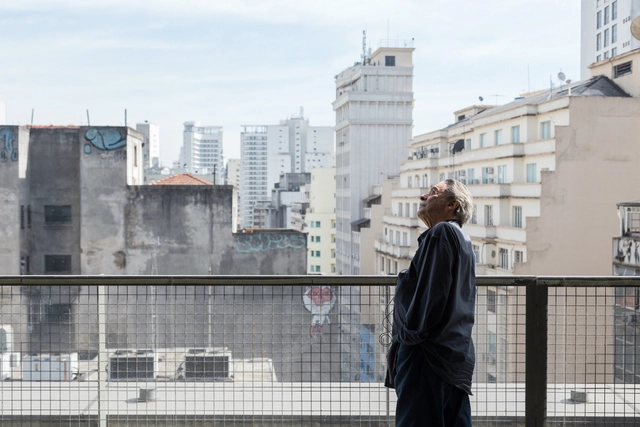
This is the year of Paulo Mendes da Rocha at Casa da Arquitectura. On May 26, two exhibitions dedicated to the Brazilian Pritzker laureate will open to the public. Constructed Geographies: Paulo Mendes da Rocha is curated by Jean-Louis Cohen and Vanessa Grossman, with exhibition design by Eduardo Souto de Moura and Nuno Graça Moura, while Paulo: Beyond Drawing is curated by Rui Furtado and Marta Moreira, with exhibition design by Ricardo Bak Gordon.
https://www.archdaily.com/1135954/portugals-casa-da-arquitectura-opens-two-exhibitions-on-paulo-mendes-da-rocha-in-mayArchDaily Team
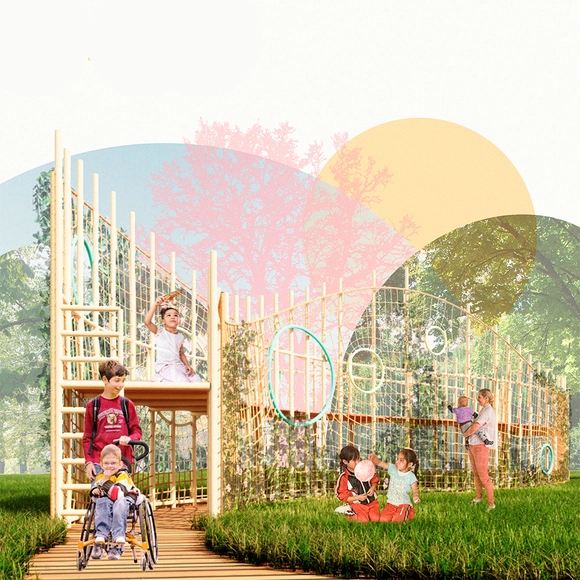
Éda: mobiliário urbano como estratégia de educação ambiental. Image Cortesia de Instituto Tomie Ohtake
On Tuesday evening, May 16, during the opening of the exhibition showcasing the five selected projects, the two winners of the 5th Tomie Ohtake Design Award were announced, receiving trophies and publications from the Tomie Ohtake Institute. Discover the projects below:
https://www.archdaily.com/1136009/meet-the-winners-of-the-5th-tomie-ohtake-design-awardArchDaily Team
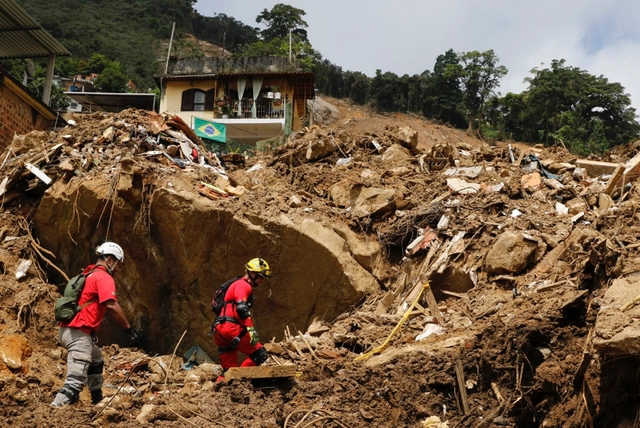
Landslide at Morro da Oficina, in Petrópolis, in February 2022. Photo: Fernando Frazão | Agência Brasil
Climate-related events could push between 800,000 and 3 million Brazilians into extreme poverty by 2030. The data comes from the Country Climate and Development Report for Brazil (CCDR), released in early May by the World Bank. According to the study, which assesses policies and options for the country to meet its climate and development goals, droughts, floods, and urban flooding cause losses of R$ 13 billion (0.1% of the 2022 GDP) per year.
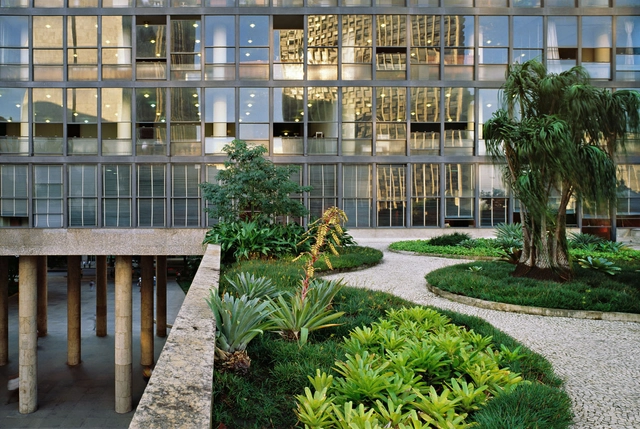
The Gustavo Capanema Palace, located in Rio de Janeiro and recognized as a benchmark for Brazilian architecture and arts, is scheduled to reopen to the public in 2024. On the 15th of this month, the National Institute of Historic and Artistic Heritage (Iphan) presented a new proposal for the building's use. From the ground floor to the rooftop terrace, the building will be transformed into a series of spaces dedicated to exhibitions on art and the formation of Brazilian society, while also hosting administrative operations for agencies linked to the Ministry of Culture.
https://www.archdaily.com/1135885/iphan-and-the-ministry-of-culture-develop-occupancy-plan-for-the-gustavo-capanema-palaceArchDaily Team
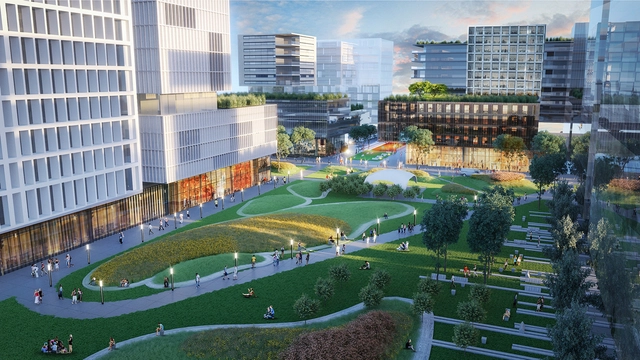
Spanning a 12-hectare site, the Innovation Park (Parque de la Innovación) located in the Núñez neighborhood of Buenos Aires recently inaugurated its public areas, opening free access to a project that integrates businesses, universities, scientific institutions, housing, service areas, and gathering spaces. Aiming to develop an innovation ecosystem, the development is expected to house around 6,000 residents and accommodate approximately 18,000 students.
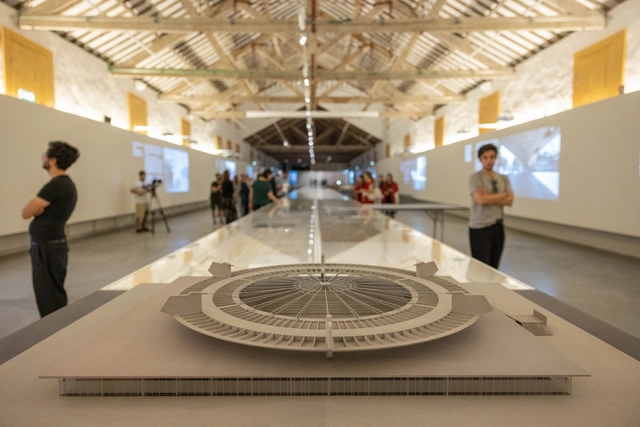
Four years after receiving the archive of Espírito Santo-born architect Paulo Mendes da Rocha, Portugal's Casa da Arquitectura is opening two exhibitions dedicated to the Brazilian winner of the Pritzker Prize (2006) and the Golden Lion at the Venice Biennale (2016). The larger of the two, featuring 138 original drawings, dozens of photographs, and other documents, is dedicated to the architect's built work and seeks to expand the notion of geography that runs through Mendes da Rocha's production.
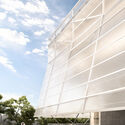
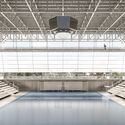
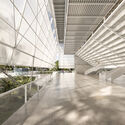
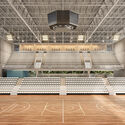
The firms Effect Arquitetura, from Brazil, and Ben-Avid, from Argentina, have partnered to design a multi-sport and events arena with a capacity of approximately 3,000 spectators. The building was designed to serve as the main venue for the 2021 Central American Games in Santa Tecla, El Salvador.
Located on a plot of land approximately 260 meters long by 60 meters wide, the building is bordered by a creek, a main avenue connecting it to the rest of the city, and a small local street. The topography features three stepped levels, sloping down toward the rear of the site along the avenue.
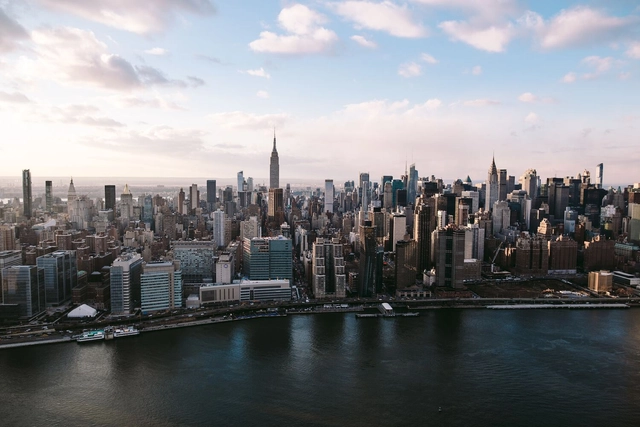
Researchers from the Graduate School of Oceanography at the University of Rhode Island have published a study showing that New York City is sinking under the weight of its countless, massive buildings. The skyscraper density of the Big Apple is increasing the risk of flooding in the city.
In addition to flooding and sea level rise driven by climate change, the risk for New Yorkers is growing because the city is sinking by an average of 1 to 2 millimeters per year, with some areas sinking at twice that rate.
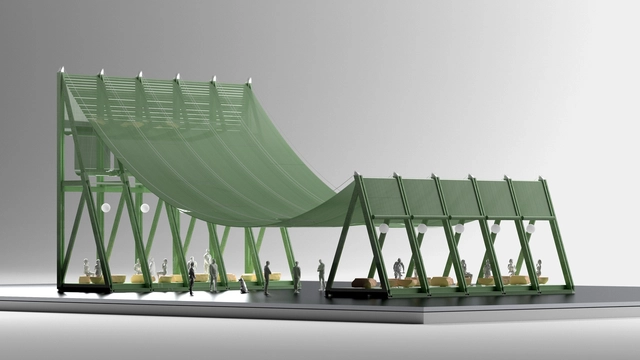
Mediterráneo de Manuel Bouzas, proyecto ganador para diseñar el pabellón de València. Image Cortesía de TAC! Festival de Arquitectura Urbana 2023
The upcoming TAC! Urban Architecture Festival announced that the two winning projects of its ideas competition are "Mediterráneo" by Manuel Bouzas and "Lost Forest" by Julia Ruiz-Cabello Subiela and Santiago Del Águila.
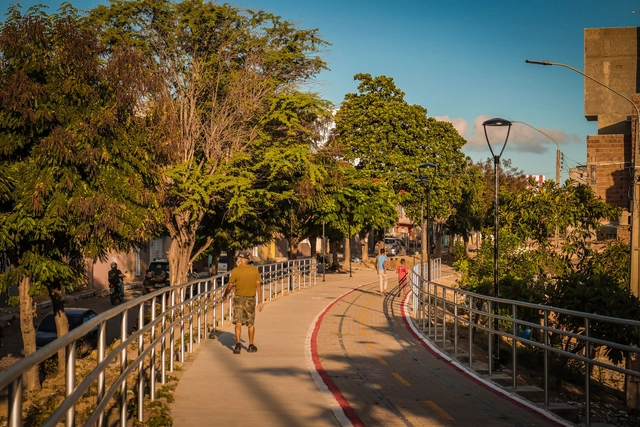
In Brazil, over 80% of the population lives in urban areas, and walking is the primary mode of transportation in cities, accounting for 39% of daily trips, according to the ANTP (National Association of Public Transport). If we consider that public transit trips start and end on foot, walking is involved in about 67% of daily journeys. Since walking is already the reality for Brazilians, what is missing? Improving urban infrastructure to make cities more "walkable."
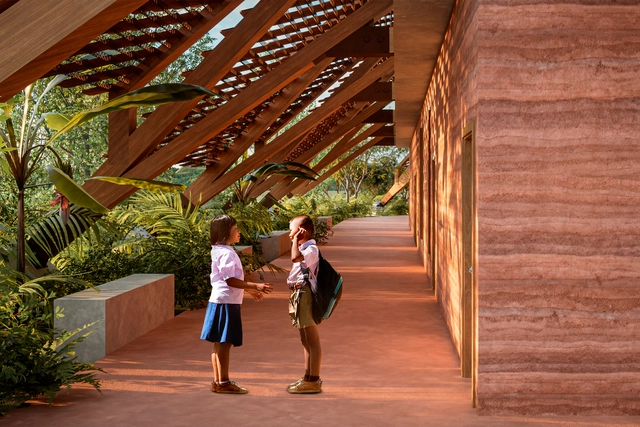
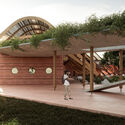
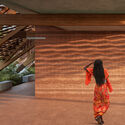
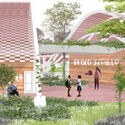
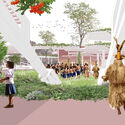
The Escuela Guaraní Mbya, designed by the Brazilian firm Studio Guimarães Rosa, was selected as a finalist in the 5th edition of the Prêmio Félix Candela, one of Mexico's premier design competitions. The contest centered on the concept of the "man of maize"—the human returning to the land. The firm proposed a rural school that equips people to return to the countryside. The guiding question for the designers was: how to return without destroying? Their answer was to learn from Indigenous peoples.
https://www.archdaily.com/1136033/brazilian-firm-is-a-finalist-in-the-5th-felix-candela-award-with-a-rural-school-project-based-on-indigenous-knowledgeArchDaily Team
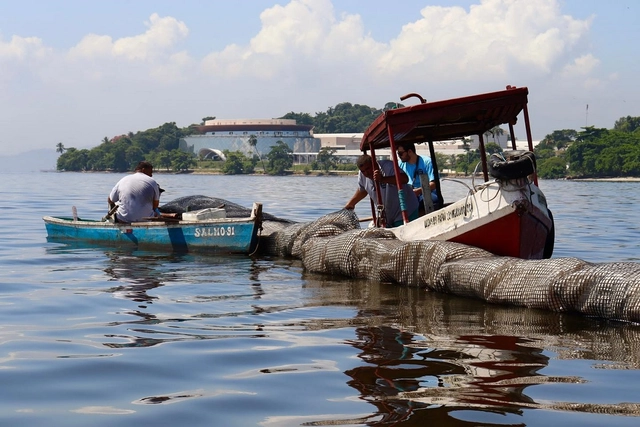
The barrier was designed and built through an exchange of knowledge between researchers and artisanal fishermen from Ilha do Fundão. Photo: Ana Vitória Villar
An experimental barrier to collect floating trash at Prainha on Ilha do Fundão, located on the coast of Guanabara Bay in Rio de Janeiro, was installed in early June by the Orla Sem Lixo (Trash-Free Shoreline) Project. The initiative aims to find a sustainable alternative for managing floating waste in coastal and adjacent marine areas, fostering a knowledge exchange between the local fishing community and researchers.