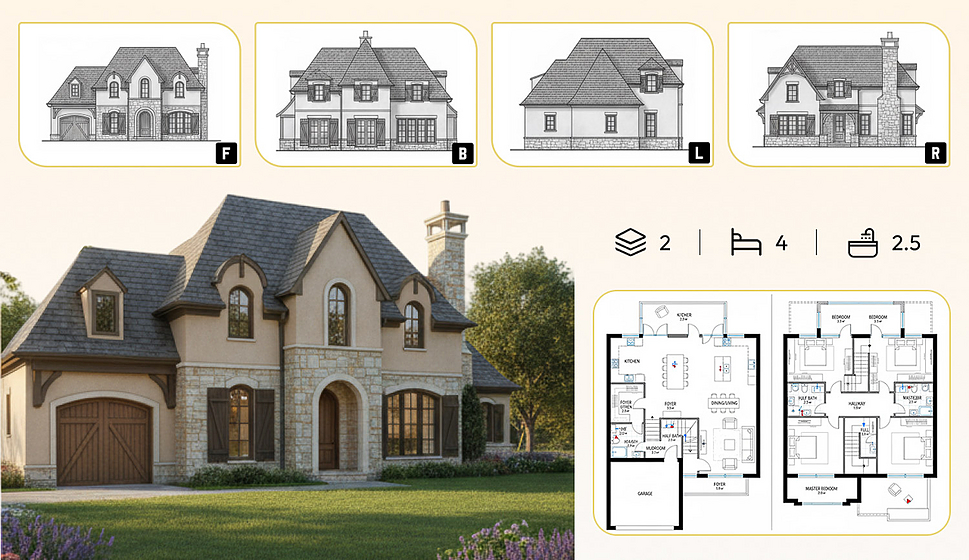
This guide covers a workflow that moves from project parameters to generated floor plans, 3D perspective views, exterior design exploration, and site context visualization, using AI tools in place of preliminary CAD and rendering work.
This guide covers a workflow that moves from project parameters to generated floor plans, 3D perspective views, exterior design exploration, and site context visualization, using AI tools in place of preliminary CAD and rendering work.
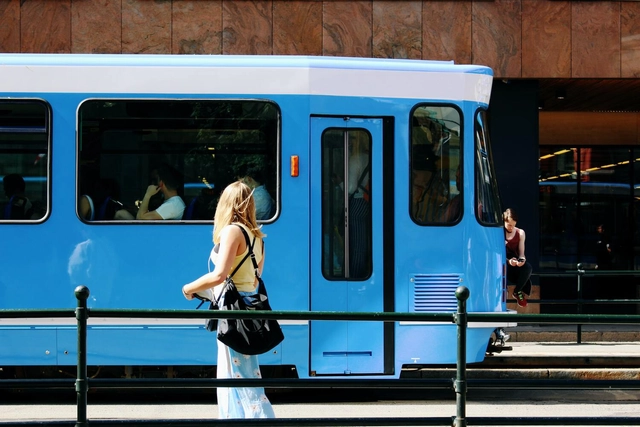
As the urgency to replace fossil fuels increases, new electric vehicle models are announced with growing frequency. From urban cars to models equipped with solar panels, the focus is on prioritizing electric mobility, with automakers shifting production lines and countries and cities passing laws to accelerate the energy transition.

The São Paulo Association of Art Critics (APCA) announced yesterday evening the winners of the 2022 APCA Awards. The accolade is divided into ten categories, covering Architecture, Visual Arts, Cinema, Dance, Literature, Popular Music, Radio, Theater, Children's and Youth Theater, and Television. After two years of virtual meetings, the jurors for each category met in person to debate the nominations.
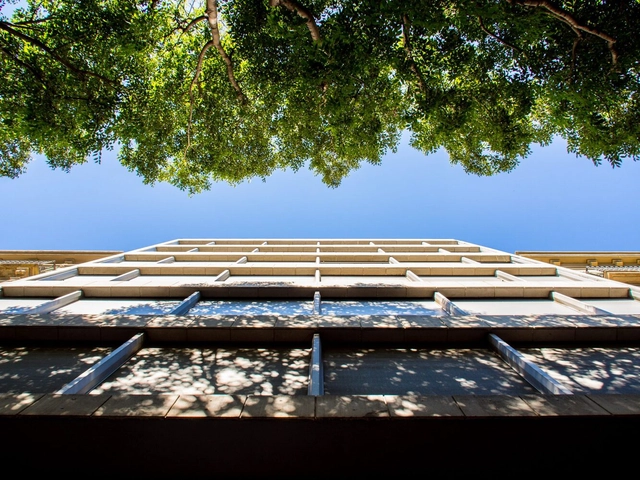
Over 4% of deaths in European cities during the summer months are due to urban heat islands, and one-third of these deaths could be prevented if tree canopy cover reached 30%. These are the main findings of a study recently published in the journal The Lancet and conducted by the Barcelona Institute for Global Health (ISGlobal).
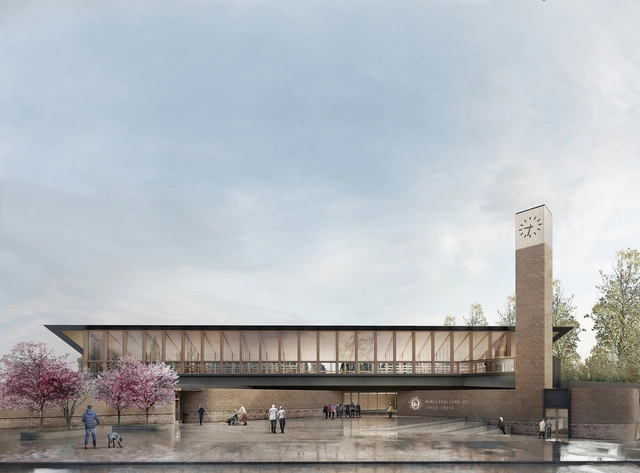
Cristóbal Tirado and Doering Pardo were awarded first place in the public competition “Architectural Design and Profile of the Chile Chico Town Hall.” Organized by the local municipality's Secretariat of Communal Planning in the Aysén Region, the competition aimed to select a distinctive and iconic architecture for this extreme region, while incorporating energy efficiency criteria, openness toward General Carrera Lake, and outdoor spaces for civic gatherings.
The selected project proposes “to articulate a dialogue between the present day and its technologies, and the historical past and foundational building traditions of Chile Chico.” With this in mind, the materials—brick, wood, and glass—were adapted to current technical and spatial requirements to create a modern civic building.
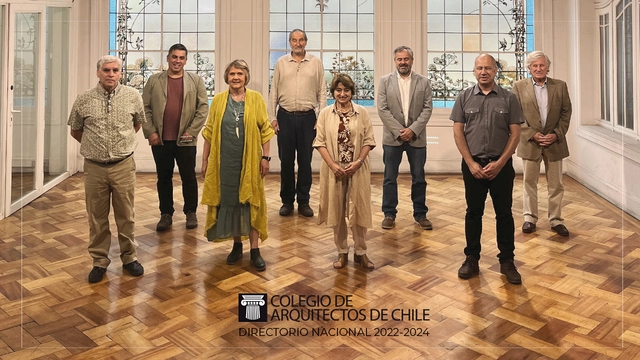
On Friday, January 20, 2023, during the Constitutive Session of the new National Board elected by our members in the 2022 CA Elections, the new Executive Board and officers of the Colegio de Arquitectos de Chile were chosen for the 2022–2024 term.
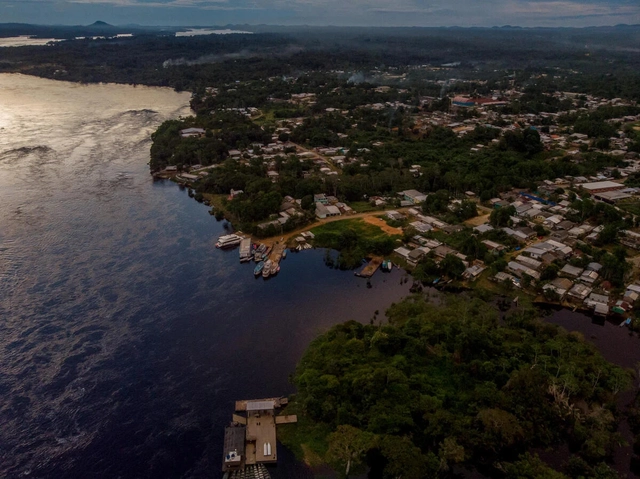
São Gabriel da Cachoeira (AM) is considered the most Indigenous city in Brazil, home to 23 peoples belonging to five language families — Eastern Tukano, Arawak, Yanomami, Japurá-Uaupés, and Tupi. There, at two small excavation sites, archaeologists have found evidence proving a dense, continuous, and ancient settlement dating back at least two thousand years.
The findings challenge the common narrative that characterizes the region by depopulation, isolation, and disconnection from the rest of the Amazon. The area is one of the best-preserved in the Amazon and has been studied since 2019 by Parinã (Intercultural Archaeological Program of the Northwest Amazon), which has just compiled its first reports on the recovered archaeological fragments.
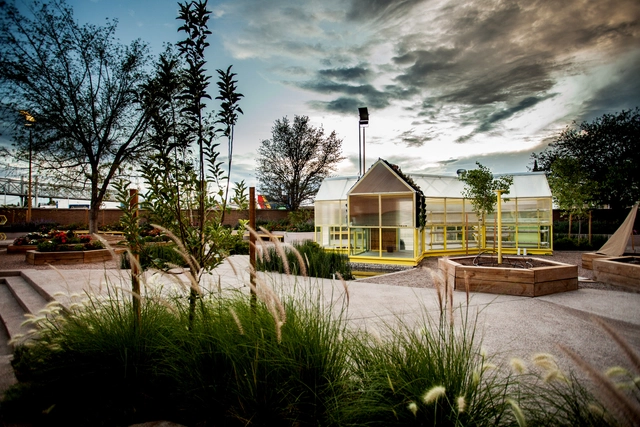
Various experts in the design, construction, and monitoring of sustainable buildings in Latin America come together on Emisor Cero, the new podcast from Proyecto CEELA produced by podcastera.mx. The show aims to highlight the concrete challenges and actions capable of mitigating the climate crisis affecting us all, while simultaneously exposing and debunking various myths about green architecture.
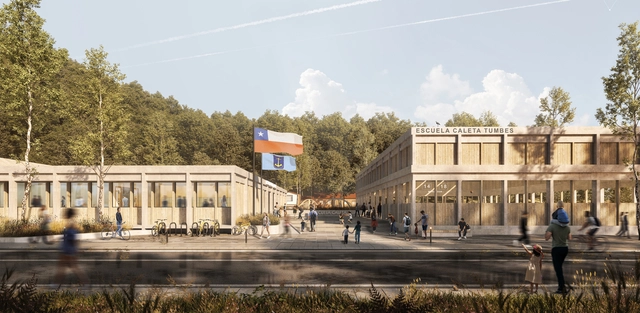
The community of Caleta Tumbes in the commune of Talcahuano, a few kilometers from Concepción, suffered severe damage from the 2010 Chile earthquake and tsunami. Nearly a decade later, the local municipality launched a public tender for the opportunity to rebuild one of the most affected structures, the F-495 School.
The winning project was designed by the firm 6280 Arquitectos, led by Pablo Arellano and Patricio Lopetegui. Below, the team describes the proposal in their own words.
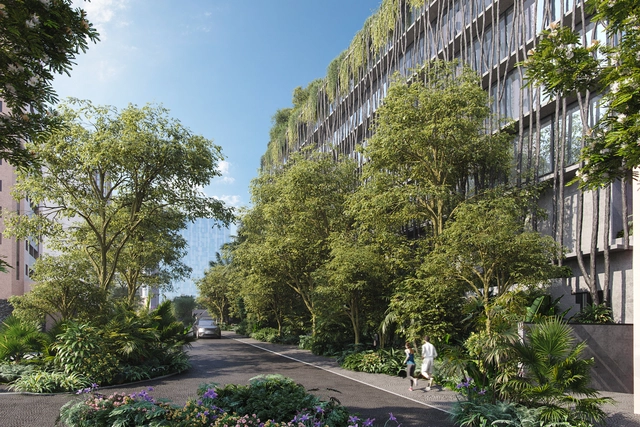
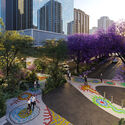
To mark its 470th anniversary in 2024, São Paulo will receive a green area of approximately 10,000 square meters featuring over 400 trees and urban furniture designed by the award-winning Estudio Campana, founded by brothers Humberto and Fernando Campana. The gathering space will be built in the Paulista Avenue area, along a stretch of Alameda Rio Claro, Alameda das Flores, and Rua São Carlos do Pinhal. Construction is scheduled to begin in the first half of 2023.


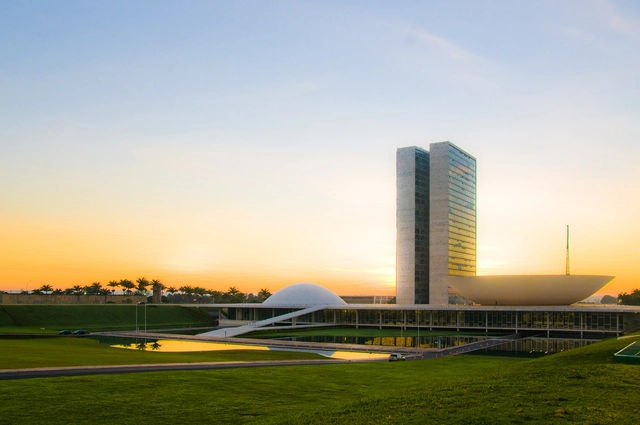
The National Institute of Historic and Artistic Heritage (Iphan), along with representatives from the institutions involved and affected by the January 8 attacks, began coordinating efforts last week to restore Brazilian Cultural Heritage in Brasília (DF).
During the meeting, representatives from the technical departments of infrastructure, restoration, and architecture outlined the damage, ongoing actions, and immediate needs—specifically regarding funding and specialized restorers—as well as proposals for joint initiatives. Discussions also covered potential funding sources for emergency actions and medium- to long-term restoration projects, including private donations and resources from UNESCO.
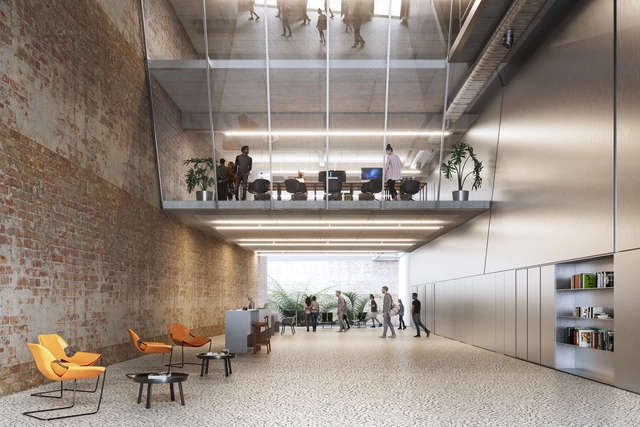
The Council for Architecture and Urbanism of São Paulo (CAU/SP) announced the three selected proposals in the first stage of the national competition to renovate the CAU/SP headquarters building, alongside honorable mentions and highlights. The competition registered 49 entries from firms across different regions of Brazil, receiving a total of 29 proposals.

On April 26, 27, and 28 of this year, the "FESTA Visiones" architecture festival took place in Los Mochis, Sinaloa, marking the return of in-person activities and the revitalization of events. To this end, the Architecture Committee of the Tecnológico Nacional de México Campus Los Mochis and the Colegio de Arquitectos del Norte de Sinaloa joined forces to resume the region's most important educational event, once again inviting students to learn from national leaders in the profession.
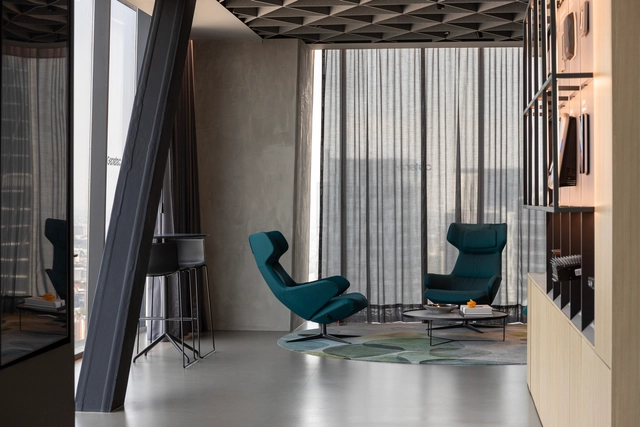
The 19th annual Design Awards, organized by Shaw Contract, is one of the premier interior architecture awards programs. With nearly 700 submissions from 36 countries, the accolade highlights trends in scale, functionality, and sustainability. Of the 43 Best of Region winners, two Brazilian and three Mexican projects have advanced to the final stage of the Best of Globe evaluation, with the winners to be announced in September. Addressing themes such as Material Health, Circular Economy, and Diversity and Inclusion, the awards evaluated Latin American projects through a jury representing five countries.
Discover more about the winners below.

In 2017, ArchDaily China's reach grew stronger than ever. We brought Chinese architecture into the global conversation, introducing Chinese design to the world while delivering global architectural news to our Chinese readers. True to our mission, we continue to serve as an open platform for the public benefit, fostering a more inclusive and egalitarian architectural community.
This year, we invite our readers once again to participate in the 2018 ArchDaily China Building of the Year Awards. By casting an unbiased vote free of geographical restrictions, you become part of a collective jury, identifying the architecture that best represents our time. Over the next three weeks, your nominations will narrow down over 300 Chinese projects to 10 finalists, before a final round of voting determines the three winning designs.
The time has come to support the projects you admire. Go to this page to nominate the 2018 China Building of the Year! Click “Read More” to view the complete guidelines.
.jpg?1518970631&format=webp&width=640&height=580)
Cristina Cabrera, director of the ICO Foundation, has presented the programming prepared by the institution for 2018, the year of its 25th anniversary. She outlined the program's main direction across the Foundation's three areas of activity: Art, Economy, and International.
In the field of Art, she presented the three temporary exhibitions at the Museo ICO focusing on architecture and the promotion of highly relevant but underrecognized figures in the discipline: Joaquín Vaquero Palacios, Carlos Cánovas, and Diébédo Francis Kéré.
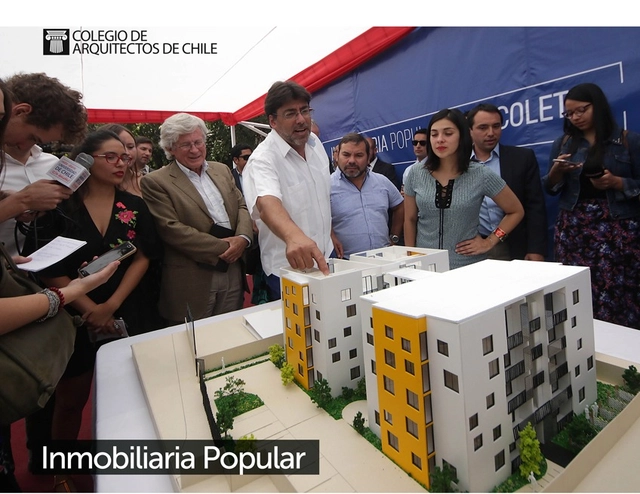
Today, Friday, April 13, starting at 10:00 AM (GMT -3) in Santiago, Chile, the mayor of Recoleta, Daniel Jadue, and 2002 National Architecture Award winner Juan Sabbagh will present the municipal Inmobiliaria Popular (Public Housing) project at the national headquarters of the Architects' Association (Colegio de Arquitectos).
Unveiled in late January of this year, the initiative—unprecedented in Chile—consists of the construction of two five-story buildings with a total of 38 apartments, each measuring 55 square meters, to be rented to vulnerable families in the municipality. Other municipalities in the Chilean capital—Renca, Macul and Las Condes—have already announced they will study replicating the model.
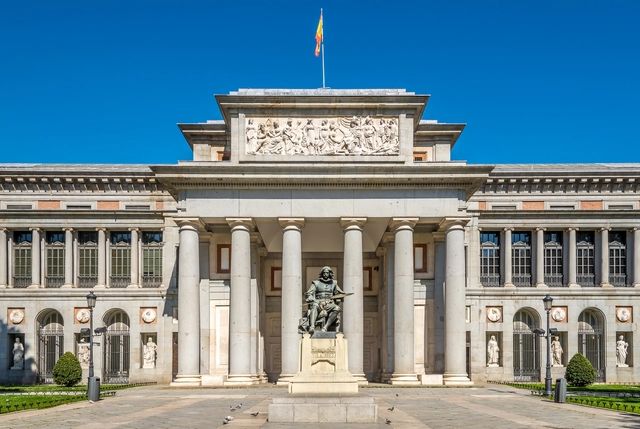
The Prado Museum is currently preparing the events to commemorate its bicentennial, which will officially begin on November 19, marking 199 years since its inauguration.
However, despite the celebratory atmosphere surrounding this major milestone, water flow and the water table beneath the foundations of this landmark building—designed by architect Juan de Villanueva and recently expanded by Navarrese architect Rafael Moneo—are a source of concern. In 2014, these issues had already caused leaks, cracks, and dampness.
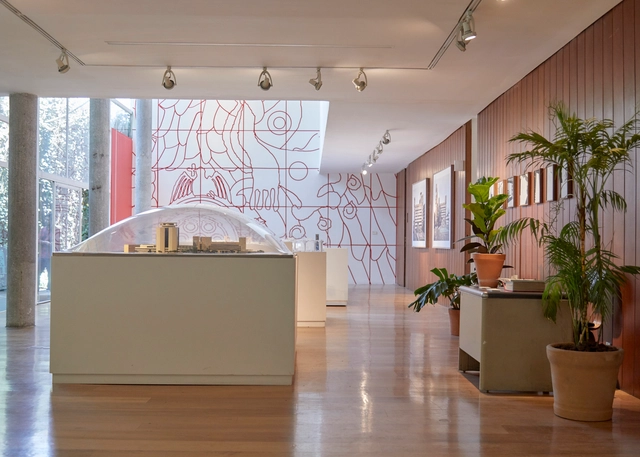
Titled Archivo(s) Centro SCOP reclaims the memory of the former SCOP Center (opened in 1954 and currently the headquarters of the Ministry of Communications and Transportation, or SCT) as well as the future of its artistic and architectural heritage following the September 19 earthquakes. In the mid-1950s, the SCOP Center was one of the most ambitious and iconic public architectural projects of the "Mexican Miracle." Clad in 6,000 square meters of murals and sculptural ensembles by prominent artists such as Juan O'Gorman, José Chávez Morado, and Rodrigo Arenas Betancourt, the building crystallized the ambitions and aspirations of its era, under the direction of architect Carlos Lazo, who led the SCOP from 1952 until his untimely death in a plane crash in 1955.
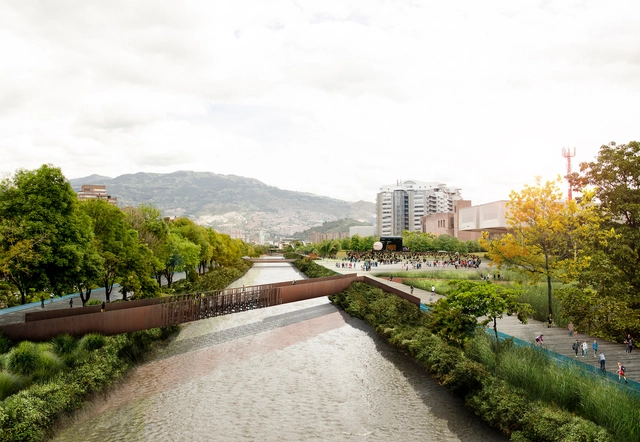
The Parques del Río project in Medellín has become the first Colombian representative among the winners at the 2018 World Architecture Festival (WAF18), currently being held in Amsterdam, Netherlands.
Self-described as the world's largest architectural awards program, the festival announced on its second day that the project designed by Latitud Taller de Arquitectura y Ciudad won the 'Masterplanning' subcategory under the 'Future Projects' section.


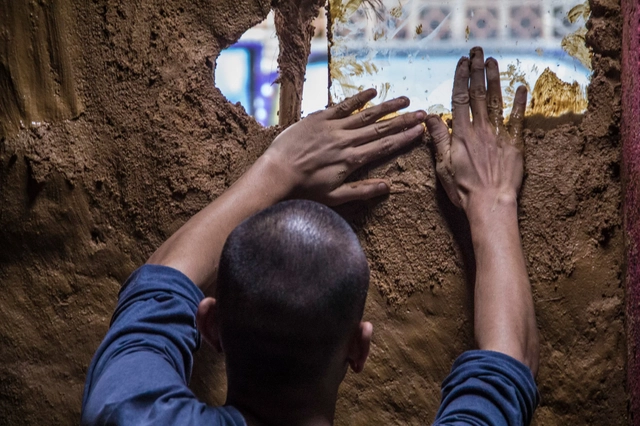
A proposal to include financing for properties built using bioconstruction techniques is awaiting the appointment of a rapporteur in the Environment Committee. The bill was introduced by Senator Randolfe Rodrigues (Rede-AP) at the request of movements advocating for affordable and sustainable social housing. The goal is to make this financing available through the Minha Casa Minha Vida program.

Daniel Libeskind will visit Chile this coming December, following an invitation extended by Mauricio Soria, the mayor of Iquique, and approved by the Chilean city's municipal council. However, the decision has drawn coverage from local media due to opposition from council members who voted against the initiative, primarily over the budget: 75 million Chilean pesos (around $110,000), which includes a "city visit, site visit, public lecture, and a preliminary draft or conceptual proposal," as highlighted on Twitter by council member Felipe Arenas, one of the dissenting voices in the municipal vote.
Although the announcement was shared by the mayor's office on Twitter on November 8, efforts to bring Libeskind to the country began exactly a year ago when the architect visited Chile to give a lecture at ENMATERIA's International Architecture and Materials Encounter. During that visit, the American architect met for the first time with Soria and his technical team in Santiago.
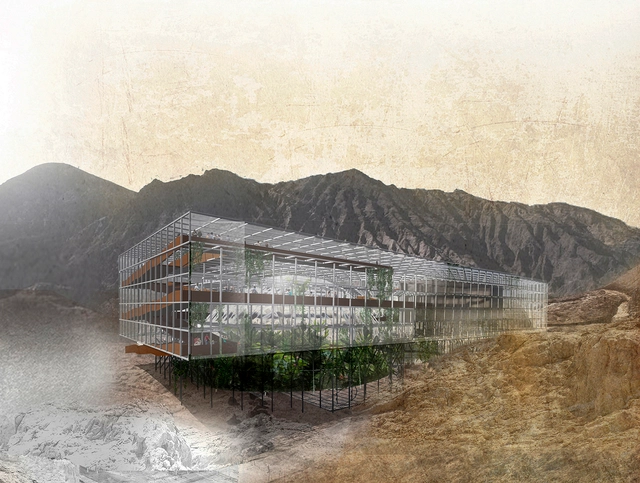
With the proposal 'Mining Tailings Phytoremediation Machine', the Chilean team won first place in the 11th Alacero Steel Design Competition for Architecture Students 2018 in Colombia.
The team, composed of students from Universidad Finis Terrae—Diego Concha, Tomás Aguirre, and Trinidad Hermosilla—presented a project that aims to "recover and reuse mining waste by utilizing plants with high tolerance to minerals to reduce and mitigate the site's environmental risks," as explained by the authors in the project description. The team was advised by professors Andrés Echeverría and Cristián Lecaros.

RSAA/Büro Ziyu Zhuang has recently unveiled the design for the "Chengdu Linpan Resort" in Chongzhou, a county-level city under the administration of Chengdu. Boasting a rich history and deep cultural heritage, the region has inspired the works of renowned literary figures like Lu You, Du Fu, and Wang Bo, while preserving the ancient style, charm, and heritage of western Sichuan. RSAA/Büro Ziyu Zhuang's design integrates the historical residential spatial form of western Sichuan with local climatic conditions, cultural characteristics, and regional living habits. The project aims to overlay and reorganize the traditional Linpan prototype with the shifting perspective of Chinese scroll painting. This spatial synthesis creates richer spatial variations and narrative possibilities for both the interior and exterior experiences. The project is currently under construction.
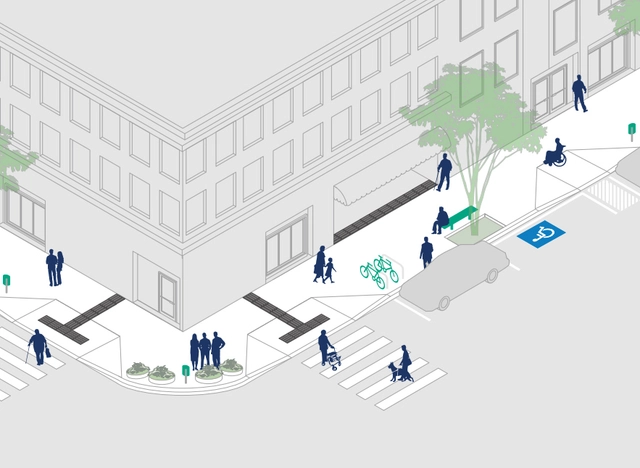
Recognizing that well-designed and high-quality sidewalks encourage walking in cities, the City of Florianópolis has launched the Calçada Certa program, aiming to ensure legal guidelines for sidewalk design are followed and to guide citizens in designing and building public walkways.
The program is accompanied by an illustrated manual presenting recent updates to the ABNT NBR 9050/2015 and ABNT NBR 16537/2016 standards. These address, respectively, accessibility in buildings, furniture, urban spaces, and equipment, and tactile paving design.