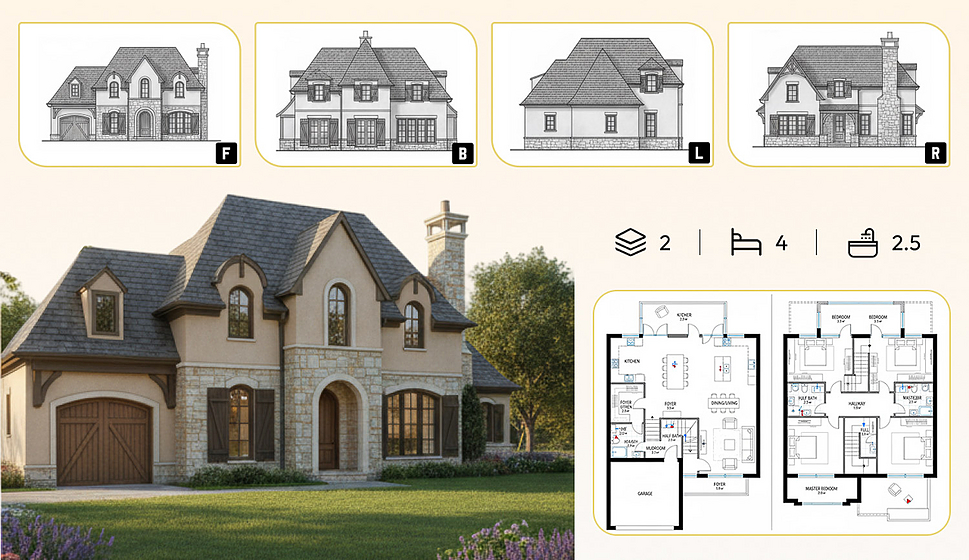
This guide covers a workflow that moves from project parameters to generated floor plans, 3D perspective views, exterior design exploration, and site context visualization, using AI tools in place of preliminary CAD and rendering work.
This guide covers a workflow that moves from project parameters to generated floor plans, 3D perspective views, exterior design exploration, and site context visualization, using AI tools in place of preliminary CAD and rendering work.
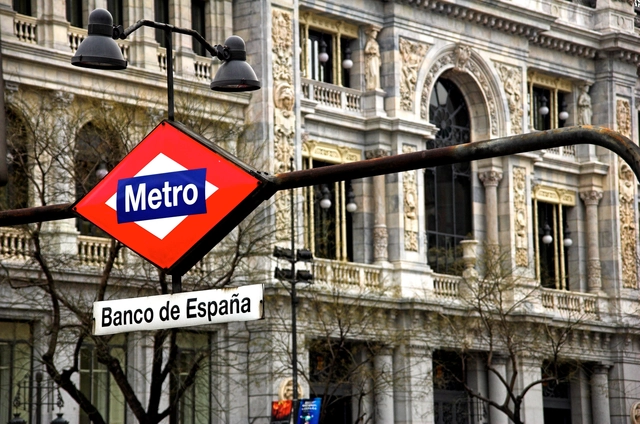
In 2019, Madrid Metro (Spain) will mark 100 years since the opening of its first line, which ran between Puerta del Sol station and the station located at the Cuatro Caminos depots. Designed by architect Antonio Palacios, the depots are currently at risk of demolition.
To commemorate this milestone, Madrid Metro launched a public call for ideas last November to design a logo that will serve as the corporate image for all centennial celebrations.
Last November, the Comptroller General of Chile ordered the halt of construction of the so-called vertical ghettos in the municipality of Estación Central (Santiago). In response, on Friday, December 14, a group of real estate developers filed a series of injunctions against the resolution, while the Chilean Chamber of Construction raised concerns regarding the suspension of projects, as reported by the Chilean newspaper El Mercurio.
At the same time, the Colegio de Arquitectos de Chile (Chilean Association of Architects), the Association of Architectural Offices (AOA), the Association of Works Directors and Municipal Works Department Professionals of Chile, the Association of Independent Reviewing Architects of Chile, and the National Association of Independent Reviewers issued a document obtained by El Mercurio. In it, they claim they "have seen [their] right to practice their profession with confidence affected [...] due to the legal uncertainty currently facing our field."
_-Homenaje_a_la_poesia_-f01.jpg?1534629437&format=webp&width=640&height=580)
As Line 3 of the Santiago Metro begins its trial run on its way to becoming the Chilean capital's sixth line, other cities are starting studies to install cable cars and improve train frequencies. Meanwhile, biodiversity is celebrating great news. This and more in this edition of La ciudad chilena en la prensa, the ArchDaily section where we bring you updates on Chile's major cities.

Under the title “More Living, More Humanizing,” the 14th Spanish Biennial of Architecture and Urbanism (BEAU) presented the winning projects of its latest edition today, Thursday the 19th, in Santander. This exhibition, housed in a temporary pavilion in Santander's Pereda Gardens, showcases the works selected in the categories of Panorama of Works, 2nd Research Exhibition, and 7th Thesis Projects Exhibition.
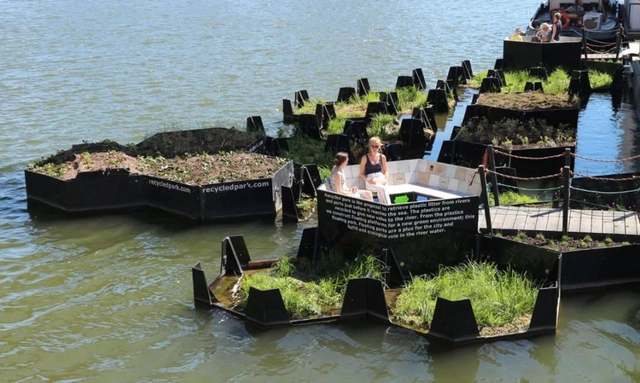
After nearly five years of design, plastic recovery, recycling, fundraising, and intensive collaboration, the first floating park made of recycled plastic has opened. The prototype was installed in the Port of Rotterdam, Europe's largest seaport, located in the second-largest Dutch city.
Measuring 140 square meters, the so-called “Recycled Park” demonstrates the potential of discarded materials. For this project, the Recycled Island Foundation collected plastics over a year and a half by installing “traps” in polluted rivers before they could reach the sea.

Works designed by renowned architects have always drawn attention, especially from tourists who, passing through new cities, seek to catch a quick glimpse of the best those places have to offer. While this phenomenon is not new, services like Airbnb, which allow short stays in rented homes, have given it a new dimension.
This is currently the case in the Bouça Neighborhood in Porto, designed by Álvaro Siza Vieira. Conceived in the 1970s as a social housing project promoted by the Local Support Ambulatory Service (SAAL), the complex—originally built as permanent housing for workers—has always attracted architecture enthusiasts and fans of Siza's work. In recent years, however, it has also begun attracting temporary residents to units listed for rent.

A few weeks ago, Sweden inaugurated a road that recharges commercial and passenger vehicle batteries while driving. Named the eRoadArlanda project, the two-kilometer route was built outside Arlanda Airport in Stockholm, the country's capital.

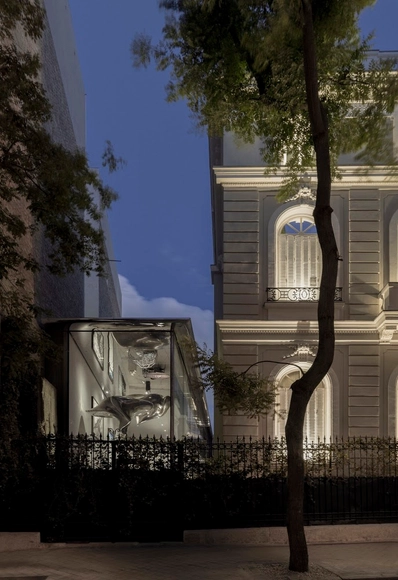
The Norman Foster Foundation is one of 21 institutions and individuals awarded Spain's 2018 Gold Medal for Merit in Fine Arts. Granted by the Spanish government through the Ministry of Culture and Sport, the distinction recognizes those globally who "have stood out in the field of artistic and cultural creation, or have rendered outstanding services in the promotion, development, or dissemination of art and culture, or in the conservation of artistic heritage."
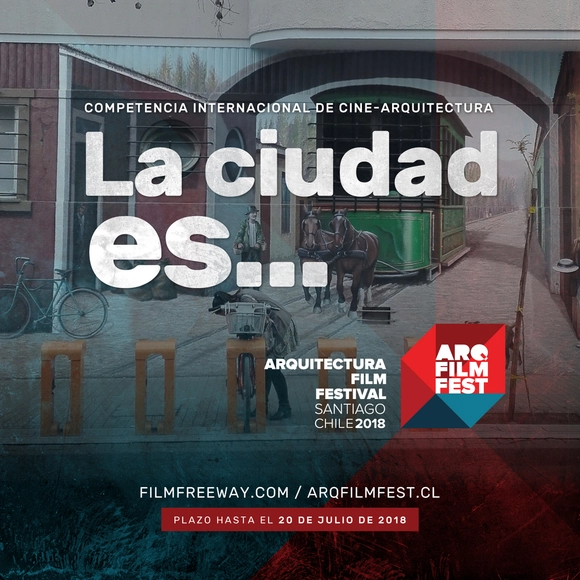
The call for entries for the international film competition on architecture, the city, and urban life—"The city is..."—organized by the Santiago Architecture Film Festival (ArqFilmFest), closed successfully with the submission of 1,518 audiovisual productions from around the world.
According to the organizers, they received more than 100 films from the United States (183), Iran (166), and India (160), and over 50 from Turkey (79), the United Kingdom (74), Italy (60), Brazil (58), and France (50), among many other countries across all continents.

The National Academy of Architecture of Monterrey, the Nuevo León Association of Architects, and the Monterrey Region Urbanism Society AC presented a list of proposals for election winners to champion, promote, or implement—depending on the office to which they are elected—in order to collectively build cities where the inhabitants' quality of life is the priority. Read on for the full list.
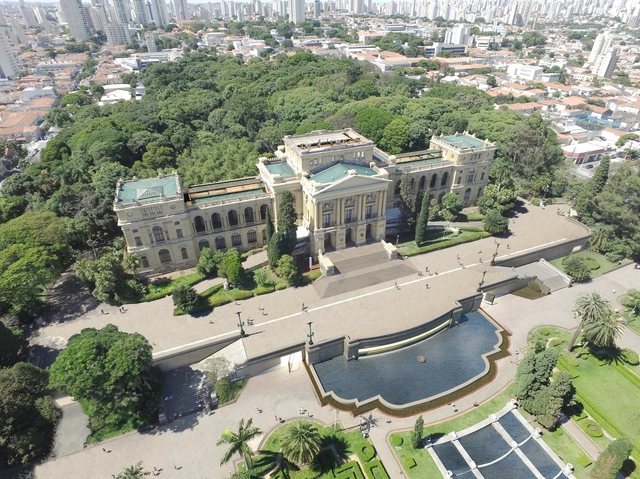
On December 18, the winning projects of the national architecture competition for the restoration and modernization of the monument building of the Museu Paulista (MP), located in the Ipiranga neighborhood of São Paulo, were announced. The competition was launched on September 7, as part of the "Museu do Ipiranga em Festa" celebrations. Out of a total of 13 entries, nine qualified to participate. The evaluation criteria included aspects such as rationality, functionality, and technical feasibility; respect for the building's material, structural, compositional, and documentary characteristics; creativity, aesthetic solution, and design innovation; compliance with specific uses and circulation and accessibility solutions; and the adoption of environmental sustainability criteria and solutions.
The winning project was selected by a judging committee comprising 11 members appointed by the competition promoter, including representatives from federal, state, and municipal heritage preservation agencies, the Brazilian Institute of Museums (Ibram), and institutional partners such as the Institute of Architects of Brazil (IAB) and the Council of Architecture and Urbanism of São Paulo.
.jpg?1538415823)
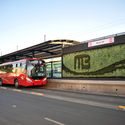
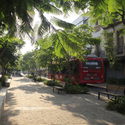
Plazoleta Amo Torres is a project by Echauri Morales in collaboration with Corporación Planen. Located in downtown Guadalajara, Jalisco, Mexico, the intervention comprises a series of urban design gestures aimed at revitalizing the area along Hidalgo Avenue at its intersection with Santa Mónica Street, directly in front of the Corona Market.
.jpg?1533646991&format=webp&width=640&height=580)
The deck is finished, the beams and columns have already been painted, and construction is moving forward at a good pace at the Guarda Housing Complex in Perafita, Matosinhos, Portugal, which will very soon see the completion of Uma Casa de Brincar e Não Só… / Not Only a Playhouse, built as part of the second edition of “O Lugar de Partilha.” At the end of the first week on-site, there is still much work to be done for this Self-Construction Laboratory organized by Casa da Arquitectura (CA) – Portuguese Center for Architecture and curated by Roberto Cremascoli, but spirits are high, and by August 10th, everything will be ready for the local community to enjoy.
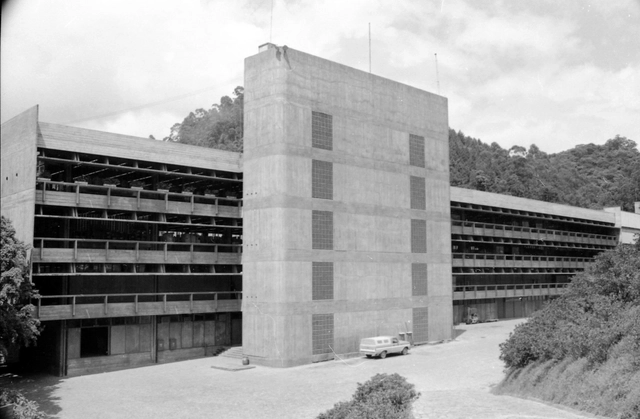
Born in Slovakia in 1921, architect Hans Broos began his career in Brazil in 1953, after graduating in Germany in 1949. His brief European career was marked by the reconstruction of Germany, during which he worked alongside architect Egon Eiermann as his assistant at the Technical University of Karlsruhe. During this period, Broos came into contact with Le Corbusier and his principles of modern architecture. Aligned from the beginning with the architects of the Modern Movement, Broos developed his first works in Blumenau and Florianópolis, in the state of Santa Catarina, far from major Brazilian urban centers. Throughout his professional life, the architect addressed a wide range of programs—from residential and industrial to religious, commercial, and social projects—over a career spanning more than 50 years and nearly 400 projects. Of these, approximately 100 were built in various states, including Santa Catarina, São Paulo, Pernambuco, and Goiás. The architect passed away in 2011.
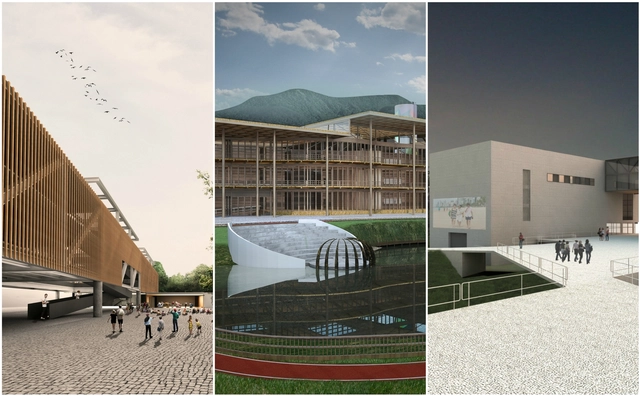
Seu Acervo, a platform for architecture final graduation projects, has released the results of the "Most Popular Project of 2017" open call, launched last November. The goal of the call is to expand the reach of the material available on the platform and encourage recent graduates to engage with digital publishing media.
The winners of this first edition of the award are Rogério Oliveira da Costa, from the Centro Universitário Belas Artes de São Paulo; Nayara de Paula, from the Universidade Anhembi Morumbi; and Hugo Rossini, from the Universidade Presbiteriana Mackenzie. See the winning projects below.

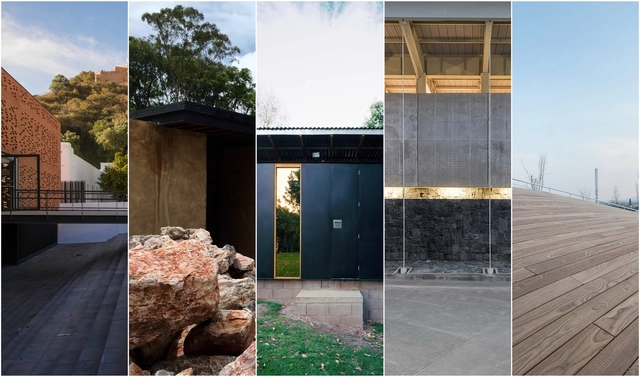
The 21 projects that make up the Official Selection of the Mexican Pavilion at the 16th International Architecture Exhibition of the Venice Biennale converge in latitudes, geographical regions, and echoes of the territory, drawing from the curatorial theme "Freespace." In four installments, we will share the works and insights of each of the participants representing Mexico in Venice. Read on to discover the third part of these projects.
The new illustrated version of the Building and Works Code (COE) is now available online. Released by the São Paulo Municipal Secretariat of Urbanism and Licensing (SMUL - PMSP), this edition features graphic design by oitentaedois, making the legislation more accessible to the general public.

To celebrate the diverse groups that built the cultural heritage of São Paulo and helped shape the city's identity, the Municipal Secretariat of Culture will host the Jornada do Patrimônio (Heritage Journey) on August 18 and 19, under the theme "One City, Many Hands."
The event offers a free, diverse program aimed at connecting the public with historical and emotionally significant spaces that define the city's history. In total, 320 activities will take place, including tours, lectures, workshops, building visits, guided tours, and book launches.

On December 20, the final curatorial review of the first National Essay and Research Competition, Written Architecture 2017, took place at the national headquarters of the Colegio de Arquitectos de Chile.
Organized by Grupo Arquitectura Caliente and co-organized by Ediciones ARQ, the competition awarded the 20 best articles out of 87 submissions in the undergraduate and graduate categories, representing 18 architecture schools across 9 different Chilean cities.
The competition was directed by Gabriela García de Cortázar and featured a jury of 30 prominent academics and professionals on the Evaluation Committee.
Below is the article by Universidad de Chile student Pablo Schmidt, winner of the Graduate Category.
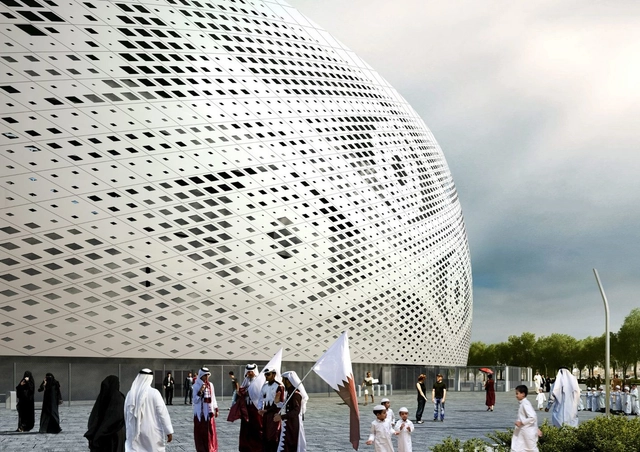
The 2022 World Cup takes place in Qatar from November 21 to December 18, promising to amaze spectators with its stadiums. There are eight projects in total—some built from scratch, while others are existing structures undergoing renovation.
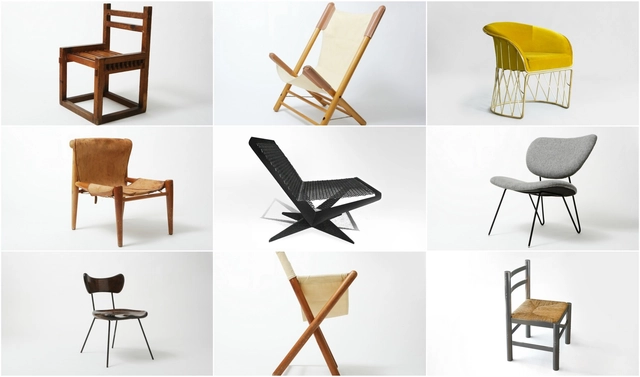
The 20th century in Mexico was a period of vibrant artistic and architectural experimentation. This era marked the establishment of the Modern Movement, bringing with it innovative ideologies that nurtured new talent and shaped the frameworks of artistic and architectural production.
For many years, architects worked as multidisciplinary designers, creating both spaces and furniture under a single, cohesive vision. Yet despite this, some of these pieces have faded into obscurity, overshadowed by major architectural works and the fast pace of modern life, where mass-produced furniture renders these unique designs invisible.

Originally published in 1995, Registro de uma vivência is an autobiography by Lucio Costa (1902–1998) composed of critical essays, memoirs, plans, projects, photographs, and drawings specifically selected and arranged by the author.
Out of print for nearly 20 years, the book has been reissued by Editora 34 in partnership with Edições Sesc SP. Fully preserving the original graphic design, this new edition features an introduction by Maria Elisa Costa, Lucio’s daughter, an index of names, and an essay by Sophia da Silva Telles, which seeks to decipher the significance of the work of this great architect and urban planner, who was also one of the most important Brazilian intellectuals of the 20th century.

The Mictlán Pavilion Competition was established as part of the activities for the 2018 Mictlán Festival, an annual event held in the municipality of Tlajomulco de Zúñiga in the state of Jalisco, Mexico. This event aims to celebrate the Day of the Dead traditions in this municipality, particularly along the Cajititlán waterfront.
For the competition, participants designed an intervention for the San Juan Evangelista pier in Tlajomulco, which served as a transitional space within the Day of the Dead Festival installations.
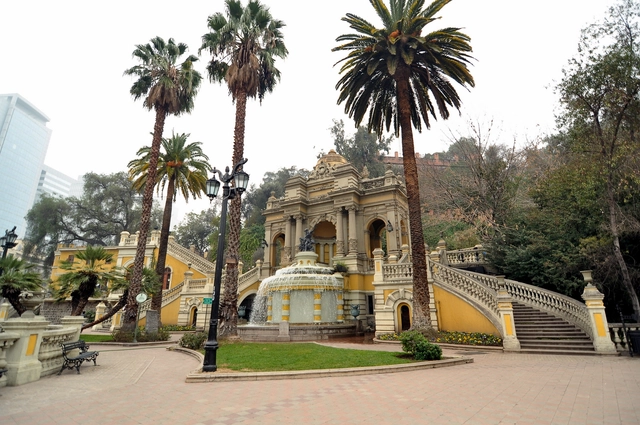
In May 1999, 17 historic buildings in Santiago opened their doors to launch the very first edition of Chile's Cultural Heritage Day. Nearly two decades after that inaugural event, the upcoming edition will span an entire weekend for the first time, taking place on Saturday, May 26, and Sunday, May 27.


.jpg?1538415966 "© Carlos Díaz")


