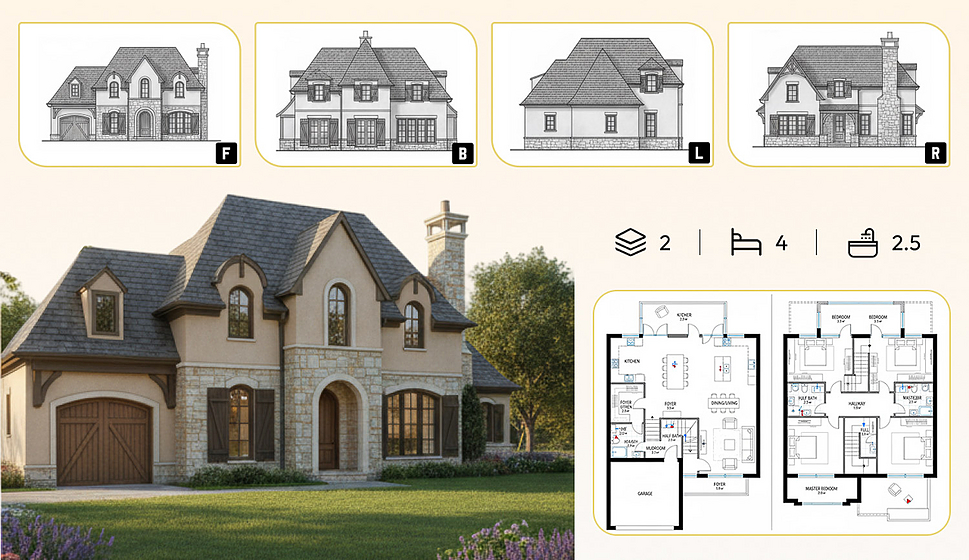
This guide covers a workflow that moves from project parameters to generated floor plans, 3D perspective views, exterior design exploration, and site context visualization, using AI tools in place of preliminary CAD and rendering work.
This guide covers a workflow that moves from project parameters to generated floor plans, 3D perspective views, exterior design exploration, and site context visualization, using AI tools in place of preliminary CAD and rendering work.
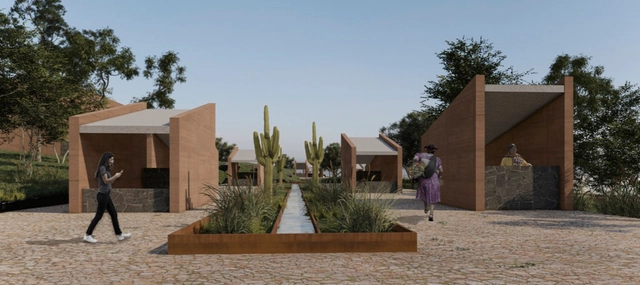
Since 1985, for 38 years, the School of Architecture at the National Autonomous University of Mexico has organized and hosted the calls for entries for the Alberto J. Pani Architectural Composition Award, with the goal of bringing together the top students from institutions affiliated with the Association of Architecture Teaching Institutions of the Mexican Republic (ASINEA). The event is organized in collaboration with an ASINEA member institution, which this year is the School of Architecture, Design, and Urbanism at the Benito Juárez Autonomous University of Oaxaca (UABJO).
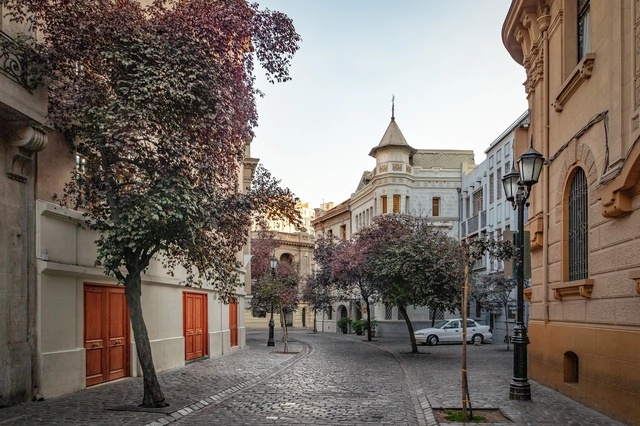
2023 has been characterized by new trends in renovating existing spaces, such as the Nueva Alameda Plan, which aims to revitalize a key hub and make it more environmentally friendly. Along these lines, numerous other projects are emerging, such as the recent "Londres 50-46 Building Rehabilitation" plan, led by Inmobiliaria Londres SpA and represented by Simón and Joaquín Duch Salas.
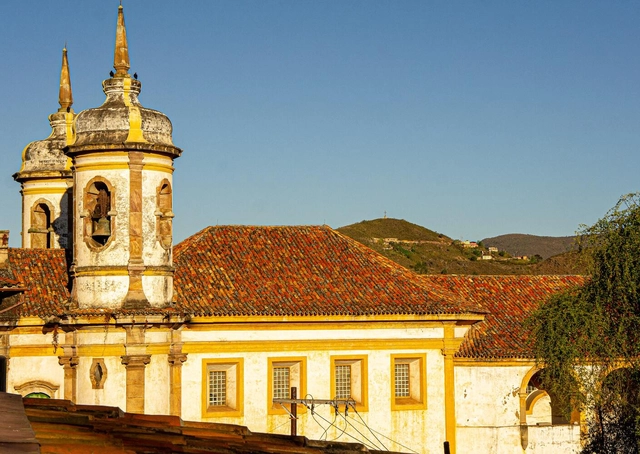
Earlier this month, the National Institute of Historic and Artistic Heritage (Iphan) launched a public call to select architectural and engineering projects dedicated to preserving Brazil's Cultural Heritage. This initiative is part of the Federal Government's New Growth Acceleration Program (Novo PAC) and aims to select up to 100 new projects for the restoration, conservation, and promotion of Brazilian cultural heritage sites. The deadline for applications is November 10, 2023, and submissions must be made through the TransfereGov platform.
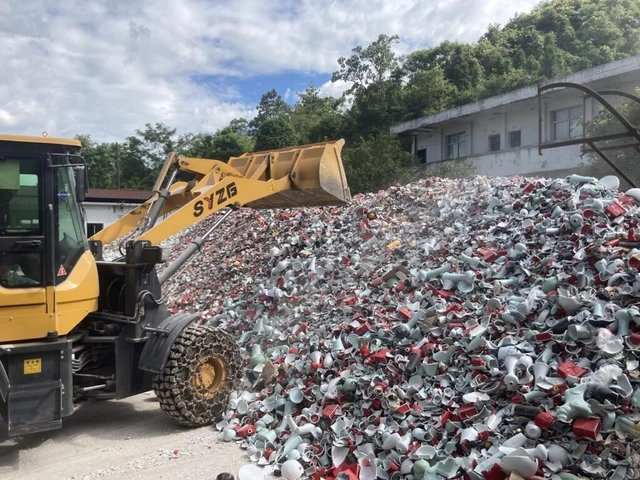
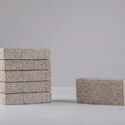
In its quest to develop circular products, Chinese company Yi Design has been creating various bricks from recycled materials. These products offer construction alternatives to address a major industry challenge: the generation of ceramic waste.
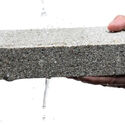
According to Yi Design, approximately 18 million tons of ceramic waste are produced every year in China. Headquartered in Jingdezhen, the country's ceramics capital, the group developed YiBrick, a permeable brick made of over 90% recycled ceramic. The material's production also incorporates wastewater and the fine dust from crushing raw waste.
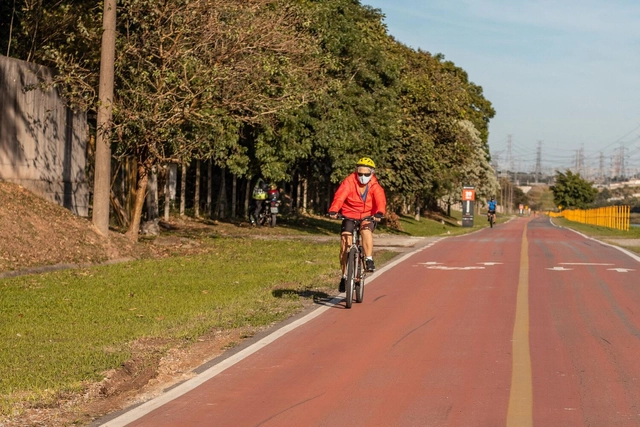
Gympass has announced a partnership with Tembici to promote the bicycle as a healthy means of transportation. Gympass users in Brazil can now make up to eight trips per month using Tembici's shared bikes in several Brazilian cities, including São Paulo, Rio de Janeiro, and Brasília, among others.
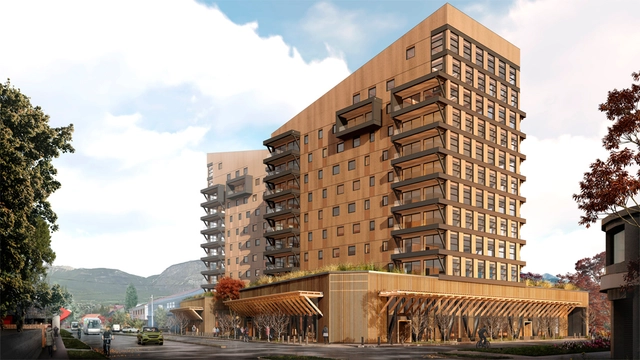
The recent arrival of the Minergie certification in Chile is overseen by EBP Chile. This effort includes training Chilean professionals in this Swiss low-energy building standard, alongside the recent granting of provisional certification to the Covarrubias Hernández House in Lliu Lliu, Limache, designed by Murillo+Toro Arquitectos, and the Burgos Net Zero Building, developed by Cristián Izquierdo together with Tecton Inmobiliaria.
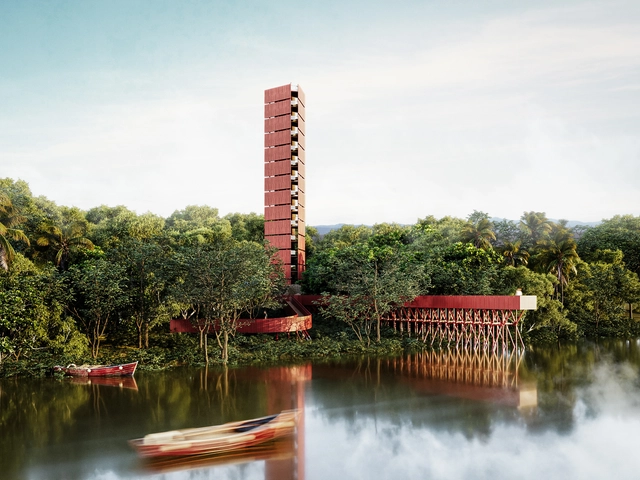
One of the primary demonstration spaces for Itaipu Binacional's socio-environmental actions is the Bela Vista Biological Refuge (RBV) in Foz do Iguaçu. Established in 1984, its initial purpose was to shelter wild animals rescued from the reservoir area—where land habitat was lost—and to serve as a nursery for forest seedlings used to create the Binational's approximately 34,000 hectares of protected areas.
To adapt the refuge's spaces to current needs and demands, including the use of zoo design strategies and ex-situ conservation actions, Itaipu Binacional organized a two-stage architectural competition open to architects from all over Brazil. Below is the winning proposal by RibasMarçal Arquitetura and Tempo Arquitetos.
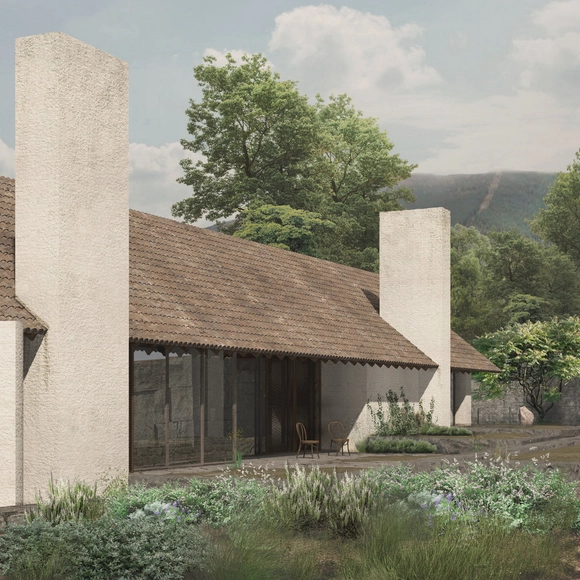
This October marked the fourth edition of the Peña Ganchegui Award for Young Basque Architecture, established in 2017 by the Peña Ganchegui Archive and the Basque Government's Housing Department. The award aims to bring visibility to architects who either trained in or practice in the Basque Autonomous Community, have less than 10 years of professional experience, and promote, develop, and strengthen a high-quality architectural culture.
The award ceremony took place at the Basque Country Architecture Institute, located in San Sebastián's Old Town, and was presented by Pablo García Astrain, Director of Housing, Land, and Architecture of the Basque Government. Jurors María Langarita, Fernando Márquez Cecilia, and António Cruz highlighted Ortega Diago's exercise in spatial synthesis, the singularity of their programmatic solutions, their delicate treatment of materials, their emphasis on transparency, and their focus on fluid circulation. These qualities were evident both in their interior design work—ranging from residential renovations to commercial and workspace fit-outs—and in their unbuilt projects.
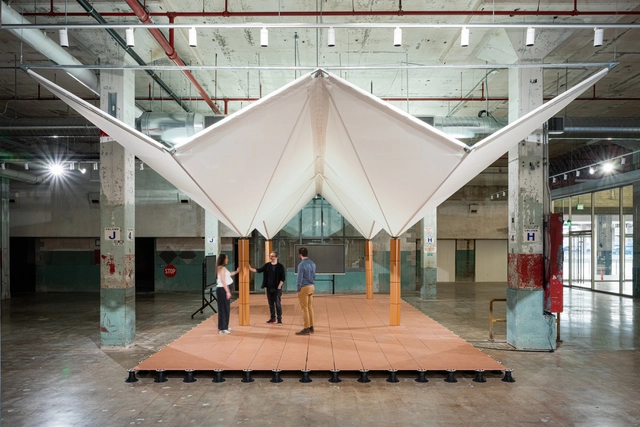
Building Ecologies is the result of collaborative and interdisciplinary research led by architect Juan José Castellón at Rice University, featuring the participation of the School of Architecture, the Department of Civil and Environmental Engineering, and the Shepherd School of Music, along with support from the Carbon Hub initiative.
Exhibited at POST Houston in Texas, this model proposes innovative approaches to urban infrastructure and social spaces, aiming to promote the integration of architectural, technological, and ecological systems.
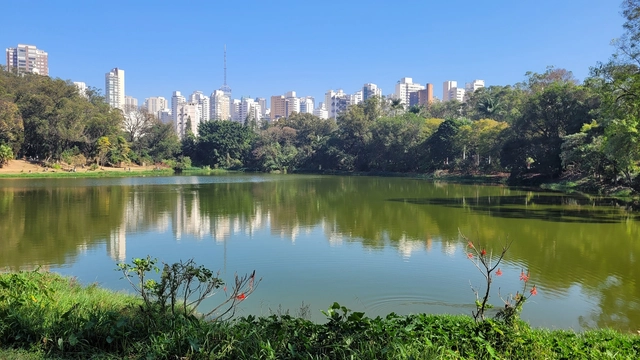
The Viva o Verde SP initiative, a partnership between the United Nations Human Settlements Programme (UN-Habitat) and the Municipal Secretariat for the Green and the Environment (SVMA) of the City of São Paulo, has officially launched assessment activities for over one hundred parks across the city.
The initiative involves implementing the City-Wide Public Space Assessment, a tool developed by UN-Habitat's Global Public Space Programme. From October to December, researchers will visit more than one hundred urban, linear, waterfront, and natural parks to conduct detailed structural assessments of each location.
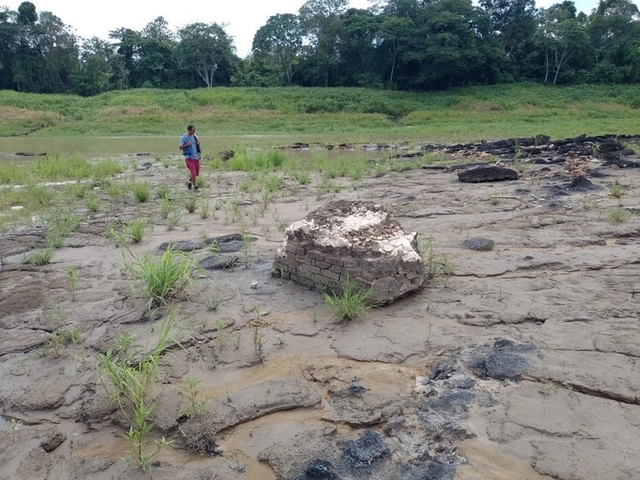
The historic drought affecting the Amazon region has revealed four archaeological sites in the state of Amazonas, three of which were completely unknown and are of great importance. The National Institute of Historic and Artistic Heritage (Iphan) has implemented an emergency action plan, involving inspections and educational initiatives in partnership with various public agencies and social organizations, including the Soka Institute of the Amazon, which voluntarily dedicates itself to the preservation of local cultural and environmental heritage.
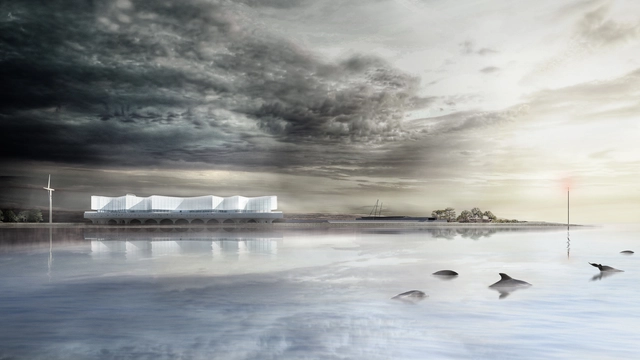
From the competition for the Gabriela Mistral Cultural Center to the competition for the restoration of Palacio Pereira, architectural competitions have enabled the design and construction of many iconic buildings in Chile's history. To recognize architectural competitions as a platform for professionals and students to not only showcase their creativity and skills, but also to secure the preliminary design that best meets a building's requirements, we have selected some of Chile's most successful architectural competition results.
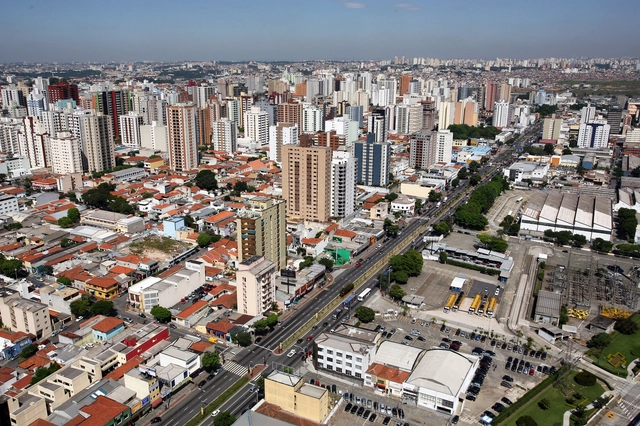
On the first of this month, São Caetano do Sul (SP) implemented free fares on municipal buses through its "Zero Fare Program." Far from an isolated initiative, the measure aims to encourage public transportation use, providing direct savings to residents while improving air quality.
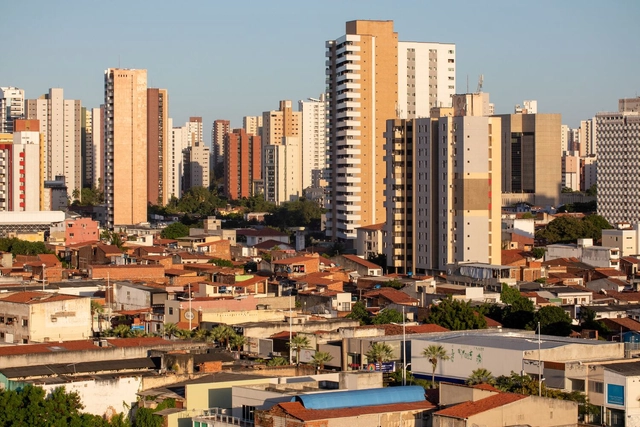
The ten cities selected to compete for $9 million in the Sustainable Cities Challenge, a global mobility initiative by the Toyota Mobility Foundation in partnership with Challenge Works and the World Resources Institute, have been announced. The list of selected cities includes Fortaleza, Brazil, as well as cities in Colombia, India, Italy, Malaysia, Mexico, the United Kingdom, and the United States.
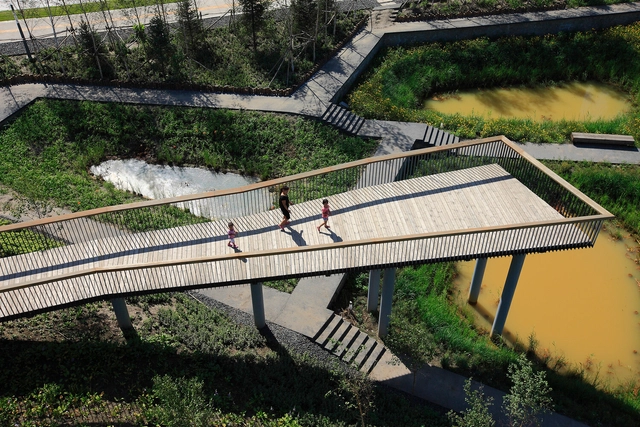
The climate emergency manifests itself in Brazilian cities in various ways: floods in the South, coastal surges in Rio de Janeiro, storms causing power outages in São Paulo, wildfire smoke in Manaus, droughts in Amazonian rivers, and heatwaves in the Midwest. Therefore, integrating the fight against climate change into public planning is crucial.
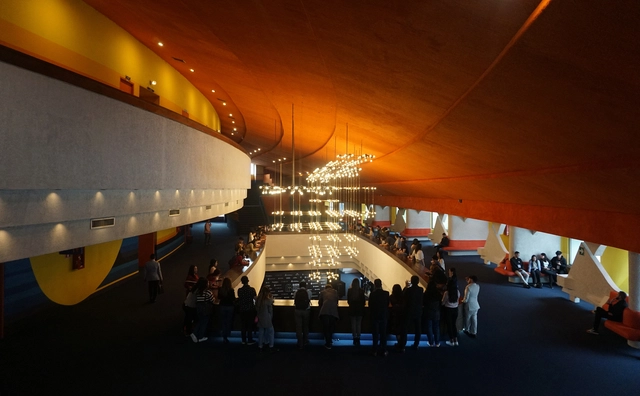
On November 15, the Guatemala Architecture Biennial 2023 opened at the Miguel Ángel Asturias Cultural Center—one of the country's most important performing arts venues. While the previous 2021 edition recognized the importance of the city, architecture, and urban planning under the theme 'Mobility,' this latest iteration focuses on 'Public Space' under the slogan 'The City, Without Walls.' Over three days, this new approach will highlight public space as one of the most vital elements in urban planning, with a significant impact on citizens' social, psychological, and physical well-being.
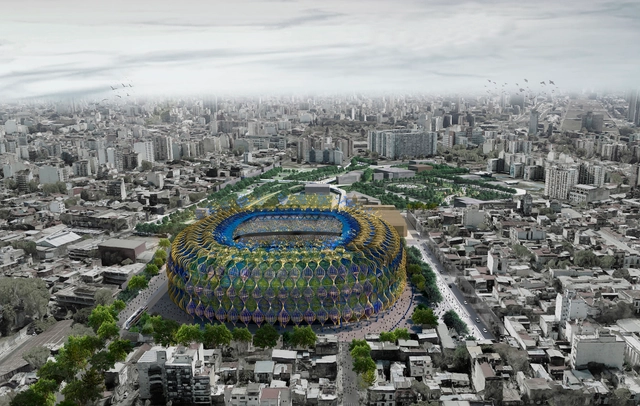
The School of Architecture and Design at the University of Morón (ESAD) has presented the expansion and renovation project for the Club Atlético Boca Juniors stadium, widely known as La Bombonera, located in the Autonomous City of Buenos Aires, Argentina. Led by Alejandro Borrachia alongside a team of ESAD professors and students, the project proposes rethinking the stadium's capacity and its adaptation to modern demands, aiming to address the needs of club members and officials, the social issues affecting local residents, and the city's environmental challenges.
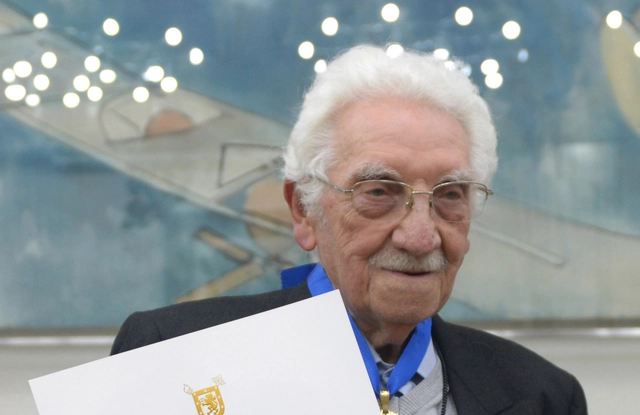
The Universidad de Santiago de Chile awarded its highest academic distinction to architect Miguel Lawner Steiman, who received an honorary doctorate on November 16.
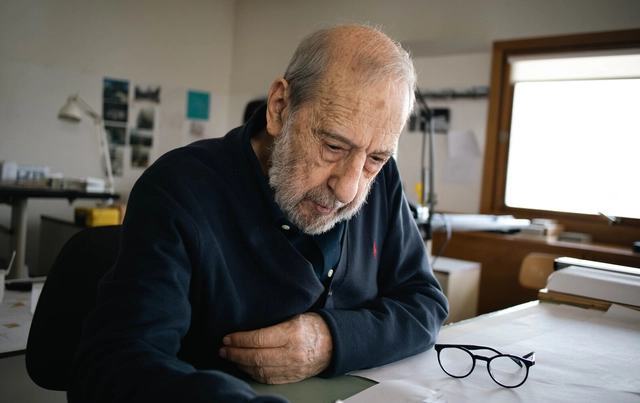
Álvaro Siza, Portugal's first Pritzker Laureate, is undeniably a figure of major importance in the history of contemporary architecture, with projects that have reshaped the urban landscapes of numerous cities around the world. While his name and work are widely known, Siza is a highly private and introspective person who prefers to keep his personal life out of the spotlight.
Directed by producer and director Augusto Custódio, the documentary SIZA offers a more intimate and personal look at the renowned Portuguese architect. The film covers his childhood, his relationship with his wife, his passion for sculpture, and his admiration for classical music, exploring his influences and professional journey.
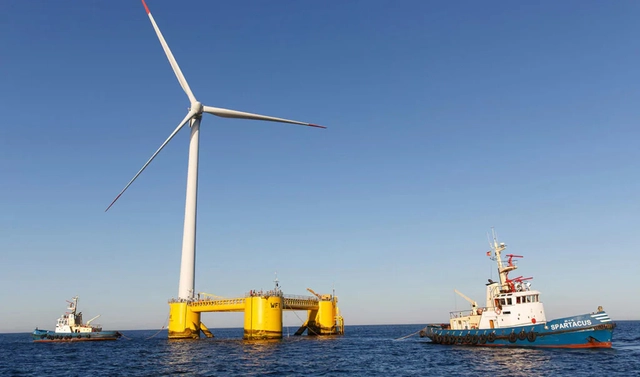
Between October 31 and November 6, 2023, Portugal produced more than enough renewable energy to meet the entire country's demand. While fossil fuel plants were still operational, the clean energy generated was more than sufficient to supply the grid. Consequently, consumer electricity rates dropped drastically.
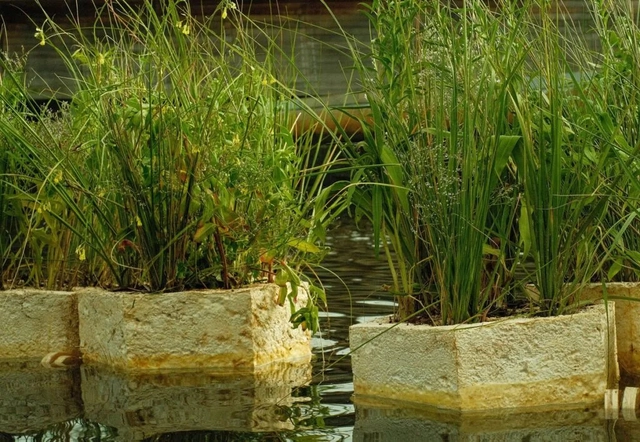
Using plants to filter impurities from lakes and rivers is already a common practice in sustainability. It is an alternative that avoids artificial chemicals in favor of maintaining a balanced ecosystem. Now, students at the Rhode Island School of Design (RISD) have gone a step further, creating floating planters made of mycelium to clean pollutants from waterways while restoring wetland habitats.
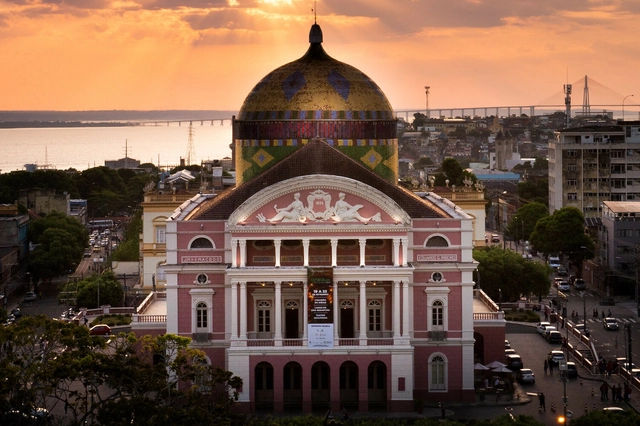
Teatro Amazonas in Manaus and Theatro da Paz in Belém could soon achieve recognition as UNESCO World Heritage Sites. The first step toward this distinction for the Amazon theaters will be taken between December 13 and 15, during the first mobilization workshop in Manaus. This event will gather representatives from the governments of Amazonas and Pará, the city halls of Manaus and Belém, civil society, researchers, and the National Institute of Historic and Artistic Heritage (IPHAN).
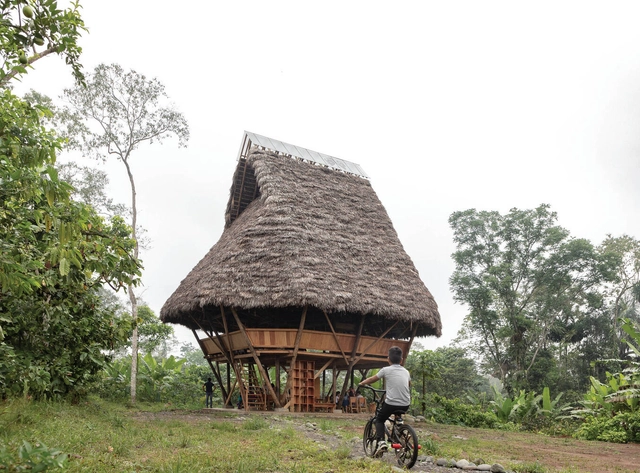
The Fondazione Teatro dell'architettura has announced the architecture firm Al Borde (Ecuador) as the winner of the 2024 BancaStato Swiss Architectural Award. Founded in Quito by Pascual Gangotena, David Barragán, Maríaluisa Borja, and Esteban Benavides, Al Borde conceives a collective approach to design and construction, paying special attention to climate variables, the involvement of local communities, traditional construction techniques, and innovation. As they state, Al Borde “inhabits the territory of questioning, where certainties about what architecture should or should not be are constantly under construction.”
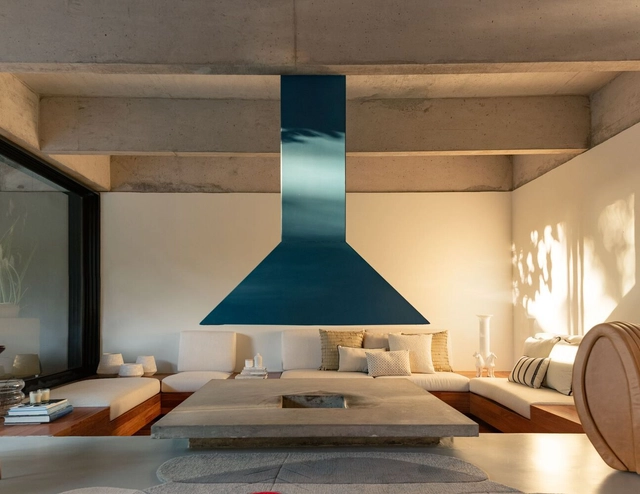
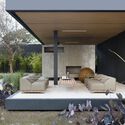
We are about to enter the coldest season of the year in the Southern Hemisphere: winter. When considering how to heat a home, one of the first solutions that comes to mind is the fireplace. After all, the fire brings warmth and provides a cozy gathering space. In addition, its design and placement can be key to the spatial composition of a room.