This double issue covers, in 390 pages, more than a decade of work by the Barcelona studio Peris + Toral, through a selection of projects that place collective housing at the center of the contemporary architectural debate.
We, a group of ten hens (in collaboration with Outsider Magazine), are launching an architectural competition. We need a new chicken coop. Our living standard has not changed significantly for centuries: a few planks, some straw, and the simple logic of “keep it covered and closed so the fox can’t get in.” While people debate living, sustainability, structure, materials, light, and microclimate, hens remain stuck in a kind of pre-modern era—which, let’s be honest, does not reflect well on the progress of architecture for animals.
Meet the architects and designers of the future as their newest work comes together, and take a peek behind the doors of the world's #1 university for art and design.
Today, interdisciplinary learning and exchange are more important than ever in addressing increasingly complex environmental, social, and urban challenges.
Each summer, the University of California, Berkeley's College of Environmental Design (CED) becomes an intensive laboratory for architectural, landscape, and urban exploration. Through two complementary programs—Design + Innovation for Sustainable Cities (DISC) and the Summer Institutes—Berkeley offers an immersive curriculum grounded in disciplinary rigor, intentional exchange, and a shared institutional culture. Together, these programs reflect CED's long-standing multidisciplinary structure, with architecture, landscape architecture, city planning, and urban design thriving and collaborating under one roof.
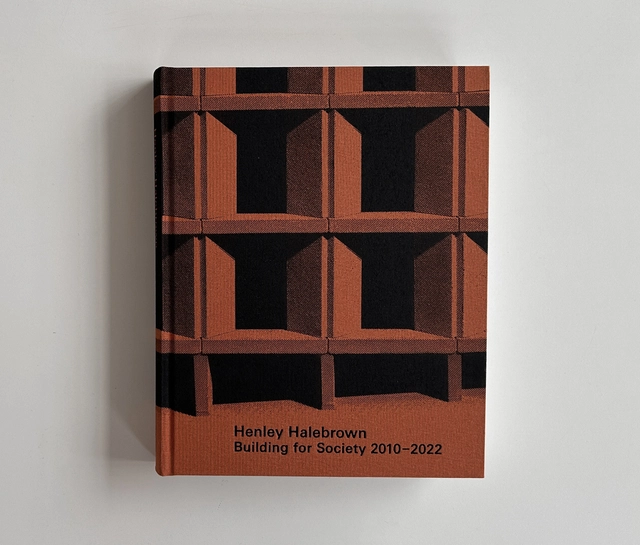
Henley Halebrown: Building for Society cover image
Lund Humphries has released Building for Society: Henley Halebrown Built 2010–2022, a new monograph reflecting on Henley Halebrown architects' recent work and ongoing commitment to an architecture that emphasises the profession's civic role as a creative and cultural act.
The ATN Summit is a bold new conference at the intersection of architecture, technology, and entrepreneurship. Taking place in London on 18–19 March 2026, the summit brings together leading architects, technologists, innovators, and AEC influencers for two days of visionary talks, hands-on workshops, and meaningful networking.
Videos
Second Prize Winner: Branch. Image Courtesy of Buildner
Buildner has announced the results of the Howard Waterfall Retreat architecture competition, an international design challenge developed in close collaboration with the Howard Family Trust. The competition invited architects and designers to propose a multi-generational family retreat set within a privately owned, forested landscape in Northwestern Pennsylvania, centered on the dramatic presence of Howard Falls and the surrounding gorge.
Rather than prescribing a singular architectural solution, the brief emphasized a careful dialogue between architecture and nature. Participants were asked to consider how a retreat could balance shared and private living, respond to steep topography and water systems, and integrate sustainably within a sensitive ecological setting. The project also called for an interpretation of family legacy, encouraging designers to acknowledge the history of the site and the original summer cottage while imagining a retreat capable of evolving across generations.
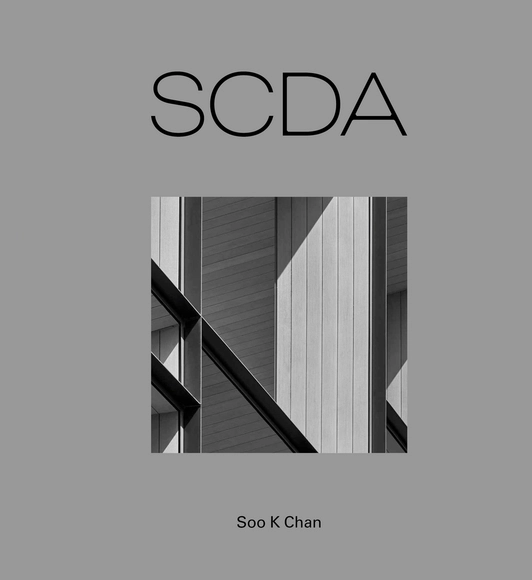
SCDA celebrates the acclaimed firm’s extensive portfolio of work across the globe—from Singapore and China to the United States. Through SCDA’s diverse array of projects, spanning mixed-use high-rises, hospitality venues, commercial and institutional developments, and residential masterpieces, the monograph showcases Soo K. Chan’s mastery of shaping unique spatial experiences that transcend conventional boundaries. At the heart of SCDA’s design ethos lies a meticulous attention to detail and a profound understanding of form, light, and scale. Whether it’s crafting inviting public landscapes or sculpting dynamic high rises, Chan’s architectural visions tell a compelling story of harmony between the built environment and its natural surroundings.
Celebrating 50 Years of Design Excellence: A Legacy of Positive Consequence showcases Trivers’ enduring commitment to creating architecture that shapes communities and leaves a lasting impact. Featuring a selection of significant projects, the book underscores the firm’s dedication to historic preservation, adaptive reuse, sustainability and innovative solutions to complex challenges. As Trivers’ first publication, it honors the firm’s history and milestones while looking ahead to a future shaped by the transformative power of design.
This third volume in the monograph series of work by Jones, Partners: Architecture picks up where the previous volume El Segundo left off. Aft er 10 years of costal habitation in El Segundo, the office has relocated near SCI-Arc in an industrial district of DTLA (Downtown Los Angeles) where Jones is teaching and many of the team members have matriculated or are studying. Alameda covers much of the work done in this location between 2007 and 2013, in 330 densely packed (but artfully designed, by Afton Klein Group) pages, including quintessential “machines” in text and building-form, as well as various esquisse interludes and over forty pages of the firm’s signature graphic design – reproduced in convenient tear-out sheets of promotional posters, competition boards, and other client presentation material. As the title suggests, the spirit of the work continues to be BOSS, but this volume also records a new and ongoing exploration of what Jones terms “hard modernism,” which is to architecture what hard cider is to apple juice. This particular work sees itself as continuing the evolution of the machines for living as mechanisms for contemporary meaning.
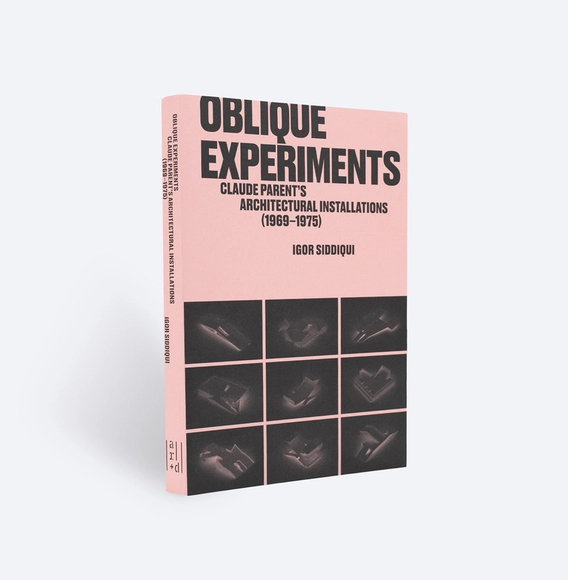
With the radical proposition of life on inclined planes—a theory known as the oblique function—the French architect Claude Parent sought to free architecture of orthogonal form, renew its social relevance, and inspire people’s interest in the built environment. Oblique Experiments: Claude Parent’s Architectural Installations (1969–1975) explores the significance of a series of temporary interventions that he designed in an attempt to convert his theory into practice. Referred to as practicables, these installations incorporated oblique geometries, involved interdisciplinary collaboration, and made themselves at home in existing buildings, often inside of French cultural centers known as maisons de la culture. Using rarely published archival materials as well as new drawings produced by the book’s author, Oblique Experiments brings overdue attention to this series of architectural experiments with enduring intellectual and creative appeal. Moreover, the book prompts the reader to imagine the radical potential of obliqueness in a range of contemporary practices—beyond the literal prospect of life on sloped floors. As such, Oblique Experiments builds upon Parent’s work in order to imagine new forms of experimentation in architecture, design, and art.
Soundscape Architecture presents historical examples, design projects and art works related to the sonics of architectural spaces and landscapes. This work grew out of our interest in listening to places that sponsor distinct sonic characteristics with specific and memorable identities. We have addressed this challenging design territory by beginning with the act of listening itself. We record the spaces, create new compositions from the recordings, draw (by hand and digitally) the sounds of these compositions, animate these drawings, and then create digital paintings as a memory of this process. We also present sonic installations, projects, and other exemplary art works as creative demonstrations that support the act of listening to the atmospheres of our natural and built environments.
This 12th volume of Prospectiva delves into the complexity and richness of contemporary architecture in Colombia. This territory is traversed by geographical, social and political tensions, demanding precise and imaginative architectural responses.
Fast Forward: How HKS Shapes the Future of Design showcases recent work by global design firm HKS and offers a look ahead to the future of innovation in architecture and design. The firm’s portfolio of architecture, interior design, urban planning and research demonstrates how HKS contributes to improving communities and transforming the design industry. For more than 85 years, HKS has brought a depth of knowledge and expertise to clients spanning diverse markets and sectors, crafting design solutions that rise to meet the challenges of today and tomorrow. The firm is now poised to continue its path of progress, influencing how the combined power of technology and design thinking will be an asset to society throughout the 21st century.
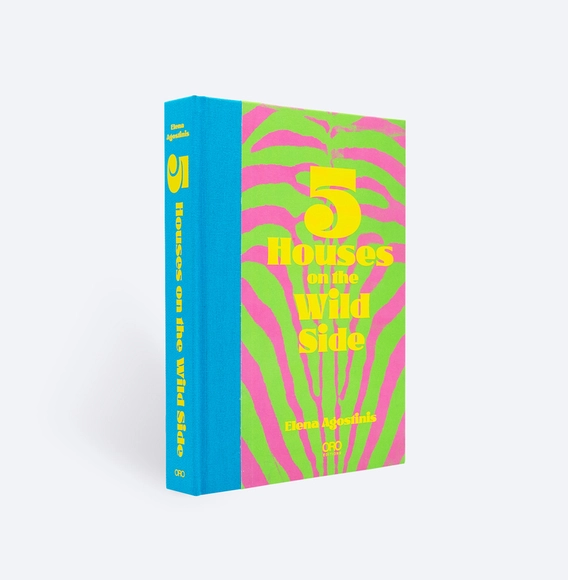
5 Houses on the Wild Side is a visual feast showcasing the wildly imaginative, rules-free, cozy and sumptuous interiors Elena Agostinis has created for her family’s homes in New York, Montana, and Mexico.
Videos
First Prize Winner: Edge of presence. Image Courtesy of Buildner
Buildner has announced the results of its Re-Form: New Life for Old Spaces, an international ideas competition examining the adaptive reuse of small-scale existing buildings. The competition invited architects and designers to propose transformations of used, abandoned, or overlooked structures with an approximate footprint of 250 square meters, located anywhere in the world. With no fixed site or program, participants were encouraged to explore alternatives to demolition and new construction through reuse strategies grounded in contemporary social and environmental concerns.
As an open-format competition, Re-Form foregrounded sustainability, feasibility, and community impact over formal or typological constraints. Submissions ranged from precise urban insertions to more speculative rural interventions, reflecting a broad range of approaches to working with existing fabric. Many projects focused on how limited, often marginal spaces could be reactivated to support new forms of collective use while responding to material, climatic, and ecological conditions.
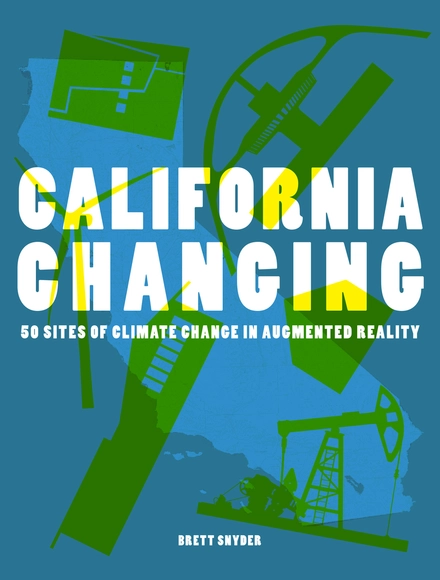
The state of California has emerged as a pioneering force in designing for climate change, yet it has also faced the devastating impacts of numerous climate-related disasters, including droughts, wildfires, and rising sea levels. This book offers a unique climate change tour, delving into architectural scale sites across the state. From innovative houses using sustainable techniques to historical locations ravaged by the combined forces of drought and wildfire, the book explores a range of poignant examples. The main visual contents are a set of architectural site illustrations that are each enhanced by an augmented reality component showcasing the interplay between past, present, and future scenarios. The publication caters to architects, landscape architects, planners, design enthusiasts and general audiences alike, fostering a curiosity about climate change and its relevance to our daily lives.