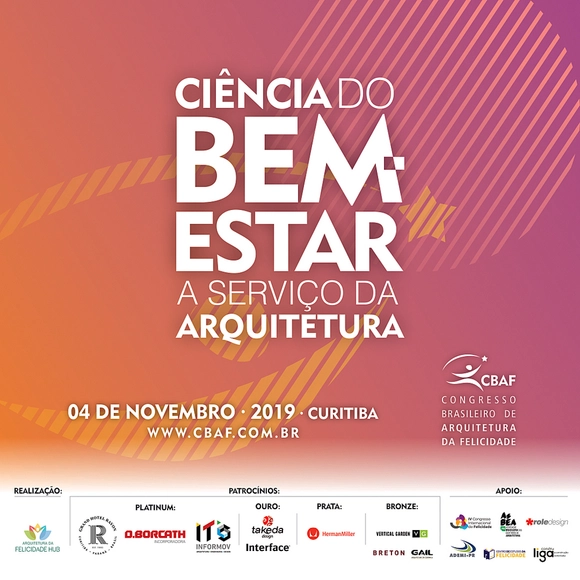
This November, Curitiba will be the capital of happiness!
This November, Curitiba will be the capital of happiness!

With 6 editions and 22 guests across Chile, Ecuador, and Costa Rica, #XFORMAS (X Ways of Making Architecture) will be presented at the XXI Chile Architecture and Urbanism Biennial 2019 this October.

With six editions and 22 guests across Chile, Ecuador, and Costa Rica, #XFORMAS (X Ways of Making Architecture) will present two featured sessions at the XXI Chile Architecture and Urbanism Biennial 2019 this October.
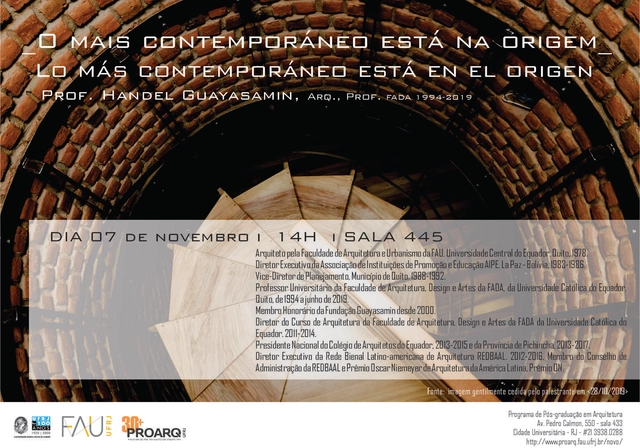
Contemporary architectural production is often debated through the lens of various qualities: being modern, techno, sustainable, local, austere, functional, or authentic, among others. These are various ways of being, many of which converge within a single project.
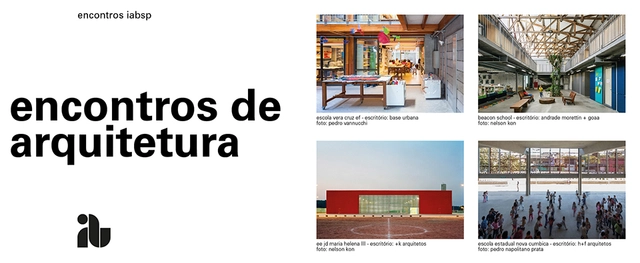
Starting in June 2019, the IABsp professional platform will launch the "Architecture Encounters" series. The series aims to discuss contemporary Brazilian architectural production through a thematic lens. Each session will feature active professionals in the field and will be moderated by an external guest or a member of the IABsp curatorial group.
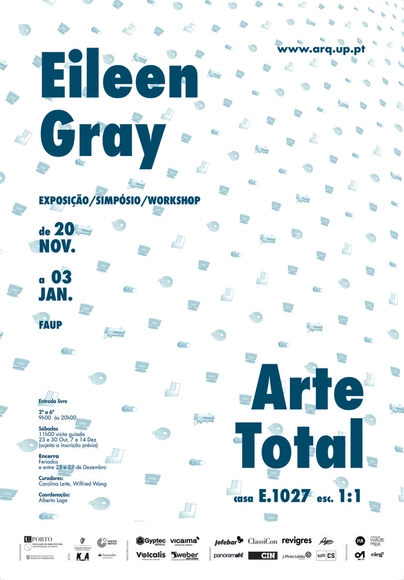
On the rocky hillside of the Côte d'Azur in Roquebrune-Cap-Martin, Anglo-Irish designer Eileen Gray (1878–1976) built a long, white vacation home she named E.1027 (1926–1929). At 52, this was her first foray into the world of architecture, realized with the support of her then-partner Jean Badovici, editor of the avant-garde magazine L’Architecture Vivante. For Gray, E.1027 was more than an opportunity to apply new spatial concepts; it served as a manifesto, revisited in her subsequent projects, for which she designed not only the architecture but also virtually every object and piece of furniture—creating a total work of art represented in this 1:1 scale exhibition.
As we stand at the threshold of the third decade of the 21st century, looking back at the previous century, we believe certain debates will prompt reflections such as: "How did we get here?" and "What do we do now?"

ARQ. FUTURO HOSTS "LEARNING TO LIVE IN THE CITY" COURSE AT SESC SÃO PAULO AND ESCOLA DA CIDADE

João Pessoa will host council members of the Institute of Architects of Brazil for its 156th national meeting. Architects and urban planners from across the country will gather from April 24 to 27 to address matters concerning the organization.
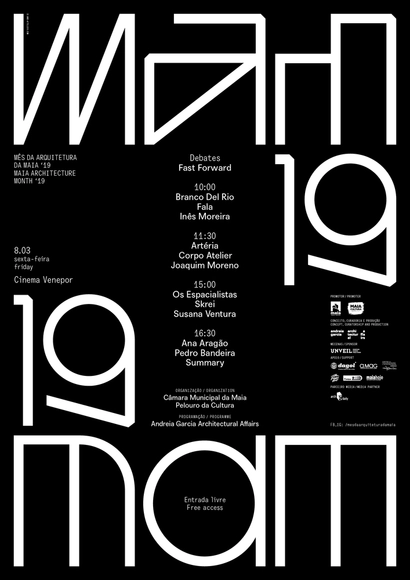
Debating the Future of the City and Architecture at MAM'19 – “Fast Forward”
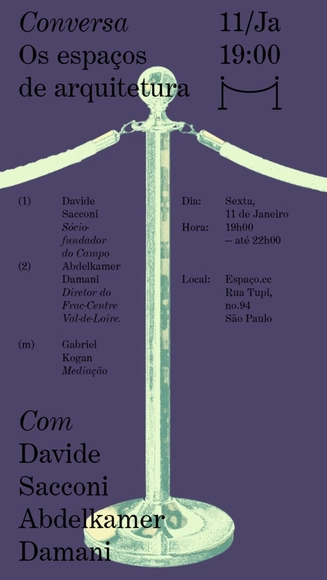
On Friday, January 11, 2019, a discussion on architectural spaces will be held with architects Davide Sacconi and Abdelkader Damani, moderated by Gabriel Kogan. The event will feature two institutions, exploring their different scales, audiences, content, and approaches, as well as potential dialogues with the Brazilian scene. The event is free and open to the public.

The Regional Meeting of Architecture and Urbanism Students (EREA) is an annual event held in each of the Federation's regions. EREA addresses topics related to our education, providing students with opportunities for debate, knowledge acquisition, and the exchange of experiences. These interactions strengthen reflection on various issues concerning architectural and urban education and professional practice, particularly in light of the challenges inherent in urban development and social organization. EREA plays a fundamental role in building and structuring the regional architecture and urbanism student movement. By bringing together hundreds of students, dozens of grassroots organizations, and collectives around common agendas, it fosters local mobilization within their respective cities and universities.
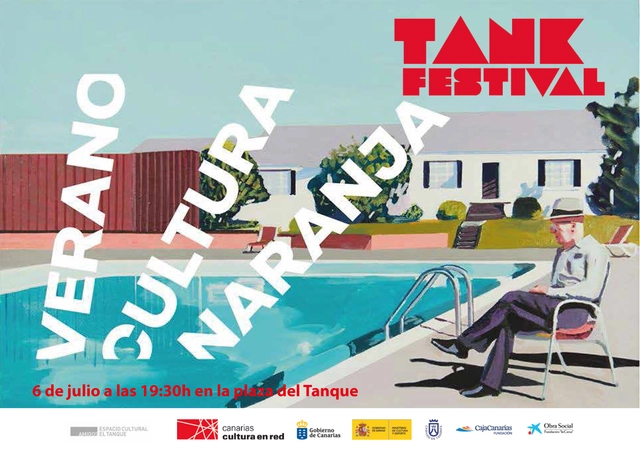
As part of the fifth edition of the Tank Festival, on July 6, 2019, at 7:30 p.m., in the vacant lot currently surrounding the El Tanque Cultural Space in Santa Cruz de Tenerife, the works of more than 30 artists will be displayed—literally—on a tower created from wooden chairs. This action will advocate for strengthening the Cultural Space through consistent programming and appropriate public funding, as well as for the renovation of its surroundings based on the design by architect Fernando Menis, who proposed a banana tree garden.
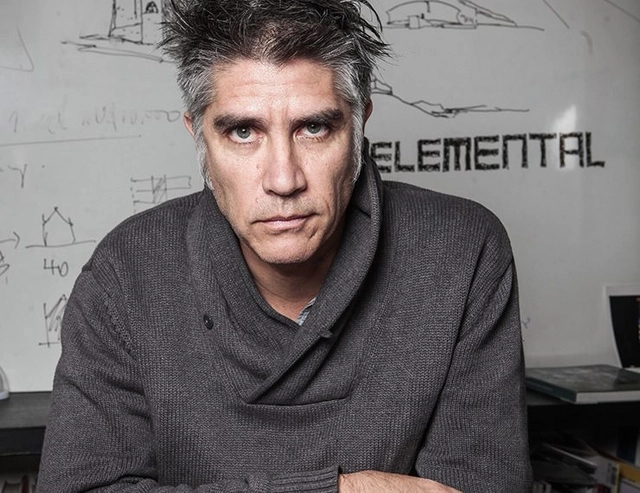
Chilean architect Alejandro Aravena (1967), Pritzker Prize laureate and curator of the 2016 Venice Architecture Biennale "Reporting From the Front," holds a position of particular relevance in contemporary architectural debate and production.

On August 26 and 27, the second workshop of the project will take place, themed: “Comprehensive City – A New Vision of the Metropolis.” The proposal is to reflect on the issues surrounding large metropolises in the 21st century, focusing primarily on the perspective of people, the connections created between them and the city, and, above all, how architects, as professionals, can act as mediators in the challenges of the contemporary city.
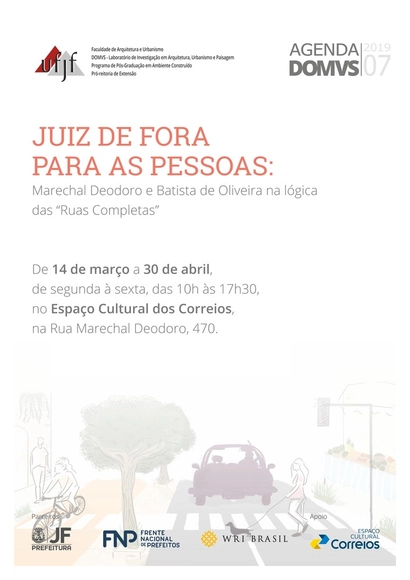
The Faculty of Architecture and Urbanism at the Federal University of Juiz de Fora and the DOMVS research group, in partnership with the Juiz de Fora Department of Transportation and Traffic, the National Front of Mayors, and WRI Brasil, cordially invite you to the exhibition "Juiz de Fora for People: Marechal Deodoro and Batista de Oliveira through the lens of 'Complete Streets,'" running from March 14 to April 30 at the Correios Cultural Space, located at 470 Marechal Deodoro Street, Juiz de Fora (MG).
The "Modern Architecture in São Paulo" course is offering special editions in July and August dedicated exclusively to Lina Bo Bardi. The sessions will provide historical-critical theoretical approaches to the architect's work, in addition to guided tours of two projects: MASP and SESC Pompéia. During these visits, the architecture will be experienced and discussed in detail on-site.
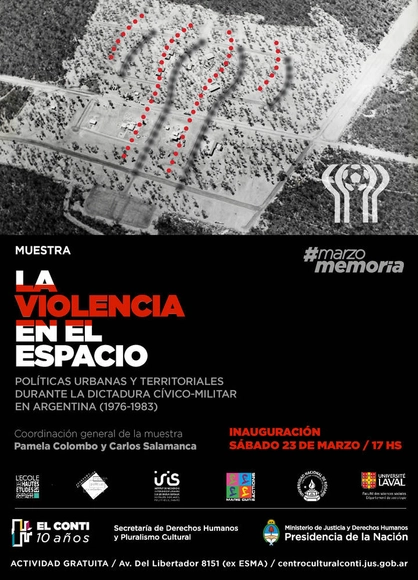
Slum eradication programs, highway construction, the creation of strategic towns, the redesign of public spaces, the building of stadiums, and the repurposing of cities for the "World Cup celebration": these are some of the territorial and urban projects carried out during the last military dictatorship in Argentina (1976-1983) that this exhibition examines. It is a spatial reorganization carried out at all scales and across all regions of the country, which directly impacted broad sectors of the population and permanently transformed Argentine society.