The Municipality of Rionegro and the Colombian Society of Architects (Antioquia Regional Chapter) are launching a national public competition for the basic design and preliminary urban, landscape, and architectural project for the Río Negro Park, "Paisajes del Agua" (Water Landscapes), in the municipality of Rionegro, Antioquia.
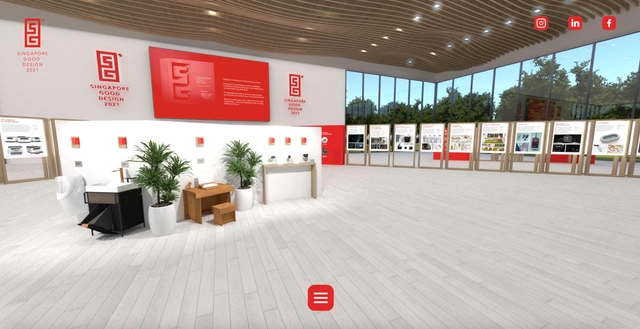
Singapore’s multidisciplinary design chamber, the Design Business Chamber Singapore (DBCS), is set to showcase the designs of its annual Singapore Good Design Awards (also known as SG Mark) winners in its first-ever virtual exhibition, which will run from 1 September to 31 October 2021.
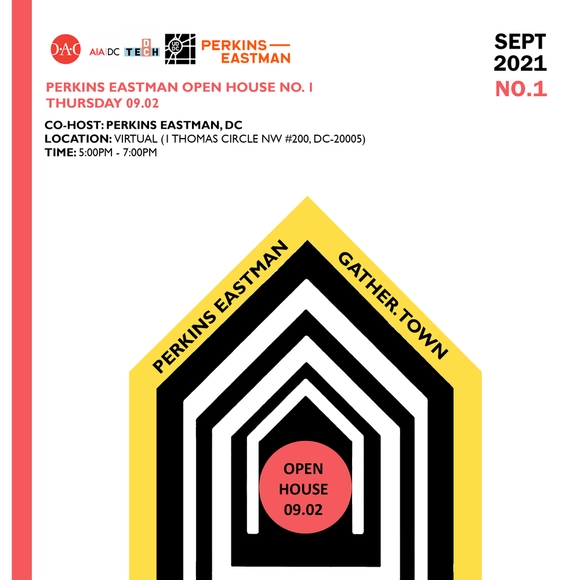
Join the AIA|DC Urban Design Committee & Technology Committee for our 2021 Open House Series at leading architectural and urban design firms in DC as they virtually showcase projects currently in planning, design, or construction phases.
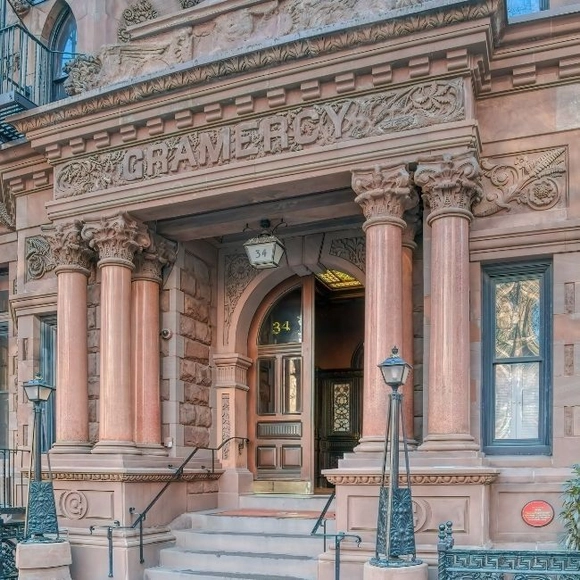
“First impressions count” has been the watchword since the first luxury apartment house opened in 1884. Entrance doors and their embellishment set the mood of an apartment building and form the dividing line between public and private space, serving multiple functions: to welcome yet protect; attract yet repel; impress yet be reticent.
Graphisoft will host its annual global event online, September 14-16. Building Together 2021 will offer insights into the most challenging and critical issues facing architects and engineers today. Through a carefully curated online program, the conference will highlight critical themes in the AEC industry, with more than 30 leading architects and experts from around the world participating.
The conference will delve into such topics — among others — as the growing focus on sustainability and climate resistance and architecture's role in fostering equity and social justice. On Day 1 of the conference, there will be a special focus on educating the architects of the future. The roundtable debate will be followed by the presentation of the results of Graphisoft's global recruitment survey entitled Hiring the Next Generation of Architects. The results will reveal what companies look for when hiring new talent, as well as what students, fresh graduates, and new hires should focus on when applying for jobs in their chosen field.
The Official Portuguese Representation at the 17th International Architecture Exhibition of La Biennale di Venezia presents two new panel discussions to be held at the Portugal Pavilion for the 2021 Biennale Architettura, located at Palazzo Giustinian Lolin.
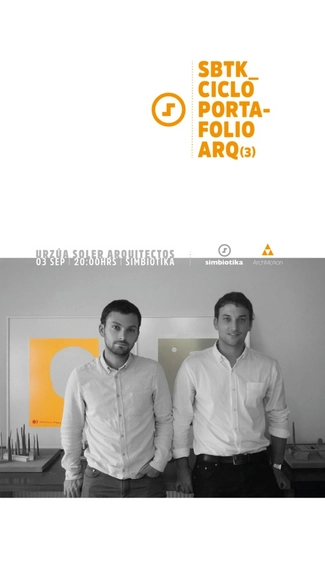
Simbiotika and Archmotion present the Portfolio Cycle featuring Urzúa Soler Arquitectos, a firm that seeks to enhance the spatial experience through design and construction. Their approach focuses on material development, structural modulation, the construction of intermediate spaces, and the pursuit of an architectural form that expands the possibilities of each commission, always considering its use, program, expression, and context to develop a habitable piece that resonates with its user.
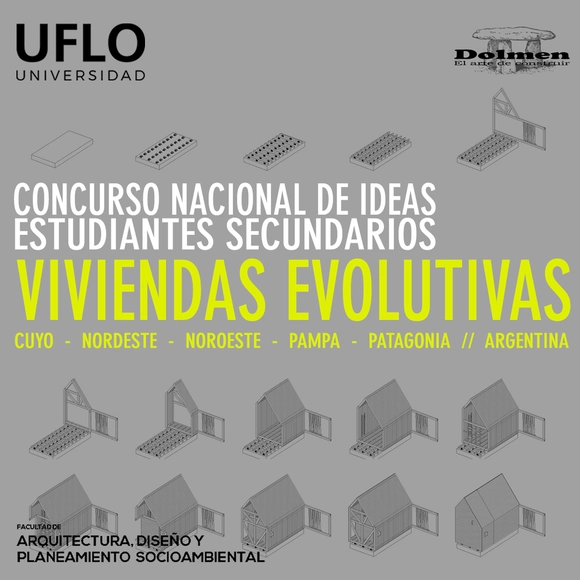
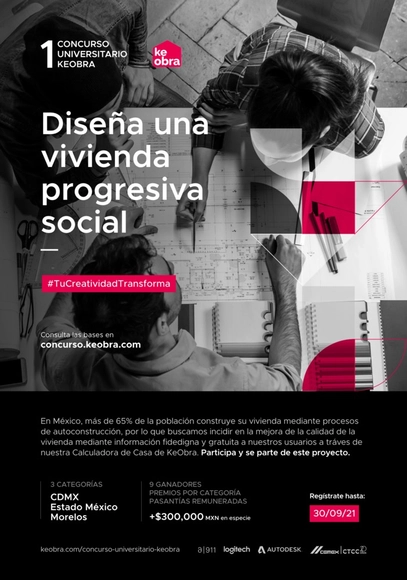
The competition aims to design evolutionary housing capable of responding to growth needs in stages, adapting to the qualities of each territory, community, culture, and user.
This work is designed to provide educators with didactic strategies applied in the first design studio of an architecture program: Architecture Studio 1 (PA 1).
1st Photography Competition: Portraits of the Pandemic in Architecture by Minimum.
In our first photography competition, we invite all enthusiasts of the art—architects and non-architects alike—to capture what they consider most significant and striking when asked: What has the pandemic brought to the world of architecture?
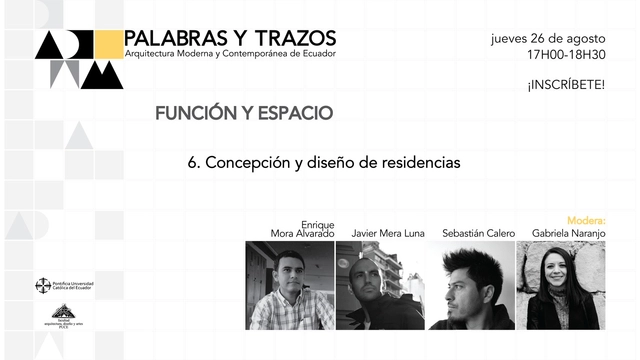
Palabras y Trazos brings together architects of different generations who develop projects highlighting their interest in architecture as a city-shaping element that integrates urban, environmental, heritage, and identity values.
The Alberto Cruz C. Foundation, in collaboration with the Amereida Cultural Corporation and the School of Architecture and Design at the PUCV, hosted a seminar focused on the architectural work of Cruz Covarrubias, which transcends and complements his career in academia.
Giorgio De Vecchi / Giulia Di Lenarda - gerdastudio
Live online conference featuring the curators of the Chilean Pavilion at this year's Venice Architecture Biennale, discussing the process and experience of their participation. Organized by the Universidad Mayor School of Architecture, the session will be presented by Emilio Marín and Rodrigo Sepúlveda, and moderated by Marco Beovic.
KeObra invites you to the first roundtable discussion, "The Role of the Architect in Self-Construction or Self-Production of Housing," which stems from the preparation for the 1st KeObra University Competition: Design a Progressive Social Housing Project. https://keobra.com/concurso-universitario-keobra The panels will be composed of members of the competition jury. In this first session, we will discuss self-construction, the importance of professional architectural guidance, the role of the architect, lessons in participatory architecture, and the mutual growth of both the self-builder and the architect.
The Colegio de Arquitectos de Chile is celebrating another anniversary with a series of free, fully online activities. This milestone began on Wednesday, August 4—the 79th anniversary of the enactment of Law 7.211, which established the Colegio de Arquitectos in 1942—marking the start of the Month of Architecture.
Graphisoft will host its annual global event online, September 14-16. Building Together 2021 will offer insights into the most challenging and critical issues facing architects and engineers today. Through a carefully curated online program, the conference will highlight critical themes in the AEC industry, with more than 30 leading architects and experts from around the world participating.
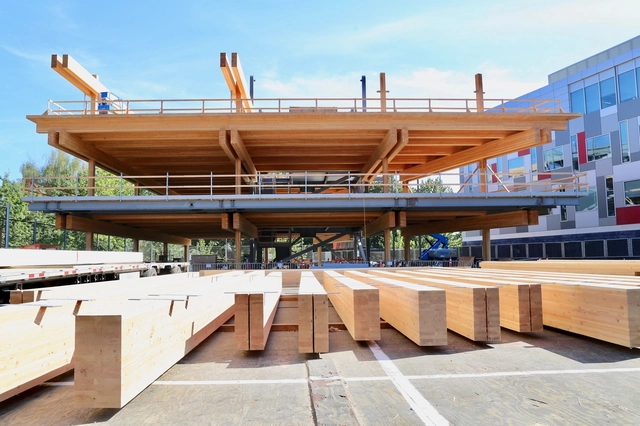
Adidas North American Headquarters Expansion in Portland, OR. South Building under construction showing the timber and steel system. Image Courtesy of LEVER Architecture
The family of products that encompass mass timber –including Cross-Laminated Timber (CLT), Glue-Laminated Timber (Glulam), and Mass Plywood– is increasingly becoming a viable construction alternative for the AEC industry. Timber has been a structural material for thousands of years, but these engineered wood products have broadened the field of options and provided a solid basis for architectural designers to work with, expanding upon their range of materials and finishes.

.jpg?1629998793&format=webp&width=640&height=580)