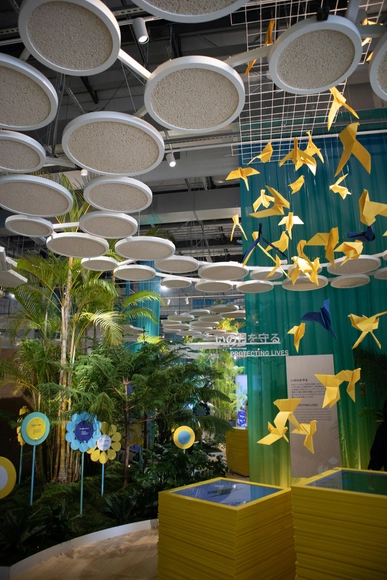
Hempstatic produced 43 bio-based panels, which are hung from the ceiling to create a cloud-like constellation. The panels are made fully of bio-based materials: hemp, lime, and wood.
The World Expo inspires individuals to question their assumptions about sustainability, society, and technology. Hempstatic supports Osaka's 3R initiatives, including using recycled, reusable, and recyclable materials. At the World Expo, visitors are put into interactive settings where they design future societies for their lives. At the European Pavilion, saving lives is put at the forefront, which is where the start-up Hempstatic exhibits their installation.
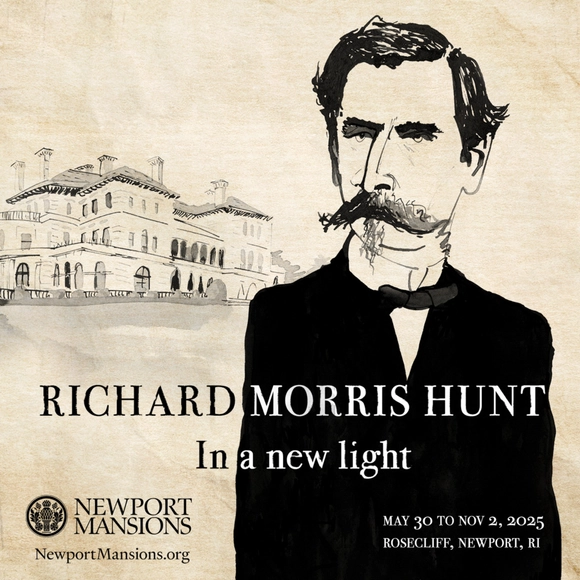
Richard Morris Hunt has long been associated with contributions of extraordinary architecture, including The Breakers and Marble House, that provided the grand backdrop for America’s Gilded Age.
Join us for a WTG? Green thread - live online meetup where we'll open the doors to this growing community aimed to bring together urban change-makers to accelerate nature driven transformation! Whether you're 𝐚𝐥𝐫𝐞𝐚𝐝𝐲 𝐚 𝐦𝐞𝐦𝐛𝐞𝐫, 𝐫𝐞𝐜𝐞𝐧𝐭𝐥𝐲 𝐣𝐨𝐢𝐧𝐞𝐝, or 𝐣𝐮𝐬𝐭 𝐢𝐧𝐭𝐞𝐫𝐞𝐬𝐭𝐞𝐝 in exploring what we do, this session is for you!
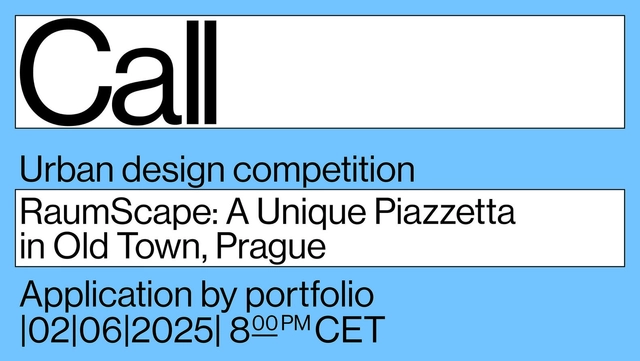
The 2025 National Single Stair Architectural Design Competition invites designers to rethink multifamily housing through the innovative use of single-stair configurations. Entrants are challenged to create affordable, efficient, and livable mid-rise buildings that maximize density, light, and ventilation.
Assemble! at Copenhagen Architecture Biennial 2025
The ecological crisis demands a building sector operating within planetary boundaries. But significant structural barriers block the road. Over two action-packed days, you’ll gain the tools, strategies, and narratives to overcome them.
Our shared goal is clear: create a building sector that operates within planetary boundaries and ensures a thriving future for both people and planet. Systemic change can’t happen in silos.
That’s why Assemble! brings together architects, engineers, economists, developers, legal experts, and practitioners to rethink the regulations, ownership models, and design processes that quietly define our cities.
Assemble! is a structural experiment, a policy rehearsal, and a launchpad for bold
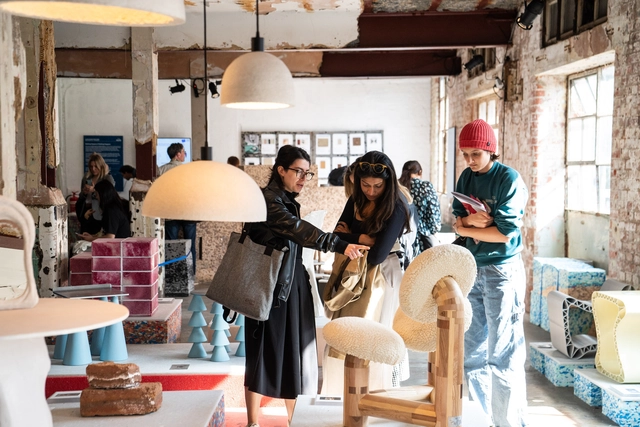
Material Matters makes its international debut at 3daysofdesign, Copenhagen, from 18–20 June 2025. Taking place at Ukraine House in Denmark, Gammel Dok, Christianshavn, the fair presents a curated selection of 11 pioneering brands, designers, and makers from across Europe and the USA. Set in a striking historic venue, the event invites visitors to explore the role of material innovation in contemporary design. Exhibitor highlights include AHEC Europe and Hydro. As a key destination within the Christianshavn District, the show offers a unique experience at the heart of Denmark's leading design festival.
On April 23-24, 2025, at the ACCIONA Campus, the second edition of the NEXT IN Summit, hosted by ACCIONA Living & Culture, brought together global leaders in museology, architecture and art. Inaugurated in the presence of Madrid's mayor, José Luis Martínez Almeida, the event highlighted best practices in cultural space design, management, and innovation. Esteemed figures such as architect David Chipperfield, Glenn D. Lowry, director of MoMA, digital artist Rafael Lozano-Hemmer, and Mariët Westermann, director and CEO of the Solomon R. Guggenheim Museum, led discussions on the future of cultural institutions.
📌 Mircea cel Bătrân Square is the social and administrative center of Tulcea Municipality, easily accessible from all areas of the city and historically and spatially connected to the Danube waterfront.
Enter The Last Nuclear Bomb Memorial / Edition #6 Architecture Competition now! 10,000 € in prize money! Closing date for registration: November 13, 2025
With the future in such a state of uncertainty and political relationships more strained than ever, there is one silent threat that could prove more deadly and dangerous to humanity than a hundred pandemics: nuclear weapons.
Together, let's all go to the sports center! More than $30,000 in prizes to promote invisible accessibility
The Faculté de l'aménagement at the Université de Montréal is pleased to announce the launch of an international, multidisciplinary and anonymous ideas competition, reserved for students, to create inclusive experiences at the CEPSUM, the Université de Montréal's sports center. With a total of $31,500 in prizes, the competition promotes the idea of invisible accessibility, an experience of the built environment that is of high quality to all, where the design of accessibility is integrated in an indistinguishable manner, and where universal accessibility is envisaged as a global state of the project experience, rather than a dedicated path made up of identifiable and visible solutions. Participants are invited to propose transformative ideas that offer inclusive and equitable experiences for all users. The competition is structured around three typical sports center experiences that are not currently universally accessible: 1. The main entrance - Rethinking the entrance and reception of the sports center; 2. Carabins stadium - Improve the game-going experience; 3. The pool - Creating an inclusive swimming experience. The proposals received over the summer will be evaluated by a multidisciplinary jury of eight experts. For each of the three experiences, three winning projects will be selected, making a total of nine winners. All proposals will be presented in October 2025 at a conference organized by the Faculté de l'aménagement, bringing together researchers working on accessibility in the built environment. « We warmly welcome students from around the world to propose bold, creative ideas that reimagine universal accessibility—not as an add-on, but as an integral, seamless, and uplifting experience for everyone, says Carmela Cucuzzella, Dean of the Faculté de l'aménagement. We are looking for designs that are not only inclusive, but also invisible in their accommodation, free of stigma, and full of delight and safety. Think beyond the box—then break it wide open. » « A public space that is not accessible to everyone cannot be considered public, says Bechara Helal, Associate Dean of Research and Scientific Life. It is high time to rethink the place of universal accessibility in design disciplines, and that is what this competition aims to do: define innovative ways of designing the built environment so that it can become the setting for quality public experiences for all. »
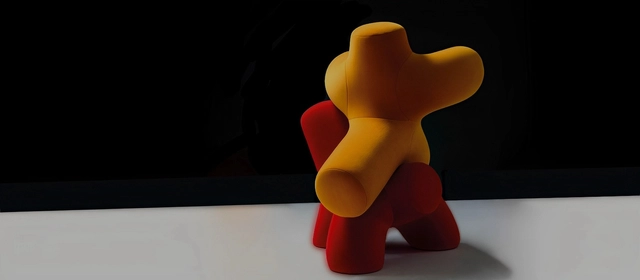
Buildner is pleased to announce the results of its third annual Architect's Chair Competition, which received excellent ideas from around the globe. Buildner has published two books on the topic, highlighting key ideas and outstanding projects from its past editions. With registration now open, we invite you to share your vision of the ideal chair by September 18th—submit your entry here.
Chair design exemplifies the interdisciplinary nature of architecture, showcasing architects' ability to adapt skills and sensibilities across scales and contexts, blurring the lines between architecture, design, and art. This versatility empowers architects to explore new ideas and challenge conventional notions of chair aesthetics, materials, and technology.
Catalonia in Venice_Water Parliaments. Graphic Design: Arauna+Paratext
Water is not just a resource—it is a voice, a right, a system of relationships. Water shapes landscapes, communities, and futures. It nourishes, resists, and demands justice.
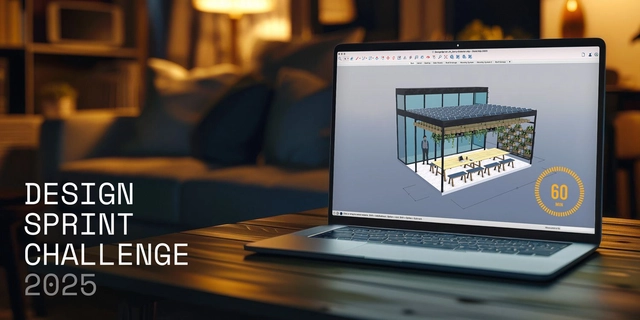
To celebrate 25 years of SketchUp, Trimble has announced a global “Design Sprint Challenge” inviting architects, designers, and creative professionals to imagine how small spaces can shape a better future. This time-limited competition challenges participants to design a meaningful space in just 60 minutes using SketchUp, with a grand prize of $5,000 and more.
Junzo Sakakura was born in 1901 in Japan. After graduating from the liberal arts department of the First Higher School in Tokyo, he entered the Art History Department of Tokyo Imperial University, where he became interested in architecture. He resolved to study under Le Corbusier, who was then becoming known as a leader of the modern movement.