A day dedicated to identifying challenges and opportunities, sharing methodologies, lines of action, and best practices, as well as fostering networks and synergies to safeguard contemporary architectural heritage.
A day dedicated to identifying challenges and opportunities, sharing methodologies, lines of action, and best practices, as well as fostering networks and synergies to safeguard contemporary architectural heritage.

Renovations are not only a popular way to update and modernize homes, offices, and other structures but also a critical component in reducing carbon emissions and achieving the goals of the Paris Agreement. The existing building stock is responsible for a significant portion of global carbon emissions, with energy inefficient buildings being a major contributor.
According to a report by the Financial Times, there is a large energy efficiency gap in the UK housing stock, with many buildings falling short of their potential energy performance levels. Unsurprisingly, old buildings in the UK are seen as one of the primary factors contributing to this energy efficiency gap.
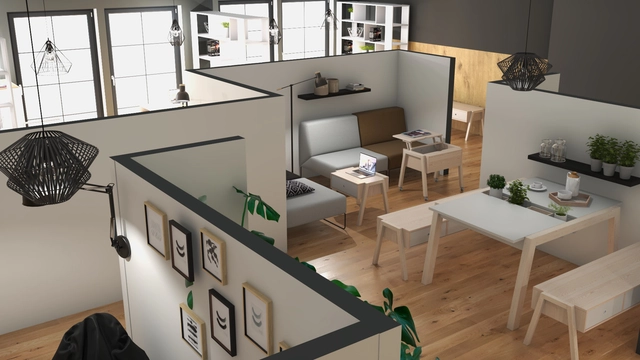
Designing a new apartment or renovating an existing one is always a major challenge. To simplify what is typically a long and complex project, the VOXBOX software, developed by experts from the VOX brand, helps visualize the design of a future home quickly and efficiently. Unlike other interior design programs, VOXBOX does not require specialized knowledge in architecture or design, as it utilizes an intuitive and user-friendly interface.
Available to everyone on the web, this digital tool allows users to quickly design a bedroom, living room, apartment, or an entire house. In addition, users can visit VOX showrooms, where their team of interior designers offers guidance for designing specific spaces. As an architect, you can also meet with your clients at VOX showrooms to show them their future interiors in virtual reality and present material and furniture board samples.

The Innovandi Open Challenge is a global programme which brings together tech start-ups and the world’s leading cement and concrete companies to help accelerate the next wave of innovations to achieve our net zero mission.
The Global Cement and Concrete Association (GCCA) and its members understand the key role that innovation will play in unlocking a net zero future for concrete –the world’s most used material after water– which is essential to building the sustainable world of tomorrow.
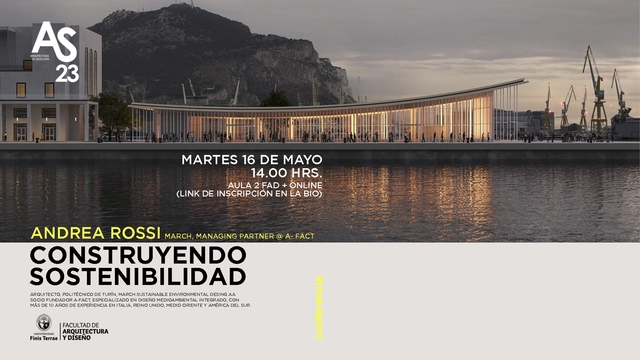
The School of Architecture at Universidad Finis Terrae is hosting the synchronous lecture "Building Sustainability," presented by Italian architect Andrea Rossi, who will share his experience in integrating environmental simulation principles and tools into architecture, from the early design stages through to construction.
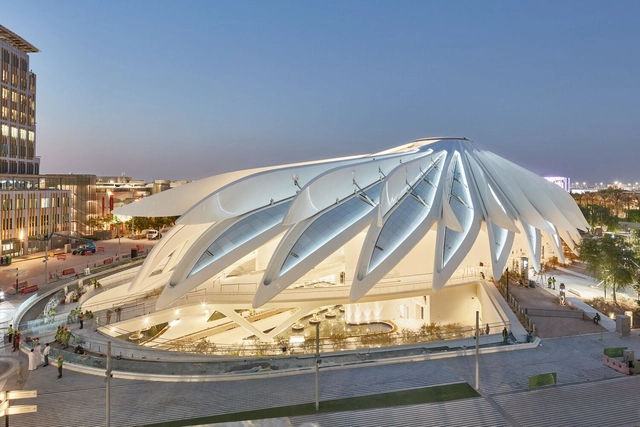
Every two years, starting in 1998, the Saint-Gobain International Gypsum Trophy has awarded the most recent developments for quality craftsmanship in drywall systems and plastering. This year, the 13th edition of the Gypsum Trophy took place in Athens on April 28th, 2023. From the Americas to Asia, from Europe to Africa, 73 projects from 27 countries competed in six categories to win one of the 15 prizes of the competition.
Participating contractors combine their know-how and creativity with Saint-Gobain plaster and dry lining systems to carry out high-performance projects. Whereas some are built on existing historical structures, others create something completely new. Similarly, some projects were completed with the help of over a thousand employees/teammates, while others by just a few.
See this year's winners below, as well as the details of the Awards.

Applications for INDESEM '23 are open! (check out the website)
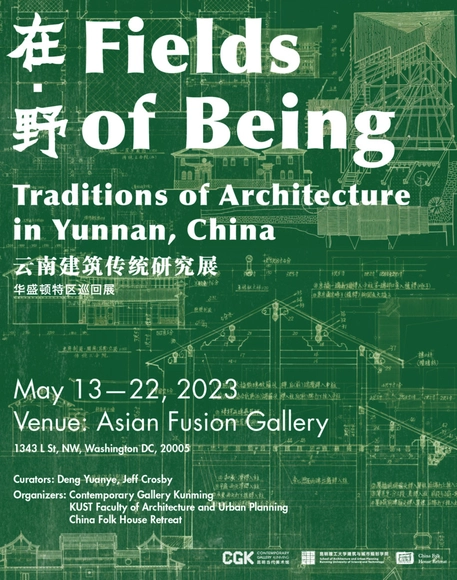
Fields of Being: Architecture Traditions in Yunnan, China, is an exploration of the rich architectural heritage of China’s most culturally diverse province at the crossroads of China, Southeast Asia, and the Himalayas. The exhibition features research by the Kunming University of Science and Technology, China Folk House Retreat, and other institutions regarding unique architecture forms and practices in the province. The exhibition also presents cases of contemporary architecture inspired by these traditions.
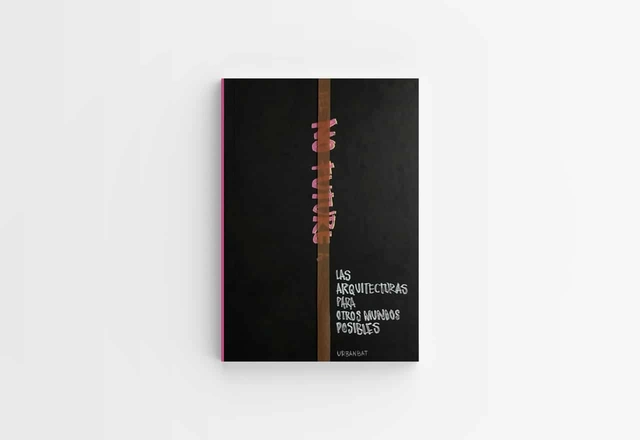
Combining expert voices and emerging visions, this book offers a diverse range of perspectives on the responsibility of architecture and urbanism within our current context of multidimensional crisis. It explores their complicity and forms of resistance, their possibilities and limitations, their tools and working methodologies, their relationship with other disciplines, their areas of intervention, and their capacity to create new imaginaries.

A gathering to screen and discuss the documentary "Hacer mucho con poco" (Doing More with Less), directed by Katerina Kliwadenko and Mario Novas and co-produced with Al Borde. The film highlights local values—both material and human—and is characterized by the social, economic, and environmental awareness with which young architects approach their projects.
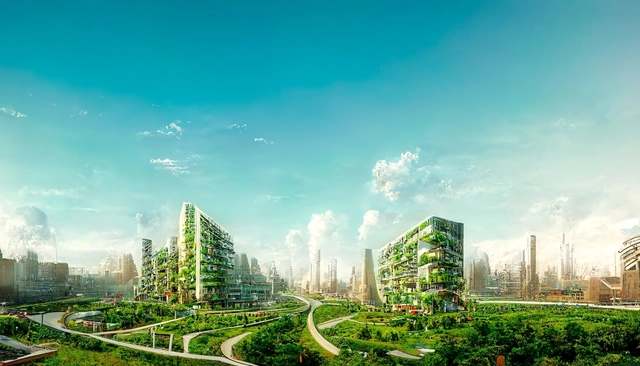
Today, it is essential to integrate strategies that help limit the emissions generated by buildings over their lifespan into design and functionality concepts to mitigate climate change. Consequently, reducing embodied carbon in construction has become an urgent priority, and industry professionals are increasingly taking this into account to build with a smaller carbon footprint, alongside the principles of circularity, sustainable development, and energy efficiency.

In her series Acessibilidade de norte a sul: todas as vozes do Brasil, Mariana Bunn Architecture and Accessibility will host a conversation with architect Juliana Gomeso this coming Sunday, May 7th.

Instituto Ling is hosting a special program to reflect on architecture in the contemporary world. Held in partnership with AsBEA-RS (the Brazilian Association of Architectural Offices of Rio Grande do Sul), the project features an inaugural lecture and two short courses running from May to August, exploring cities, history, memory, and sustainability, while offering new perspectives on ways of living, coexisting, and dwelling.
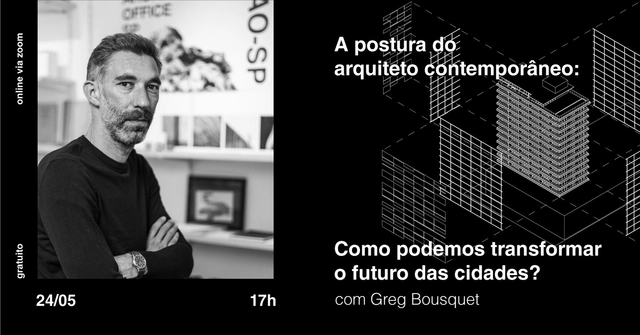
On May 24th at 5:00 PM, Greg Bousquet, a co-founder of Triptyque Architecture and currently head of ARCHITECTS OFFICE (AO)—an international architecture, urbanism, and interior design agency with offices in São Paulo and Lisbon—will discuss how architecture, in dialogue with the construction sector, can work toward a better future for cities.
Driven by the goal of promoting spaces that prioritize well-being, resilient buildings, and more democratic cities, Greg will present the contemporary stance and philosophy he has consolidated over the past seven years, which shaped the foundation of AO. It is a pragmatic and contemporary perspective on the current trajectory of the profession.
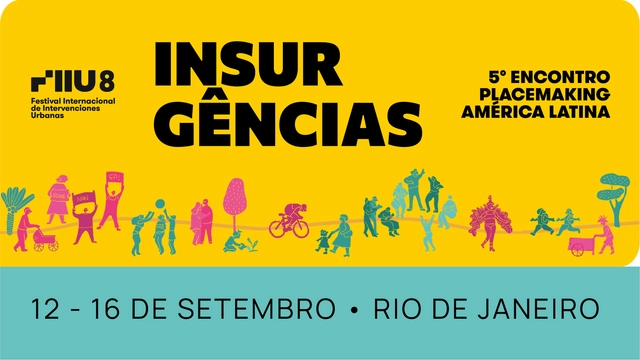
From September 12 to 16, "Insurgências – Experiences from Public Space" will take place, bringing together the 8th International Festival of Urban Interventions (FIIU) and the 5th Placemaking Latin America Meeting.
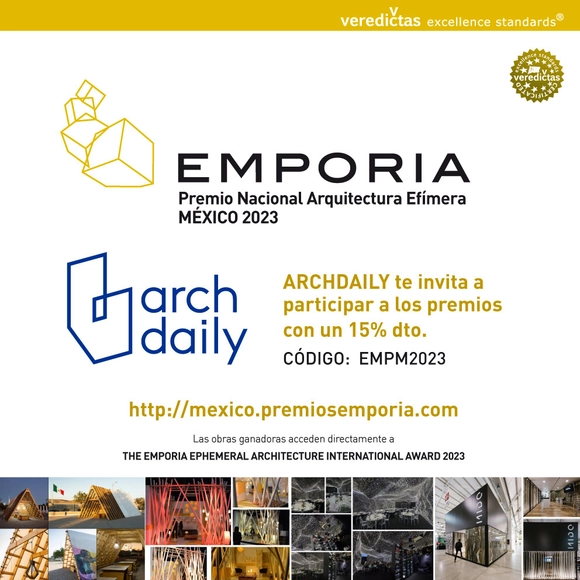
The EMPORIA award guidelines encompass ephemeral works applied to museums, exhibitions, trade fairs, shareholder meetings, points of sale, festivals, sporting events, as well as conceptual and experimental architecture. The common denominator is that the architectural work must be ephemeral and executed for projects within Mexico.
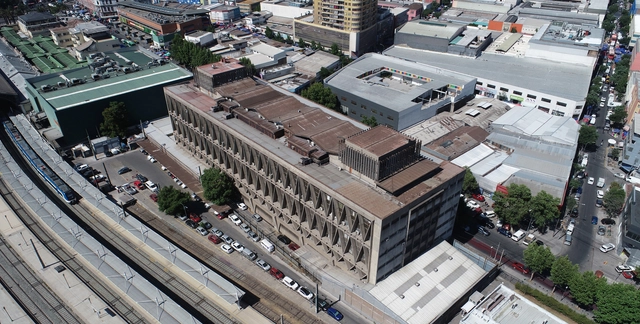
Twenty-two proposals were submitted to the EFE (Trenes de Chile) architectural competition to convert the iconic seven-story, triangular concrete structure at 221 Exposición Street in Santiago into its new corporate headquarters. Originally designed by architect Boris Guiñeman, the building was constructed between 1970 and 1974 to house the Correos de Chile sorting center.

For thousands of years, nomadic Mongolians have lived in gers – circular ‘yurt-like’ structures made of timber, felt, and canvas that are ideal for moveable life on the Steppe. Since 1990, due to major political, social, and climatic upheaval, hundreds of thousands of people have abandoned nomadic life and moved to the country’s capital city, Ulaanbaatar. The gers, cheap and easily moved, are now grounded, exacerbating the extraordinary growth of the city, which has increased its size 35 times in the last thirty years. The living situation in these ger districts is increasingly unsustainable and detrimental to the health and well-being of those that live there.