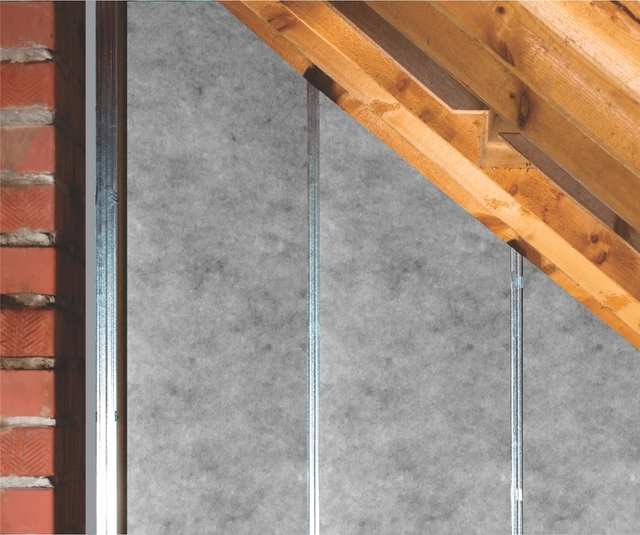
Proper home insulation and selecting the right materials are fundamental when undertaking a construction project. These strategies enhance interior comfort and serve as a long-term cost-saving measure.
Proper home insulation and selecting the right materials are fundamental when undertaking a construction project. These strategies enhance interior comfort and serve as a long-term cost-saving measure.
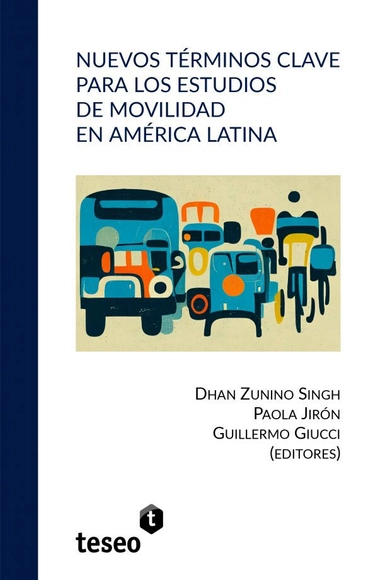
Is waiting part of mobility? What happens when we cycle or run through the city? What is digital mobile work? Are food items a component of human mobility? These are some of the questions addressed in the book "New Key Terms for Mobility Studies in Latin America," edited by Paola Jirón, Dhan Zunino, and Guillermo Giucci, and published by Teseo Editorial.
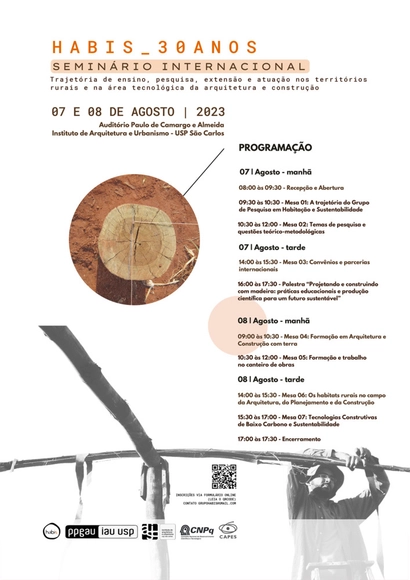
The HABIS 30 YEARS International Seminar: A Trajectory of Teaching, Research, Extension, and Practice in Rural Territories and the Technological Field of Architecture and Construction will take place on August 7 and 8, 2023, at the Paulo de Camargo e Almeida Auditorium.

As part of the series "Accessibility from North to South: All the Voices of Brazil," Mariana Bunn Architecture and Accessibility will host a conversation with architect Regina Cohen this coming Sunday, July 23.
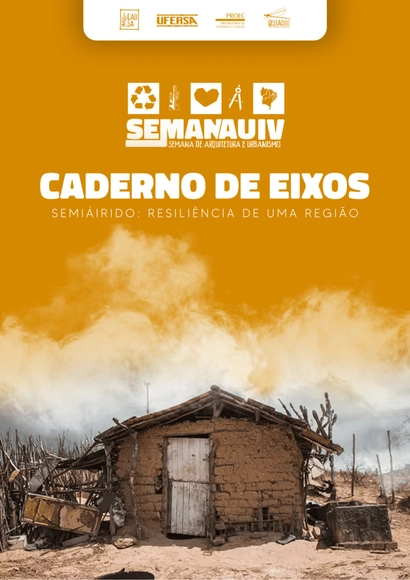
SEMANAU (Architecture and Urbanism Week at UFERSA) is an event organized by the Architecture and Urbanism program at the UFERSA Pau dos Ferros campus, located in the Semi-Arid region. Throughout its four editions, its primary objective has been to connect students from this rural public university with professionals, students, and researchers in the field (architects and urban planners) or related disciplines.
The Colombian Society of Architects, aiming to strengthen the promotion of sustainable architecture in Colombia and with the mission of consolidating this effort through concrete incentives, is calling for project submissions for the "III Award for Excellence in Sustainable Architecture – Vidrio Andino."

Concrete Show, an event for the construction supply chain, has opened visitor registration for its 14th edition, which will take place from August 8 to 10 at the São Paulo Expo in São Paulo. Registration is free and must be completed on the Concrete Show website.
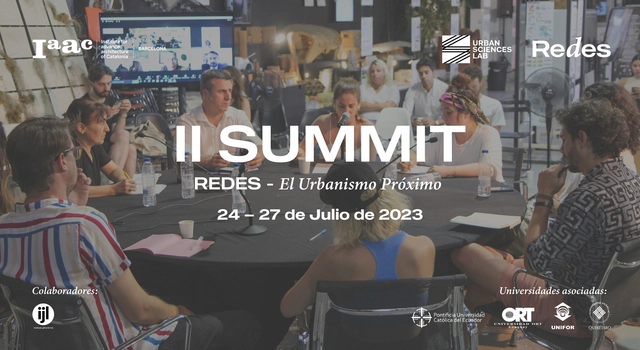
IAAC presents the II REDES Summit: The Proximity Urbanism, part of the second edition of the Online Master in Cities (MOeC).

Never Enough Architecture (NEA) is launching a new initiative that bridges education and competitions. The initiative combines traditional architecture competitions with free courses led by experts, offering participants a comprehensive understanding of the competition's core themes.

São Paulo, 2023 – On July 25, from 4:00 PM to 6:00 PM, the Arq.Futuro Cities Laboratory at Insper will host the debate "Implementing Early Childhood Programs and Social Urbanism: Success Stories."
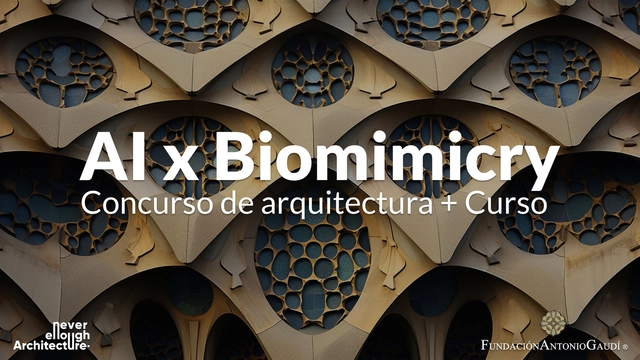
Never Enough Architecture (NEA) has launched a new initiative that bridges the gap between architectural competitions and professional development. This proposal combines traditional competitions with free courses taught by industry experts, providing participants with a comprehensive learning experience regarding the competition themes.
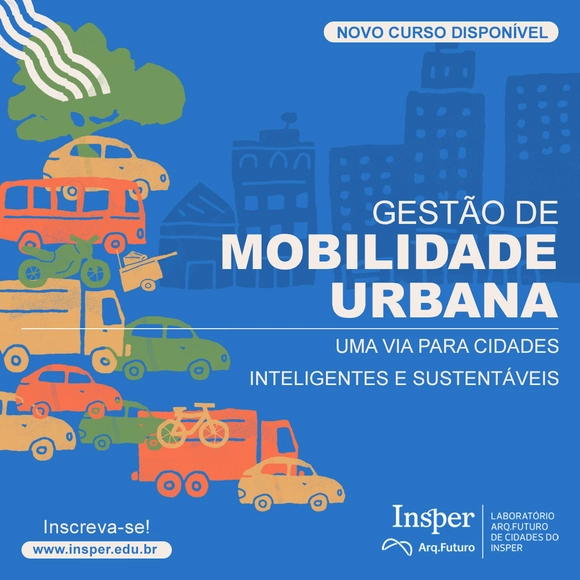
São Paulo, 2023 – Registration is now open for the course "Urban Mobility Management – A Path to Smart and Sustainable Cities," offered by the Arq.Futuro Cities Laboratory at Insper, which will take place throughout August and early September. The eight sessions aim to deepen knowledge of urban mobility dynamics, a central theme in policy discussions aimed at ensuring a better quality of life for inhabitants. Commuting alternatives shape the urban experience for everyone—enabling, hindering, or even inhibiting access to and the right to the city.
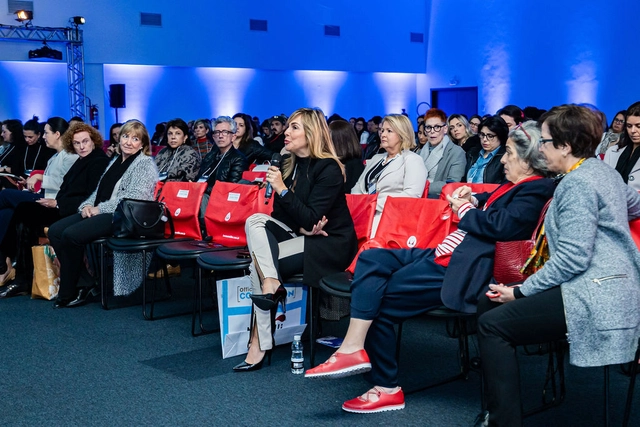
ABD CONAD—the National Congress of Interior Design—will bring together professionals from across the country for an event focused on professional development and relevant industry discussions. The event will take place on August 3rd and 4th, from 10:00 AM to 6:00 PM, at the WTC Events Center, located within the D&D Shopping complex in São Paulo.
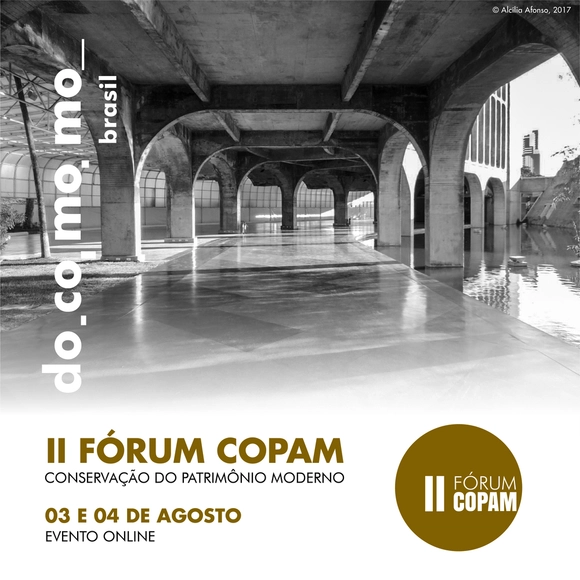
The 2nd COPAM DOCOMOMO BR/Forum for the Conservation of Modern Heritage continues one of the initiatives of our Docomomo Brazil administration (SOMA MANAGEMENT 2022-2023), which aims to discuss and highlight paths for the conservation of modern assets, focusing on the themes of safeguarding, rehabilitating, and conserving 20th-century heritage.
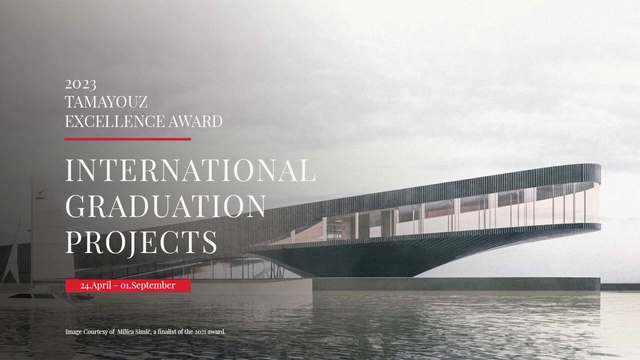
Tamayouz is pleased to extend an invitation to students worldwide who are studying architecture, urban design, urban planning, architecture technology, and landscape design. We encourage you to register and submit your exceptional graduation projects. A distinguished international jury will thoughtfully evaluate all submissions and ultimately select the winners of the prestigious Tamayouz International Graduation Projects Award.

The Romanian Order of Architects (OAR), together with the Contracting Authority – The National Administration ”ROMANIAN WATER”, in association with the Bazinal Water Administration Dobrogea-Litoral, are glad to announce the official launch of the „MAMAIA SEASIDE, CONSTANȚA” International Design Competition.

The 2023 AIA International Design Awards are now open for submissions and we are excited for you to share your work!

The Institute for Advanced Architecture of Catalonia (IAAC) and the Green Skills for Cities partnership are delighted to announce the Call for Papers for the biennial international symposium, Responsive Cities 2023, a global platform to experiment and rethink urban environments in response to today’s global challenges.