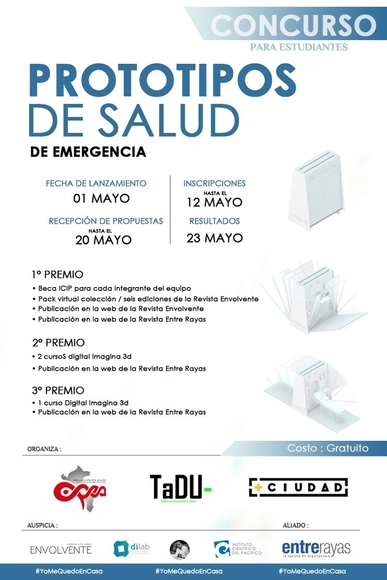
This is a single-stage, open ideas competition. It is jointly organized by the Taller de Desarrollo Urbano (TaDU - Venezuela), the Peruvian Organization of Architecture Students (OPEA - Peru), and Más Ciudad Arq. (Peru). The competition is open to students and recent graduates (thesis students) of architecture, landscape architecture, urban planning, design, or any related field. Teams of up to 5 people may be formed, with the option to include a maximum of one recent graduate or bachelor (thesis student) who has completed their university coursework within the last two years.
The CICOP Chile Award aims to foster interest in architectural thesis projects that involve areas or buildings of heritage value, contributing to their enhancement, and to highlight the best proposals developed in this field over the last few years.
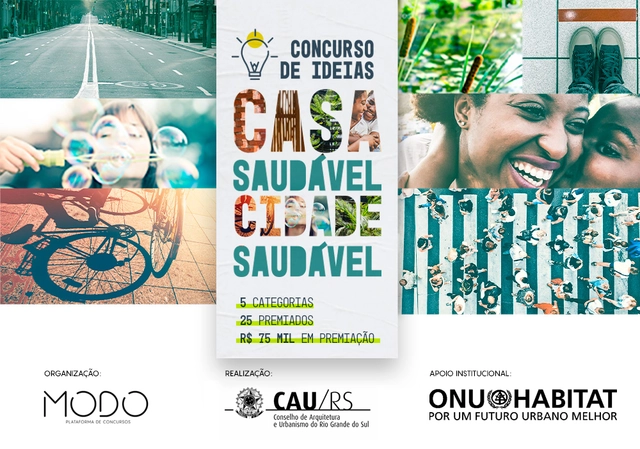
The COVID-19 pandemic has highlighted the need to seek new ways of living and daily solutions. The economic crisis triggered across various sectors has made it essential to invest in initiatives that contribute to overcoming these challenges, ultimately reflecting on the well-being and health of all. In response, the Council of Architecture and Urbanism of Rio Grande do Sul (CAU/RS) has launched the "Healthy House – Healthy City" public ideas competition, which reinforces the role of architects and urbanists as essential agents in developing solutions for a healthier and safer society. Furthermore, CAU/RS believes that hosting competitions is a democratic way to identify quality proposals that benefit society as a whole.
AREA (Asociación para la Reflexión Estratégica acerca de la Arquitectura) invites submissions for the ninth Bienal de Arquitectura Latinoamericana (BAL) 2025, which aims to highlight the work of emerging Latin American architects. As in previous editions, BAL seeks to showcase the work of emerging professionals in Spain, thereby fostering their professional reach both here and in their home countries. BAL 2025 will take place in Pamplona over the course of one week. The program will feature a variety of events linked to different geographic regions, including exhibitions, lectures, and roundtables that offer a global overview of the current state of Latin American architecture.
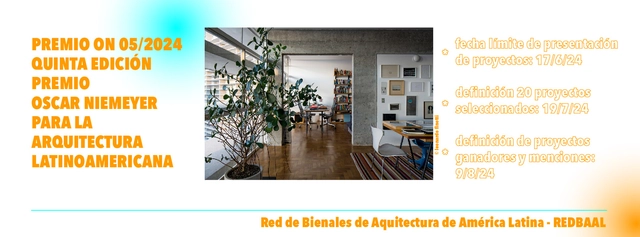
In response to the expectations of Latin American architects and following four successful editions, REDBAAL is now accepting entries for the Fifth Edition of the Oscar Niemeyer Award for Latin American Architecture—the ON Grand Prize—to be presented on August 9 of this year. The finest architectural work, previously recognized at prestigious Latin American biennials, will take center stage in this international competition, which serves as the “Biennial of Biennials” for Latin American architecture. We remain committed to bringing together our professionals and their outstanding work, which reflects diverse realities while serving as a testament to highly valuable collective social efforts.
As part of the 4th International Forum on Urban Interventions (FIIU 2019)—which hosts the 3rd Placemaking Latin America gathering—the Inter-American Development Bank (IDB) Cities Lab, Ocupa tu Calle, and Lima Cómo Vamos are launching the 3rd Citizen Urban Innovation Competition. Citizens and social organizations from Peru and Latin America are invited to submit proposals for the design and implementation of urban interventions in two areas of Lima, previously selected by the Organizing Committee.
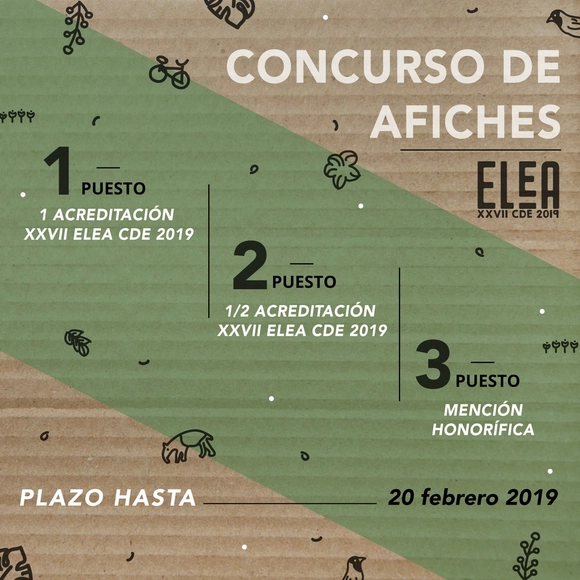
This poster will serve as the official image for the XXVII Latin American Architecture Students Meeting (ELEA), taking place in Ciudad del Este in October 2019. Students currently enrolled in any Architecture, Design, or Urbanism program throughout Latin America are invited to participate.
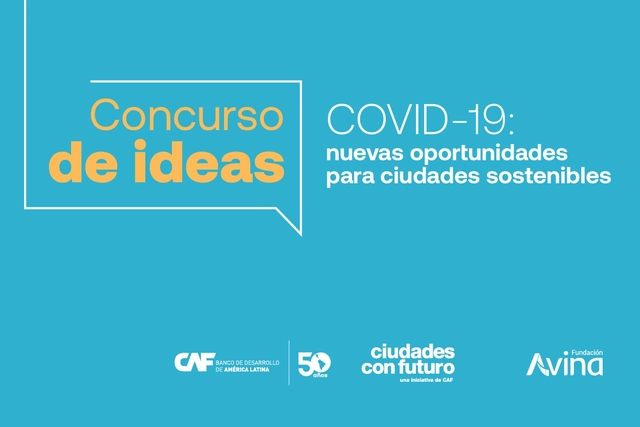
CAF -Development Bank of Latin America- and Avina Foundation
The COVID-19 pandemic has forced Latin American cities to rethink their policies to address the new local reality and the challenge of maintaining a balance between economic performance and the social well-being of their citizens, especially those who are most vulnerable.
GENfadu is an open call organized by the Communications Secretariat of the Faculty of Architecture, Design, and Urbanism (FADU) at the University of Buenos Aires (UBA). The initiative aims to recognize, showcase, and highlight the work of a generation of architect-educators within the faculty through a publication.
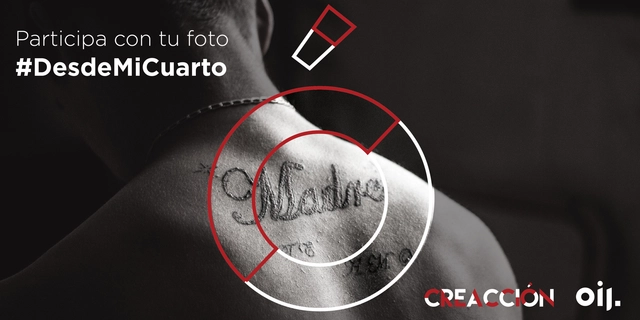
Josefina Hidalgo. The tattoo as a mark on the skin.
The International Youth Organization for Ibero-America (OIJ) is launching the #DesdeMiCuarto photography call, inviting young people across Ibero-America to share how they are experiencing the exceptional circumstances brought on by the COVID-19 pandemic from the intimacy and privacy of their own homes.
The 2023 Di Tella Architecture Prize - Emerging Practices aims to celebrate the work of young professionals in Argentina and neighboring countries (Bolivia, Brazil, Chile, Paraguay, and Uruguay). The prize seeks to recognize the cultural value of architecture and its impact on the built environment.
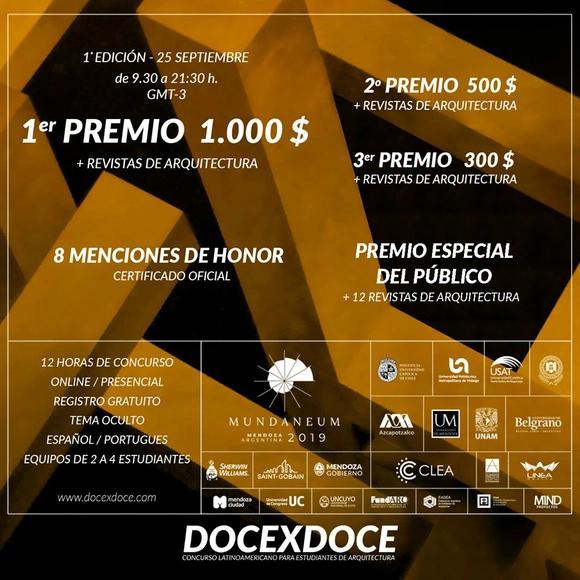
DOCEXDOCE Latinoamérica launches its first edition. This 12-hour competition for architecture students features free registration, 12 prizes, and a $1,000 first prize.
We believe that by gaining a deeper understanding of the realities faced by public sector professionals—including gardeners, urban planners, and municipal architects—we can better analyze and envision a brighter future for landscape management in spaces such as gardens and parks.
For the second consecutive year, MUTEK MX is officially launching its open call for artistic proposals for its 17th Edition, which will take place from November 23 to 29, 2020.
Call for essays and graphic narratives reflecting on the architecture, engineering, and/or spaces that no longer exist in Mexico City, in commemoration of the 500th anniversary of the fall of Mexico-Tenochtitlan.
.jpg?1600981532&format=webp&width=640&height=580)



![PALIMPSEST. Erased City [1521-2021] - Featured Image](https://snoopy.archdaily.com/images/archdaily/media/images/60b8/d926/f91c/81c7/3600/0003/slideshow/open-uri20210603-17096-1mj0ff7.jpg?1622726943&format=webp&width=640&height=580)