For Milano Design Week 2022, UniFor, a company of the Molteni Group specialized in workplace furnishing solutions, will be presenting PRINCIPLES, a new collection developed in collaboration with the international architecture firm, OMA. The unveiling of PRINCIPLES will take place in a new location with a prestigious address, Viale Pasubio, which is also home to the headquarters of Fondazione Feltrinelli and soon to become UniFor’s permanent showroom.
The fundamental concept of PRINCIPLES is to provide furnishings that can be used by anyone, at any time, to best support the flow of operations and communications required by the contemporary workplace.
When development firm Blue Heron set out to create their one-of-kind residential showpiece, Vegas Modern 001, or VM001 for short, the goal was to stretch the boundaries of design and create an immersive experience that embraced both the natural and human-made worlds.
“We like to think about the home as being appropriate to our time and place, our culture and the technology that's available,” says Founder and CEO Tyler Jones. “And so there's an energy and spirit that comes from the city … so we're talking about digital media and this playful kind of vibe that we have in some big dramatic moments.”
Architects have always been asked to breathe new life into ancient architectures inherited from the past or into historical – often monumental – artifacts that no longer respond to the customs and needs of contemporary society.
Nevertheless, ancient architecture tells our stories and therefore deserves to be restored with interventions that bring along a hint of modernity and show the trace of the design activity. YACademy's course in “Architecture for Heritage” has been created on these premises. Its aim is to train designers who will be able to understand and enhance the memory of historical architectures and take inspiration from them to carry out new interventions that both meet new needs and are enriched by the link to the past. In a close dialogue between the ancient and the modern, between existing architectures and new interventions, it is possible to comprehend what has been and what is now, redesigning – through architecture – a historical line bound to be continued by future generations.
The huge strides that have been made in technological and digital innovation in recent years mean we are becoming increasingly familiar with home automation and other systems that have the ability to improve our quality of life and the comfort and efficiency of our homes. In a way that would have been unthinkable just a few years ago outside of old sci-fi films, everything in a smart home–from the curtains, windows, alarm systems and heating to the household appliances, TVs and vacuum cleaners–can now be “robotised” and controlled remotely to manage our living spaces.
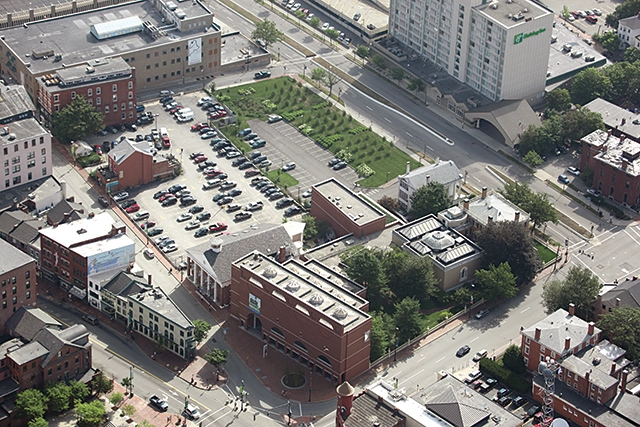
Aerial of the Portland Museum of Art campus (northwest corner), circa 2010. Courtesy Portland Museum of Art, Maine
The Portland Museum of Art (the PMA), founded in 1882, is Maine’s largest and most visited art institution, and among the oldest museums in America. Located in the heart of downtown Portland, one of the country’s most beloved cities, the museum encompasses a full city block of historically and architecturally significant buildings. The PMA’s world-class collection includes more than 18,000 objects, including 19th-and-20th century American and European art, modern and contemporary art, and iconic works from Maine that highlight the rich artistic traditions of the state and its artists.
Open BIM is an acronym referring to Open Building Information Modeling and is a universal approach to the collaborative design, realization, and operation of buildings based on open standards and workflows. It is an initiative of buildingSMART and is supported by many leading software vendors in the building industry.
It defines methods for the object-oriented description of buildings using open data formats that facilitate integrated project delivery. Open BIM provides a common language for the exchange of information within a multidisciplinary project team.
mui Lab exhibits a beautiful blending of IoT into daily life at Milan Design Week
During Milan Design Week 2022 to be held from June 5-12, mui Lab, Inc., the Kyoto-based calm technology startup, will showcase its IoT system that turns furniture and other ordinary items into interfaces, using everyday human action as a prompt for digital sequence. For example, opening a curtain in the morning will prompt the “mui Board” (mui’s wooden interface device) on the wall to display a pleasant message to get your day off to the right start, the lights will slowly turn on when you wipe down your dining table, and lively atmospheric music will start playing when you put a vase on the table as breakfast begins.
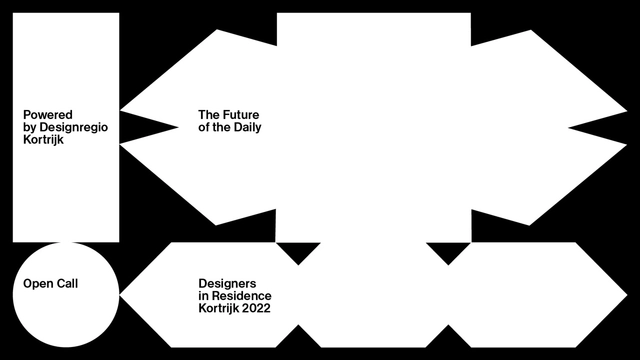
Designregio Kortrijk is looking for 3 highly motivated and recently graduated designer-makers or creative artists to join in a regional residency program in Kortrijk, Belgium.
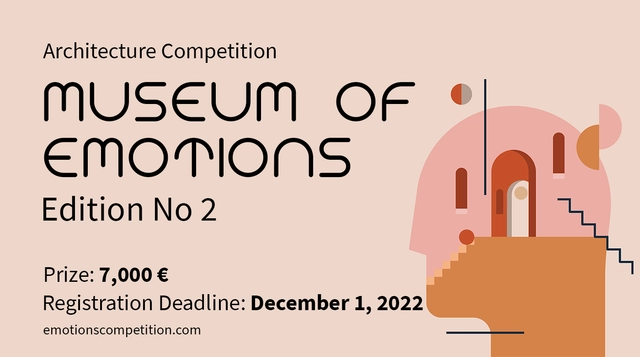
It may not be your first instinct when entering a building to consider how it makes you feel, but architecture has always had a big impact on emotions. Different spaces are designed to make its inhabitants feel different things; offices can make you feel energised and productive, art galleries can make you feel thoughtful and curious, and museums can make you feel calm and intrigued. Each of these spaces are completely different from each other and are far more than just a building.
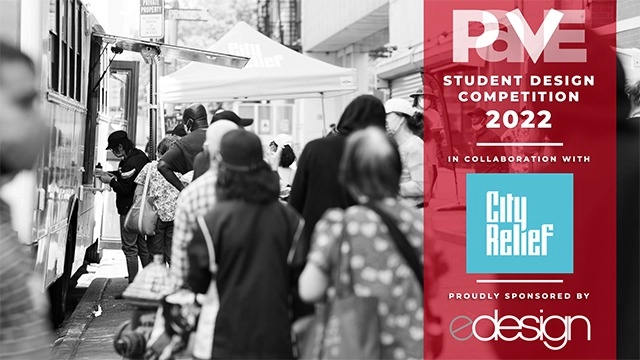
2022 PAVE International Student Design Competition in collaboration with City Relief
The PAVE Student Design Competition promotes “real world” design experience for college-level students interested in pursuing careers in the design industry.
Housing construction from 4 to 1 planet is initiated by the philanthropic association Realdania and the non-profit foundation VILLUM FOUNDATION; both dedicated to how the built environment can enable quality of life and sustainability.
30 Crossing is the largest and most expensive project that the Arkansas Department of Transportation has ever undertaken. It affects many communities but has an enormous impact on the urban fabric of downtown Little Rock. This competition is intended to bring focus on how the interstate highway interacts with the city and provide visionary ideas which can influence, or affect, the future design of how our city responds to the highway.
Are you thinking about the impact of climate change through your design actions? Are you considering how your work impacts the planet at large? Are you innovating with healthier materials? Are you passionate about making your designs inclusive? The impacts of your design decisions are far-reaching, indisputable, and can be transformative.
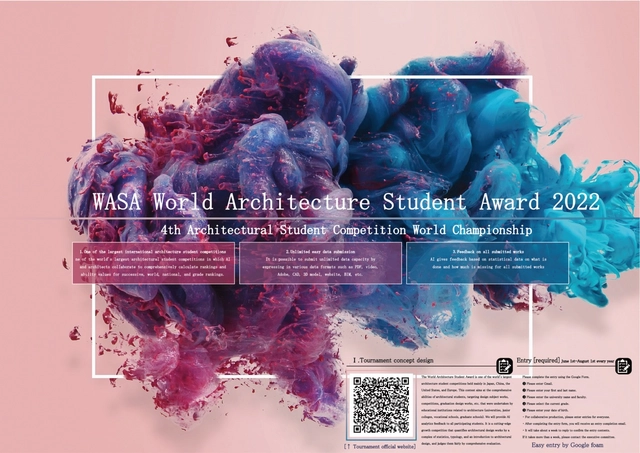
【 Overview 】 The WASA World Architecture Student Award is one of the world's largest architecture student competitions held mainly in Japan, China, the United States, and Europe. This is a contest where you can submit works such as design assignments, competitions, and graduation works created in the past as they are, aiming for the diverse abilities of architectural students. AI and architects will comprehensively calculate the rankings and ability values of successive, world, national, and grade rankings for all participating students and provide feedback. A certificate of merit will be given to excellent works, and the works will be disseminated all over the world to liven up the competition with architectural students and architects from all over the world.
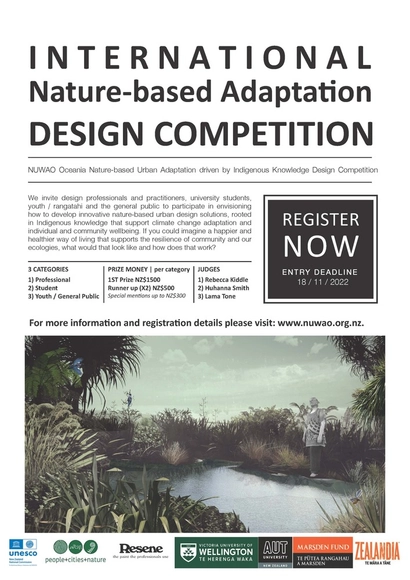
We invite design professionals and practitioners, university students, youth / rangatahi and the general public to participate in envisioning how to develop innovative nature-based urban design solutions, driven by Indigenous knowledge that support climate change adaptation and individual and community wellbeing. If you could imagine a happier and healthier way of living that supports the resilience of community and our ecologies, what would that look like and how does that work?