Videos
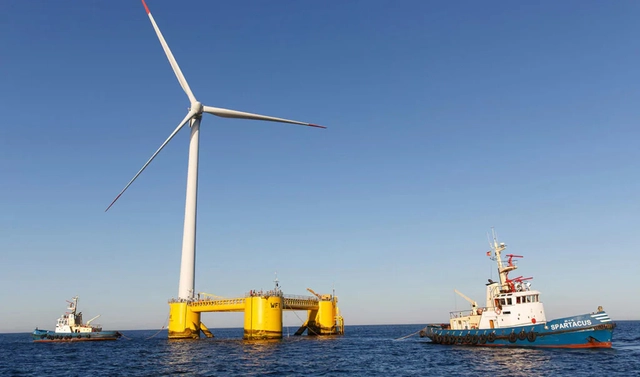
One of the floating wind turbines installed in Portuguese waters. Photo: EDP
Between October 31 and November 6, 2023, Portugal produced more than enough renewable energy to meet the entire country's demand. While fossil fuel plants were still operational, the clean energy generated was more than sufficient to supply the grid. Consequently, consumer electricity rates dropped drastically.
With the pandemic, many companies and individuals had to discover new ways of working, and working from home gained ground—the realization that so many activities could be performed remotely surprised many. There was an expectation that this work model would become permanent. However, the reality is that many companies are returning to in-person or hybrid schedules—and this might not be the best option for the planet.
Bringing greenery and, in many cases, vegetable cultivation into urban areas yields countless benefits for city dwellers. Green roofs offer a solution for transforming underutilized areas into true natural oases, helping to mitigate urban heat islands, absorb rainwater, improve air quality, control noise levels, and attract biodiversity.
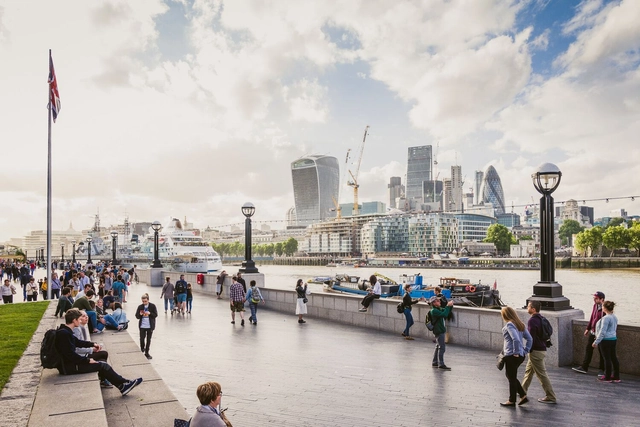
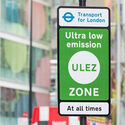
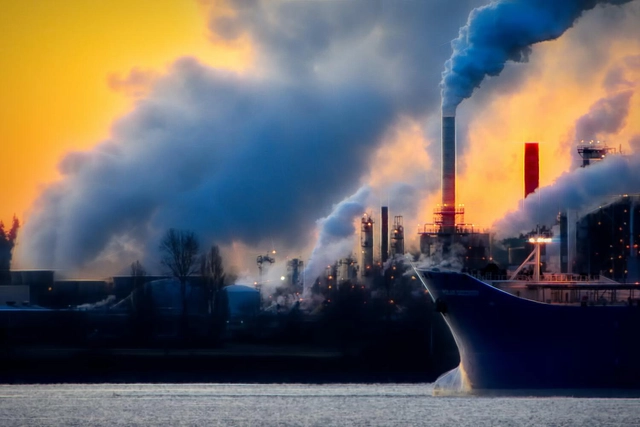
London is one of the world's great metropolises and faces a challenge common to urban centers: air pollution caused by fossil fuel vehicles. To combat this issue, the city established Low Emission Zones in 2008, fining large vehicles operating with pollutant emissions above established limits.
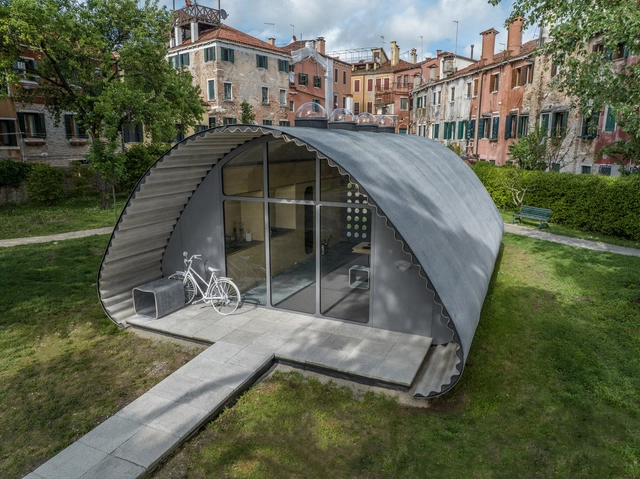
Many people are in need of shelter. War, extreme weather events, and famine... Unfortunately, these crises are frequent and lead to large-scale migration. Welcoming individuals in extremely vulnerable situations is a challenge. Ensuring comfort, well-being, and dignity is a humanitarian imperative. Today, there are around 103 million displaced people worldwide, and climate change could significantly increase this number.
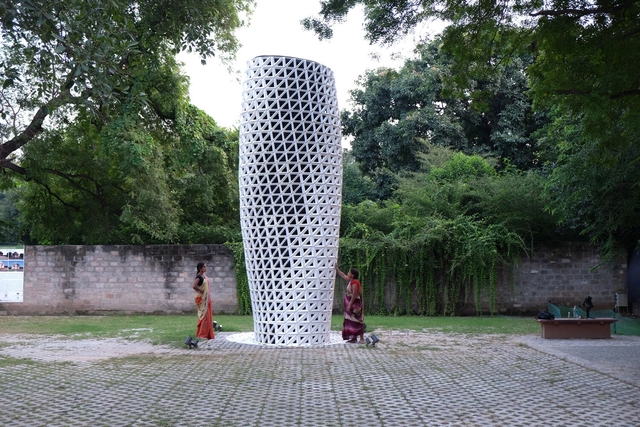
Architects Amit and Britta Knobel Gupta moved from London, England, to New Delhi, India, and confronted a severe problem: air pollution unlike anything they had ever seen. To help make the air more breathable and the city more livable, the couple developed a tower designed to purify the air through design. “Our main business is architecture; we didn't want to get into air purification,” Amit said. “But the pollution here was simply unacceptable. It’s very bad.”
And they are right. A study published by the medical journal *The Lancet* revealed that in 2019 alone, air pollution caused nearly 1.6 million deaths in India. New Delhi is regularly shrouded in smog, with vehicle emissions, crop burning, and coal-fired power plants all contributing to the decline in the city's quality of life. It was against this backdrop that the newcomers decided to take action.
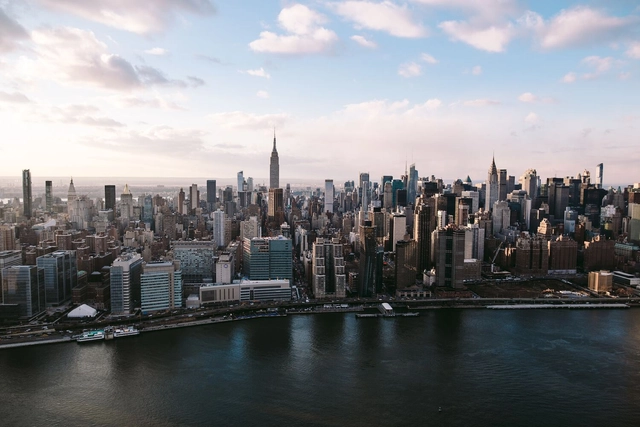
Researchers from the Graduate School of Oceanography at the University of Rhode Island have published a study showing that New York City is sinking under the weight of its countless, massive buildings. The skyscraper density of the Big Apple is increasing the risk of flooding in the city.
In addition to flooding and sea level rise driven by climate change, the risk for New Yorkers is growing because the city is sinking by an average of 1 to 2 millimeters per year, with some areas sinking at twice that rate.
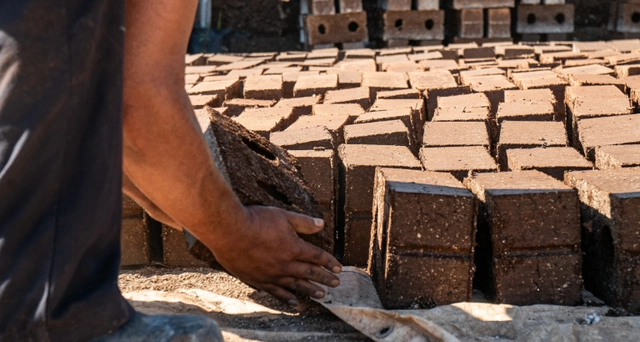
Paradise beaches can quickly lose their appeal for tourists when invaded by sargassum, a brown algae of the genus *Sargassum C. Agardh* distributed across tropical and subtropical oceans. In Mexico's Riviera Maya, this seaweed was once considered a major problem. However, Omar de Jesús Vazquez Sánchez saw it as a raw material for homebuilding—transforming sargassum into sustainable bricks.
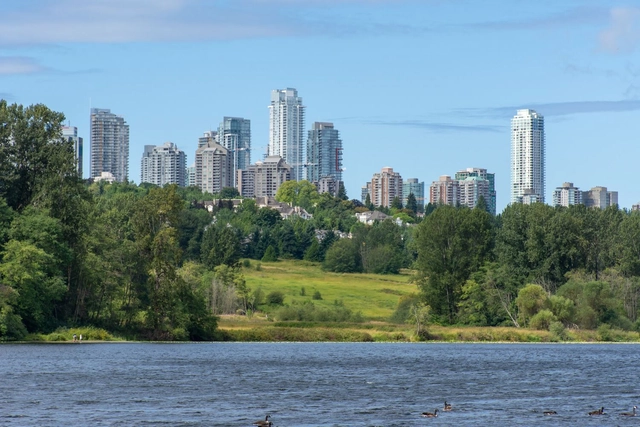
A UN survey revealed that in 2018, approximately 55% of the world's population lived in cities. This figure is projected to reach 60% by 2030. If urban centers are to become home to so many, evaluating these spaces and ensuring quality of life is essential – a challenge when considering population density and the impact of such large numbers.
Yet, urban living does not have to mean being cut off from nature, surrounded by gray and concrete. Green cities are proof of this. While life in urban centers poses a series of challenges, it also presents an opportunity to find solutions that transform these spaces, fostering significant and necessary societal change.
To calculate the amount of CO2 emitted by each country, the traditional method considers emissions from each sector of a nation's economy using a “bottom-up” approach, relying on data collected on the ground. However, a new approach to answering this question utilizes satellite data from NASA.
As the urgency to replace fossil fuels increases, new electric vehicle models are announced with growing frequency. From urban cars to models equipped with solar panels, the focus is on prioritizing electric mobility, with automakers shifting production lines and countries and cities passing laws to accelerate the energy transition.
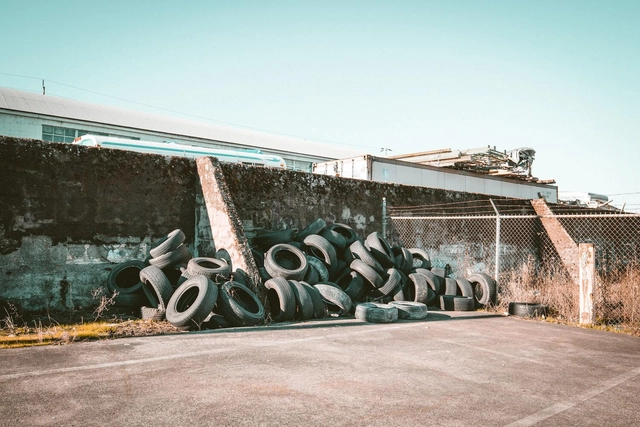
Rubber from discarded tires can replace 100% of conventional aggregates used in manufacturing concrete. This is what engineers at RMIT University in Melbourne, Australia, have discovered. The concrete made with the material meets building codes and promises to boost the circular economy.
This “greener concrete” uses rubber from discarded tires instead of gravel and crushed stone. According to the team that developed the material, the new concrete is lighter and promises to significantly reduce manufacturing and transportation costs.
Bringing lighting to those in need using solar energy and affordable materials. This is the mission of the NGO Litro de Luz, which, during a three-day campaign, positively impacted the quality of life of 173 families from riverside communities living along the banks of the Rio Negro in the Amazon.
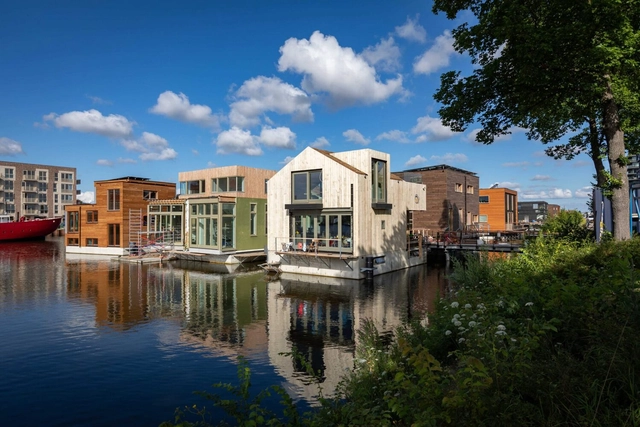
As the global population increasingly concentrates in urban centers, land in major cities is becoming progressively more expensive. Meanwhile, rising sea levels driven by climate change threaten the housing of millions worldwide—it is estimated that 800 million people will be at risk by 2050.
Living on water could offer a solution to both of these major challenges. This very premise inspired a new neighborhood in Amsterdam, the capital of the Netherlands—a country with a long history of adapting to environmental adversity, where a quarter of the land lies below sea level.
More and more people are concentrating in major urban centers. While cities are full of people and possibilities, this is far from making them welcoming environments. Loneliness and anxiety are common in the fast-paced life of the "concrete jungle," and nature may hold the key to alleviating these feelings.
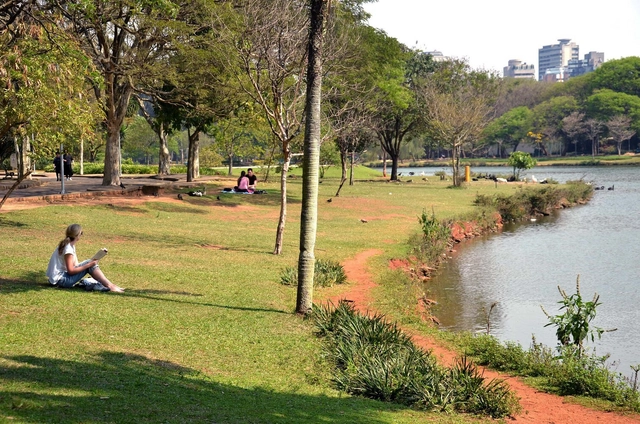
Numerous studies have been published showing how contact with nature positively affects our health. Listening to birds chirping, getting your hands in the dirt, or spending time in contact with greenery—all of this benefits our physical and mental well-being. Now, researchers have shown that green spaces also help alleviate feelings of loneliness.
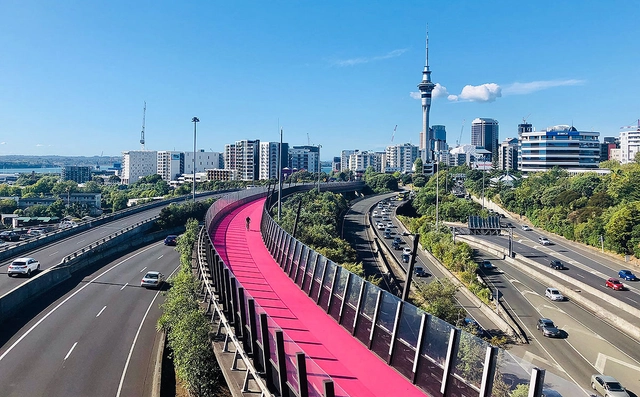
Homeowners in Auckland, New Zealand's largest city, will begin paying a “climate tax.” With this revenue, the city council will invest in environmental solutions to improve residents' quality of life and help the city reduce greenhouse gas emissions.
The search for more efficient and sustainable modes of transportation in urban centers has been gaining ground in several cities worldwide. With the pandemic, the benefits of cycling have been proven, and many municipalities have invested in bike lanes and incentives to keep people pedaling, even after the lifting of COVID-19 restrictions.
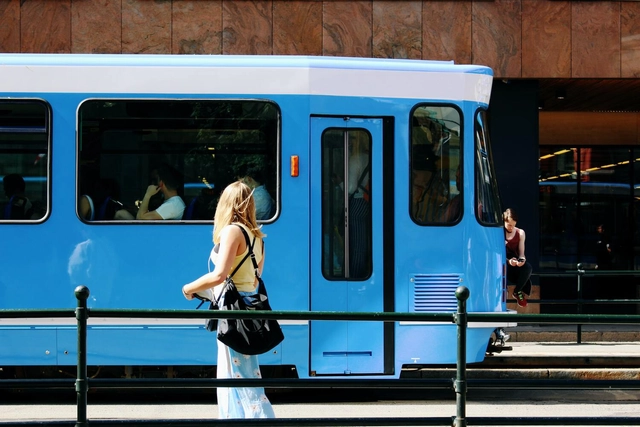
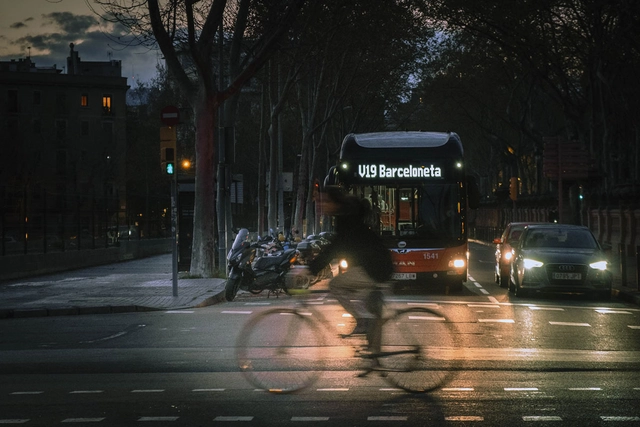
The use of public transit, another alternative that is more sustainable than private vehicles, becomes safer as vaccination efforts progress. In Barcelona, to further encourage people to abandon their cars—especially older ones—the city administration is offering a free three-year transit pass to residents who get rid of their old vehicles.
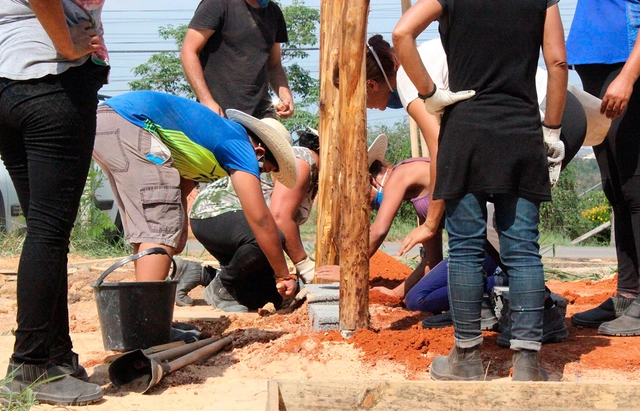
According to data from the Global Media Report, in 2014, 330 million families were financially threatened by housing costs, a figure projected to rise to 440 million by 2025. Not only have these projections been confirmed, but the crisis triggered by COVID-19 is likely to drive that number even higher.
While Brazil's socially and economically vulnerable population already faced a severe housing crisis, the situation has since worsened. According to a national survey by the Institute for Applied Economic Research (IPEA), in March 2020, at the very beginning of the pandemic, there were already over 221,000 people experiencing homelessness.