Known as the most German city in Brazil, Pomerode (SC) is home to the largest collection of half-timbered buildings outside of Europe. The preservation of this rich architectural heritage is the focus of the Immigration Cultural Heritage Requalification Project in Pomerode. Developed through a partnership between the National Institute of Historic and Artistic Heritage (Iphan), the Municipal Government of Pomerode, and the Regional University of Blumenau (FURB), the project aims to assess the conservation status of the city's protected properties to identify restoration needs for these cultural assets.
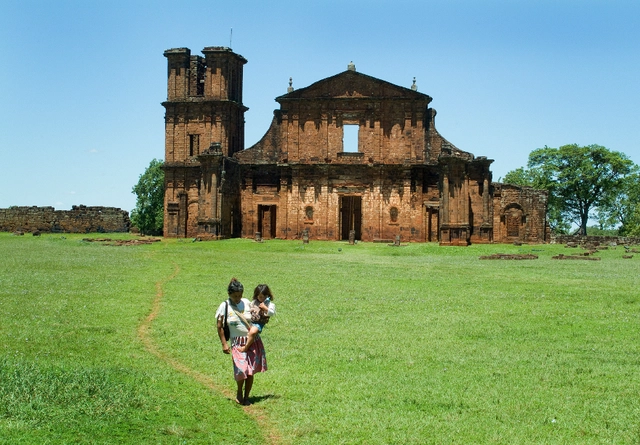
A place of reference for the memory and identity of the Guarani people, the Tava, located in the area of the São Miguel Arcanjo Historical Site in São Miguel das Missões (RS), was built and inhabited by their ancestors at the request of their deity, Nhanderu. This sacred site has been recognized as MERCOSUR Cultural Heritage. The decision was made and announced at the XVII Meeting of the MERCOSUR Cultural Heritage Commission, held on October 30 and 31 in Montevideo, Uruguay.
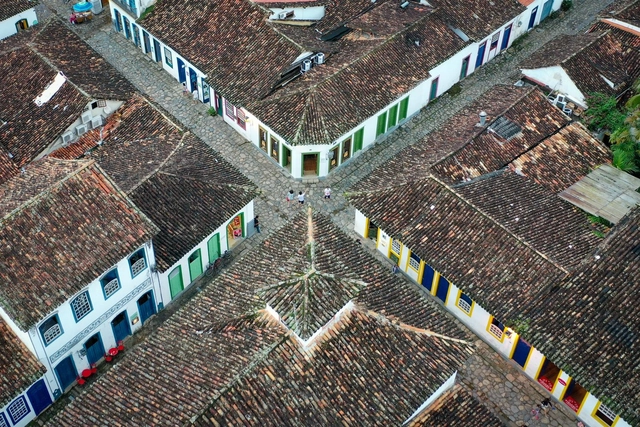
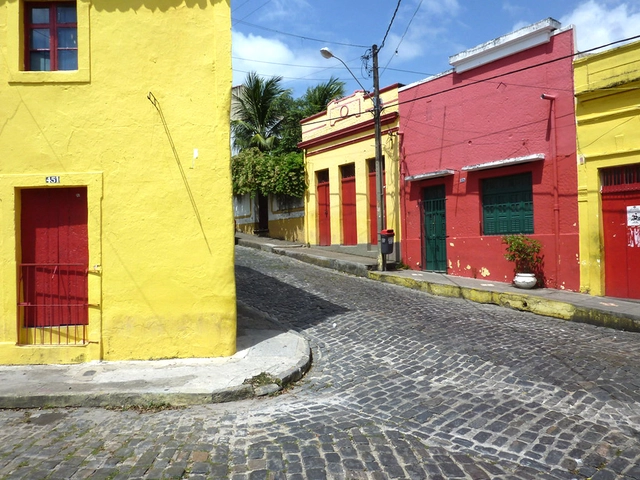
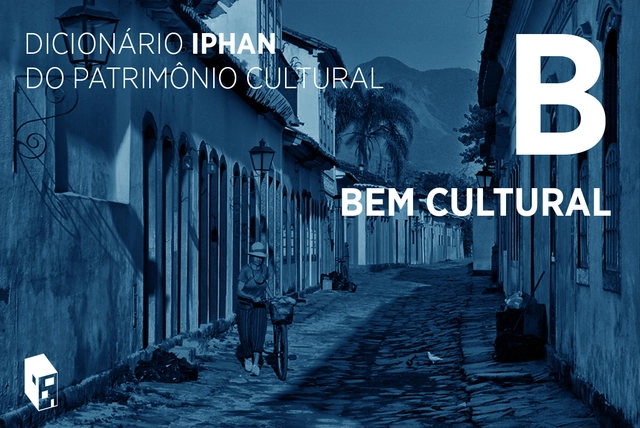
Paraty, RJ. Photo: Chaval Brasil on Visual hunt / CC BY-NC-ND
With the aim of promoting the care and recognition of cultural heritage, the Cultural Heritage Law Research Group of the Federal University of Ouro Preto (UFOP), the Technical Office of the National Institute of Historic and Artistic Heritage (Iphan) in Ouro Preto (MG), and the Public Ministry of Minas Gerais (MP-MG) have developed the Manual for Residents of Heritage-Listed Houses.
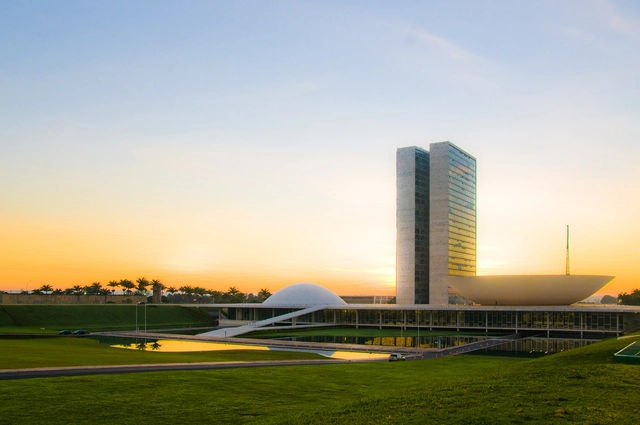
National Congress. Photo: congressonacional.leg.br
The National Institute of Historic and Artistic Heritage (Iphan), along with representatives from the institutions involved and affected by the January 8 attacks, began coordinating efforts last week to restore Brazilian Cultural Heritage in Brasília (DF).
During the meeting, representatives from the technical departments of infrastructure, restoration, and architecture outlined the damage, ongoing actions, and immediate needs—specifically regarding funding and specialized restorers—as well as proposals for joint initiatives. Discussions also covered potential funding sources for emergency actions and medium- to long-term restoration projects, including private donations and resources from UNESCO.
Registration is now open for the second edition of the self-paced course “Heritage Education, Diversity, and Environment in the Federal District.” Open to the general public, the course is part of the work plan under a cooperation agreement signed between the National Institute of Historical and Artistic Heritage (Iphan) in the Federal District (DF) and the State Secretariat of Education of the DF (SEEDF).
The Tecelagem Parahyba and Fazenda Santana do Rio Abaixo complex in São José dos Campos, São Paulo, is the newest monument to be permanently listed as Brazilian Cultural Heritage. The unanimous decision was made on the 10th of this month during the 98th Meeting of the Cultural Heritage Advisory Council, a body of the National Institute of Historic and Artistic Heritage (Iphan). The complex had already been provisionally listed by the agency and is now permanently protected.
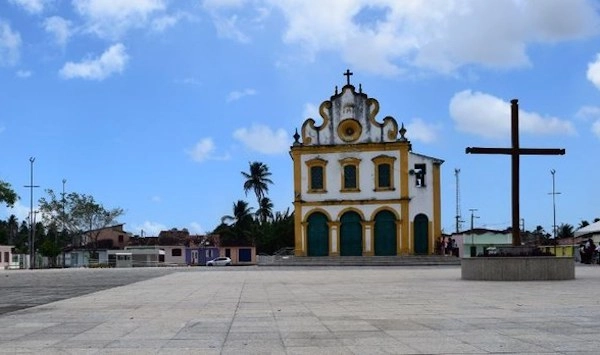
Colorful houses surround a large square stretching in front of the church with a Franciscan facade: visitors arriving in Marechal Deodoro (AL) are immediately captivated by this unique landscape. This is the Nosso Senhor do Bonfim Church, located in Largo de Taperaguá, which is currently undergoing restoration with a R$ 1.3 million investment from the National Institute of Historic and Artistic Heritage (Iphan). The building's interior also holds treasures, such as the recently discovered ceiling painting.
All Brazilians working in the management, preservation, appreciation, and promotion of Cultural Heritage can apply for the Rodrigo Melo Franco de Andrade Award. Organized by the National Institute of Historic and Artistic Heritage (Iphan) since 1987, this is the largest national award in the field of cultural heritage and aims to recognize those working to preserve the country's cultural assets.
We can initially understand the concept of revitalization as a design practice or a socio-spatial process strategically led by specific groups associated with contemporary urban planning. The structuring of the contemporary city depends, according to Meyer (2000), on large-scale strategic urban projects. The strategic value of such projects, according to the author, hinges on their ability to trigger significant transformations in metropolitan space, enhancing its attractiveness and influence. Rather than simply offering localized and specific urban improvements, contemporary urban planning reveals itself, through the intentions of its proponents, as an instrument capable of promoting the cohesion of the metropolitan territory and organizing flows to prevent functional and spatial dispersion.
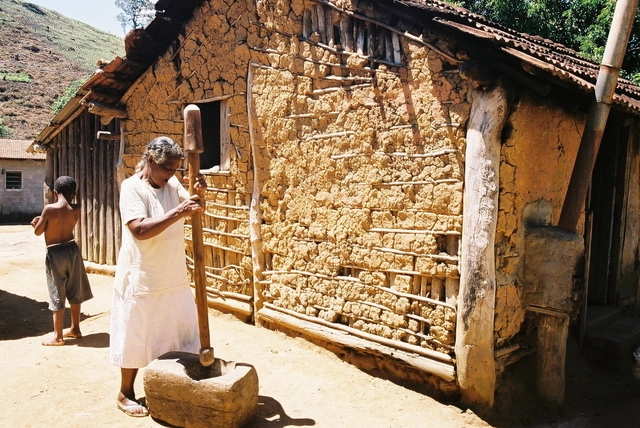
Quilombo Cangume, Itaóca (2004). Photo: Luis Eduardo Tavares, photo taken during the Cinevale em Movimento 2004 project. Via Flickr. CC BY-SA 2.0 License
By introducing terms associated with quilombos in two of its articles, the 1988 Federal Constitution paved the way for social peasant movements, mobilized and organized around ethnic identity, to appropriate this category. This was an unforeseen outcome for legislators, who had approached the quilombo category from a past-oriented perspective, relying on an archaeological and exoticizing view of cultural heritage associated with non-Luso-Brazilian cultural roots.
Immaterial Heritage is a concept adopted in many countries and international forums as complementary to the concept of tangible heritage in the formulation and implementation of policies to protect and safeguard cultural heritage, from an anthropological and relativistic perspective of culture. Intangible heritage is also used as a synonymous term to designate the symbolic references of the sociocultural processes of invention, transmission, and continuous practice of traditions that are fundamental to the identities of groups, social segments, communities, peoples, and nations.
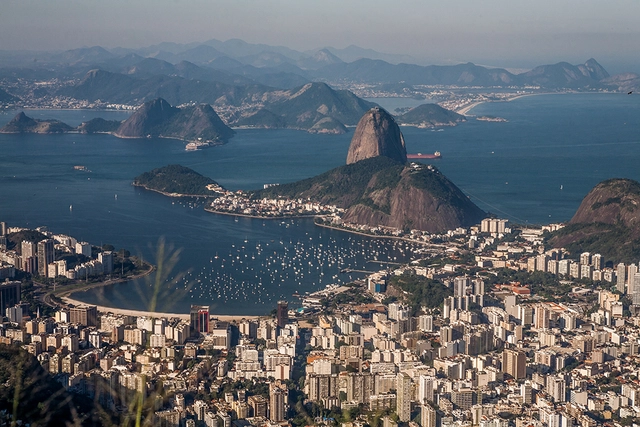
Rio de Janeiro. Photo by Sandeepa and Chetan, via Flickr. Licensed under CC BY-NC-ND 2.0
Only recently in Brazil has "cultural landscape" emerged as a new category for the preservation of cultural heritage. Understanding its meanings requires, on the one hand, evoking the preservation experience in two different spheres—both international institutions and the work developed in Brazil. On the other hand, this understanding also requires highlighting the specific academic origins of the cultural landscape concept.
Places are physical spaces imbued with cultural significance, to which values are assigned. In Brazil, the term was permanently integrated into the heritage vocabulary in 2000, following Decree No. 3,551—which established the four Registry Books, including the Registry of Places—and the implementation of the National Inventory of Cultural References. Within this framework, Place is, therefore, a category for classifying cultural assets.
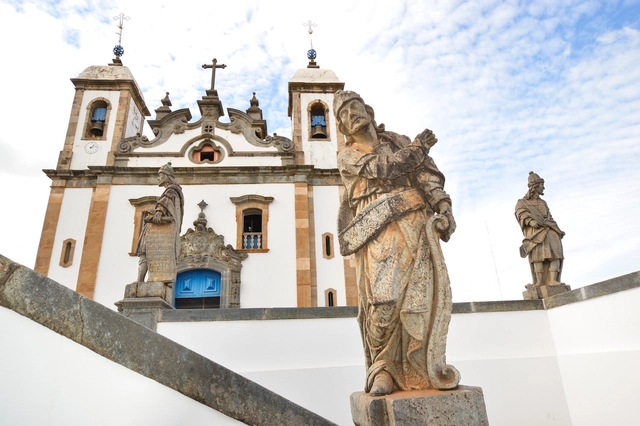
The artistic production of the Minas Gerais Baroque was considered the first genuinely Brazilian art. Sanctuary of Bom Jesus de Matosinhos in Congonhas do Campo - MG. Photo by Paulo Hulyk, via Flickr. License CC BY-NC 2.0
The term identity lends itself to various definitions depending on the disciplinary field. Discussions of the term in social theory have frequently been appropriated by the cultural heritage field. Therefore, it is useful to trace the dynamics of this expression's transformation within the social sciences. In this context, identity relates to the individual's self-conception, their sense of belonging, and their group affiliations.
The word “gentrificação” is the Portuguese rendering of the English term gentrification, first used, in all likelihood, by British sociologist Ruth Glass in her book London: Aspects of Change (1964), where the author described and analyzed certain changes in the spatial organization of the city of London. The term gained popularity after its use in academic works on the subject, accompanying an urban phenomenon present across various periods and spaces: the gradual or sudden displacement of residents and users living in precarious conditions from a given street, urban area, or neighborhood to another location, making way for the appropriation by residents and users of higher economic and cultural status.
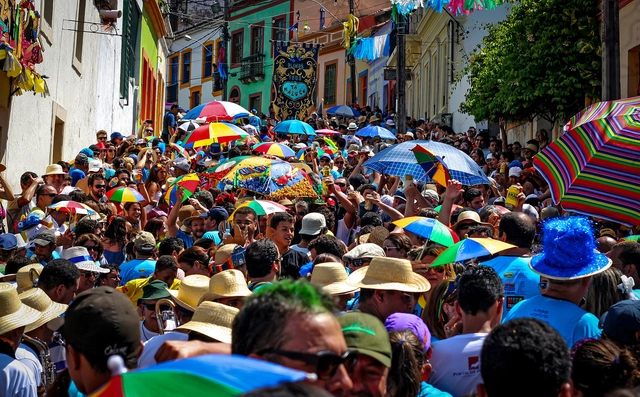
Carnival in Olinda, PE. Photo: Ralph Fernandes, via Flickr by Circuito Fora do Eixo; license CC BY-SA
Popular culture is an imprecise concept that lends itself to various definitions. To grasp the traits characterizing the different meanings of popular culture, one must trace the dynamics of how this term has evolved throughout the studies dedicated to the field.
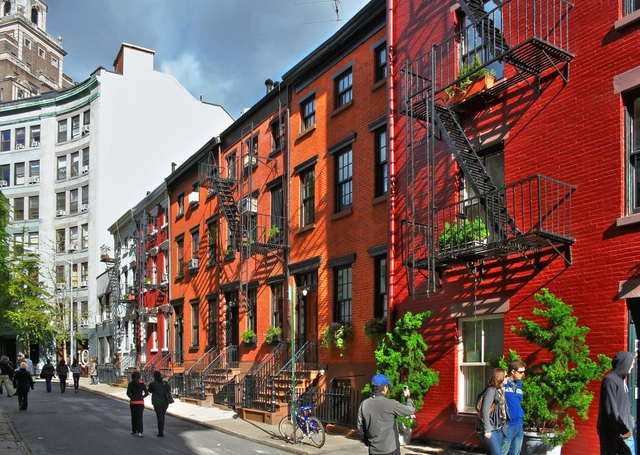
Photo: Chaval Brasil on Visual hunt / CC BY-NC-ND. Collage: ArchDaily
The terminology cultural property has several definitions. Found across various spheres and historical periods, the term has been gradually reshaped, with its application and meaning expanding and becoming more clearly defined over time.
Projects working to preserve and promote Brazilian Cultural Heritage can now access the official guidelines to participate in this year's Rodrigo Melo Franco de Andrade Award. Globally recognized for its cultural diversity, Brazil is a country whose identity reflects the influence of various groups that helped shape Brazilian society. For 32 years, the Rodrigo Award, organized by the National Institute of Historic and Artistic Heritage (Iphan), has encouraged and recognized those who work to preserve the country's cultural assets.