CicloVivo

BROWSE ALL FROM THIS AUTHOR HERE
↓

Connectivity enables dockless bike-sharing in São Paulo

Bike-sharing services have been gaining increasingly more users in several Brazilian cities. In São Paulo, Yellow's system will make 20,000 bikes available using an innovative dockless model, eliminating the need to pick up or return them to specific stations. They will be monitored via GPS through chips from Vodafone Brasil—the local partner of Datora Mobile—allowing users to connect to and locate the bikes via an app. Operations began on August 2.
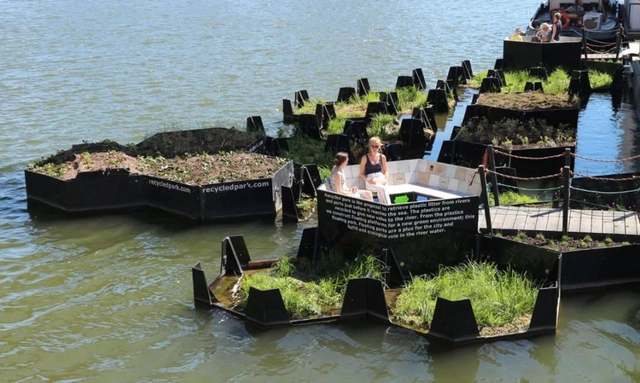
Floating park is made from plastic waste collected from a river in the Netherlands

After nearly five years of design, plastic recovery, recycling, fundraising, and intensive collaboration, the first floating park made of recycled plastic has opened. The prototype was installed in the Port of Rotterdam, Europe's largest seaport, located in the second-largest Dutch city.

Measuring 140 square meters, the so-called “Recycled Park” demonstrates the potential of discarded materials. For this project, the Recycled Island Foundation collected plastics over a year and a half by installing “traps” in polluted rivers before they could reach the sea.

Sweden opens electric road that recharges vehicles in motion

A few weeks ago, Sweden inaugurated a road that recharges commercial and passenger vehicle batteries while driving. Named the eRoadArlanda project, the two-kilometer route was built outside Arlanda Airport in Stockholm, the country's capital.

Sweden opens electric road that recharges vehicles in motion - Image 3 of 4

Maringá develops app for residents to register trees

To streamline tree mapping, the Secretariat of Environment and Animal Welfare (Sema) is studying the development of an app to record information on tree species in the city's urban forest. If the study proves viable, the software is expected to be ready by the second half of this year.

The system, currently under study, is part of the Urban Forestry Master Plan, mandated by the Public Prosecutor's Office and launched in March of last year. The inventory is the most time-consuming phase of the project; however, the app will make it possible to map urban trees in certain areas of the city, collecting data such as geographical coordinates and tree health.

Montreal wants to adopt different traffic laws for cyclists

The measure is based on the principle that it makes no sense to continue applying the same rules to two such different types of vehicles.

Mayor Valérie Plante has promised improvements to the city's cycling infrastructure. Her ideas align closely with those of Councilor Marianne Giguère, who is responsible for sustainable development and transportation. Giguère believes that, under current laws, the message to cyclists is that they must be just as cautious as drivers, “even though you [the cyclist] pose much less of a danger.”

California Approves Bill to Generate 100% Renewable Energy

The California Assembly voted in favor of SB 100, a Senate bill that sets the state on a path toward 100% renewable energy generation. The legislation establishes a new target of obtaining 60% of the state's electricity from renewable sources by 2030 and reaching 100% clean and renewable energy by 2045. Governor Jerry Brown has thirty days to sign the bill.

Ministry of the Environment Releases Guide on Bioconstruction Techniques

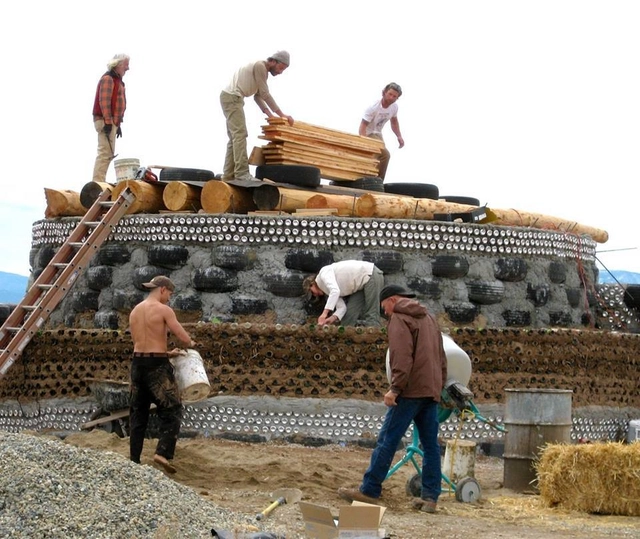
Bioconstruction is based on the principle that it is possible to build with a very low environmental impact. To promote this concept and present practical techniques, the Ministry of the Environment is offering a free online guidebook for training and information on the subject and its methodologies.

Although created for a course within the Support Program for Ecotourism and Environmental Sustainability in Tourism (Proecotur), the material is highly useful for anyone wishing to better understand bioconstruction and learn the details of different sustainable and environmentally friendly techniques.

Germany Proposes Free Public Transit to Reduce Pollution

By the end of 2018, at least five cities in Germany could test a model approach to combating pollution. The trial will discourage private vehicle use while offering free public transit—a solution currently adopted in only a few places.

Bonn, Essen, Herrenberg, Reutlingen, and Mannheim are the German cities included in the proposal drafted by the federal government. “We are considering making public transport free of charge to reduce the number of private cars,” German ministers stated in a letter sent to the European Commission. “Fighting air pollution effectively without unnecessary delays is of the highest priority for Germany,” the document adds. 

Germany Proposes Free Public Transit to Reduce Pollution - 1 的图像 4

Design platform launches challenge seeking solutions for São Paulo's traffic

The millions of cars, trucks, and buses on São Paulo's roads account for over 90% of all air pollution. With residents spending up to five hours a day commuting, the metropolis is constantly gridlocked. To address this, What Design Can Do and the IKEA Foundation are calling on creative professionals from around the world to develop radical, innovative solutions for more sustainable flows of people and goods in the city.

Free publication offers solutions to make cities bluer

The relationship between cities and ocean sustainability was highlighted at the Brazil Pavilion during COP28, the United Nations Climate Change Conference. The panel "Cities, ports, and conservation: integrated effort for resilient and climate-adapted cities" brought together representatives from the federal government, subnational governments, the private sector, and civil society, and marked the launch of the publication "Ocean Without Mysteries – Building Blue Cities."

"SP/Amazon Connection: Climate Action" brings together environmental debates and art

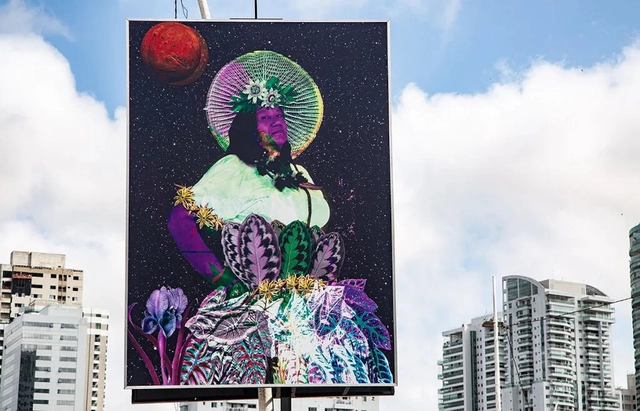
From November 23 to 25, "SP/Amazon Connection: Climate Action" will host a seminar on communication, art, and climate urbanism, featuring free workshops, debates, lectures, and exhibitions at the Centro Cultural Banco do Brasil São Paulo (CCBB SP). To conclude the event's programming, an art installation will be on display on the exterior wall of the CCBB Annex until December 25.

Conceived by Novo Acordo Verde (NAVE) and the Fervura platform, "SP/Amazon Connection: Climate Action" strategically uses artistic expression and the occupation of urban public space as tools to amplify information. It aims to connect the general public with topics like the climate crisis and the essential solutions needed for humanity and the environment to overcome history's greatest challenge.

Subscriber Access

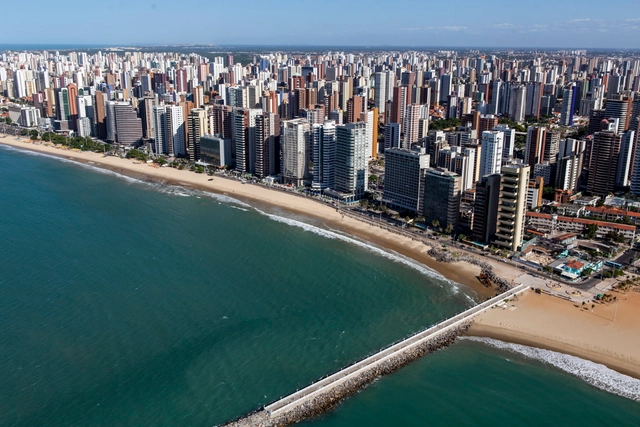
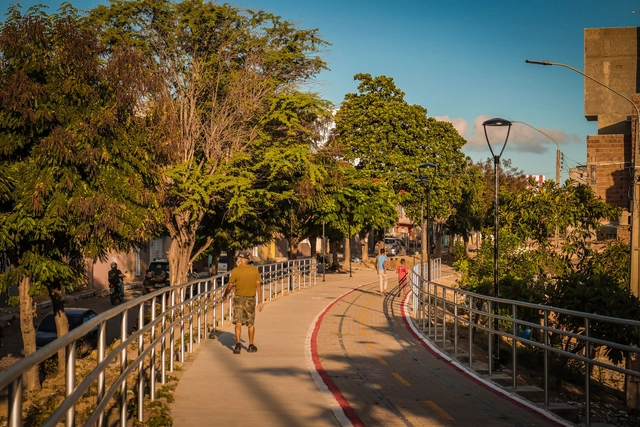
Benevides, Jundiaí, and Fortaleza Win Walkable City Award

Addressing the climate crisis urgently requires transforming urban lifestyles, as cities are major polluters and energy consumers. Re-evaluating motorized vehicle use, particularly individual transport, is one of the necessary shifts in urban centers. Cities that offer safety for pedestrians, cyclists, and an efficient public transit network are increasingly essential.

Encouraging the development of urban centers where people can move actively—on foot and by bicycle—for their daily activities is the path promoted by the Instituto Caminhabilidade. To this end, it established the Walkable City Award, which highlights and inspires initiatives for walkable cities in Brazil.

Subscriber Access

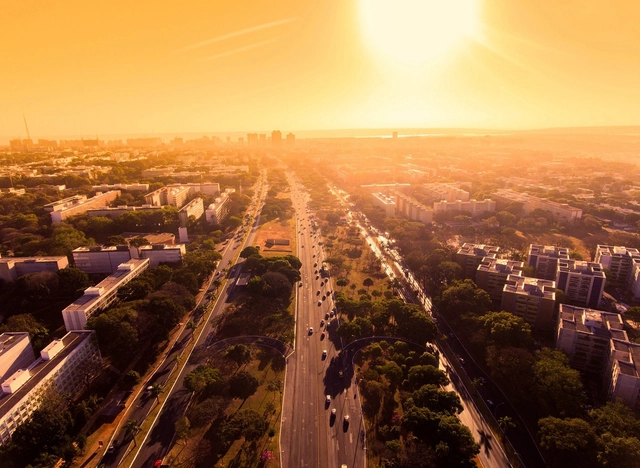
Trees act as natural air conditioners and can lower city temperatures by up to 3°C

The capacity of trees to naturally cool cities is one of the key benefits of promoting urban planting. In the Federal District, urban afforestation has been studied to guide public policies toward the sustainable use of natural resources. Architecture and Urbanism student Júlia Almeida, from the University Center of Brasília (CEUB), measured the microclimatic influences of vegetation at the residential scale in Brasília, proving the power of greenery to improve quality of life.

Diário do Clima monitors and filters information on environmental policies

How are Brazilian municipalities preparing to face climate change? What laws are being created? How are resources being invested? To increase transparency regarding public policies focused on the climate and the environment, the Diário do Clima was created.

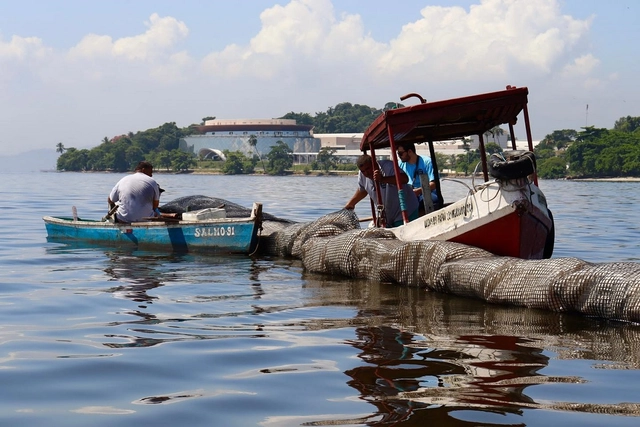
Trash barrier installed in Guanabara Bay

An experimental barrier to collect floating trash at Prainha on Ilha do Fundão, located on the coast of Guanabara Bay in Rio de Janeiro, was installed in early June by the Orla Sem Lixo (Trash-Free Shoreline) Project. The initiative aims to find a sustainable alternative for managing floating waste in coastal and adjacent marine areas, fostering a knowledge exchange between the local fishing community and researchers.

Award recognizes projects that transform cities into "walkable" ones.

In Brazil, over 80% of the population lives in urban areas, and walking is the primary mode of transportation in cities, accounting for 39% of daily trips, according to the ANTP (National Association of Public Transport). If we consider that public transit trips start and end on foot, walking is involved in about 67% of daily journeys. Since walking is already the reality for Brazilians, what is missing? Improving urban infrastructure to make cities more "walkable."

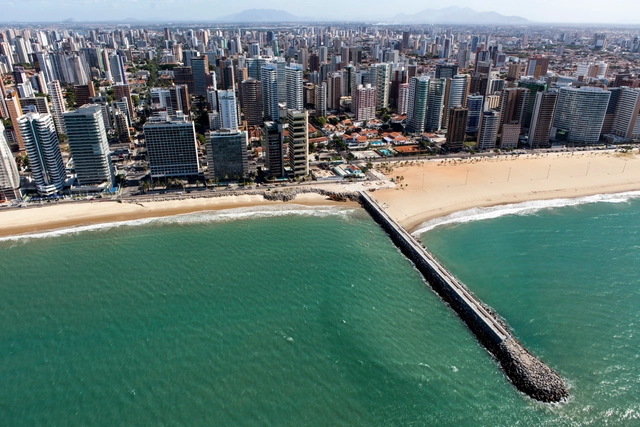
Fortaleza Receives $1 Million Prize to Invest in Cycling Infrastructure

To help celebrate World Bicycle Day on June 3, ten cities worldwide received a major boost: they were selected to receive key support for building innovative cycling infrastructure and sustainable mobility options for their residents. The Bloomberg Philanthropies initiative is called BICI, short for the Bloomberg Initiative for Cycling Infrastructure.

Fortaleza, Brazil, will receive a special prize of US$1 million. Addis Ababa, Ethiopia; Bogotá, Colombia; Lisbon, Portugal; Milan, Italy; Mombasa, Kenya; Pimpri-Chinchwad, India; Quelimane, Mozambique; Tirana, Albania; and Wellington, New Zealand, will each receive US$400,000 in funding.

Subscriber Access

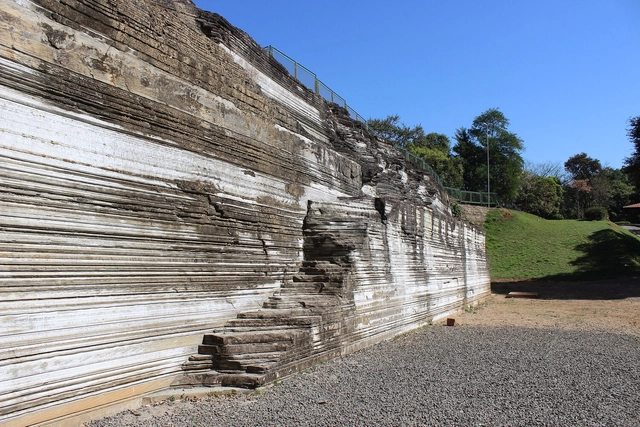
10 Listed Environmental Heritage Sites You Can Visit in the State of São Paulo

Studies link green areas to a reduction in anxiety and depression, boosted immunity in children, relief from loneliness in cities for adults, and even increased intelligence. Seeking outdoor leisure activities in contact with nature offers numerous benefits. To help you choose interesting places to visit in the state of São Paulo, we present a list of ten protected environmental heritage sites, compiled by the São Paulo State Secretariat of Culture and Creative Economy.

According to the Secretariat of Infrastructure and Environment, the State of São Paulo has 5,670,532 hectares of native vegetation in various stages of recovery. This area is equivalent to 22.9% of the state's territory. Below, check out some of the spaces that preserve this greenery. In addition to urban parks, trails, and campsites, the list even includes the headwaters of the Tietê River.

10 Listed Environmental Heritage Sites You Can Visit in the State of São Paulo - Imagen 1 de 410 Listed Environmental Heritage Sites You Can Visit in the State of São Paulo - Imagen 2 de 410 Listed Environmental Heritage Sites You Can Visit in the State of São Paulo - Imagen 3 de 410 Listed Environmental Heritage Sites You Can Visit in the State of São Paulo - Imagen 4 de 410 Listed Environmental Heritage Sites You Can Visit in the State of São Paulo - More Images+ 8