It appears that the humanitarian crisis has triggered a myriad of actions, rarely seen under normal circumstances, where human life, health, and the economy are prioritized equally. As urban activities grind to a halt, we once again isolate and alienate ourselves; yet, this situation feels strangely familiar. Almost seamlessly, we turn our lives over to technology, detaching ourselves from the physical conditions of our existence to make quarantine more bearable within spaces of telecommuting, virtual classes, chats, and social networks.
https://www.archdaily.com/1124100/architecture-of-a-crisis-the-pandemic-and-virtual-spacesJulián Jerez V.
The 2020 FAD Awards, one of the most important architecture accolades on the Iberian Peninsula, have announced the winning projects of their latest edition.
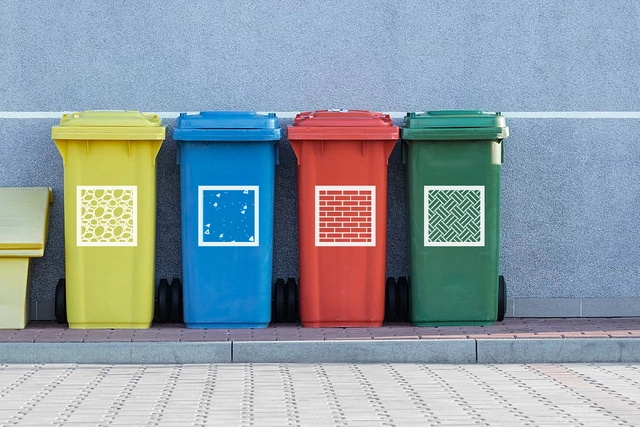
While public awareness and regulations on how to reduce, reuse, and recycle municipal solid waste (MSW) on a daily basis have gained momentum, this is not yet the case for construction and demolition waste (CDW). This waste is primarily generated from the development of new projects; the rehabilitation, repair, and retrofitting of existing buildings; and site preparation and demolition processes, spanning from the scale of a single house to an entire city. This represents not only the loss of a massive volume of concrete, brick, steel, and manufactured products, but also the missed opportunity to salvage historic relics.
We want to offer our readers the opportunity to openly share their opinions and experiences regarding the recycling of this waste. If we were all fully aware of the environmental impact generated by the extraction, production, and commercialization of materials—only for them to ultimately end up as trash—would it change the way we design? Would our practices change?
Historically, architecture is a discipline that for many years was a male-dominated territory, until in 1939, María Luisa Dehesa became the first Mexican female architect. Yet, despite the perception that gender parity has been achieved in the education of architects in Mexico, the concept of masculinity (which can be exercised by both men and women) continues to permeate architecture. This is reflected in design processes, in the figure of the "unreachable architect," in a sense of competitiveness, in hierarchical structures, and, in the most unfortunate cases, in the notion that women design interiors while men design *real* architecture.
Edificio los Eucaliptus. Captura extraída del modelo digital. Image Cortesía de Arquitectura Moderna 360º / @arquitecturamoderna360
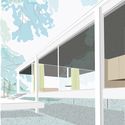
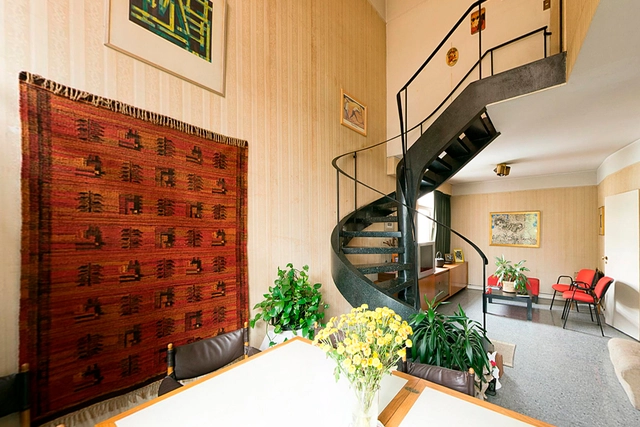
Lately, virtual technology has become a crucial resource to support users and students worldwide. Courses, training programs, and books have successfully transitioned to digital formats to ensure the continuity of educational, training, and leisure activities. Understanding this shift, the Arquitectura Moderna 360 project has created a free-access web database that functions as a digital catalog or log, compiling various three-dimensional models, 360° panoramic photos, and VR of representative works of the Modern Movement in Argentina. This allows users from anywhere in the world to immerse themselves in the interior spaces of iconic buildings that have played a significant role in the country's architectural history.
The ECOM Rosario (Metropolitan Coordination Agency) is a voluntary association of municipalities and communes, an institutional space for the planning, coordination, and promotion of public policies with regional impact, organized on the basis of a strategic partnership among 26 localities. It is essentially an organ for driving the formulation, development, and execution of projects at a metropolitan scale, established with the goal of supporting balanced and integrated territorial development in the Metropolitan Area of Rosario (AMR), Argentina.
Oaxaca is one of Mexico's thirty states, renowned for a rich culture that has shaped a territory celebrating its roots. Located in the country's southeastern region, it borders the Pacific Ocean and is known for its indigenous communities, where Zapotec and Mixtec cultures predominate. In addition, Oaxaca is home to a vibrant public life where streets, pedestrian walkways, and plazas frame a diverse range of political, religious, and popular activities. This has drawn the attention of various projects and research initiatives seeking to highlight this social effervescence.
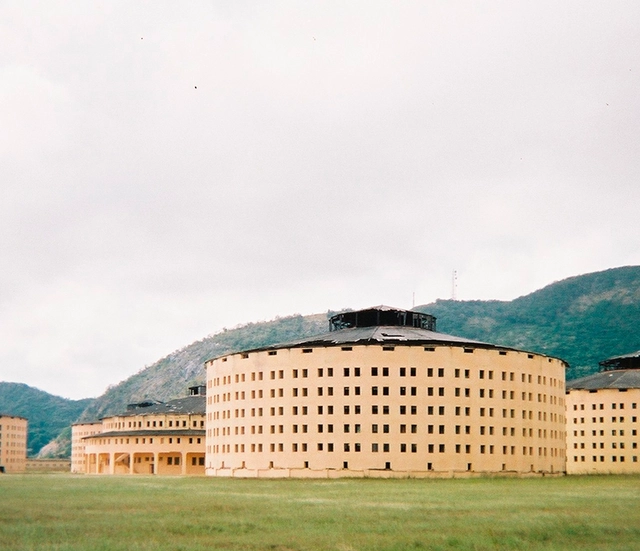
Natural disasters, mass migrations, economic crises, or simply the passage of time can leave significant architectural works—and even entire towns—abandoned to decay, losing their habitability either partially or completely. Recognizing that these buildings form part of our recent history, a growing number of photographers, historians, and urban explorers (urbex) are venturing out in search of these modern ruins.
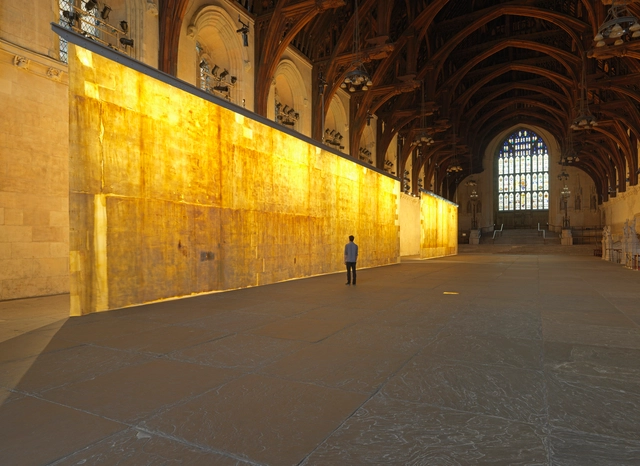
"I am interested in how we transition as people from one phase of life to another, and as cultures from one historical period to another. Transitions are often difficult, maybe even frightening." With this introduction, we can expect the work of artist-architect Jorge Otero-Pailos to offer a different perspective, particularly in how we understand the passage of time in architecture throughout history.
Below, he shares photographs of his series "The Ethics of Dust," which highlights the cleaning of dust and pollution residue from renowned historical buildings and monuments—making the invisible visible.
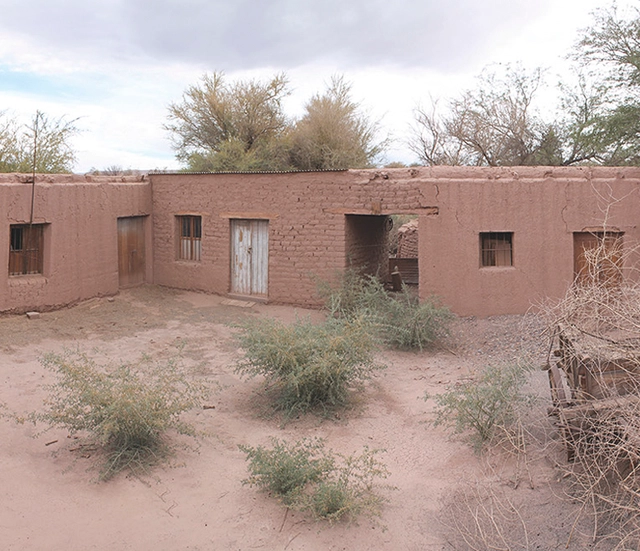
In the past, people lived off their crops, built using materials available in their environment, and traveled great distances in search of the resources necessary for their survival. This led to a deeper understanding of the territory, close observation of nature's behavior, and the comprehension and use of local materials to construct their homes. It is from this close relationship between humans and their environment that the vernacular architecture of San Pedro de Atacama emerged, materially composed of earth, stone, tar, straw, and chañar and algarrobo wood. Today, urban growth driven by a steady rise in tourism, combined with a lack of regulations protecting the town's architectural identity, has led to new construction that threatens the area's built heritage.
The state of Guanajuato is located in the north-central region of Mexico, bordering the states of Zacatecas, San Luis Potosí, Querétaro, Michoacán, and Jalisco. Covering an area of 30,607 km², it is one of the country's most populous regions. Its most prominent municipalities include León, Irapuato, Celaya, Salamanca, and San Miguel de Allende. The latter, designated a UNESCO World Heritage Site in 2008, is characterized by its Baroque and Spanish architecture. Additionally, this city is home to the Parroquia de San Miguel Arcángel, built from the region's characteristic pink cantera stone.
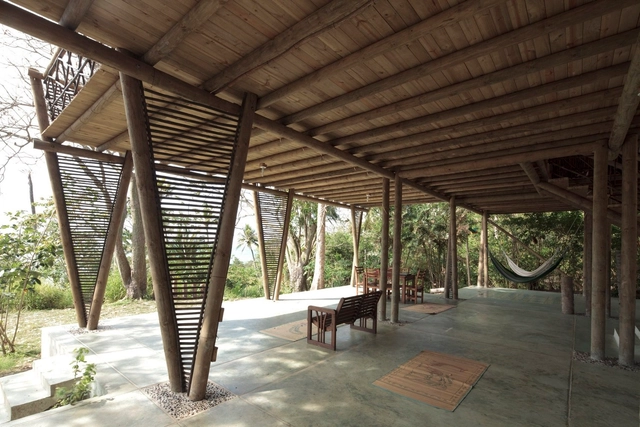
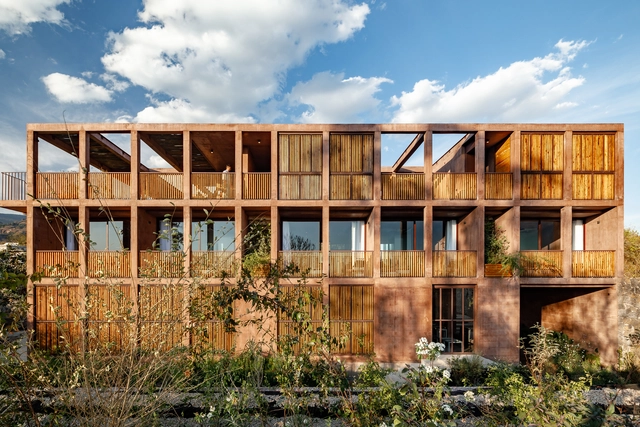
Wood is a noble material that has been used in construction since time immemorial, across all regions of the world where it is available. Although this material can be applied to almost any use, we have focused this article specifically on residential projects previously published on our site and located in Colombia.
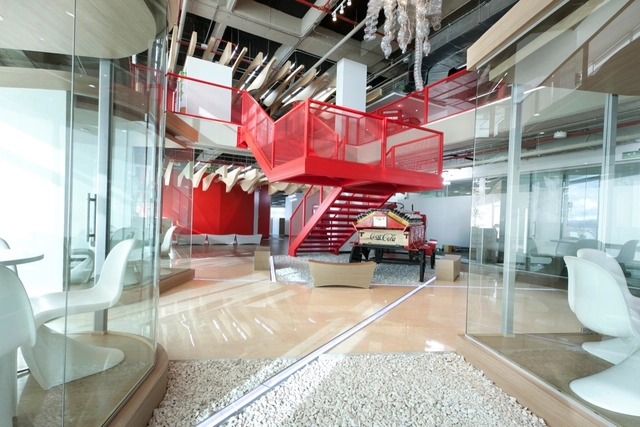
Even as work arrangements, schedules, and environments become increasingly fluid, dedicated office buildings remain a fixture of zoning plans in most cities.
From prefabricated modules that sit lightly on the landscape to projects built on-site and integrated into their surroundings, in Uruguayan projects, wood emerges as a highly capable resource for addressing the wide array of requirements associated with residential construction. Whether used as structure, cladding, or furniture, and paired with concrete, stone, brick, or metal, wood offers endless applications. These possibilities enable the materialization of diverse approaches to the projects' exterior language and expression, while also elevating spatial quality and generating distinct interior atmospheres.
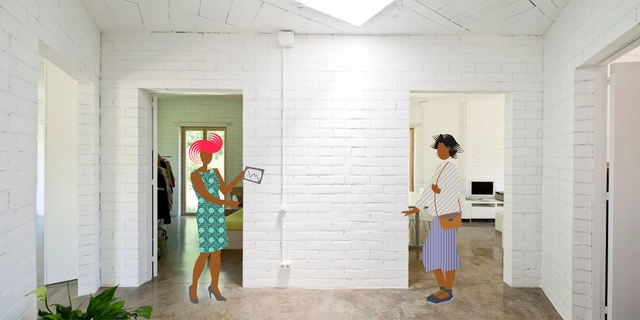
Have you ever had to convince your friends or family that an exposed brick wall can be more appealing than a plastered, white-painted one? Or that exposed building systems can offer significant advantages when it comes to maintenance? Do we connect better with a smooth backdrop for hanging art than with the textures of exposed materials?
Tepoztlán is a region located in the state of Morelos, in the south-central part of the country, bordered by the states of Guerrero, Puebla, the State of Mexico, and Mexico City. Spanning an area of 242.646 square kilometers, it is one of the 111 Pueblos Mágicos (Magical Towns) designated to boost tourism by highlighting the unique attributes of each destination.
Videos
"Ya no estoy aquí" dirigida por Fernando Frías. Image Cortesía de Netflix
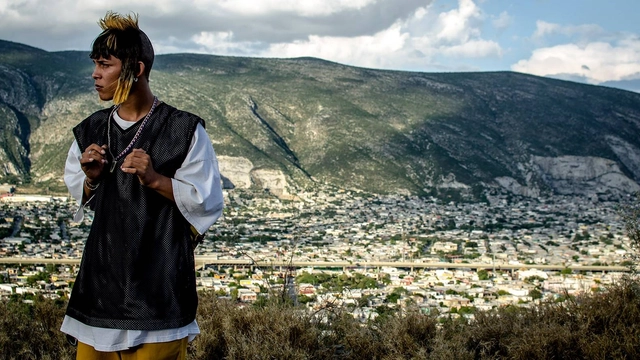
Directed by Mexican filmmaker Fernando Frías and winner of the Morelia International Film Festival, “I’m No Longer Here” (“Ya no estoy aquí”) is a film that has been widely discussed across various disciplines. It highlights the specific values and struggles of a territory while transcending borders to showcase the most human and global aspects of our shared world.
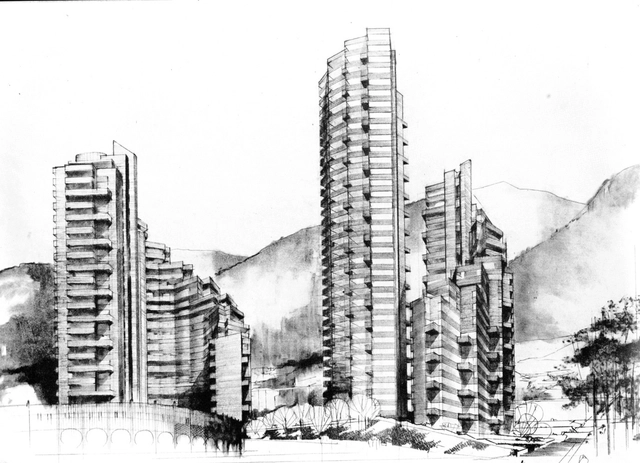
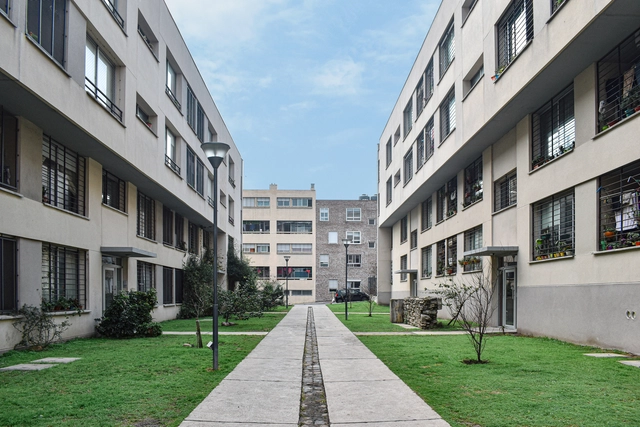
Team 10 and the 3 Pioneers: First Generation –Housing cooperatives in Uruguay are currently the country's most prominent form of cooperativism, though by no means the only one. This model transcends housing, having gained significant momentum in the first half of the twentieth century. For instance, Montevideo's transit company (CUTCSA) began operating as a cooperative in 1937. Specifically, while 843 cooperatives were registered in 1989, by 2017 this number had risen to 3,665 cooperatives across various sectors.
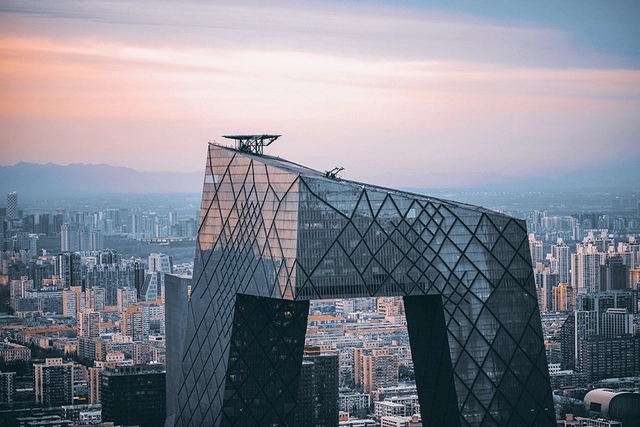
CCTV Headquarters in Beijing. Image courtesy of Caos Planejado
Hundreds of towers repeat across a hazy horizon. Traditional buildings crumble, while others have been rebuilt into tourist shops. Colorful Lamborghinis share sluggish traffic with old taxis, laborers' tricycles, and executives riding yellow bikes from Ofo, the world's largest dockless bike-sharing company. Some pedestrians wear masks to filter the polluted air, others carry shopping bags, others spit on the ground or walk the streets in pajamas. Street vendors are extremely rare, in contrast to the police and military personnel seen on almost every corner.
The city belongs to everyone; it is a reflection of who we are as a society. That is why we must care for it—because it is ours! We have a civic commitment. (Civic, from the Latin civis / City, citizen, from the Latin civitas)
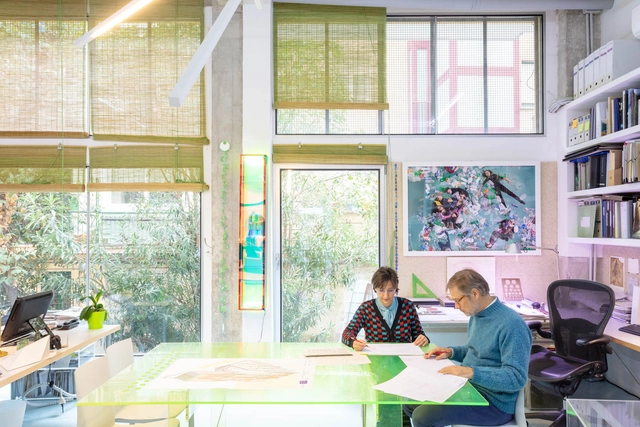
The sixth edition of the international architecture and city festival Open House Madrid was held from September 25 to 27, featuring a special edition organized to comply with necessary health measures and ensure the safety of all participants. The event offered visits to 27 renowned architecture studios across the city—some in virtual formats, others in person, and some in both.
https://www.archdaily.com/1124217/27-architecture-office-visits-at-open-house-madrid-2020ArchDaily Team
When we were still nomads, we fought our first battles with sticks and stones. The reasons for aggression against members of our own species can vary, ranging from securing resources and territory to seeking revenge or even power. Battles between different tribes have accompanied human evolution on Earth. Ever since the creation of cities, warfare and the combat equipment of each era have been important factors to consider in the planning of urban centers.
https://www.archdaily.com/1124208/how-wars-shaped-our-citiesPaulo Sa Vale
July 20th marks the date when Colombia celebrates its independence from Spanish rule. Two centuries later, the very idea of independence remains debatable. Although the Colombian republic is constitutionally independent, colonial legacies continue to structurally dominate society today.







.jpg?1599092292&format=webp&width=640&height=580)
.jpg?1599092292)