“What is the essence of ceramic craftsmanship in Pomaire?” asks Kengo Kuma of Rodrigo Veliz, a potter with a long family tradition, with whom he is collaborating on the Clay Route in Chile.
Articles
Kengo Kuma and Rodrigo Veliz on how to build with clay in Pomaire, Chile
https://www.archdaily.com/1128289/kengo-kuma-and-rodrigo-veliz-on-how-to-build-with-clay-in-pomaire-chileFabian Dejtiar
The Builder of Ruins: An Unfinished House by Paco Alonso
"Domingos Libro" is hosted by Carmelo from Enorme Studio, where every two weeks, he delves deeply into forgotten architectural publications, books, and architectural magazines from the '60s, '70s, and '80s that carry the most interesting stories behind them.
This latest episode focuses on the 1989 double issue 181/182 of the Catalan magazine QUADERNS, specifically examining an unfinished house by Paco Alonso, an architect from the Madrid School who never completed any of his works and was once dubbed "The Builder of Ruins" by a colleague.
https://www.archdaily.com/1128283/the-builder-of-ruins-an-unfinished-house-by-paco-alonsoFabian Dejtiar
TEN Arquitectos: 8 Projects in Progress in 2021
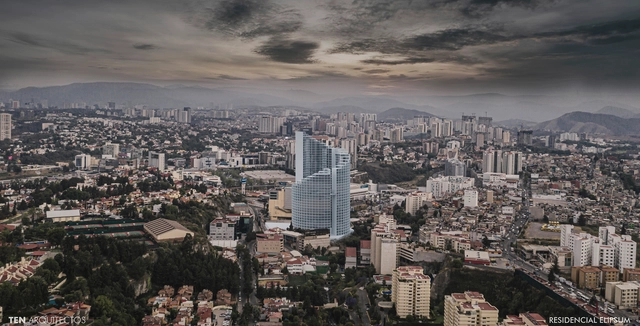


TEN Arquitectos is a practice based in Mexico City, New York, and Miami. Founded by Mexican architect Enrique Norten, the firm has 33 years of experience designing with a global perspective that yields a consistent international sensitivity when creating new spaces. This trajectory has been recognized with various national and international awards, including the Mies van der Rohe Award for Latin American Architecture, honors from the national American Institute of Architects (AIA) and several US chapters, Architectural Record, Architect Magazine, Architizer, Biennials in Mexico, Argentina, and Ecuador, and the Royal Institute of British Architects (RIBA), among others.
https://www.archdaily.com/1128246/ten-arquitectos-8-projects-in-progress-in-2021Mónica Arellano
What is a master plan?
_OMA.jpg?1616763505&format=webp&width=640&height=580)
In any planning process, a series of documents—comprising both graphic and textual materials—establishes a framework for future development. In urban planning, the master plan stands out as one of the most common instruments for this purpose.

_OMA.jpg?1616763505)
https://www.archdaily.com/1128247/what-is-a-master-planSusanna Moreira
6 micro-documentaries on prominent Chilean architects
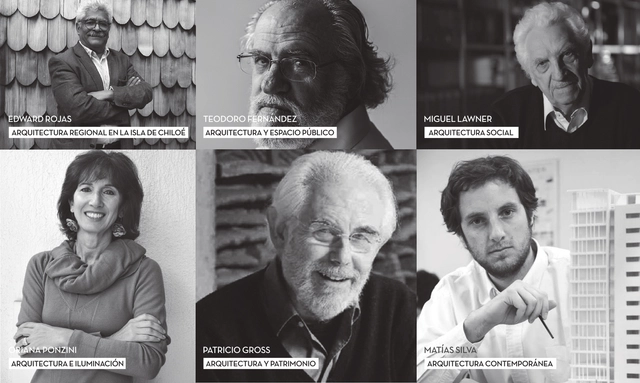
“Arquitectos” is a micro-documentary series produced by AvantVisual and directed by Mauro Alfaro on the life and work of prominent Chilean architects. The series was originally scheduled to premiere at the XXI Chile Architecture and Urbanism Biennial, “The Common and the Everyday.” However, due to the suspension of the Biennial in the wake of the 2019 social uprising, the premiere could not take place.
https://www.archdaily.com/1128262/6-micro-documentaries-on-prominent-chilean-architectsRene Submissions
Open Architectures: How to Design for Changing Uses?

Out of necessity, buildings change uses over time. Churches become libraries, and abandoned warehouses are transformed into cultural centers. Although much has been written on the subject since N. John Habraken's concept of open building in the 1970s, a fascinating global debate is currently underway. Do we really need so much square footage dedicated to offices when the pandemic proved that much of our work can be done remotely?
https://www.archdaily.com/1128268/open-architectures-how-to-design-for-changing-usesFabian Dejtiar
Is Medialab-Prado Relocating? An Open Letter in Its Defense
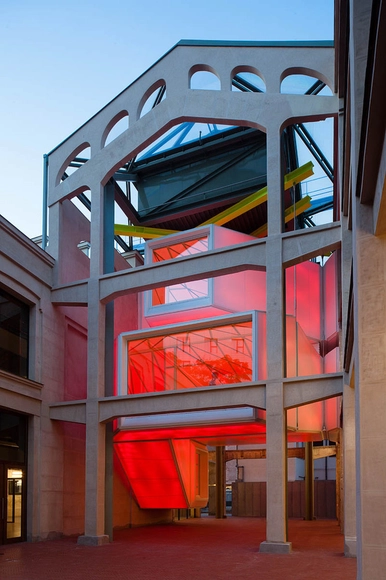
"The Value of Medialab-Prado as an Original Work on Urban Heritage and Institutional Good Practice." This is the title of the open letter written by the movement defending a cultural center with nearly 20 years of history in Madrid—housed in the historic Serrería Belga building in the Barrio de las Letras.
https://www.archdaily.com/1128256/is-medialab-prado-relocating-an-open-letter-in-its-defenseFabian Dejtiar
What are local materials and how are they used in megacities?
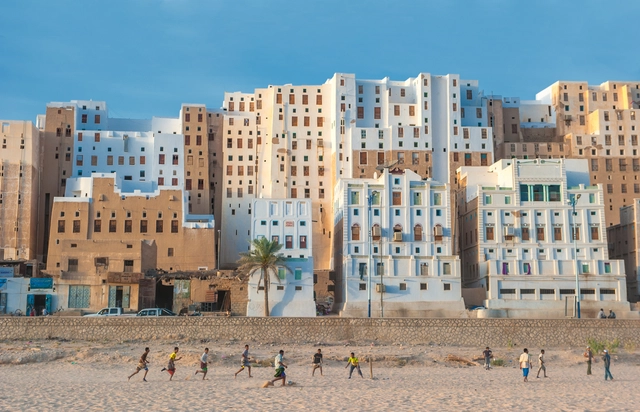
The construction sector's contribution to today's climate crisis is deeply concerning: between material production, construction, and building operations, the sector is one of the largest emitters of greenhouse gases. Meanwhile, as urban populations grow at historic rates, we find that in the development of major energy-intensive cities, reducing the discipline's environmental impact seems to rely on niche interests and individual initiatives rather than large-scale actions from academia, the profession, or policymakers.
History has shown us numerous construction techniques and applications of local materials that have proven sustainable over time—relying on the efficient use of resources that require no intensive industrial processing and eliminate the need for long-distance transportation. In some cases, at the end of their life cycle, these materials can even be returned to the environment, as is the case with adobe and wood.
https://www.archdaily.com/1128261/what-are-local-materials-and-how-are-they-used-in-megacitiesFabian Dejtiar
Santiago's San Carlos Canal: Cover It?

It took nearly 60 years to build the San Carlos Canal, an engineering feat that drew water from the Maipo River to irrigate the lands of southeastern Santiago.
https://www.archdaily.com/1128245/santiagos-san-carlos-canal-cover-itFabian Dejtiar
How to design healthy interiors?

How can we design spaces that are healthy for our minds and bodies? This is the central question we will address this March as we focus on the topic of interiors and well-being.
https://www.archdaily.com/1128229/how-to-design-healthy-interiorsFabian Dejtiar
Raw Earth Rotunda: A 200-Hour 3D-Printed Sustainable Home
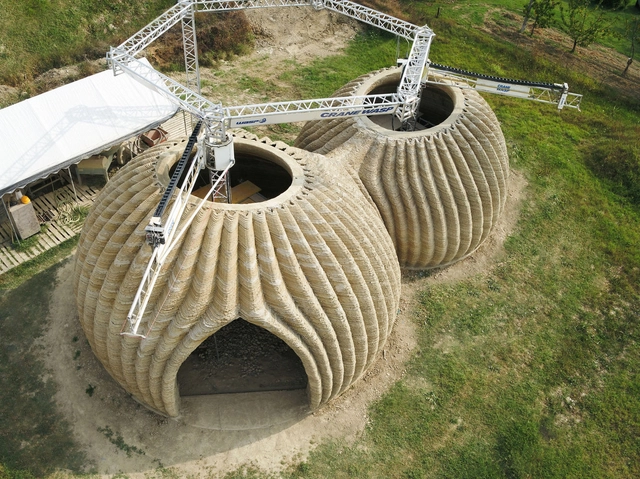
This project represents the latest collaboration between Italian firm Mario Cucinella Architects (MC A) and WASP, marking the first time the two teams have used raw earth—a natural, fully recyclable material—for 3D-printed construction. Located in Massa Lombarda (Ravenna, Italy), the completed habitat is named TECLA. The earthen dome was constructed in 200 hours of continuous printing by multiple synchronized 3D printers.
https://www.archdaily.com/1128231/raw-earth-rotunda-a-200-hour-3d-printed-sustainable-homeJosé Tomás Franco
Jobs of the Week | IN.X & SLT-STUDIOLITE

This week's featured career opportunities come from two design firms based in Beijing and Shanghai: IN.X Design and SLT- STUDIOLITE. Specialized in projects of varying scales and themes, both practices are highly active across diverse design sectors and are looking to recruit like-minded design talent to join their teams.
https://www.archdaily.com/1128303/jobs-of-the-week-i-and-slt-studioliteJuly Shao
The Right to the City: From Lefebvre to the Mexican Constitution
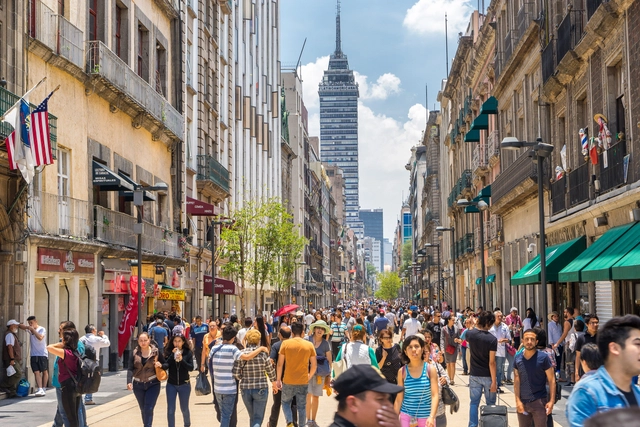
Contrary to popular belief, it is impossible to separate law and urban planning. Both disciplines have served as instruments to establish the rampant inequalities we live in—one through the administration of state force, the other through the accumulation of territorial power. Yet both also hold the keys to creating more equitable cities. The only way to build a true right to the city is through interdisciplinary dialogue, particularly now that a reform proposal seeks to recognize this right in the Political Constitution of the United Mexican States. This article aims to open a space for dialogue among those of us working in law, architecture, and urban planning.
https://www.archdaily.com/1128304/the-right-to-the-city-from-lefebvre-to-the-mexican-constitutionCarla Luisa Escoffié Duarte
Skylights: Lighting and Ventilation in Interiors
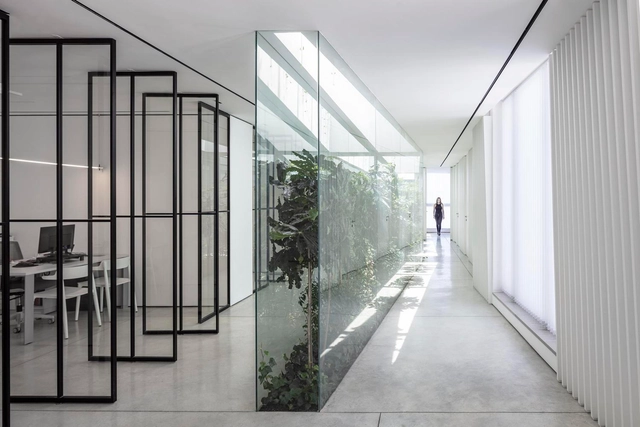
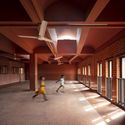
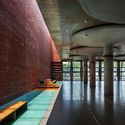

The connection between interior and exterior is almost always cited in architectural projects. After all, bringing glimpses of the outdoor space into a building is one of the most widely used devices when thinking about the well-being of its inhabitants. In addition to contact with the surrounding landscape, an important factor of this strategy is allowing natural light into the space, as it can convey a visual message that transforms spatial perception.
https://www.archdaily.com/1128313/skylights-lighting-and-ventilation-in-interiorsVictor Delaqua
Martín L. Gutiérrez (1927-2020): 65 Years Between the Practice and Teaching of Architecture in Mexico
.jpg?1626363543&format=webp&width=640&height=580)
.jpg?1626363518 "Cristóbal Colón School. Image © Archivo Martín L. Gutiérrez Martínez")
.jpg?1626363496 "Revolución Ice Rink. Image © Archivo Martín L. Gutiérrez Martínez")
.jpg?1626363542 "Cristóbal Colón School. Image © Archivo Martín L. Gutiérrez Martínez")
.jpg?1626363655 "UBAC Rectory. Image © Archivo Martín L. Gutiérrez Martínez")
.jpg?1626363543)
Architect Martín Luis Gutiérrez Martínez was born in Gómez Palacio—a city in the state of Durango, Mexico—in 1927, and he never left behind his Northern roots or any of his lifelong convictions. During the brief and cherished time I shared with him, our conversations were always filled with his exceptional memory, enlivened by an untiring passion for living and feeling architecture.
https://www.archdaily.com/1128314/martin-l-gutierrez-1927-2020-65-years-between-the-practice-and-teaching-of-architecture-in-mexicoJorge Andreas Hernández
Care and Feminism: The Role of Design in 2021
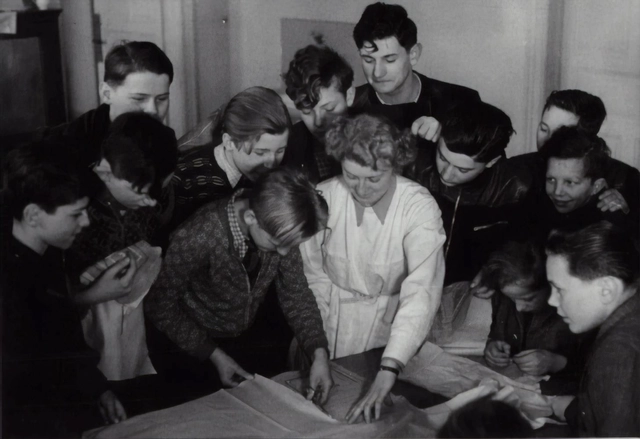
This article is part of a collaboration with the website coolhuntermx, and was originally published under the title "Cuidados y feminismo, la labor del diseño en 2021."
Looking to the future, do you have the option to retire and collect a pension to live peacefully in old age? Is it entirely possible for you to recognize when you are working and when you are not? I pose these as questions, but they are actually statements with a small checkbox next to them to choose from 30 criteria. In the form of a quiz, writer Alejandra Eme Vázquez in her book Su cuerpo dejarán begins to question your situation in the labor market, with the clear intent of pointing out the precarity and invisibility of care and domestic work. Ultimately, sooner or later, all women have to care for someone and care for themselves; this care is the foundation that sustains the system in which we live, sustaining public life.
https://www.archdaily.com/1128299/care-and-feminism-the-role-of-design-in-2021Cristina Cruz
Collaborative housing in the digital age as a sustainable process
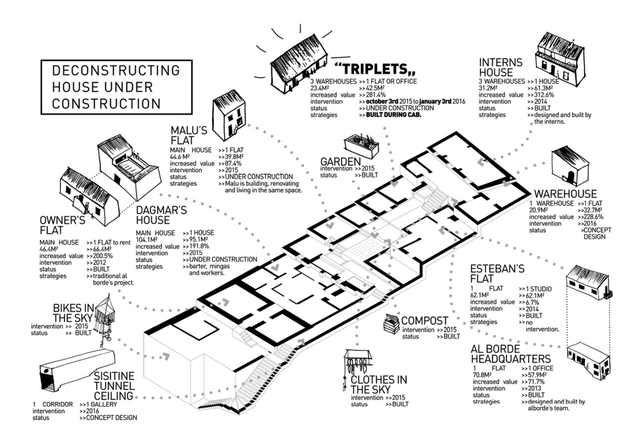

This article by Lucía de Molina Benavides and Elisa Valero Ramos was originally published under the title "La vivienda colaborativa en la era digital como proceso sostenible" [1] in issue 31 of Dearq journal on September 1, 2021 (DOI: https://doi.org/10.18389/dearq31.2021.03).
The article explores how the digital era has revolutionized the lives of millions of people. Today, technological development is visibly affecting the social sustainability of cities through issues such as exclusion, individualism, and gentrification. Conversely, when applied transversally, this technology can foster inclusion, diversity, and a sense of community. This article addresses collaborative housing, understood as a participatory process that extends beyond the design and construction phases into the management and use of spaces, enhancing social sustainability through digital technologies.
https://www.archdaily.com/1128300/collaborative-housing-in-the-digital-age-as-a-sustainable-processLucía de Molina Benavides y Elisa Valero Ramos
500 Years of Architecture in Mexico City
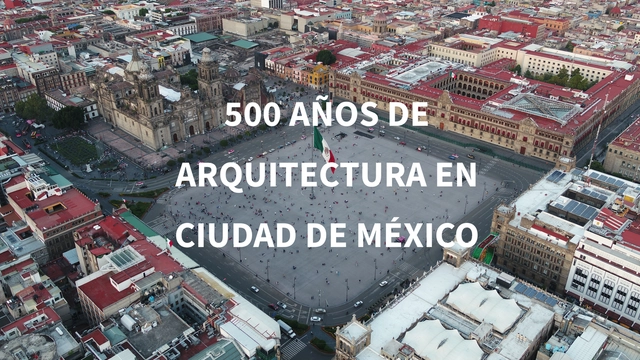
Today, August 13, commemorates two pivotal events in Mexico's history: the approximate founding of Tenochtitlan, capital of the Mexica civilization, around 1325 on an island in Lake Texcoco in the Valley of Mexico; and the fall of this empire in 1521 to the Spanish army led by the conquistador Hernán Cortés.
These are just a few of the many events that shape today's Mexico City, making it nearly impossible to summarize them all. Nonetheless, revisiting some of these milestones helps us understand the very ground we stand on and, above all, reflect on the future of our actions as architecture professionals: from the pre-Hispanic period, colonization, Independence, and the Revolution, to the foreign influences of the Modern Movement and the diverse interpretations that culminate in what we recognize today as contemporary architecture.
https://www.archdaily.com/1128312/500-years-of-architecture-in-mexico-cityMónica Arellano + Fabian Dejtiar
Archive of Received Ideas: Sandra Barclay
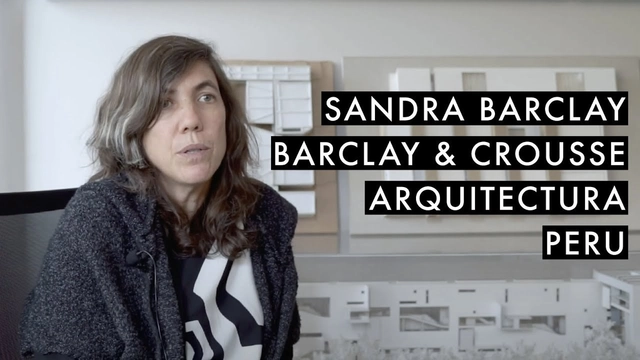
Archivo de Ideas Recibidas is an interdisciplinary research and dissemination project that seeks to document and connect the ideas of individuals who contribute to the contemporary creative ecosystem through art, design, and architecture. It is built on conversations between the team and various creators, delving into themes related to memory, academia, cultural context, their primary influences, and working methodologies.
In this installment, they introduce Sandra Barclay of Barclay & Crousse. Founded in Paris in 1994, the firm has been based in Lima since 2006. Their work is conceived, according to the architects themselves, as a design laboratory that explores the bonds between landscape, climate, and architecture, challenging notions of technology, use, and quality of life that, arising from the specific conditions of developing countries, can inform and remain relevant in a global context.
https://www.archdaily.com/1128308/archive-of-received-ideas-sandra-barclayFabian Dejtiar
The natural systems of the city, an approach and analysis through landscape perception


This article by Carlos David Montoya Valencia and Gloria Aponte García was originally published under the title "La naturaleza, sustrato del paisaje urbano. Propuesta de un Índice de Vínculo de las Ciudades con la Naturaleza" in the 24th issue of the Dearq journal on January 1, 2019 (DOI: https://doi.org/10.18389/dearq24.2019.01).
We present it below as part of a joint collaboration to contribute to the dissemination of research, analysis, and opinions developed by the national and international academic community on architecture, urban issues, and related fields.
https://www.archdaily.com/1128307/the-natural-systems-of-the-city-an-approach-and-analysis-through-landscape-perceptionCarlos David Montoya Valencia y Gloria Aponte García
4 Climate Issues That Need to Be Resolved at COP26

Although the COVID-19 pandemic postponed COP26 to November 2021, UN negotiators were still hard at work throughout 2020. Following a series of virtual events in June of last year, more than 3,000 national delegates concluded the Climate Dialogues, a series of 80 virtual meetings in which countries shared, reviewed, and discussed outstanding issues in international climate negotiations.
From the outset, countries agreed that the dialogues would not include the formal negotiations that typically occur at COPs and would not lead to any official decisions. Instead, they addressed events that countries had previously scheduled for 2020, alongside other informal exchanges. The dialogues served as a platform for countries and non-state actors to take stock of overall climate action progress in 2020, offering an informal space for negotiators to better understand outstanding issues as they prepared to resume negotiations in 2021.


https://www.archdaily.com/1128315/4-climate-issues-that-need-to-be-resolved-at-cop26WRI Brasil
"It's more time to develop creativity": Our readers weigh in on automation in architecture
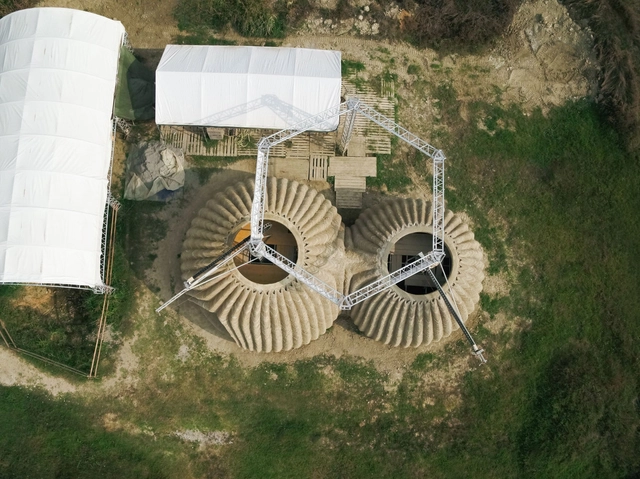
While the construction industry was once among the most technologically lagging, today automation in architecture is undeniably here to stay.
At ArchDaily, this has been one of our most recurring topics of conversation. As a result, we asked our readers what they understand by automation in architecture (and how they believe it affects the design process).
https://www.archdaily.com/1128322/its-more-time-to-develop-creativity-our-readers-weigh-in-on-automation-in-architectureFabian Dejtiar
Cities, Public Space, and Childhood in Mexico
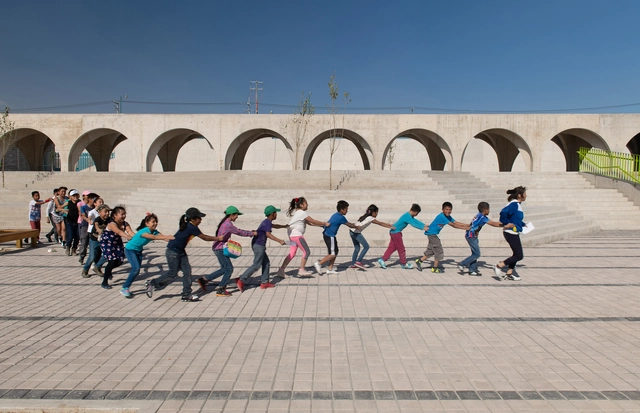


According to 2018 data from INEGI's National Survey of Demographic Dynamics (ENADID), the child population under fifteen in Mexico represents 25.3% of the overall total, which stands at 125 million people. The reality is that this population, despite representing just over a quarter of the total, has few to no spaces dedicated to their entertainment and development. With this figure in mind, this article reflects on public space and childhood in Mexican cities.

https://www.archdaily.com/1128321/cities-public-space-and-childhood-in-mexicoPunto Periferia
2020 Architecture Yearbook: Ten Hot Topics and Ten Discussions
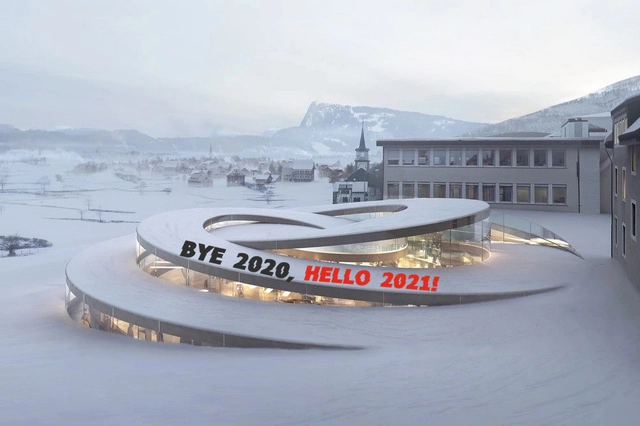
Congratulations, you made it through 2020!
This year was filled with far too many "unexpected" and "unforeseen" events. The pandemic transformed our external environment, shifting our psychological landscapes and behaviors in tandem. As an architectural observer and critic, I have found that the most profound change the pandemic brought to the profession is in our very way of seeing. "Lockdowns" have increasingly forced us to experience culture and space through images. This mode of observation traps us within digital platforms—relying on translated texts, edited photographs, and curated videos. Consequently, our sensory understanding of space (encompassing sight, hearing, smell, and touch) has been reduced to sight alone, leaving our critique of the built environment as a mere synthesis of fragmented impressions.
When the channels of intellectual nourishment shift, the evaluation systems of space inevitably change as well. But how does this affect design? Physicist Carlo Rovelli once noted, "Sometimes, a crazy perspective sees further than our usual blurry vision." Through the lens of the COVID-19 pandemic, I hope to expose issues and provoke collective reflection rather than mere complacency. In this year-end review, we attempt to respond to these shifts. Below are the ten most-discussed articles of the year, categorized into ten themes, offered in the hope of sparking further response and dialogue.
01.Social Distancing:Human——1.5m——Human
02. Female Architects:2020 Pritzker Prize Laureates: Yvonne Farrell and Shelley McNamara
03. Representatives of the Client:Shenzhen Opera House Competition Selects 20 Design Teams in a Clash of Titans
04. Contextual Disconnect:An Open Letter to Zumthor: "Architecture Should Not Be an Island"
05. Scale:Portzamparc Responds to the "Steel Ribbon" of the Suzhou Bay Cultural Center: The Coexistence of the Monumental and the Minute
06. Juxtaposition of Tradition and Contemporaneity:Jingdezhen Imperial Kiln Museum / Studio Zhu-Pei
07. Human Habitat:High-Density Hong Kong: Micro-living in 14㎡ Concrete Water Pipes
08. Experimental Exploration:KAIT Plaza, Kanagawa Institute of Technology / Junya Ishigami
09. Architecture for Animals:Kengo Kuma's New 'Casa Wabi Coop': A Grid Built of Charred Wood
10. Young Architects:2020 ArchDaily Best New Practices: 21 Firms from Around the Globe
https://www.archdaily.com/1128346/2020-architecture-yearbook-ten-hot-topics-and-ten-discussions韩爽 - HAN Shuang