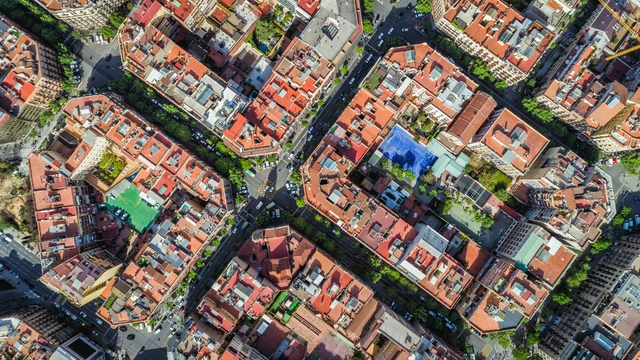
ArchDaily is working with CityMakers to publish a series of articles, conversations, and interviews with the various actors in urban co-production behind the Barcelona CityMakers Lab 2021, an event taking place from November 8 to 12.
ArchDaily is working with CityMakers to publish a series of articles, conversations, and interviews with the various actors in urban co-production behind the Barcelona CityMakers Lab 2021, an event taking place from November 8 to 12.
.jpg?1635378996&format=webp&width=640&height=580)
The city of Puebla—located in Mexico's central highlands—is particularly known for its street layout and predominantly Baroque architecture. A UNESCO World Heritage Site since 1987, it hosts a broad cultural dynamic centered on preserving its built heritage and appreciating it from a distance, as if it were a museum piece. Consequently, on our daily commutes we notice the monumentality of its facades, while often failing to realize that behind the massive wooden doors lies what we call “the heart of the Poblan home.”
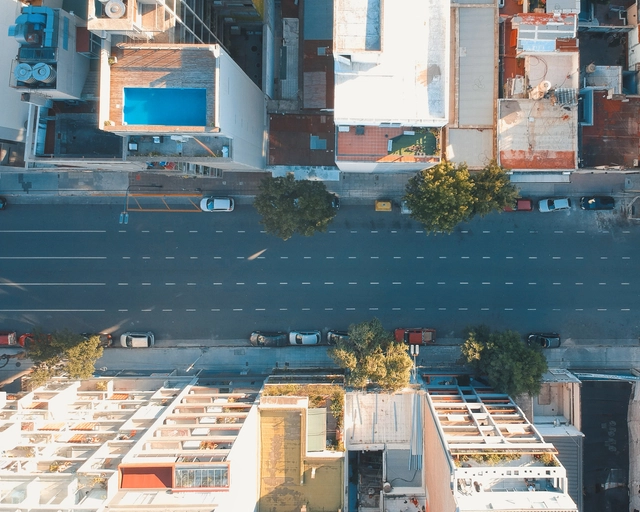
Outbreaks of contagious diseases can exert a long-term influence on urban design—many have undeniably shaped the way modern cities look and operate. Parks, wide streets, and even the bathrooms in our homes are a significant legacy of past cholera outbreaks. Today, these features are so deeply embedded in our daily lives that they are considered basic elements of modern cities. Over generations, cities have recovered from the initial shock of contagion and rebuilt public trust after periods of uncertainty.
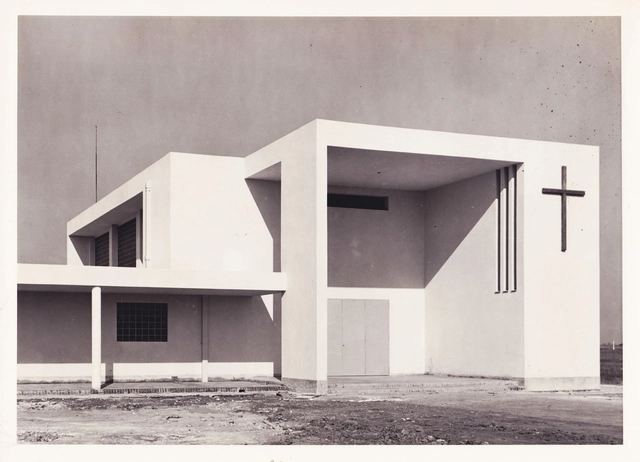
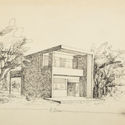
“Without chasing the discovery of forcedly original forms, without seeking novel aesthetic effects, the strict and consistent adaptation of the dwelling to the climate has progressively led to a new, native, and authentic architecture.” (1)
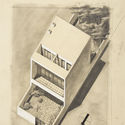
Wladimiro Acosta was born in Odessa on June 23, 1900. There, he graduated from the School of Fine Arts with a degree in Construction Technology in 1917. Later, in 1919, he moved to Italy to continue his architectural studies, enrolling in the Higher School of the Institute of Fine Arts in Rome, where he received his degree in Architecture and taught Architectural Design between 1920 and 1921. In 1922, he relocated to Germany, where he lived until 1928, the year he left Europe for Buenos Aires.
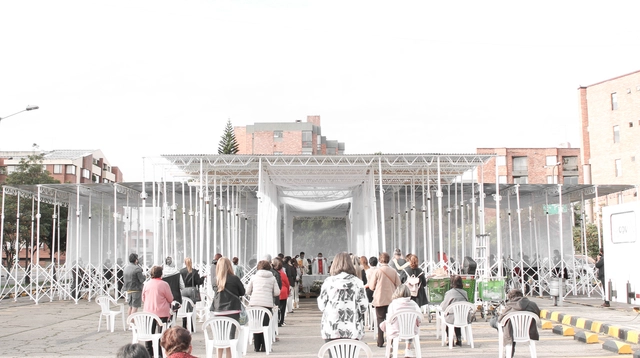
Construction shores, which typically support formwork for pouring concrete, have been used to structure a temporary chapel in Bogotá. These elements, usually relegated to construction processes, combine with zinc sheets and exposed structural trusses to define the project's spatial experience. Designed to be mobile, the chapel can be easily disassembled, ensuring its components can be reused in future projects.
Discover the project, born from a collaboration between SCA and Colab-19, designed to meet the desire of Bogotá's faithful to celebrate Easter.

Senshang Architecture Design is a creative and passionate emerging architecture practice focusing on human habitats and the rapid development of both urban and rural environments. The practice primarily engages in architecture, interior, master planning, and landscape design. We emphasize the integration of practice and theory, prioritizing design value and spatial experience within the contemporary social context. Over years of exploration and experience in urban renewal and rural practice, the firm has gained recognition from various sectors. From rural construction and urban regeneration to agritourism, cultural-creative development, and the renovation and adaptive reuse of self-built housing, we approach every project with a developmental perspective and a critical attitude toward design.
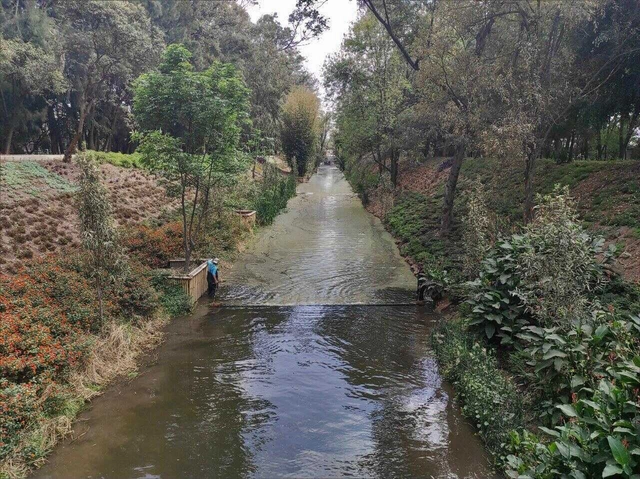
The restoration, rehabilitation, and recognition of urban rivers and canals must be integrated into state and federal policies, going beyond the mere practical use of the resource. In many developing nations, including Mexico, water-related challenges are heavily concentrated in cities, driven by the haphazard urban growth of recent decades.

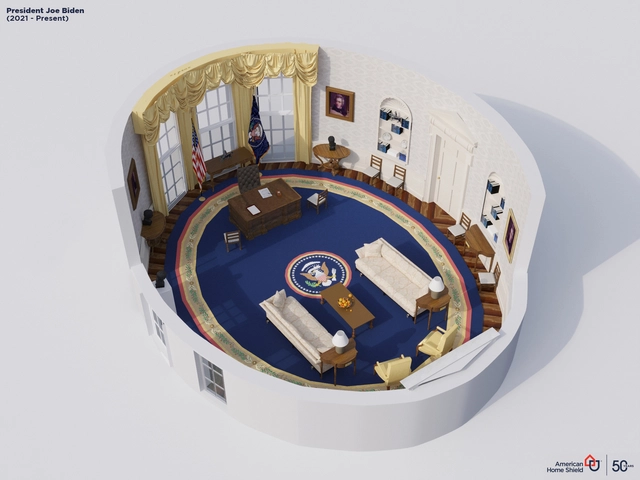
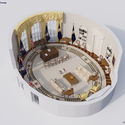
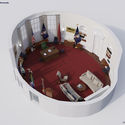
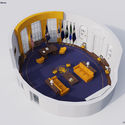
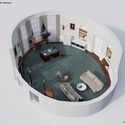
Redecorating the Oval Office is not just a statement of presidential taste; yet, as all spaces reveal principles that extend far beyond the visual, it is ultimately a statement of control. It is here that the president meets with international dignitaries and addresses the cameras to deliver messages of great importance, which is why he (or, one day, she) does not want it to look as though their predecessor still claims ownership of the space.
.jpg?1609964077&format=webp&width=640&height=580)
The 'Flor Urbana' (Urban Flower) installation—located on the esplanade of the Periférico Sur Light Rail Station in Guadalajara, Mexico, which sees a daily flow of around 20,000 people—stems from the need to address key concerns of the 'Public Infrastructure Prototypes for a City of the Future' (PIP Ciudad Futuro) project. Developed by dérive LAB, the initiative aims to reimagine public buildings as spaces for climate mitigation in the Guadalajara Metropolitan Area through the installation and adaptation of technologies that monitor noise, air quality, transit, and energy efficiency, among other metrics.
"Can we make clay form a structure that can bear loads?" John Pawson asks Alejandra Sepúlveda from Taller Barros. Together, they are working on the Ruta de la Greda (The Clay Route) in Pomaire, Chile.

#Anodized Aluminum Panels
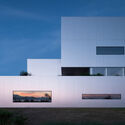
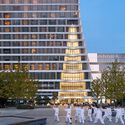
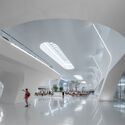
In recent years, anodized aluminum panels have emerged as a prominent material, utilized across numerous interior and exterior architectural projects in China. Anodized aluminum features six key characteristics: 1. Metallic Appearance, protected by a transparent anodic oxide film, the natural, soft metallic texture of aluminum is fully preserved; 2. Workability, anodized aluminum features exceptional workability, as well as outstanding forming and bending capabilities; 3. Surface Consistency, across diverse architectural forms, anodized aluminum panels maintain a highly uniform color; 4. Corrosion Resistance, the anodization process generates a dense oxide film on the metal surface, providing superior corrosion resistance and enhancing structural hardness and strength; 5. Weatherability, the static-free surface does not attract dust, making it easy to clean and maintain its pristine, like-new appearance even after repeated washing. This ensures the building facade stands the test of time; projects completed with anodized aluminum 40 years ago still look as good as new today; 6. Sustainability, functioning as an environmentally friendly material classified as Class A non-combustible.
#Almeco Anodized Aluminum Panels
Almeco is a global expert in pre-treated aluminum surfaces, offering a range of innovative anodized aluminum products for interior and exterior curtain walls and decoration. Their unparalleled metallic texture, rich colors, and excellent workability bring new vitality and artistic form to interior and exterior architecture, turning every building into a unique work of art. Consequently, Almeco has become the material of choice for renowned architects such as Jean Nouvel, Thom Mayne, MAD, and UNStudio.
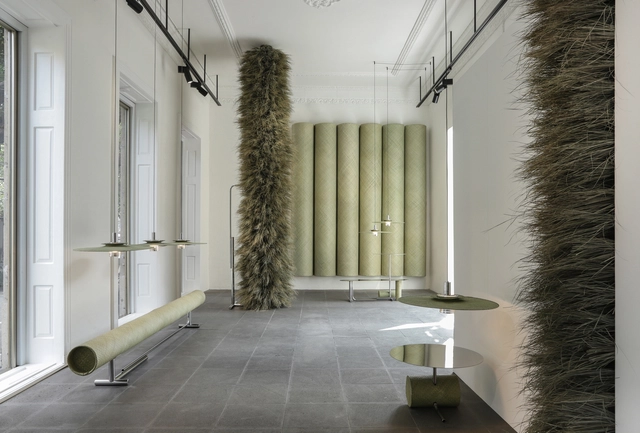
As part of a new initiative accompanying the launch of the 2021 collection, Studio David Pompa has transformed its Mexico City showroom into a space showcasing the "Palma" project—an experimental body of work comprising a series of interior design and lighting pieces centered on the craftsmanship and origins of palm in Mexico.
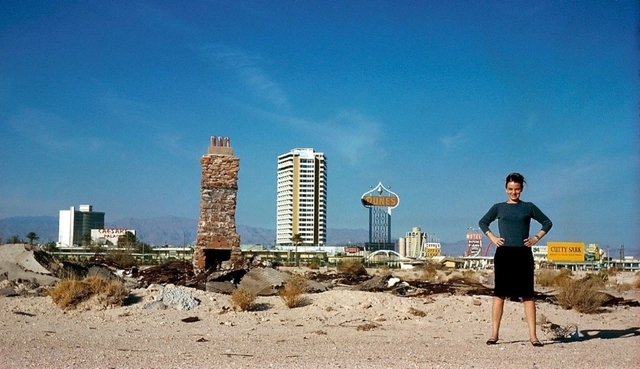

This article by Lina Toro Ocampo was originally published under the title "Mirada distanciada: conceptualización de la experiencia de Denise Scott Brown entre África y Londres, como motor y origen de Learning from Las Vegas*" ("The Distanced Gaze: Conceptualizing Denise Scott Brown’s Experience between Africa and London as the Impetus and Origin of Learning from Las Vegas*") in issue No. 23 of the Dearq journal on January 23, 2018 (DOI: https://doi.org/10.18389/dearq23.2018.01). This article aims to demonstrate the importance of valuing specific autobiographical circumstances within the educational framework of teaching and learning architectural design.
We present it below as part of a joint collaboration to contribute to the dissemination of research, analysis, and opinions developed by the national and international academic community on architecture, urban issues, and related fields.
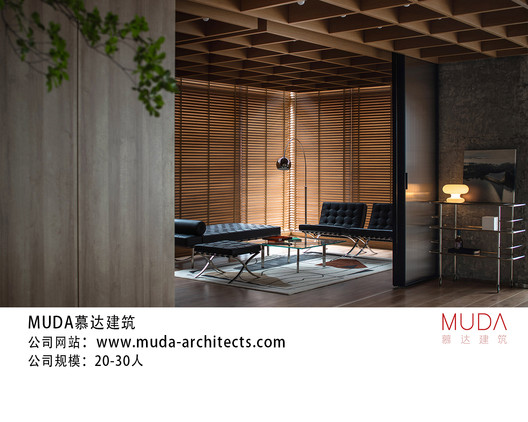
MUDA-Architects was founded in 2015 in Beijing, China, and Boston, USA, establishing its Chengdu office in 2017. MUDA features an international team of architects composed of creative designers from diverse global backgrounds. The firm brings forward-thinking concepts, extensive experience, high professional standards, and unique creativity to the fields of architecture and design. MUDA’s design portfolio spans public, cultural, and commercial buildings, as well as urban design, landscape architecture, and interior design.
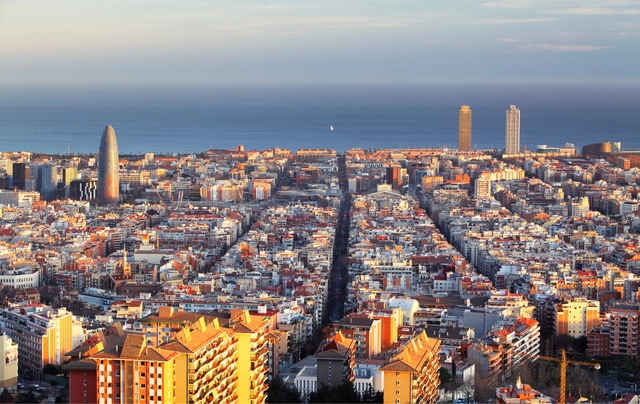
Massimo Paolini shares the following article titled 'Barcelona: Destructions of Use.' It presents the latest projects and debates surrounding the future of the city.
How important is color in architecture? The choice of color for a facade or a space can have complex effects on people, directly influencing their sensations and perceptions. The possibilities are endless, ranging from bold contrasts to complete achromatism.
The following list is our index of articles, news, and projects covering everything you need to know about the importance of color in buildings—from design strategies and the latest trends to its application in projects and materials.
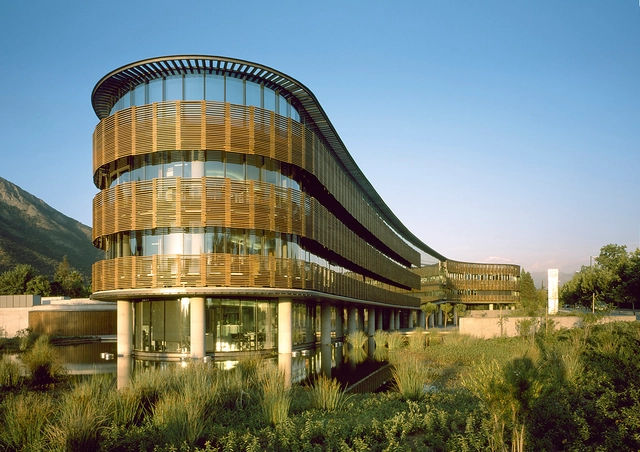
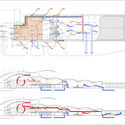
When we speak of passive climate control, we refer to techniques that, with little to no energy consumption, create the appropriate temperature, humidity, and air quality conditions for comfort and habitability, partially or fully replacing active mechanical systems. Typically, these strategies are based on natural environmental parameters—such as air currents, the earth's thermal stability, and solar paths, among others—to regulate heat gain in the summer and heat loss in the winter, achieving optimal thermal comfort.
“What is the essence of ceramic craftsmanship in Pomaire?” asks Kengo Kuma of Rodrigo Veliz, a potter with a long family tradition, with whom he is collaborating on the Clay Route in Chile.
"Domingos Libro" is hosted by Carmelo from Enorme Studio, where every two weeks, he delves deeply into forgotten architectural publications, books, and architectural magazines from the '60s, '70s, and '80s that carry the most interesting stories behind them.
This latest episode focuses on the 1989 double issue 181/182 of the Catalan magazine QUADERNS, specifically examining an unfinished house by Paco Alonso, an architect from the Madrid School who never completed any of his works and was once dubbed "The Builder of Ruins" by a colleague.
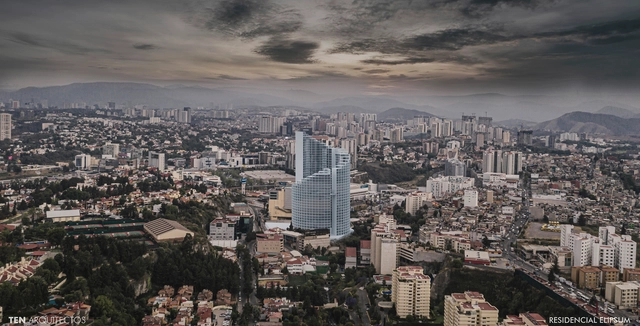
TEN Arquitectos is a practice based in Mexico City, New York, and Miami. Founded by Mexican architect Enrique Norten, the firm has 33 years of experience designing with a global perspective that yields a consistent international sensitivity when creating new spaces. This trajectory has been recognized with various national and international awards, including the Mies van der Rohe Award for Latin American Architecture, honors from the national American Institute of Architects (AIA) and several US chapters, Architectural Record, Architect Magazine, Architizer, Biennials in Mexico, Argentina, and Ecuador, and the Royal Institute of British Architects (RIBA), among others.
_OMA.jpg?1616763505&format=webp&width=640&height=580)
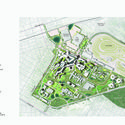
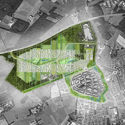
In any planning process, a series of documents—comprising both graphic and textual materials—establishes a framework for future development. In urban planning, the master plan stands out as one of the most common instruments for this purpose.
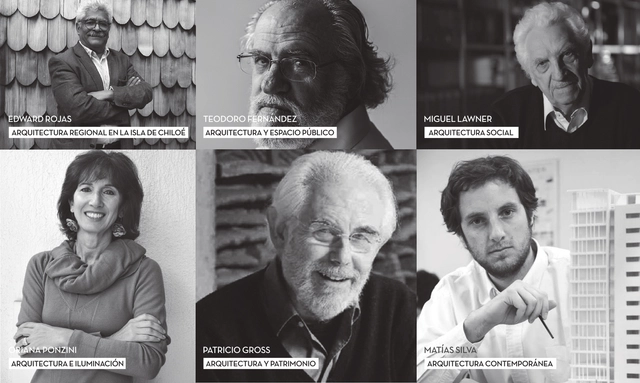
“Arquitectos” is a micro-documentary series produced by AvantVisual and directed by Mauro Alfaro on the life and work of prominent Chilean architects. The series was originally scheduled to premiere at the XXI Chile Architecture and Urbanism Biennial, “The Common and the Everyday.” However, due to the suspension of the Biennial in the wake of the 2019 social uprising, the premiere could not take place.

Out of necessity, buildings change uses over time. Churches become libraries, and abandoned warehouses are transformed into cultural centers. Although much has been written on the subject since N. John Habraken's concept of open building in the 1970s, a fascinating global debate is currently underway. Do we really need so much square footage dedicated to offices when the pandemic proved that much of our work can be done remotely?
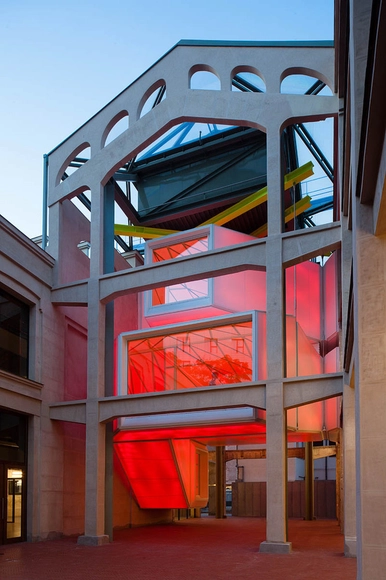
"The Value of Medialab-Prado as an Original Work on Urban Heritage and Institutional Good Practice." This is the title of the open letter written by the movement defending a cultural center with nearly 20 years of history in Madrid—housed in the historic Serrería Belga building in the Barrio de las Letras.
.jpg?1635378835 "\"Woven Memorial\". Image © Amy Bello")
.jpg?1635378789 "\"Introspection\". Image © Amy Bello")
.jpg?1635379152 "\"Witnesses\". Image © Amy Bello")
.jpg?1635378688 "\"You Are Sweetcolor\". Image © Karen Elizabeth Robles Gamiño")
.jpg?1635378996)




.jpg?1609964178 "© Erik López, Ximena Ocampo, and Francisco Paillie")
.jpg?1609964054 "© Erik López, Ximena Ocampo, and Francisco Paillie")
.jpg?1609964248 "© Erik López, Ximena Ocampo, and Francisco Paillie")
.jpg?1609964077)





_OMA.jpg?1616763505)