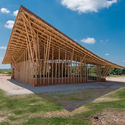
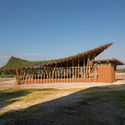
May 3 is a holiday originating from the Feast of the Finding of the Holy Cross, also known as the May Cross (Cruz de Mayo) or Festival of the Crosses (Fiesta de las Cruces), which has its roots in the Roman Rite celebrating the devotion to the Cross of Christ. Over time, this commemoration has evolved and been adopted across cities in Mexico, Chile, Spain, Ecuador, El Salvador, Guatemala, Paraguay, Peru, Trinidad and Tobago, Argentina, Colombia, and Venezuela, where the festivities typically include floral decorations, processions, and dances.
Today, discussing infrastructure means discussing geopolitics and connectivity as a key driver of global competitiveness. Connectivity, however, should not be understood solely as physical infrastructure, even if we are talking about roads for autonomous vehicles or hyperloop tunnels.
The recent book 'Plan de desarrollo urbano de la zona noroeste de la ciudad de Mar del Plata' by Guillermo Tella, Beatriz Cuenya, Martín Delucchi, and Laura Corbalán Vieiro synthesizes the results achieved through the technical assistance and institutional coordination experience carried out during 2017-2018 for the Municipality of General Pueyrredón (province of Buenos Aires, Argentina) by the Center for Urban and Regional Studies (CEUR-CONICET) and the Inter-American Development Bank (IDB).
Mexico City, considered one of the largest and most populous urban areas in the world, is in fact the largest city in the Americas and the Spanish-speaking world. Given this vast footprint, its immense population has led to sprawling peripheral settlements, highlighting the urgent need for a denser, more inclusive city. Various factors—such as the abandonment of downtown buildings following historic earthquakes like the one in 1985, compounded by a lack of basic habitability—have drawn the attention of diverse actors. Through clear, targeted interventions, they seek to restore a cohesive urban fabric that empowers residents to reclaim their city.
It seems almost impossible to imagine that a single public initiative could have spawned most of the national highways we have today in Argentina, established tourism as an economic driver for the country, consolidated the national oil company YPF against foreign competition, and driven a large part of the development of Argentine modern architecture.
Yet it is entirely plausible when we look at one of the largest territorial interventions in the country's history—a vanguard of modernity that established the automobile as a mass means of transportation in our region.
I met Vera Primavera in Ibarra, Ecuador, during the sixth edition of EARQ (PUCE-SI)—a graffiti and tattoo artist whose work revolves around mysticism, magic, intimacy, and women in the city.
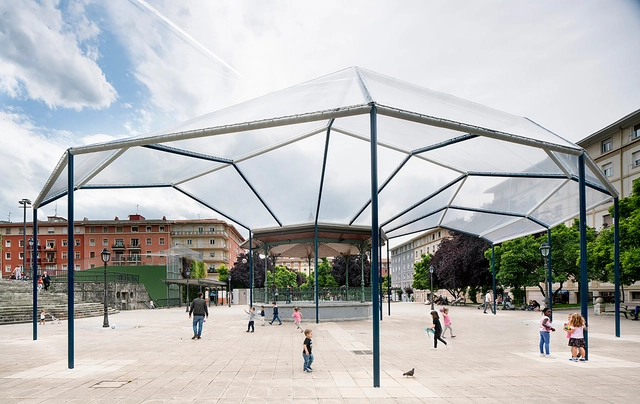
Located in the historic neighborhood of San Ignacio in the city of Bilbao, Spain, Levante Square is a prominent gathering point for residents and visitors alike. To address the lack of covered spaces protecting from the heavy rain, Spanish architecture office CANOBARDIN has designed a solution for users: a concentric structure titled "A Piece of Sky in Levante Square" that allows people to inhabit the public space and find shelter without losing touch with their surroundings, acting as a piece of the sky by day and a reflection of the square by night.
Developed by Tecno Fast and designed as part of a collaborative, sustainable tourist accommodation community, the Tiny Cabins designed by Chilean architects Mathias Klotz and Felipe Assadi measure 24.5 square meters and weigh approximately 5 tons, incorporating at least one bedroom, a kitchen, a bathroom, and storage space.
The cabin designed by Felipe Assadi sleeps up to four people and centers its layout on the bedroom, positioning the bed to face a large picture window, while incorporating two nautical-style bunk beds and a rooftop deck. Mathias Klotz's cabin is designed for three people, prioritizing the living room and connecting it with both the kitchen and the outdoors.
Designed to meet the construction sector's growing demand for finishes, Obra Blanca is a new event launched as a meeting point for professionals looking to showcase their products and those seeking to compare various finishing options. As a specialized exhibition, it focuses on the visitor experience and the professionalization of an increasingly comprehensive and sophisticated industry.
Providing warmth and a modern yet handcrafted aesthetic, wood is always an excellent choice for interior cladding or furniture manufacturing. However, how do you choose the right cladding for a specific project?
We have compiled a selection of cladding options with different appearances, dimensions, and installation systems, identifying their characteristics and differences to help you select the correct material. Melamine, MDF, or plywood? A natural look or colored pigments? Compare 5 different options below.
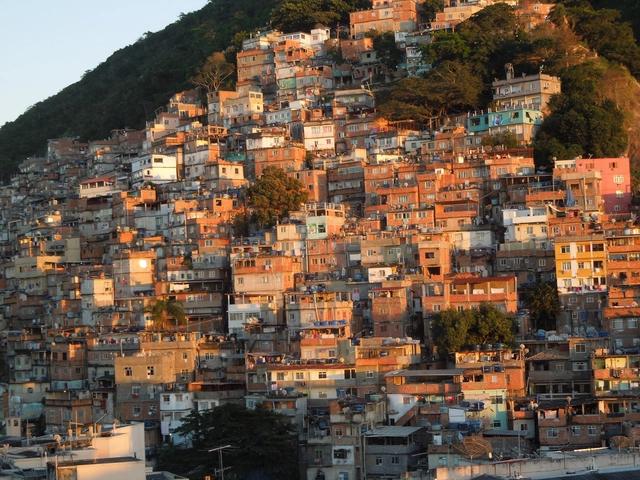
Continuing our series of articles studying social housing in Latin America, Nikos A. Salingaros, David Brain, Andrés M. Duany, Michael W. Mehaffy, and Ernesto Philibert-Petit present a reflection on the problems and solutions of favelas. Read the previous articles and the new piece below.
https://www.archdaily.com/1121024/problems-and-solutions-of-social-housing-in-latin-americaNikos A. Salingaros, David Brain, Andrés M. Duany, Michael W. Mehaffy & Ernesto Philibert-Petit
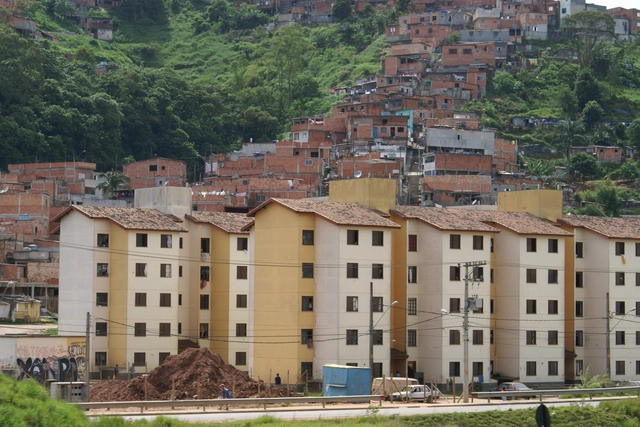
Concluding the series of articles on the study of social housing in Latin America, Nikos A. Salingaros, David Brain, Andrés M. Duany, Michael W. Mehaffy, and Ernesto Philibert-Petit present a reflection on high land prices, large-scale schemes, and national destabilization. Review the past publications and the new article below.
https://www.archdaily.com/1121011/uncomfortable-realities-of-social-housing-in-latin-americaNikos A. Salingaros, David Brain, Andrés M. Duany, Michael W. Mehaffy & Ernesto Philibert-Petit
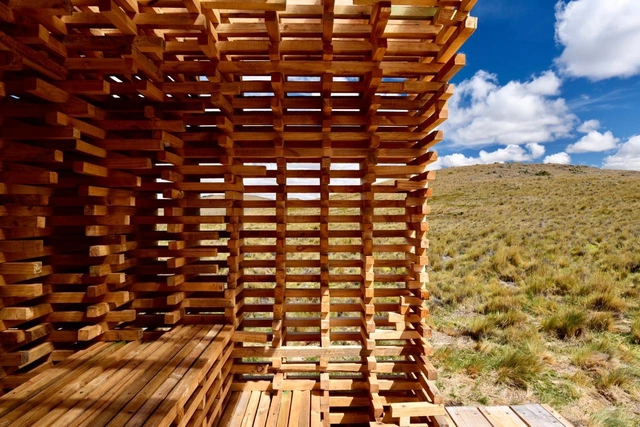
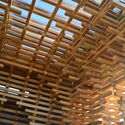
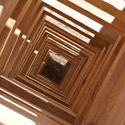
The School of Architecture at the Universidad Finis Terrae traditionally organizes workshops where its students build full-scale structures. This time, the workshop was led by Chilean architect Verónica Arcos, who worked with the participants, drawing inspiration from timber-stacking systems for drying wood.
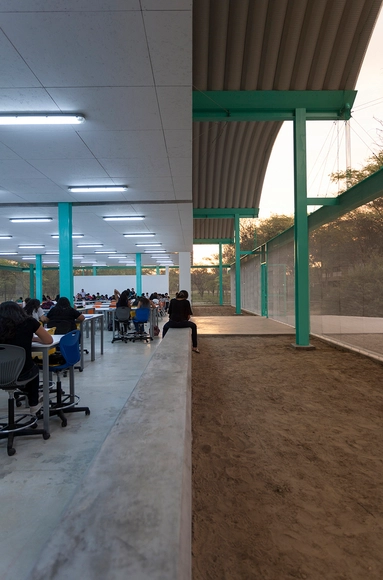
In this context, the urban landscape of many Peruvian towns is likely to benefit from facilities that, for many small cities, could well become iconic and even transformative elements within their urban or semi-urban environments. The precedent for this process lies in the Grandes Unidades Escolares (Large School Units) built during the Odría administration—so iconic for their rationalist architecture and masterfully executed in Lima by Alberto Jimeno. Another precedent, albeit a less fortunate one, is found in the school facilities built across many parts of the country in the 1990s. These featured an often-altered modularity and forms—accentuated by plaster and paint—that were identically recognizable in any region, as if completely disregarding the geographical and cultural specificities of Peru's diverse territory.
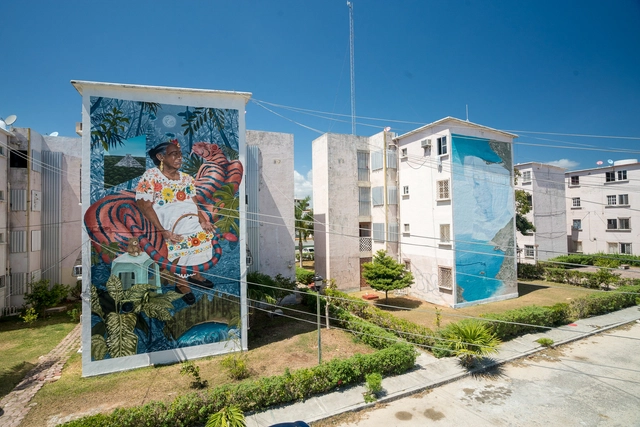
Proyecto Panorama is a civil association made up of a diverse group of young people from Cancún, who have been actively working for more than two years on public space interventions in Quintana Roo through urban art. These interventions have proven to generate a positive impact on the residents' environment, strengthening the sense of identity and belonging in one of the country's most important developing regions. Since its founding in 2016, and thanks to collaborations with renowned national and international artists, Proyecto Panorama has intervened in more than 30 public spaces, as well as an elementary school in Cancún and another in the Riviera Maya, resulting in 116 murals.
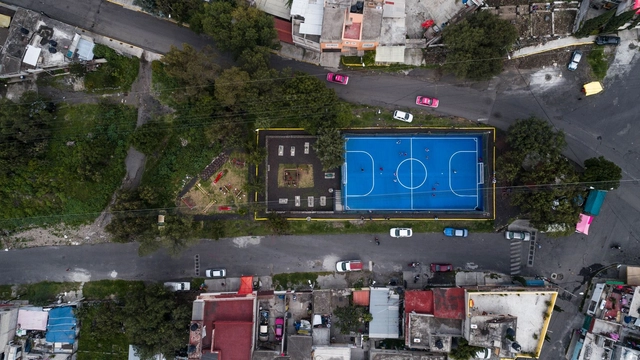
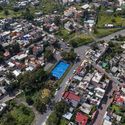
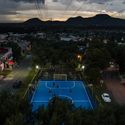
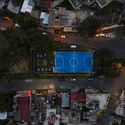
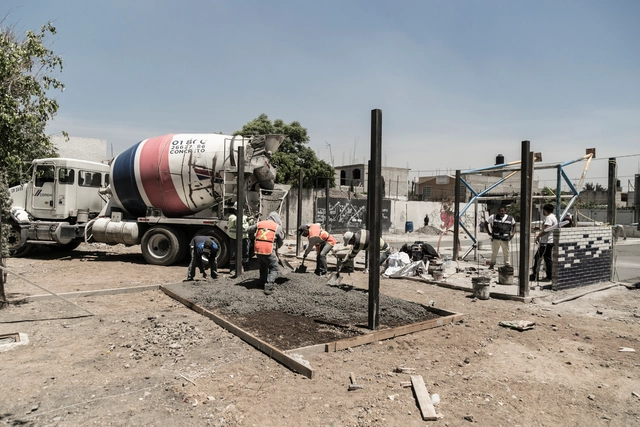
ALL Arquitectura is a Mexican firm that focuses on developing projects at both urban and architectural scales through methodologies rooted in participatory design. One of these projects is Cancha “LA DOCE”, a collaborative initiative born from a network and a proposal for change driven by the need to develop high-quality public spaces in marginalized areas of various cities worldwide. Drawing on an activity deeply woven into the lives of local residents, ALL Arquitectura leveraged soccer as a design catalyst to encourage participation, observation, and community life.
Coffee shops are spaces whose history dates back to the 15th century. Originating in Arab countries before the rise of Europe, they began to play an important social role, often described as taverns where significant conversations took place, deals were struck, and political debates unfolded. Over time, these spaces evolved and the concept expanded to European countries like England, France, Italy, and Germany, where they served as highly public gathering spots for merchants, politicians, scientists, academics, philosophers, and poets.
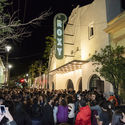
Sala Roxy is a historic venue located at 80 Mezquitán Street in the city of Guadalajara, Jalisco, Mexico. For years, this space served as a local symbol of freedom, bringing together alternative artistic and cultural expressions. First opening its doors in 1937, it operated for several decades as Cine Roxy; built in the Art Deco style, it became one of the first theaters dedicated to film screenings in Guadalajara.
Every October 1st, Mexico celebrates Architect's Day to highlight and recall the collective responsibility of architecture in designing the world's future cities and settlements. Over the years—following its official establishment in 2004—celebrations have varied widely across a massive community that constantly questions its role in society and the world. This has sparked ongoing debates about the meaning of architecture, the role of architects at pivotal moments in history, and above all, what the future of architecture in Mexico holds. Where should the profession direct its efforts to build spaces that improve people's quality of life?
'Silogismos' is an architecture and illustration project that bases its research on archives, publications, and photographs tracing the history of modern construction in Mexico. It offers a graphic narrative on the continuity and transformation of seminal 20th-century works through the synthesis, interpretation, and juxtaposition of their ideals. These paired concepts confront thought and form through deductive inference. Ultimately, the sum of these parts reveals critical architectural meanings and motives for future reconstruction.
https://www.archdaily.com/1120503/urban-syllogisms-discover-the-history-behind-ciudad-satelite-and-the-multifamily-housing-complex-in-mexicoJuan José Kochen + Ximena Rios-Zertuche
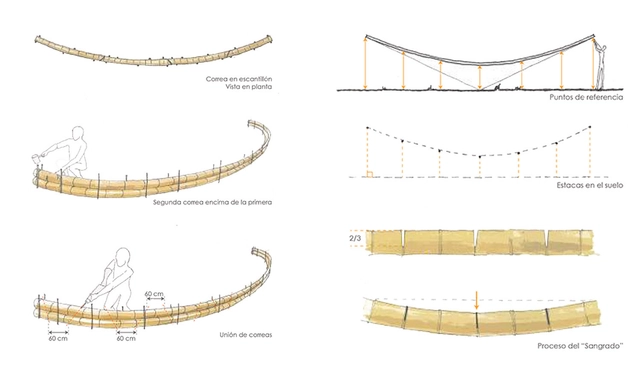
Bamboo is a building material that has been used since antiquity in various structures. It has proven its superiority over modern materials like plastic and steel thanks to its countless benefits, not to mention an incomparable aesthetic appeal that has positioned it as one of today's major architectural trends.











.jpg?1554845815 "© Guy Wenborne")