LED bulbs have become ubiquitous due to their low energy consumption, durability, and increasingly affordable prices. However, our need for illumination can work against us if we do not understand the effects of this type of light on the body.
While we have previously addressed light temperatures, warm and cool lighting, and the dangers of blue light regarding sleep cycles and eye strain, we must now also consider the phototoxicity of blue light.
Among the various programs within architectural and urban planning practice, projects for public spaces are perhaps those that most encourage professionals to build a rich narrative, drawing upon the multidisciplinarity inherent to the craft. Designing spaces destined for everyday public use and appropriation reflects how architects envision urban life, opening up a platform for collective dialogue on the subject.
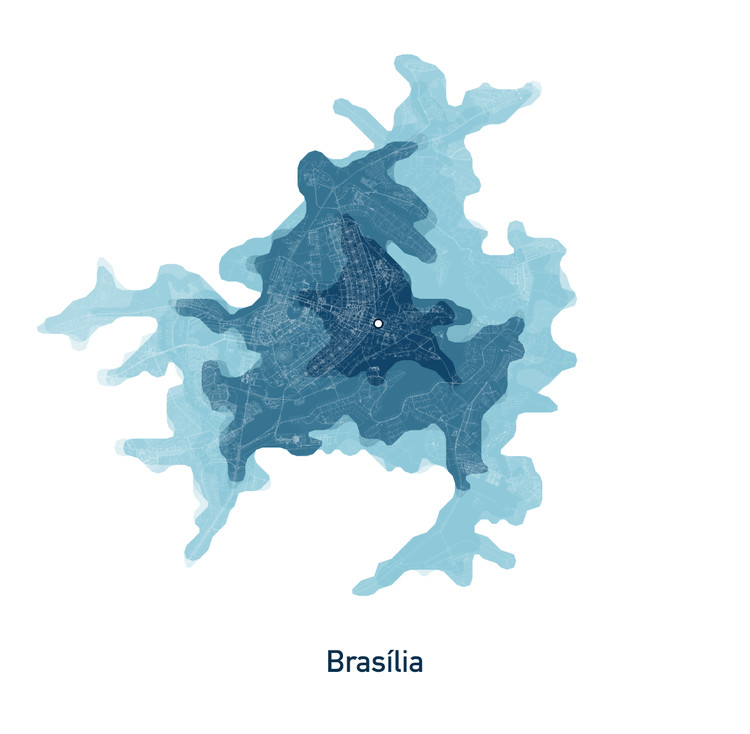
It is well known that our cities are increasingly saturated by automobile use; mobility has therefore become a key element in any discussion on urban living, particularly in large Brazilian cities. This premise prompts us to examine and better understand which aspects of urban commuting we can prioritize for intervention, moving toward approaches where car use is less necessary. An important step in this dialogue is understanding just how time-efficient cars actually are. Mapping Lab conducted a visual analysis of 27 Brazilian capital cities using data from the here.com platform.
The book Sustainable Tropical Cities, published by the Institute of Tropical Architecture (San José, Costa Rica) in 2006, gathers the conclusions its authors compiled over years of observation and study. Bruno Stagno and Jimena Ugarte, both architects and immigrants enamored with the tropics, aimed to demonstrate the specific characteristics that cities located in the tropical belt possess—or should possess—while introducing an unprecedented topic.
The recent tragedy that resulted in the partial destruction of the Notre-Dame Cathedral has prompted reflection on the value of our architectural heritage. Stirring events such as this bring highly relevant issues to the fore, inviting us to consider the role of architecture in shaping a city's collective memory.
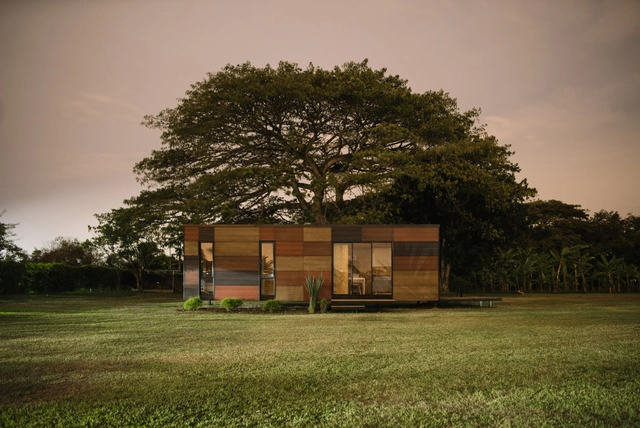
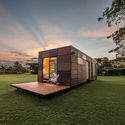
VIMOB Project (Arch. Felipe Lerma) - Superboard. Visit our website www.etex.com.co to learn more about eco-friendly dry construction.
The concept of sustainability dates back to the 1980s, when the chairperson of the United Nations World Commission on Environment and Development, Gro Harlem Brundtland, authored the report titled “Our Common Future.” This document questioned the negative environmental consequences of development and globalization, raising the need to advance toward “Sustainable Development.”
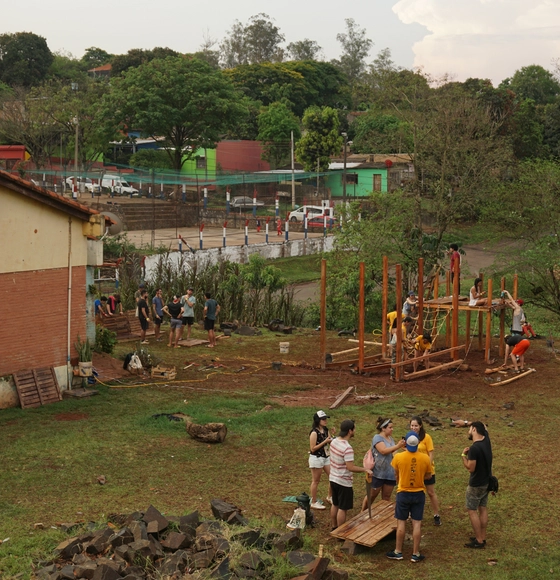
The following story takes place during the twenty-seventh edition of the Latin American Encounter of Architecture Students (ELEA) in Ciudad del Este, Paraguay, where nearly 800 students from Latin America gathered for a collective experience of participation, integration, and learning. Among other activities was the construction of two wooden structures in two distinct locations: the "Lake Pavilion" in the backyard of the Virgen de Fátima school—separated from a private school by a polluted creek—and "The Cloud" in an unmaintained public square in the Don Bosco neighborhood on the outskirts of the city.
ArchDaily is working with CityMakers to publish a series of articles, conversations, and interviews with the key figures in urban co-production behind the Barcelona CityMakers Lab 2019, an event taking place from October 14 to 20, 2019.
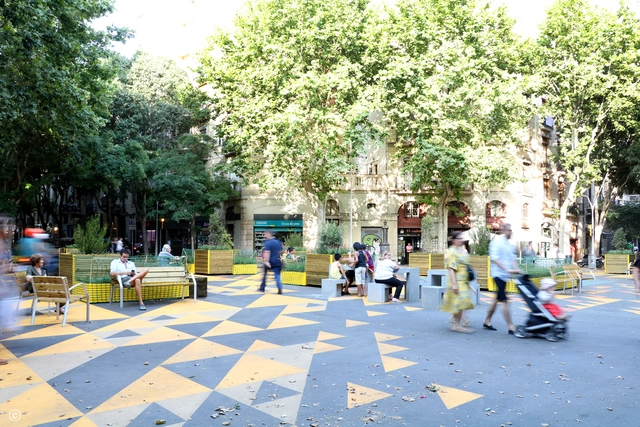
On this occasion, we feature Jokin Santiago Elorriaga, director of Leku Studio, who will lead a masterclass at the Barcelona CityMakers Lab 2019. Jokin is the founding architect of Leku Studio and was responsible for the design and transformation of the Sant Antoni Superblock.
Grigri Projects defines itself as a platform dedicated to cultural research, creation, and production, focusing its work on participatory design, urban intervention, and transdisciplinary community processes through collaboration with other collectives and agents at local and international levels.
As part of a series of articles developed by Nikos A. Salingaros, David Brain, Andrés M. Duany, Michael W. Mehaffy, and Ernesto Philibert-Petit on the study of social housing in Latin America, this installment reviews examples of design strategies for its construction. Read all previous publications and the new article below.
https://www.archdaily.com/1121071/design-strategies-for-social-housing-in-latin-americaNikos A. Salingaros, David Brain, Andrés M. Duany, Michael W. Mehaffy & Ernesto Philibert-Petit
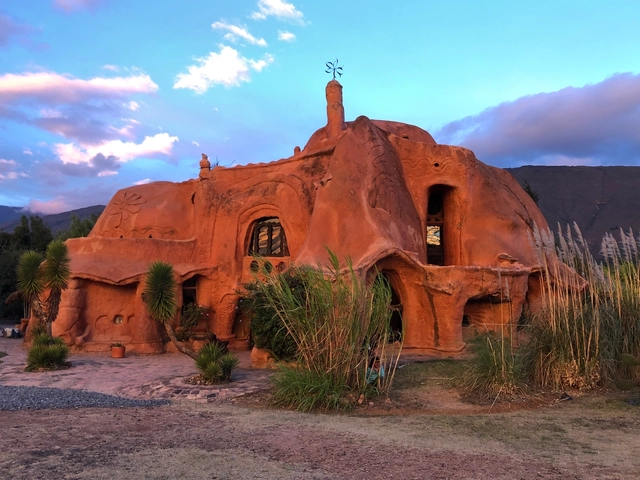
The traditional brickmaking technique is fundamentally based on molding a mixture of clay and water, placing it in a kiln, and firing it to achieve its characteristic strength. Architect Octavio Mendoza Morales decided to employ this technique to build a unique home, constructed not from individual bricks but as a single, 500-square-meter ceramic piece designed to withstand weathering.
The daily routine of psychologist and CAPS* (Psychosocial Care Center) coordinator Antoniella Santos Vieira centers on listening and walking: during the day, she listens to the stories of people experiencing homelessness, those struggling with alcohol and drug abuse, among other challenges. It is this challenging territory – half urban, half rural – that she traverses, showing that the center offers a range of services – such as yoga and pilates – in addition to psychological support.
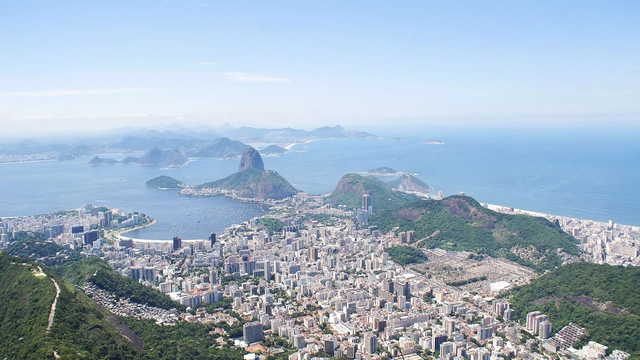
Rio de Janeiro. Photo: Jaime Spaniol, via Unsplash. CC License
In the book “Order Without Design”, Alain Bertaud mentions that indicators are crucial in urban management to give cities a real-time view of what is happening within them. One interesting indicator related to housing affordability is the so-called “Price/Income Ratio.” This is essentially the average home price in a city divided by the average resident's income. It is a highly generic indicator that does not account for differences between properties, such as location, nor does it address rental housing (still a minority in Brazil). Nonetheless, it provides a general overview of housing affordability in a city.
As awareness grows regarding the importance of using BIM technology for project development, many companies in the construction industry have struggled to find a BIM Manager. Much uncertainty arises, primarily because recruiters or the companies themselves often do not know exactly what they are looking for, how and where to look—let alone which candidate is best suited for the task.
Although some projects conceal it, structure is always a primary concern in architectural design. Defining the structural system is among the first crucial decisions to be made, and it will likely shape a series of other aspects of the building. There are, however, extreme cases where architecture is seen and read simply as structure—projects whose character and image are largely defined by the chosen structural solution.
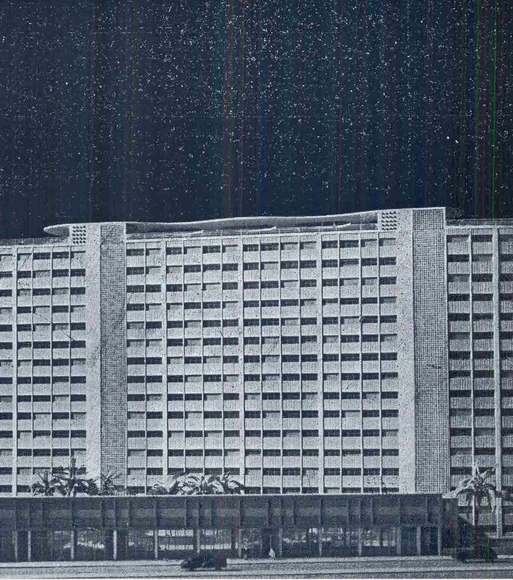
REVISTA ACRÓPOLE. Apartamentos para Industriários. São Paulo, n°119, 1948.. Image Cortesia de PC3 - Pensamento Crítico e Cidade Contemporânea
The Armando de Arruda Pereira Housing Complex, known as the Japurá Building, submitted to the IAPI in 1945 by architect Eduardo Kneese de Mello, stands out as a pioneering experiment in affordable housing in the central area and represents one of the earliest applications of the Corbusian unité d’habitation concept in the country.
https://www.archdaily.com/1121585/pioneering-experiment-in-affordable-housing-in-the-downtown-area-japura-buildingPC3 - Pensamento Crítico e Cidade Contemporânea
From domestic rooms to public infrastructure, the library is an architectural typology that must address various specific requirements tied to its core responsibilities: preserving books and publications, and providing spaces for reading, study, and research. Regardless of scale, libraries must efficiently manage natural light and ventilation, since they often combine leisure and work activities that require distinct qualities of environmental comfort.
Downtown Rio de Janeiro. Image: Petr Dvorak/Flickr. Via Caos Planejado
The minimum size of housing units has become a controversial issue. Several neighborhood associations oppose allowing the construction of highly compact units. This opposition runs counter to contemporary needs, as this type of apartment would cater to a large population of young singles, divorcees, and seniors who require smaller homes with lower maintenance costs.
https://www.archdaily.com/1121565/the-minimum-area-of-residential-unitsRogerio Goldfeld Cardeman e David Cardeman
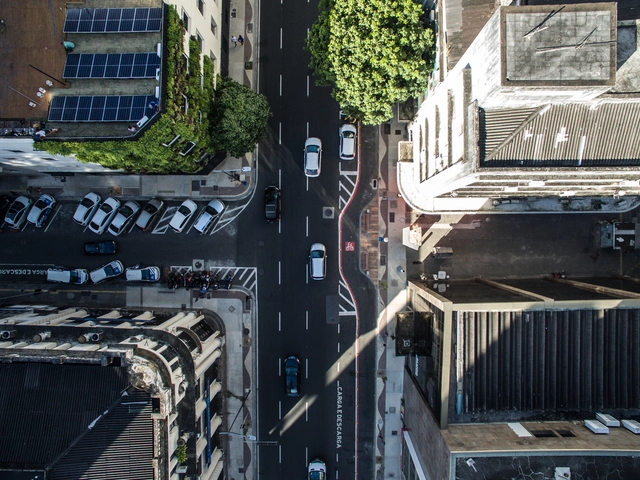
Rua Miguel Calmon has been the stage for significant transformations in Salvador. Until the early 20th century, before the land reclamation that created the left side of the street and a new port for the city, it was called Rua do Cais and was bordered by the sea. A century later, this street in the Comércio neighborhood has become the first Complete Street in the capital of Bahia, standing as a symbol of the interventions revitalizing its historic center.
https://www.archdaily.com/1121568/from-wharf-street-to-complete-street-intervention-in-salvador-restores-vitality-to-miguel-calmon-streetFernando Corrêa e Bruno Batista
Pedestrian-only area in Copenhagen. Photo: City Clock Magazine/Flickr
Walking is more than just a mechanical movement: it is a daily reclaiming of urban space. It is being active in the urban environment, noticing the city and the details that shape it. However, this choice does not always depend solely on individual willpower; it is also tied to external factors, such as people's physical and social conditions and the presence of infrastructure that enables this choice.
https://www.archdaily.com/1121570/5-cities-that-are-examples-of-walkabilityLara Caccia e Priscila Pacheco
The debate over materiality and how it shapes the spaces housing our entire social dimension lies at the core of architectural discourse. Although architects define a concept, a *parti*, and adhere to a program that can even influence urban life, ultimately it is everyday life and each individual's cultural repertoire that dictate how a place is experienced. The understanding that there are multiple layers in society capable of building invisible walls—which dissolve architectural poetics and unfold into other issues crucial to understanding the system in which we are embedded—is one of the reflections proposed by Nova República, a project created by anthropologist Hélio Menezes and the architects of Cape Town-based Wolff Architects for the São Paulo International Architecture Biennial.
The notion of authenticity is inseparable from theoretical discussions and actions in the field of Conservation and Restoration, and is directly related to the perception of values associated with a given cultural asset—whether tangible or intangible. Authenticity constitutes a foundational and structuring principle of the ethics that sustain and align criteria, concepts, and justifications within the realm of preservation. Like any process of cultural construction, authenticity cannot be understood or defined in absolute, pre-established terms, and its recognition is intrinsically linked to the context to which it refers—at a given time and in a given place.
Photo: Chaval Brasil on Visual hunt / CC BY-NC-ND. Collage: ArchDaily
The terminology cultural property has several definitions. Found across various spheres and historical periods, the term has been gradually reshaped, with its application and meaning expanding and becoming more clearly defined over time.
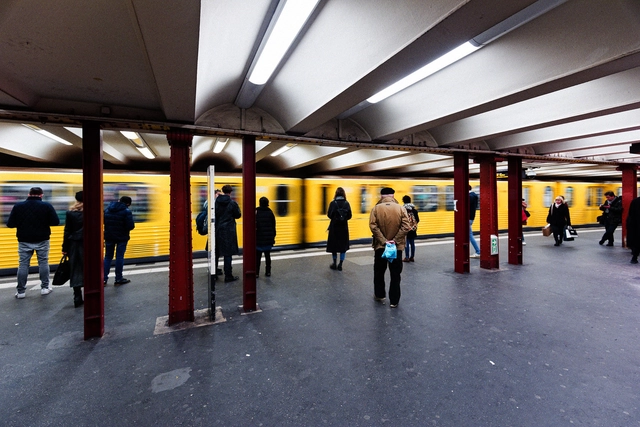
Berlin subway station. Image: Tuomo Lindfors on Visual Hunt / CC BY-NC-SA
Berlin is a global leader in urban mobility, according to the Mobility Futures study by data and consulting firm Kantar, which evaluated major world cities. The German capital topped the mobility ranking due to several factors, most notably more cost-effective travel and easy access to a broad public transit infrastructure network and shared mobility services.









.jpg?1575373222&format=webp&width=640&height=580)