1. ArchDaily
  2. Articles

Articles

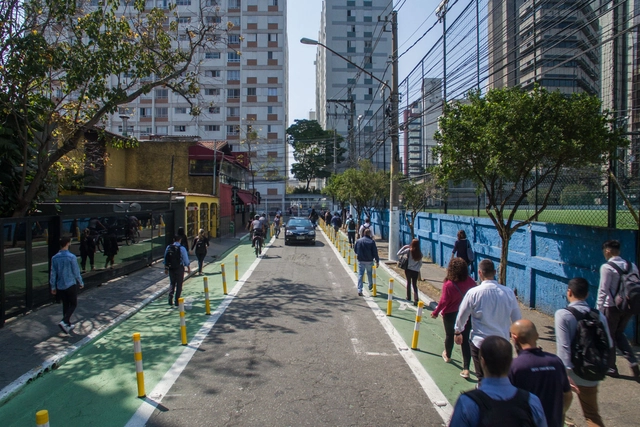
Berlin Leads Mobility Ranking, São Paulo Ranks Second to Last

Subscriber Access | 

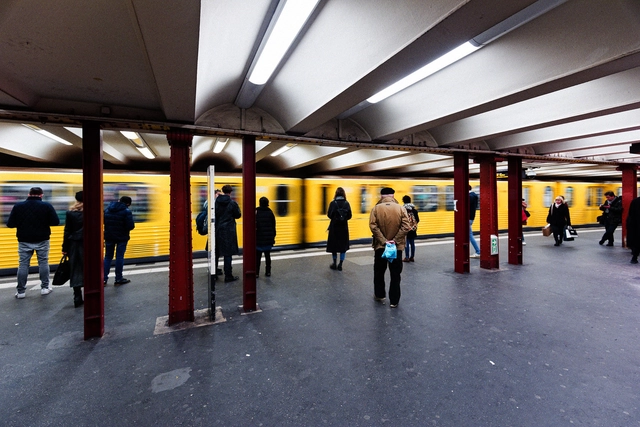
Berlin is a global leader in urban mobility, according to the Mobility Futures study by data and consulting firm Kantar, which evaluated major world cities. The German capital topped the mobility ranking due to several factors, most notably more cost-effective travel and easy access to a broad public transit infrastructure network and shared mobility services.

Venice Architecture Guide: 11 Must-See Sites

Subscriber Access | 
Venice Architecture Guide: 11 Must-See Sites - Image 1 of 4
Il Fondaco dei Tedeschi / OMA. Image: © Delfino Sisto Legnani + Marco Cappelletti

Venice is undoubtedly one of the most sought-after destinations in Europe for travelers from around the world. The city boasts attractions in many areas, from gastronomy to art, and naturally, architecture—an art form deeply woven into the city's fabric, most prominently showcased at the Architecture Biennales, held since 1980. Beyond the Biennale, the island has much to offer those interested in exploring places that epitomize the relationship between past and present, the preservation of historical memory, and new technologies serving buildings in constant relation with the water.

Complete Streets and Psychology: How the Environment Influences Our Behavior

Subscriber Access | 

The environment affects behavior, just as behavior affects the environment. This is one of the core propositions of environmental psychology, a field that studies the interrelationship between human behavior and the surrounding environment, whether built or natural. If the environment has the power to influence our choices and habits, then it is possible to design it to encourage more sustainable choices. And complete streets offer a way to do just that.

How far can you get in 10, 20, and 30 minutes by car? Analyzing Brazil's capitals

Subscriber Access | 

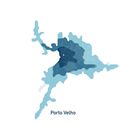
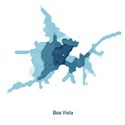
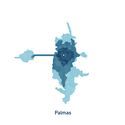
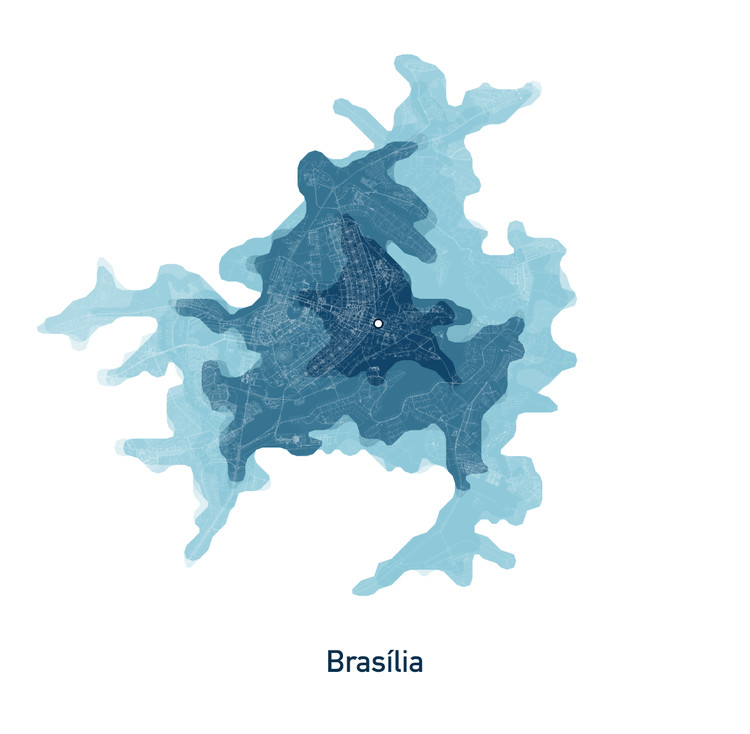
It is well known that our cities are increasingly saturated by automobile use; mobility has therefore become a key element in any discussion on urban living, particularly in large Brazilian cities. This premise prompts us to examine and better understand which aspects of urban commuting we can prioritize for intervention, moving toward approaches where car use is less necessary. An important step in this dialogue is understanding just how time-efficient cars actually are. Mapping Lab conducted a visual analysis of 27 Brazilian capital cities using data from the here.com platform.

How far can you get in 10, 20, and 30 minutes by car? Analyzing Brazil's capitals - 1 的图像 4How far can you get in 10, 20, and 30 minutes by car? Analyzing Brazil's capitals - 2 的图像 4How far can you get in 10, 20, and 30 minutes by car? Analyzing Brazil's capitals - 3 的图像 4How far can you get in 10, 20, and 30 minutes by car? Analyzing Brazil's capitals - 4 的图像 4How far can you get in 10, 20, and 30 minutes by car? Analyzing Brazil's capitals - More Images+ 23

Phototoxicity: The Harmful Effects of LED Lights on Our Retinas

Subscriber Access | 

LED bulbs have become ubiquitous due to their low energy consumption, durability, and increasingly affordable prices. However, our need for illumination can work against us if we do not understand the effects of this type of light on the body.

While we have previously addressed light temperatures, warm and cool lighting, and the dangers of blue light regarding sleep cycles and eye strain, we must now also consider the phototoxicity of blue light.

From Park to Building: 16 Public-Use Projects in Brazil

Subscriber Access | 
From Park to Building: 16 Public-Use Projects in Brazil - Featured Image
Guaíba Orla Urban Park / Jaime Lerner Arquitetos Associados. Image: © Arthur Cordeiro

Among the various programs within architectural and urban planning practice, projects for public spaces are perhaps those that most encourage professionals to build a rich narrative, drawing upon the multidisciplinarity inherent to the craft. Designing spaces destined for everyday public use and appropriation reflects how architects envision urban life, opening up a platform for collective dialogue on the subject.

We need to rethink cemeteries

Subscriber Access | 

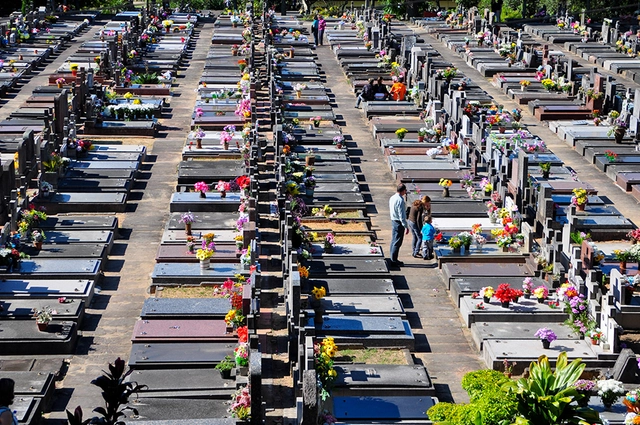
“The following day, no one died.” Thus begins the novel Death with Interruptions, by Nobel laureate José Saramago. In it, death suspends its services and, for a time, everyone remains alive in an imaginary country. This masterly metaphor conceived by the Portuguese author, already in his final pairs of shoes, serves as the foundation for discussing the dilemmas and conflicts of the end of life.

Domesticity as the Protagonist: "Maria, José and Child" Exhibition at MIS

Subscriber Access | 

A house, likely from the 1950s, featuring a clothesline near a three-basin laundry sink, a bathroom with large tiles covered in rugs, and a kitchen filled with food. A middle-class family home in Barretos, in the interior of the state of São Paulo. This house stands as the protagonist in the narrative proposed by the series "Maria, José e menino" by São Paulo-based photographer Marina Schiesari.

Brazilian students awarded in international competition for prefabricated housing project

Subscriber Access | 

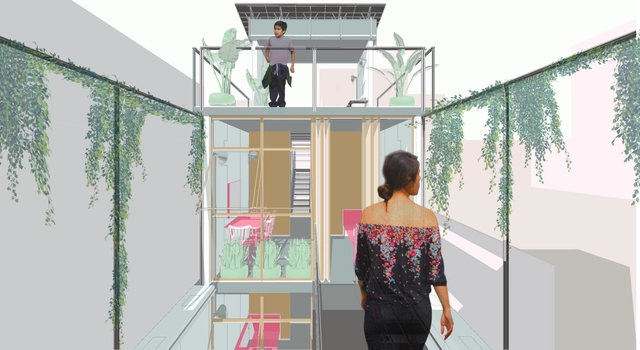
The Brazilian student team, comprising Luiza de Souza Santos, Marcus Barbosa, and Gabriel Thomé de Oliveira from UFMG, was awarded an honorable mention in the SkyCity Challenge 2019 international competition, which aimed to "explore sustainable ways of living, working collectively, and having fun." Learn more about their proposal below.

International Women's Day: The Female Majority in Architecture Grows in Brazil

Subscriber Access | 

Brazil currently has 167,060 active, registered architects and urban planners with the Council of Architecture and Urbanism. The majority, 63.10% (105,420), are women, while 36.90% (61,640) are men (61,400). In 2018, these percentages were 62% and 38%, respectively. This predominance is expected to grow in the coming years, as the share of female students is significantly higher: 67%. 

Body, Discourse, and Territory: The Contested City in the Folds of Carolina Maria de Jesus's Narrative

Subscriber Access | 

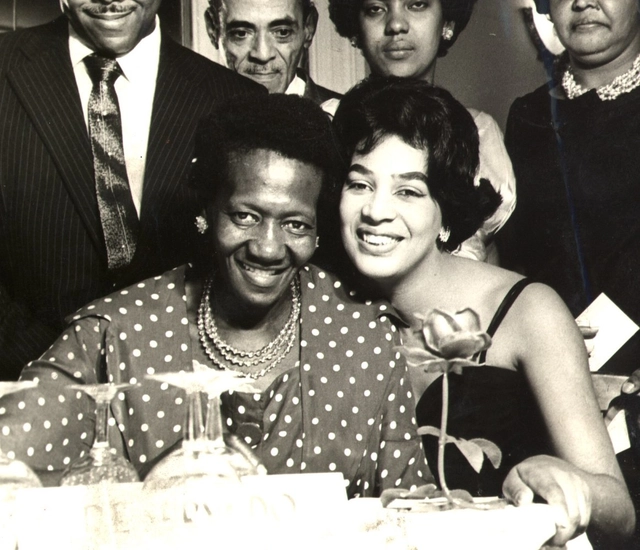
In this doctoral dissertation, architect and urban planner Gabriela Leandro Pereira explores the accounts and contested urban narratives of the writer Carolina Maria de Jesus, from Minas Gerais, Brazil. Carolina is one of the country's pioneering and most prominent Black female writers; her best-known work is the book Quarto de Despejo: Diário de Uma Favelada—the raw account of the harsh daily reality experienced by a Black woman, waste picker, and resident of the Canindé favela in São Paulo. Defended in 2015 at the Federal University of Bahia under the advisement of Professor Ana Maria Fernandes, PhD, the dissertation received the Rodrigo Simões Doctoral Dissertation Award from the National Association of Postgraduate Studies and Research in Urban and Regional Planning (ANPUR) in 2017. Read the abstract provided by the author below.

Architecture and the Promotion of Culture: 12 Cultural Centers in Latin America

Subscriber Access | 

Featuring varied and flexible programs, cultural centers are public buildings that play a key role in promoting, as their name suggests, local culture. Designed to encourage daily and ongoing use by residents of a specific area, their architectural programs can be highly diverse, accommodating a library, cinema, auditorium, exhibition spaces, workshop rooms, and communal areas, among other facilities.

El Higuerón Park Community Development Center by Dellekamp/Schleich + AGENdA

Subscriber Access | 

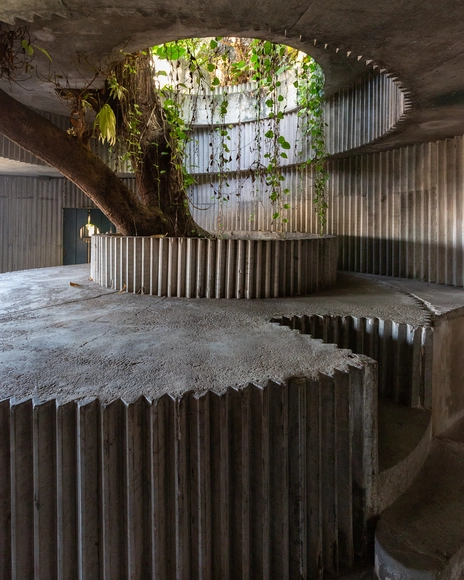
El Higuerón Park Community Development Center by Dellekamp/Schleich + AGENdA - Image 1 of 4El Higuerón Park Community Development Center by Dellekamp/Schleich + AGENdA - Image 2 of 4El Higuerón Park Community Development Center by Dellekamp/Schleich + AGENdA - Image 3 of 4El Higuerón Park Community Development Center by Dellekamp/Schleich + AGENdA - Image 4 of 4El Higuerón Park Community Development Center by Dellekamp/Schleich + AGENdA - More Images+ 9

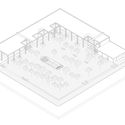
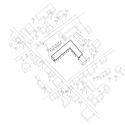
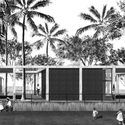
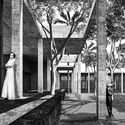
In the fall of 2017, a 7.1-magnitude earthquake struck at least nine states in Mexico, leaving several areas severely affected across Mexico City, Puebla, Morelos, Oaxaca, Veracruz, Tlaxcala, Guerrero, and the State of Mexico. Jojutla, a municipality located in Morelos, was one of many reduced to ruins after the earthquake shook Mexico on September 19, leaving much of its infrastructure damaged. Consequently, through an initiative by Infonavit, a master plan was launched to reconstruct the municipality's primary public buildings.

Remodeling Chorizo Houses: How to Transform a Typical Home with Contemporary Design

Subscriber Access | 

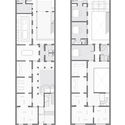
Remodeling Chorizo Houses: How to Transform a Typical Home with Contemporary Design - Imagem 4 de 4Remodeling Chorizo Houses: How to Transform a Typical Home with Contemporary Design - Imagem 3 de 4Remodeling Chorizo Houses: How to Transform a Typical Home with Contemporary Design - Imagem 2 de 4Remodeling Chorizo Houses: How to Transform a Typical Home with Contemporary Design - Imagem 1 de 4Remodeling Chorizo Houses: How to Transform a Typical Home with Contemporary Design - More Images+ 15

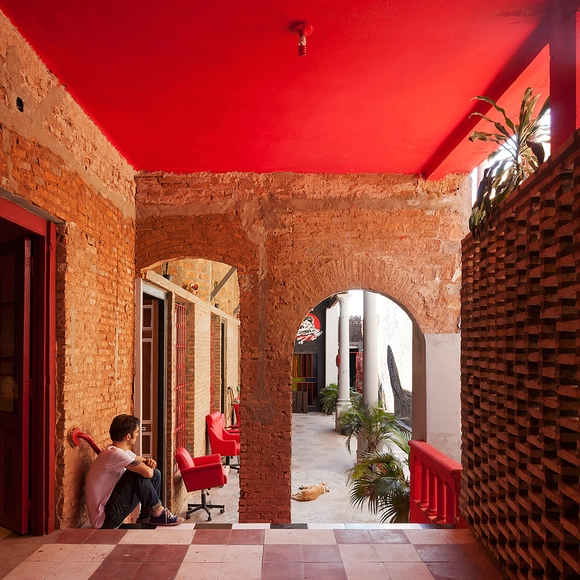
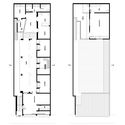
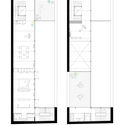
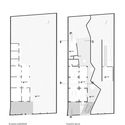
The casa chorizo is a residential typology historically used in Argentina, primarily in the city of Buenos Aires. It consists of a succession of similarly sized rooms connected along a longitudinal axis that open onto a gallery or courtyard, from which they receive light and ventilation. Typically built on plots between party walls, their service areas are grouped at the back. Today, numerous projects address the rehabilitation of this type of housing. These can be understood as research initiatives exploring how a city's characteristic construction matrix can be reviewed and updated to adapt to contemporary ways of living.

A portrait of the current reality of refugees around the world, by Ai Weiwei

Subscriber Access | 

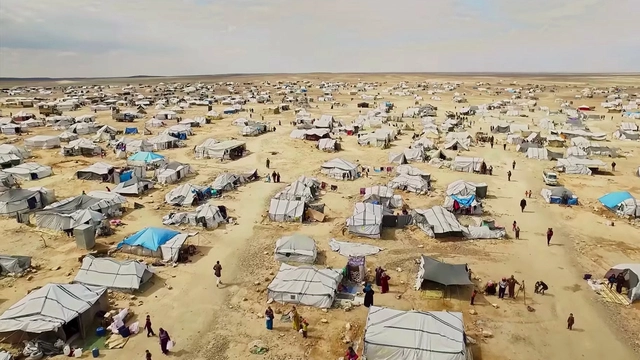
Currently, nearly 65 million people worldwide have been forced to flee their homes due to conflicts unfolding across the globe, leaving behind their belongings, years of personal history, and years of hard work to find themselves adrift. Many of these families are forced to cross oceans and diverse terrains in search of a promising future to start from scratch. These journeys often lead to informal settlements where many perish due to rampant disease and shortages of medicine, food, and clean water.

'Cool Working' by Actiu: A methodology for designing spaces that promote well-being

'Cool Working' by Actiu: A methodology for designing spaces that promote well-being - Featured Image
Bend by Actiu

The new workplace paradigm, driven by digital transformation, is introducing significant changes to employee profiles and the roles people perform within their work environments. At Actiu, these shifts represent an opportunity to turn workspaces into strategic levers of change, allowing organizations to align their transformation goals with the well-being and satisfaction of their workforce.

Discover the proposal for the San Isidro Racetrack Linear Park by BAM! Arquitectura

Subscriber Access | 

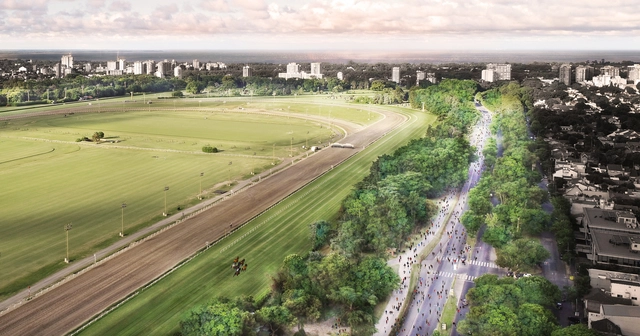
The project emerged as an opportunity to increase accessibility to Buenos Aires's Hipódromo de San Isidro—currently privately managed—through minimal interventions. By creating a linear park around the perimeter, the proposal makes this urban green lung more inclusive, transforming it into a social hub that enhances both the environment and quality of life.

Resilience Criteria for the Design of Educational Buildings in Chile

Subscriber Access | 

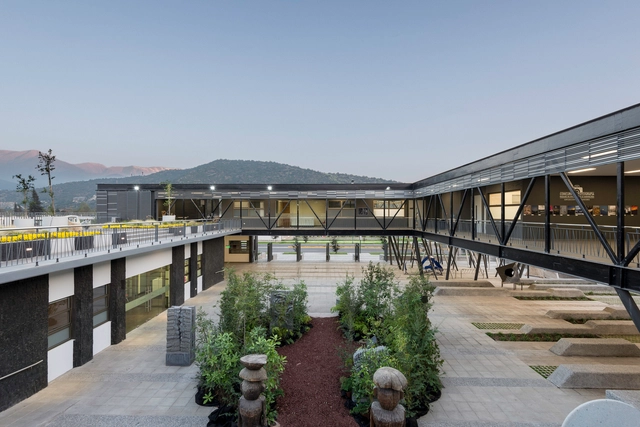
The following research, developed within the Master's in Sustainable Habitat and Energy Efficiency program at the Universidad del Bío-Bío by C. Matías Tapia Maureira and María Beatriz Piderit M., addresses the integration of resilience and sustainability criteria in the design of educational buildings in Chile. Read a summary of their work below.

The Best Architecture Graduation Projects in Peru 2018

Subscriber Access | 

The final thesis project represents a major milestone in earning an architecture degree, and one of the fairest ways to honor it is through promotion and visibility. To discover the valuable output of Peruvian universities, in January we launched our open call, inviting architects to submit their respective final graduation projects (PFC) defended through 2018. Although we originally published a compilation of undergraduate theses in 2015, this is the first official call in Peru on par with previous editions held in other Latin American countries such as Argentina, Mexico, Colombia, and Brazil, placing us at the heart of this international dialogue.

This first edition received 75 submissions from 17 universities across various cities nationwide. After an exhaustive evaluation, 15 final projects were selected by the editorial jury of ArchDaily en Español. The selection values precision and detail, a cohesive line extending from the design to its presentation, and above all, the boldness to advance revolutionary ideas in the face of a seemingly harsh yet diverse reality. They do not necessarily result in a building; rather, they suggest the promise of architecture without limits, demonstrating critical thinking and a firm stance on the country's major (and urgent) issues. In doing so, they pave the way for multidisciplinary, collaborative work that strongly emphasizes the social role of the architect. All of these architectural projects maximize the capacity to imagine, experiment, and design, proving to be not only the culmination of a well-learned academic chapter but also the beginning of building those dreams. Let us not forget this transformative spirit as we cross the threshold.

Below, explore the selected projects in detail.
Transforming a Small House on a Lima Hillside on a Budget

Subscriber Access | 

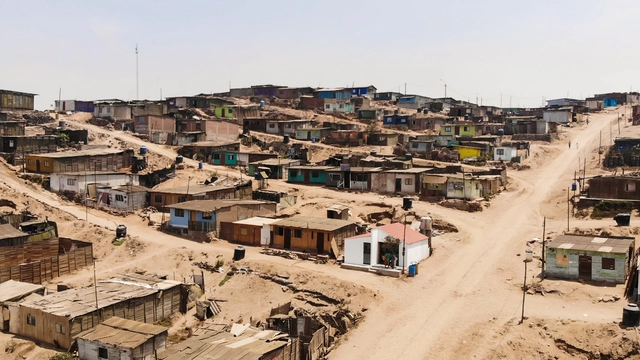
An exceptional small house, right there among all the other homes dotting the hillsides of Lima. At first glance, it might seem out of place, but once we learn its history and process, it couldn't be more relevant.

Coati Restaurant by Lina Bo Bardi and Lelé, through the lens of Manuel Sá

Subscriber Access | 

Photographer Manuel Sá shared with us his perspective on the Coati Restaurant, designed in 1987 by Lina Bo Bardi, João Filgueiras Lima - Lelé (precast reinforced mortar), Marcelo Ferraz, and Marcelo Suzuki.

The entire complex—comprising a restaurant, a bar, and three historic houses converted into nine apartments with ground-floor commercial space—is located in the Pelourinho district of Salvador, and is part of the pilot project for the Bahia Historic Center Recovery Plan proposed by Lina. The restaurant is unfortunately abandoned and falling into disrepair, as is the rest of the complex.

A compilation of projects and articles honoring the work of architect Félix Candela

Subscriber Access | 

Today, January 27, marks the 113th birthday of Félix Candela—of Spanish and Mexican nationality—who is one of the most globally recognized architects of the 20th century. His career was defined by his exploration of reinforced concrete through experiments that resulted in his famous cascarones (concrete shells): key structural and design elements that support many of his works, such as the Cosmic Rays Pavilion at UNAM, Mexico City (1951); the Palmira Chapel in Cuernavaca (1958); the Los Manantiales Restaurant, Xochimilco (1958); and the Palacio de los Deportes for the 1968 Olympic Games in Mexico City.

Learn how to design a bamboo roof structure

Subscriber Access | 

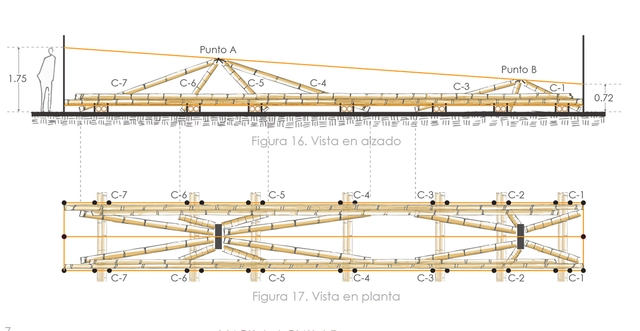
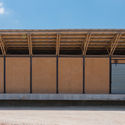
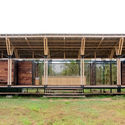
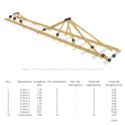
Learn how to design a bamboo roof structure - SustainabilityLearn how to design a bamboo roof structure - SustainabilityLearn how to design a bamboo roof structure - SustainabilityLearn how to design a bamboo roof structure - SustainabilityLearn how to design a bamboo roof structure - More Images

Bamboo is a building material that has been used since antiquity in various structures. Thanks to its countless benefits, it has proven superior to newer materials like plastic and steel, while its unique aesthetic appeal has established it as one of today's most prominent architectural trends.

Heritage Restoration in the Theaters of Córdoba

Subscriber Access | 

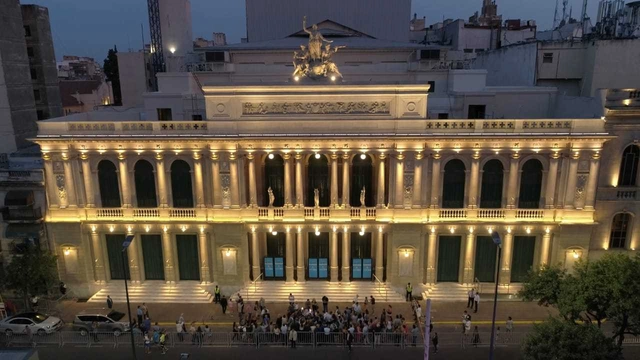
The construction of theaters in the Province of Córdoba, Argentina, was closely tied to the second wave of immigration that arrived between 1880 and 1930, alongside the expansion of the country's railway network. Today, the city boasts a large number of theaters, most of which date back to this period and form an integral part of Córdoba's cultural heritage, despite having suffered for many years from the neglect of successive governments.

You've started following your first account!

Did you know?

You'll now receive updates based on what you follow! Personalize your stream and start following your favorite authors, offices and users.