

"I Saw a Brazil on TV" was the theme of the debate that, on November 8, 2018, brought together a group of architects participating in the exhibition "Infinite Span - 90 Years of Brazilian Architecture" at the Instituto Moreira Salles in São Paulo.
"I Saw a Brazil on TV" was the theme of the debate that, on November 8, 2018, brought together a group of architects participating in the exhibition "Infinite Span - 90 Years of Brazilian Architecture" at the Instituto Moreira Salles in São Paulo.
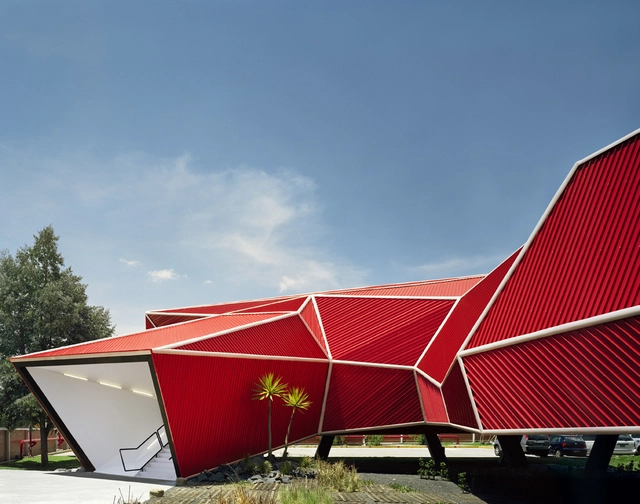
Who hasn't wished to experience the settings of Tim Burton's Charlie and the Chocolate Factory up close? Adding layers of desire and enchantment, fiction seems to have inspired a series of projects designed specifically for the production, presentation, and sale of chocolate.

At least two major avenues (23 de Maio and 9 de Julho) mark the footprint of the 1932 Constitutionalist Revolution in the city. Yet, across the capital's landscape, numerous other sites evoke the memory of an armed conflict that became the defining myth of São Paulo's history, commemorated as a state holiday since 1997.
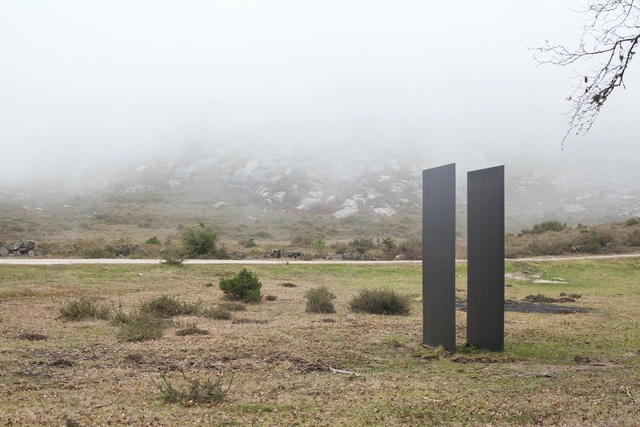
The Alto Minho region in northern Portugal had its landscape transformed by a series of site-specific artistic interventions that were part of the DESENCAMINHARTE program. The initiative aimed to promote artistic creation in the region through a collaborative network designed to foster recognition of its local identity.
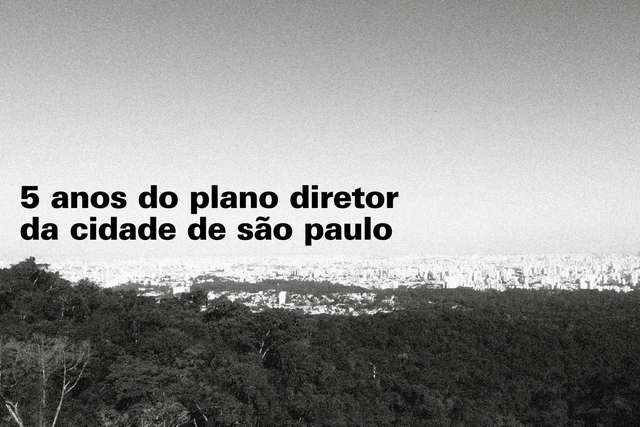
Five years ago, São Paulo approved its Master Plan, a social pact to transform the city by 2029. While a significant portion of the planned actions have been carried out or are currently underway, just as many remain on paper. Assessing this period is essential to achieving the ultimate goal of this entire process: improving the quality of life for its residents, especially those who need it most.
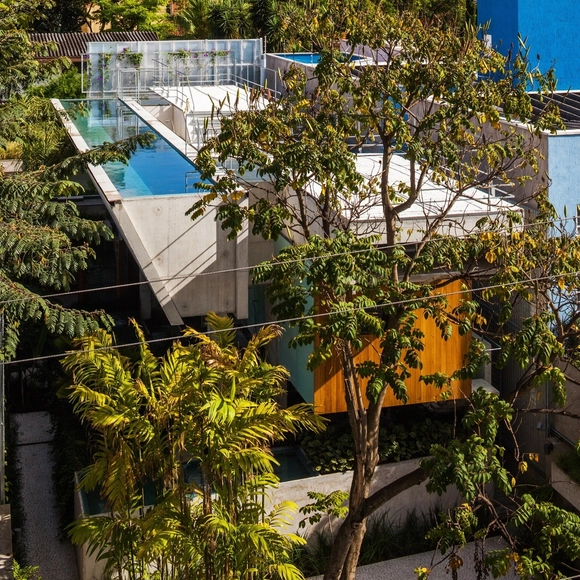
Sometimes, residential projects are structured around specific elements of the brief, exploring their sculptural potential as a defining feature of the design. Swimming pools are a compelling case in point: they often become the focal point of a project, allowing for a high degree of creativity and inventiveness while seamlessly bridging landscape and architectural design.
_(Custom).jpg?1559915700&format=webp&width=640&height=580)
C40 Cities, a global coalition of cities, launched a competition to select the best solutions for transforming underutilized urban spaces into resilient, carbon-neutral developments. Named Reinventing Cities, the competition selected 15 innovative ideas poised to "reinvent" the future of cities.
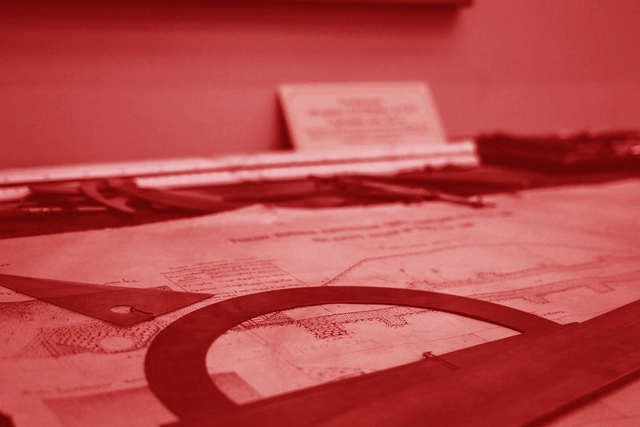
One of the most controversial topics regarding professional ethics in architecture and urbanism is the so-called "technical reserve" (reserva técnica). This widespread practice refers to the payment of commissions to design professionals by construction industry suppliers and companies as compensation for client referrals or project specifications. Despite its questionable nature, this practice is adopted by many architects and has become increasingly common.
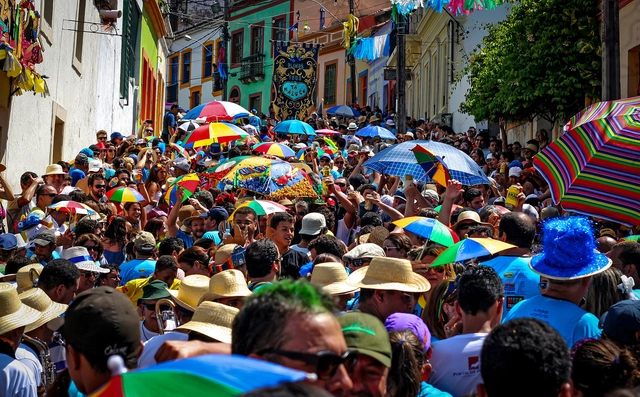
Popular culture is an imprecise concept that lends itself to various definitions. To grasp the traits characterizing the different meanings of popular culture, one must trace the dynamics of how this term has evolved throughout the studies dedicated to the field.
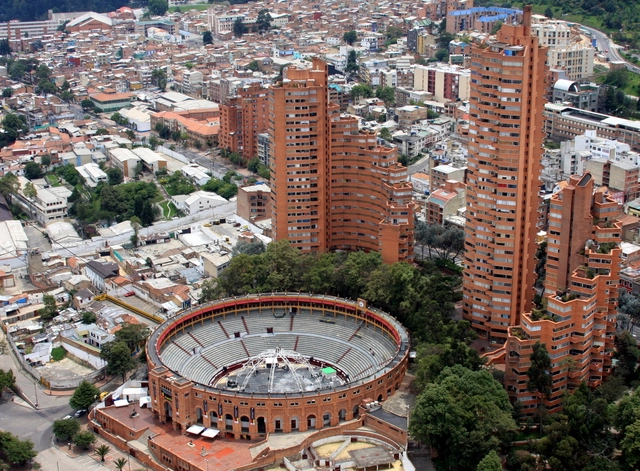
Emerging in 1981 with the publication of the essay “The Grid and the Pathway” by Alexander Tzonis and Liane Lefaivre, it was Kenneth Frampton's 1983 essay “Towards a Critical Regionalism: six points for an architecture of resistance” that brought the term “critical regionalism” wider recognition. The essay was published in the anthology “The anti-aesthetic: essays on Postmodern culture,” edited by critic and historian Hal Foster, initiating a debate later revisited in "Prospects for a Critical Regionalism," also written by Frampton that same year for the journal Perspecta.
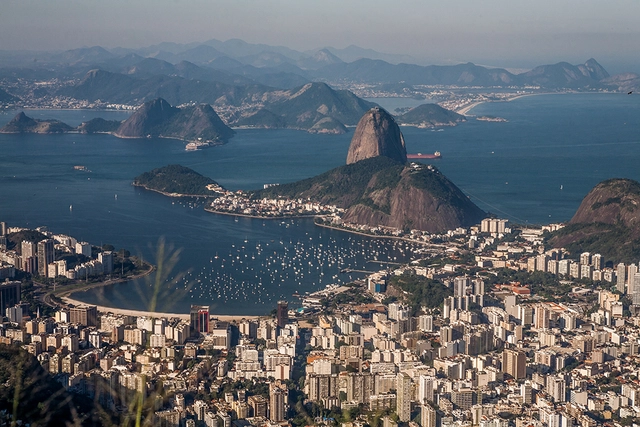
Only recently in Brazil has "cultural landscape" emerged as a new category for the preservation of cultural heritage. Understanding its meanings requires, on the one hand, evoking the preservation experience in two different spheres—both international institutions and the work developed in Brazil. On the other hand, this understanding also requires highlighting the specific academic origins of the cultural landscape concept.
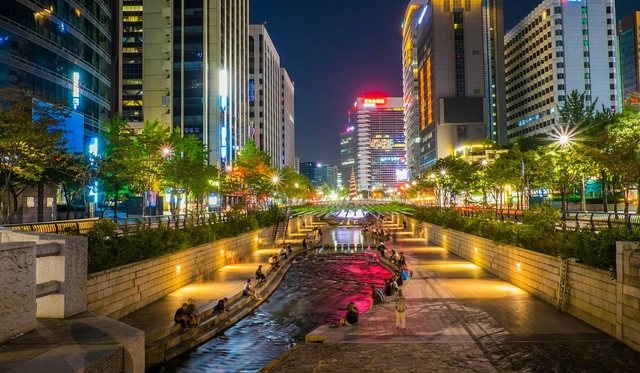
The significant restoration of the natural riverbed of the Cheonggyecheon River in Seoul, South Korea, and the urban revitalization of its surroundings are a brilliant example of Sustainable Urban Drainage. This deconstruction is based on the premise of renaturalization, which aims to restore the pre-development water balance (increasing concentration time and reducing peak runoff) through high permeability. It also demonstrates the undeniable importance of preserving valley floors and Permanent Preservation Areas (APPs) in Brazil, as defined by the Forest Code.
.jpg?1567697293&format=webp&width=640&height=580)
Cities that absorb rainwater and allow it to follow its natural course. It should be simple, yet we chose to channel our waterways, preventing nature from doing its part: absorbing and purifying. For Chinese architect Kongjian Yu, this is the key to solving one of the greatest challenges facing contemporary major urban centers: flooding.

Architects are increasingly incorporating translucent materials into their facade designs to help control interior light levels, as options like polycarbonate and U-glass, for example, allow only a percentage of natural light to penetrate the building. At nightfall, however, these materials yield an entirely different, striking effect: when illuminated from within, the buildings transform into true lanterns in the urban landscape.
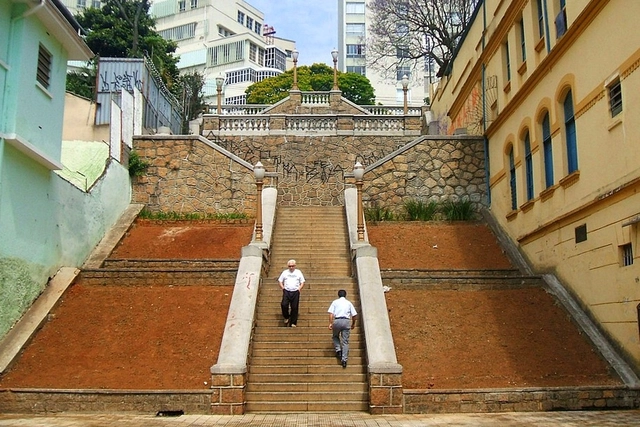
There is no doubt that preserving historical, artistic, and architectural heritage is a fundamental goal for building a just city. It is the right of all citizens, both present and future generations, to know and enjoy our collective memory and culture. However, for this to actually happen, both a discerning eye and a comprehensive vision of the city are essential.
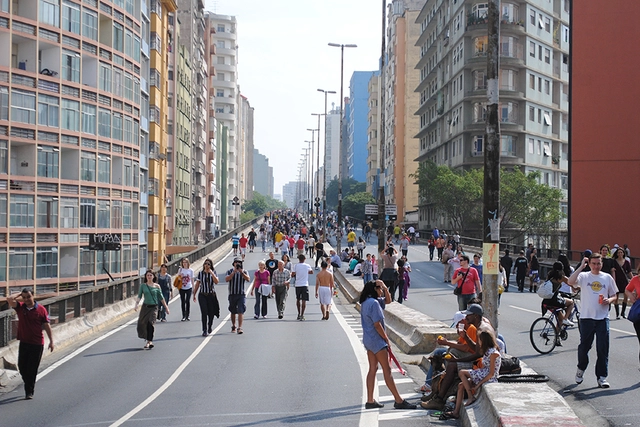
One of the most prevalent themes in current discussions about the city is gentrification. Broadly defined as "when someone different from you moves into your neighborhood," this urban phenomenon is far more complex than that, involving issues of land use, real estate speculation, public and leisure spaces, and urban planning.

Color can be an element that contributes significantly to the quality of architectural projects. Its efficient use can completely transform the atmosphere of indoor and outdoor environments, signal specific uses in spaces with different characteristics, redefine rooms, and highlight architectural elements. This has proven to be a highly successful feature, even becoming a trademark of prominent architects, such as Mexicans Luis Barragán and Ricardo Legorreta.
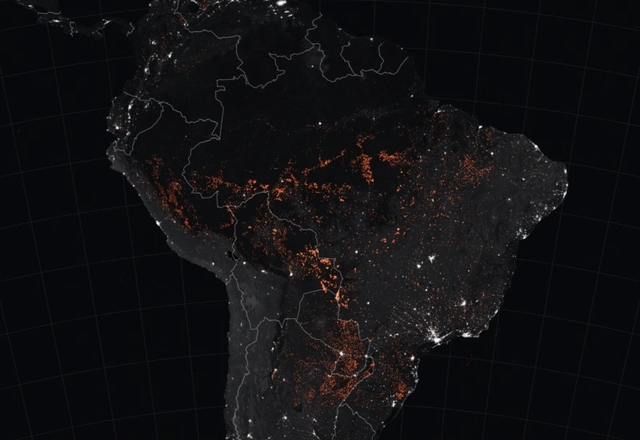
Over the past week, thousands of active fires in the Brazilian Amazon captured global attention in the press and on social media, where the hashtag #PrayForAmazonia was mentioned more than 150,000 times in a single day. But what can satellite data tell us about what is actually happening in Brazil's forests?
.jpg?1556291339&format=webp&width=640&height=580)
Whether for universal accessibility, spatial fluidity, or plastic continuity, ramps bring unique and highly welcome qualities to architectural projects. That is, of course, when they can be successfully integrated into the design—typically a demanding task due to accessibility standards governing maximum slopes.

Scooters are the latest trend in the new mobility landscape. You have likely seen someone riding one of these small yet agile two-wheeled vehicles in a major city. Following the explosive growth of ride-hailing apps and bike-sharing systems, it is now the turn of scooters, which logged 38.5 million trips in the United States in 2018 alone.

The edícula, also known in some regions of Brazil as a meia-água, é a small outbuilding usually constructed at the back of residential lots to provide an extra bedroom within the domestic program. Generally speaking, this space typically includes—with some variations—a bathroom, service quarters, and occasionally, integrated space at the end of a garage, in addition to the bedroom.


In the new episode of the Architecture and Cinema series, we talk with Janaina Pereira, a journalist specializing in cinema, and Laura Carone, an architect, set designer, and art director, about the film Inception, by British director, screenwriter, and producer Christopher Nolan. Released in 2010, the film features a stellar cast including Leonardo DiCaprio, Ellen Page, and Michael Caine, and received several awards, including Academy Awards for Best Cinematography, Best Sound Mixing, and Best Sound Editing.

In this doctoral thesis, architect Luciano Margotto, advised by Prof. Dr. Mônica Junqueira de Camargo, presents five lessons from architecture: Austerity, Generosity, Freedom, Public, and Spatiality. In his work, the author investigates the works of architects such as Carlos Millan, Marcello Fragelli, Eduardo Souto de Moura, Oscar Niemeyer, Vilanova Artigas, Fábio Penteado, Lucio Costa, Lina Bo Bardi, Paulo Mendes da Rocha, Brasil Arquitetura, Gabriel Guarda, Martín Correa, and Alvaro Siza. Below is the abstract of the thesis defended at FAUUSP in 2016.
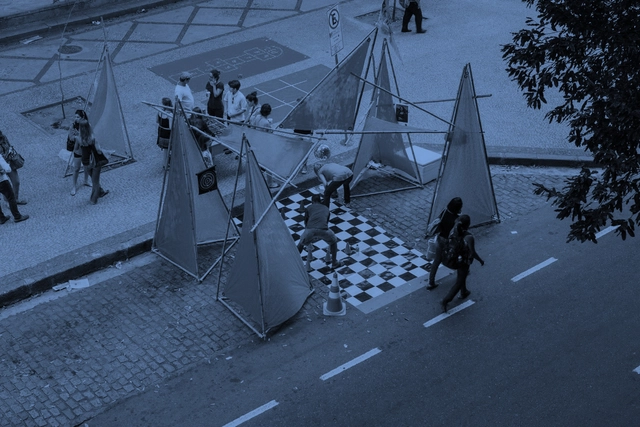

You have probably heard the term “tactical urbanism.” Though relatively recent, this approach to public space has gained visibility over the last decade, and today there are numerous examples of how to intervene in the city through a short-term, low-cost, and highly socially engaged lens. In episode #70, we chat with Rio-based architect and PhD in Urbanism Adriana Sansão, whose extensive practical work is backed by deep research on the subject. Click here to learn more!