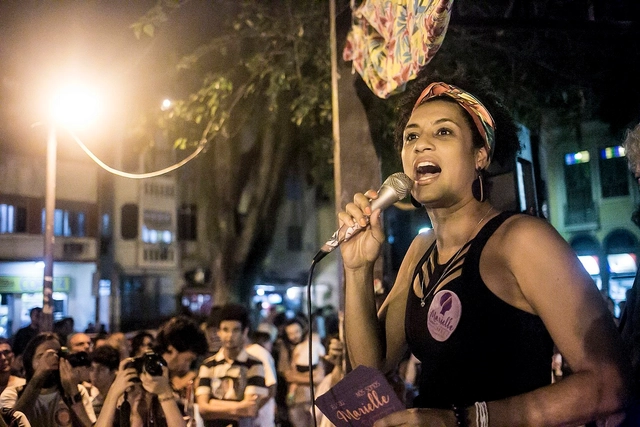
Today marks one year since the brutal assassination of Rio de Janeiro sociologist and city councilwoman Marielle Franco. The week before her death, Marielle took part in a series of debates organized by CAU/RJ called "Architecture - Feminine Noun," aimed at strengthening mobilizations for International Women's Day.
https://www.archdaily.com/1122060/watch-marielle-franco-in-the-debate-architecture-feminine-nounPedro Vada
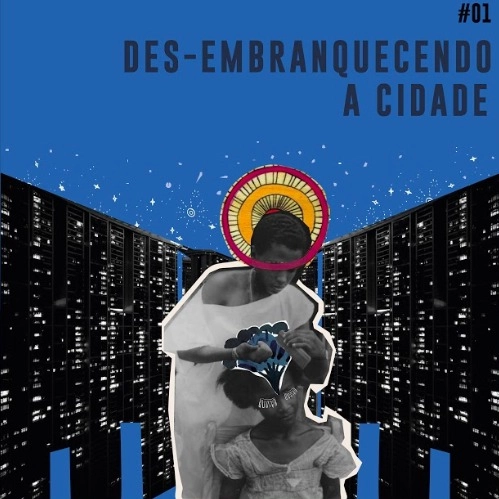
The “De-whitening the City” Podcast is a space invented from the desire of five Black women residing in Salvador, São Paulo, Rio de Janeiro, and Belo Horizonte to circumvent geographic distance in order to foster and celebrate connection. Emmily Leandro, Gabriela Gaia, Luciana Mayrink, Malu de Barros, and Natalia Alves make up the Terra Preta collective, giving shape and voice to this exercise in creating a shared virtual territory—both a political and aesthetic commitment—now made public for the first time.
https://www.archdaily.com/1122076/de-whitening-the-cityTerra Preta Cidade
Projeto Tercer Sonido, Madri, Espanha. Image Cortesia de CicloVivo
C40 Cities, a global coalition of cities, launched a competition to select the best solutions for transforming underutilized urban spaces into resilient, carbon-neutral developments. Named Reinventing Cities, the competition selected 15 innovative ideas poised to "reinvent" the future of cities.
Once subjugated by outlaw armed groups and devastated by the largest urban military operation in Colombia's history, the Las Independencias neighborhood, located in Medellín's Comuna 13, is today an open-air graffiti gallery of sorts, accessed via a system of electric escalators—the only ones in the world built in an informal settlement.
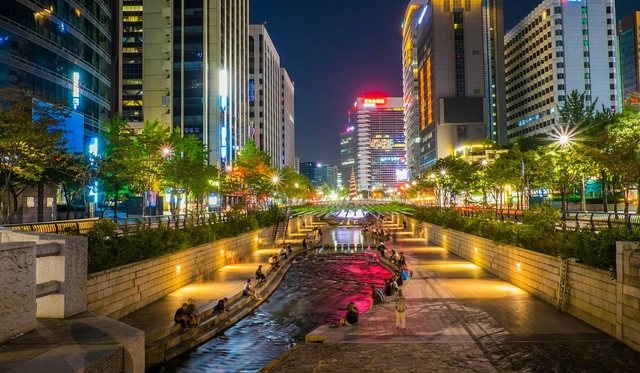
Renaturalization of the Cheonggyecheon River in Seoul – South Korea. Source: https://www.koreapost.com.br/wp-content/uploads/2016/01/Rio-Cheonggyecheon-Seul.jpg. Courtesy of the authors
The significant restoration of the natural riverbed of the Cheonggyecheon River in Seoul, South Korea, and the urban revitalization of its surroundings are a brilliant example of Sustainable Urban Drainage. This deconstruction is based on the premise of renaturalization, which aims to restore the pre-development water balance (increasing concentration time and reducing peak runoff) through high permeability. It also demonstrates the undeniable importance of preserving valley floors and Permanent Preservation Areas (APPs) in Brazil, as defined by the Forest Code.
https://www.archdaily.com/1121937/sustainable-urban-drainage-to-achieve-un-sdg-targetsAdriana Idalina Rojas Gutierrez e Ivanete Carpes Ramos
Whether for universal accessibility, spatial fluidity, or plastic continuity, ramps bring unique and highly welcome qualities to architectural projects. That is, of course, when they can be successfully integrated into the design—typically a demanding task due to accessibility standards governing maximum slopes.
Eletrodutos para distribuição da rede elétrica aparente. Aplicação de papel de parede. Projeto: Apartamento 203. Image Cortesia de Apartamento 203
Also known as "dry construction," this concept is increasingly used in interior renovations. These simple solutions transform the essence of indoor spaces in a more economical and sustainable way by minimizing construction waste and, consequently, reducing the waste of money, time, and raw materials. In this guide, we have gathered 8 tips to help you design more mindful interior renovations.
Today, computer-aided design (CAD) is the most widely used system for producing technical drawings among construction professionals and academics. It became popular through AutoCAD (Autodesk) by representing geometries that translated design intent into two dimensions. Released in the 1980s, it remains highly relevant and is still used by large corporations, extending its utility through the tradition it has built over four decades in the market.
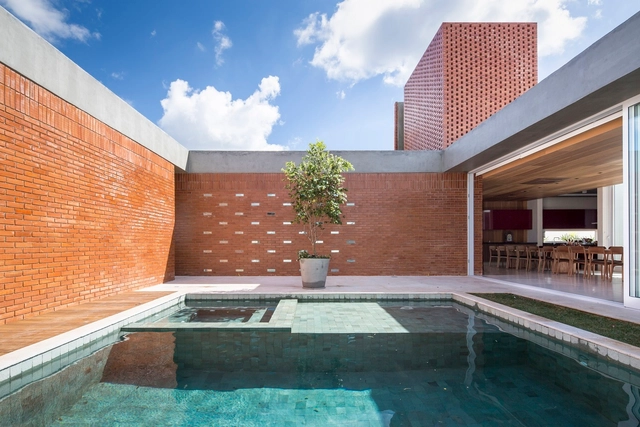
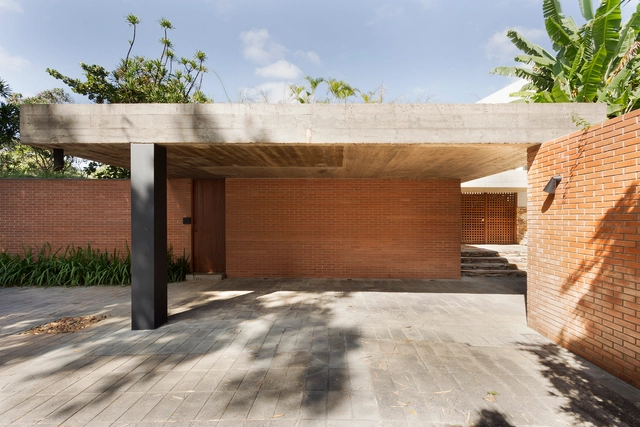
Masonry is undoubtedly one of the most widespread construction techniques in Brazil. Brick, which can serve as both structural support and building enclosure, is an expressive and highly versatile material, easy to use due to its widespread production and the general availability of labor across the country.
Reflecting on the everyday. This is the premise of the 12th São Paulo International Architecture Biennial, which opens this September in the capital. Under the theme “Everyday” (“Todo dia”), the biennial aims to address the “most trivial dimension of reality,” shedding light on the production of ordinary, common space—which is, for this very reason, fundamental to the quality of the environment we inhabit daily. Curators Vanessa Grossman and Ciro Miguel join us for a conversation about this key event, which plays a crucial role in bridging academic research, architectural practice, and society at large.
Since their university days, architecture students are taught that ventilating indoor spaces is crucial for removing excess heat. However, the specific conditions under which this practice actually achieves adequate thermal performance are not always clearly defined, especially regarding residential roof ventilation.
https://www.archdaily.com/1121931/design-strategies-for-housing-ventilate-the-roof-or-add-thermal-insulationAdriana Camargo de Brito
Tasked with mapping contemporary Brazilian production, the Tomie Ohtake Institute AkzoNobel Architecture Prize began its activities in 2013 with loosely defined horizons. While there was the expectation of creating an unprecedented initiative on the national stage by honoring projects built over the last decade, there was also the clear challenge of establishing a prize without categories, dealing with a broad universe of programs and comparing initiatives of widely differing scales.
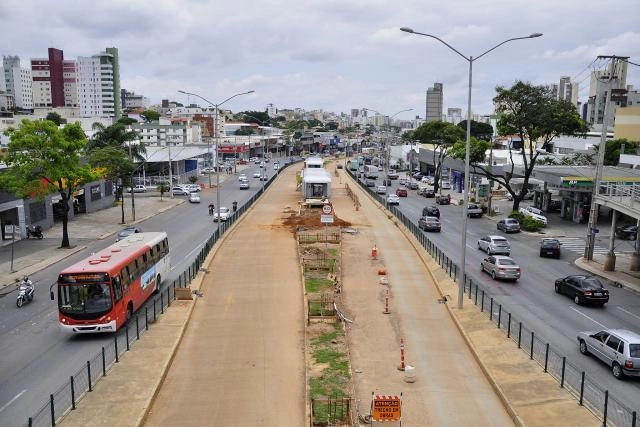
Accessibility is still a challenge for Belo Horizonte's BRT. In the image, the system is still under construction. Photo: Mariana Gil/WRI Brasil
Improving public transit requires close attention not only to vehicles and routes, but to how people access and exit them. All too often, urban planning fails to account for the diverse needs of all individuals and how they navigate a transit system.
https://www.archdaily.com/1121928/a-section-of-belo-horizontes-brt-highlights-the-importance-of-accessibilityPaula Manoela dos Santos
Architectural modernism emerged in the wake of the early 20th-century European avant-gardes. The movement was fueled by industrial capitalism and the thrilling technological progress unfolding before everyone's eyes. The break with the past had been deliberately ushered in by intellectual, artistic, and technical movements since the mid-19th century. The Crystal Palace, for instance, designed by Sir Joseph Paxton, was built in London to host the Great Exhibition of 1851 and represented a structural revolution in the use of lightweight materials such as iron and glass.
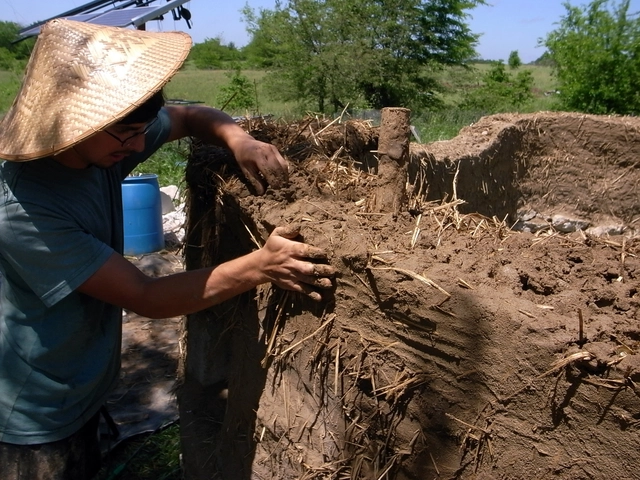
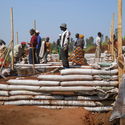
Tekôa is a space within Ekôa Park that explores solutions by bridging theory and practice. It is a hub for integrative permaculture practices based on two principles: developing a practical ecology and experimenting with low-environmental-impact solutions that yield positive social impacts, thereby inventing new ways of living, building shelter, and producing food. Sem Muros believes that to achieve an ecologically sound and socially just life, people must develop autonomy. To this end, the techniques used are simple, easily replicable, and tailored to the environmental context of the project's territory.
https://www.archdaily.com/1121765/tekoa-a-way-of-dwelling-that-integrates-permaculture-practices-bioconstruction-and-food-productionMarcella Arruda e Tomaz Lotufo
Much has been said since the then-new minister of economy, Paulo Guedes, stated that it was necessary to “take a knife” to the S System. However, these discussions have focused almost exclusively on the financial aspects of the system. To truly understand the relevance of the S System to Brazilian society—whose flagship organizations include SENAC (National Service for Commercial Apprenticeship), SESC (Social Service of Commerce), SENAI (National Service for Industrial Apprenticeship), SESI (Social Service of Industry), and SEBRAE (Brazilian Micro and Small Business Support Service)—it is far more instructive to examine the original motivations behind this vocational education system, the pedagogical and political project that drove its creation, the role of architecture in its facilities to achieve its goals, and its ongoing relevance in the fields of education and culture.
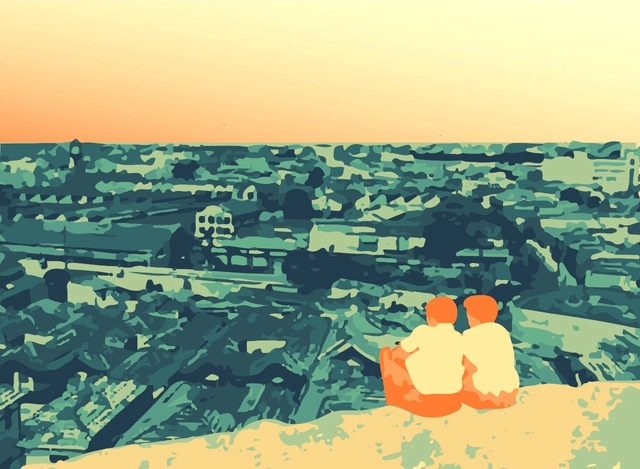
View of Morro do Piolho with houses on Rua Lavapés and the Light complex in the background before being demolished. Illustration by the authors based on a photo from the Casa da Imagem Collection DPH/SMC
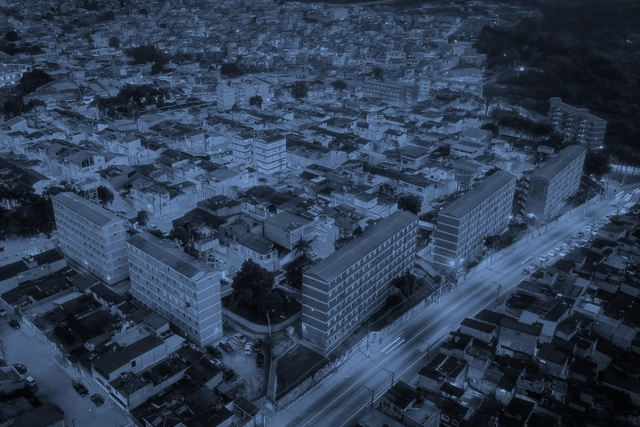
The “Glória-Lavapés Historical Path” is composed of Glória and Lavapés streets, which connect the neighborhoods of Liberdade, Glicério, and Cambuci in the central region of São Paulo. Although designated as a heritage site in March 2018 and ratified in July 2019 by the Municipal Council for the Preservation of Historical, Cultural, and Environmental Heritage of the City of São Paulo (CONPRESP), this area still faces issues that reinforce the historical erasure of critical memories along this stretch—such as Black occupation, the morphological layout of the colonial city, and the visual and topographical memory of the rugged terrain.
https://www.archdaily.com/1121768/liberdade-neighborhood-the-historical-erasure-of-black-memory-in-sao-pauloBeatriz Hubner, Fernanda Galloni, Paloma Neves, Stela Mori
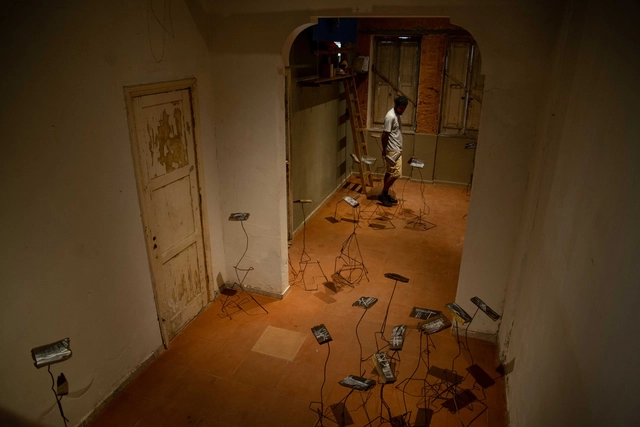
In the experiment by the collective Mouraria 53, the spatial operation—unlike a typical architectural project—begins before construction is finished and is integral to its ongoing development. Exhibitions, presentations, concerts, workshops, and classes serve as a daily exchange in building the house. The process itself is of paramount value to this initiative, bringing together projects, materials, dialogues, execution, and collective dreams.
Bioconstruction refers to a building process utilizing materials and techniques with low environmental impact, alongside adapting architecture to local conditions and managing waste during the building's lifecycle. Consequently, building according to these principles does not necessarily mean using so-called sustainable materials—which often must be transported over long distances or undergo prefabrication before use—but rather utilizing local materials, techniques, and labor, drawing on vernacular strategies that address these very factors.
With hundreds of projects published every month, it is easy to imagine that some of this archive remains buried deep in our database, out of our readers' sight. Knowing this, we regularly publish articles that serve as lists, compilations, or curated selections from the vast collection of works on our platform, focusing on specific design features. Within this context, one of our most popular series is Brazilian Houses, which brings together residential projects built in Brazil, grouped by various architectural aspects.
This biweekly episode discusses the SESCTV series "A cidade no Brasil" [The City in Brazil], inspired by the publication of the same name by anthropologist, historian, poet, and essayist Antônio Risério. The series is directed by sociologist and filmmaker Isa Grinspum Ferraz, who joins us as one of our guests. Her previous work includes the documentary series "O povo brasileiro" [The Brazilian People], based on the work of Darcy Ribeiro, and the 2012 documentary "Marighella." Rounding out our guest panel, architect and urbanist Álvaro Gianninni shares his perspective as an enthusiastic viewer of the channel's programming.
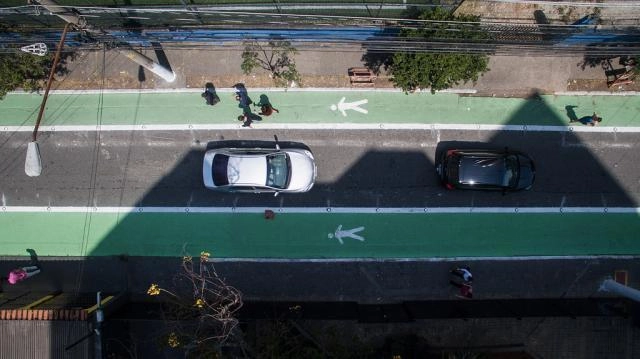
Joel Carlos Borges Street, in São Paulo. Photo: Pedro Mascaro/WRI Brasil
The latest Global Status Report on Road Safety from the World Health Organization (WHO) showed that over the last 15 years, the traffic mortality rate has remained stable relative to the world's population. While the fact that these numbers have not increased might sound positive, it is important to remember that this still represents the death of 1.35 million people annually, alongside 50 million injuries.
https://www.archdaily.com/1121788/traffic-deaths-are-not-decreasing-complete-streets-can-helpWRI Brasil
In recent years, we have witnessed a steady increase in the number of registered architects and urban planners across professional regulatory bodies. Within this significant pool, young architects and urban planners—meaning professionals up to 40 years old—represent a substantial share and hold a strong presence in the market. Against this backdrop, we have followed the creation of awards dedicated specifically to this demographic, and, most notably, their active participation in biennials and triennials—events aimed at driving discussions on the future of architecture.
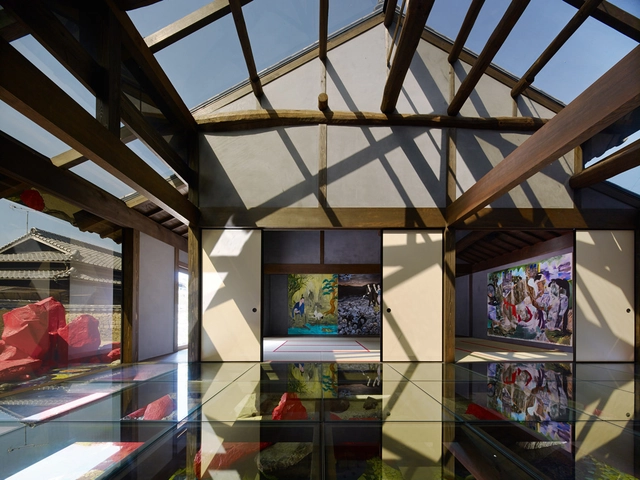
Over the course of a building's history, it may take on functions other than those for which it was originally designed. This is the case, for example, with houses that have become museums—either because they became architectural icons or because they eventually lost their original purpose and underwent renovation to host an exhibition space.
_(Custom).jpg?1559915700&format=webp&width=640&height=580)

.jpg?1556291339&format=webp&width=640&height=580)
.jpg?1562087791&format=webp&width=640&height=580)
.jpg?1561993576 "Aplicação de revestimento sobre revestimento. DEPOIS da Reforma de Banheiro em parceria com a Leroy Merlin Brasil. Projeto: Apartamento 203. Image Cortesia de Apartamento 203")
.jpg?1561992294 "Aplicação de papel de parede. Elétrica projeta com distribuição da rede elétrica aparente. Projeto: Apartamento 203. Image Cortesia de Apartamento 203")
.jpg?1561992738 "DEPOIS da Reforma de Banheiro em parceria com a Leroy Merlin Brasil. Projeto: Apartamento 203. Image Cortesia de Apartamento 203")

.jpg?1562087791)



.jpg?1549026286&format=webp&width=640&height=580)
.jpg?1549029133 "Cortesia de Sem Muros arquitetura integrada")
.jpg?1549029152 "Courtesy of Ekôa Park")
.jpg?1549029125 "Cortesia de Sem Muros arquitetura integrada")
.jpg?1549026266 "Courtesy of Lúcio Ventania")
.jpg?1549026286)


.jpg?1577129635 "Catenarius / Ramiro Meyer. Image © Federico Cairoli")