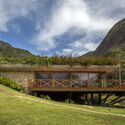
Urban Brazil is deeply ugly. Why did this happen? Some blame "the absence of urban planning and zoning, manipulated height limits, and the nefarious power of contractors and builders influencing the drafting of master plans."
Urban Brazil is deeply ugly. Why did this happen? Some blame "the absence of urban planning and zoning, manipulated height limits, and the nefarious power of contractors and builders influencing the drafting of master plans."
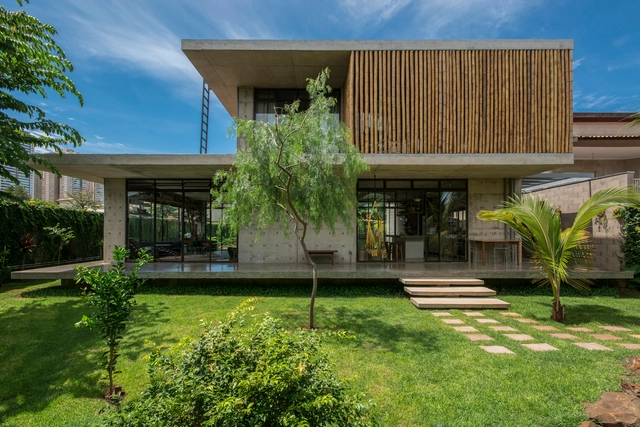
From chopsticks to religious temples, and often associated with the culture and, more specifically, the architecture of Asian countries, bamboo is a highly versatile, safe, and durable material with exceptional ecological performance. Due to its rapid growth, it is relatively inexpensive compared to other construction methods, and its most notable applications can be found in projects that leverage its unique materiality, color, and rhythm.
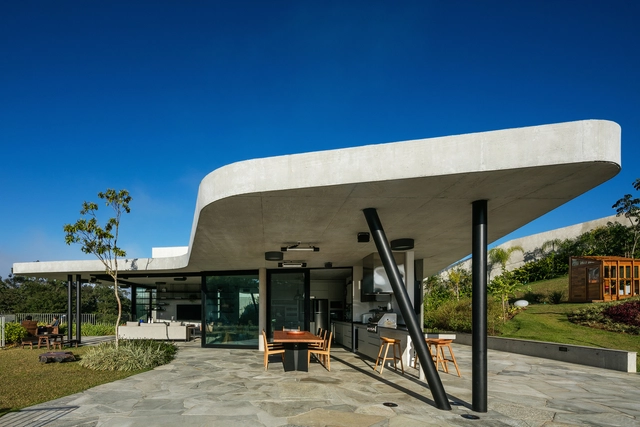
It is no coincidence that curved forms in architecture are deeply embedded in the global perception of Brazilian architecture. Invariably evoking the work of Oscar Niemeyer, curves are hallmark features of the landmark architectural complexes of Pampulha and Brasília. Yet they are also found in residential masterpieces, such as the Casa das Canoas in Rio de Janeiro.

Although more than 1.35 million people lose their lives in traffic crashes every year, these fatalities do not receive the same attention from politicians and the media as airplane, train, or ship disasters. Some believe that deaths from vehicle crashes are simply a part of daily life or inevitable—but they do not have to be.

One of the primary challenges facing contemporary cities is the renewal of existing infrastructure to accommodate a growing urban population. Shifting to the scale of architecture and the built object, restoring legacy structures to assign them new uses and functions also emerges as both a challenge and a major opportunity of our times. Although the world is building at an unprecedented pace, we must not lose sight of the value of existing structures that can be adapted and reused.

In the 21st century, any sustainable solution should be championed. This article explores architectural solutions that use recycled Styrofoam (EPS) as a raw material for waterproof decorative trim and as a core for EPS walls, offering a variety of benefits ranging from thermal and acoustic insulation to construction cost savings.
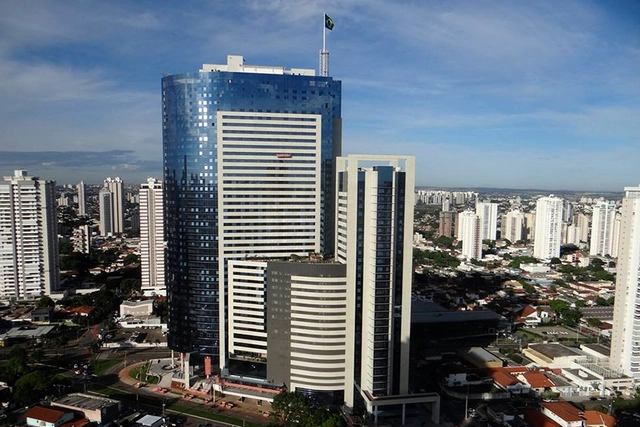
On flat terrain, where the horizon is visible in every direction, buildings with over forty stories rise across different areas of the city. Recently, a fifty-story building was completed; at 191 meters (626 feet) high, it is the tallest in the country. While some criticize this development model for its impact on the landscape, in a capital with rapid population growth, one would expect the cost of housing to rise steadily, along with the housing deficit. This, however, is not the case in Goiânia.

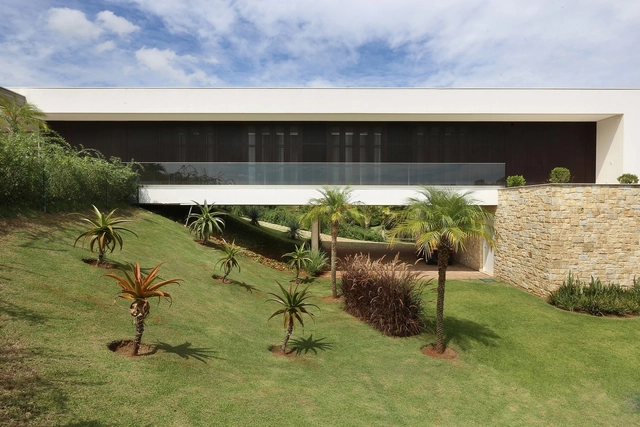
While steep slopes present a challenge, they also offer an opportunity to explore vertical relationships between spaces. Whether adapting to or subverting the natural landscape, these designs gain a powerful expressiveness and a strong sense of place. Negotiating the slope is a constraint for many program types, but in residential design, it often takes center stage, driving the core architectural strategy. Below is a selection of 25 Brazilian residences that exemplify the diverse approaches to addressing sloped terrains.
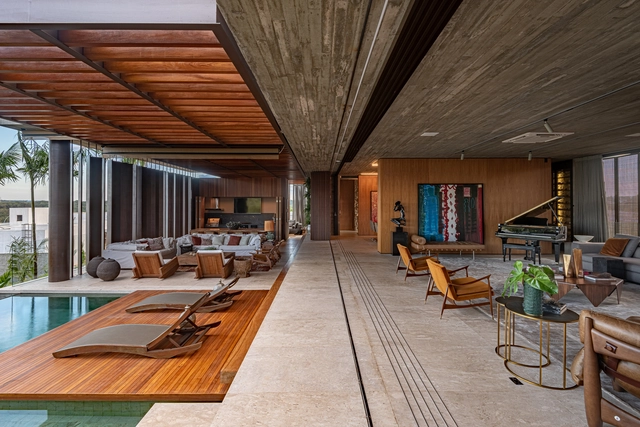
In the fields of architecture and engineering, the term "span" refers to the distance between two structural supports, typically describing the uninterrupted space between the columns of a building's load-bearing frame. Several notable spans have achieved fame for their impressive scale, particularly in public and civic projects, such as Lina Bo Bardi's MASP and Paulo Mendes da Rocha's MuBE, both in São Paulo. Yet, large spans can offer spatial generosity and visual freedom in any project, including those on a smaller scale.
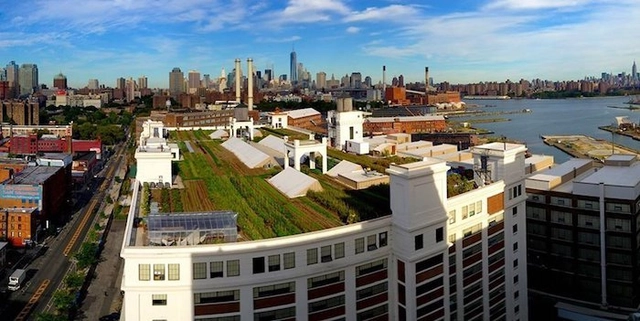
More than 36 tons of organic vegetables are grown on New York City rooftops every year. Beyond providing food, these green roofs also prevent pollutants from reaching the city's rivers.
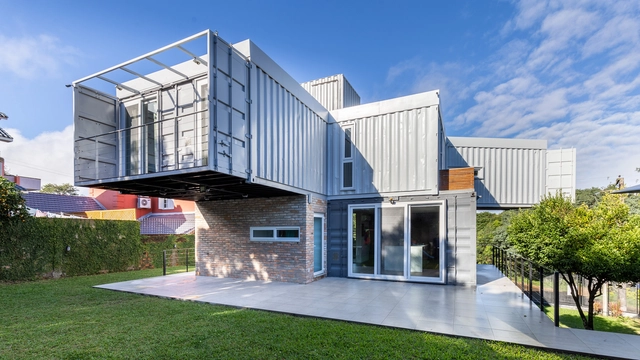
Originally used to transport large cargo on ships, shipping containers feature a rigid and highly durable steel structure available in various dimensions. However, moving beyond their traditional role in storage and cargo transport, these structures have been adopted as the basis for commercial and residential modules for several years. They offer high strength, low cost, fast construction, and, above all, a sustainability-oriented system through reuse. With this in mind, and moving beyond standardized housing, several architects have developed residential projects by reusing containers as modular blocks, stacking or joining them side-by-side to suit the specific program of each client.
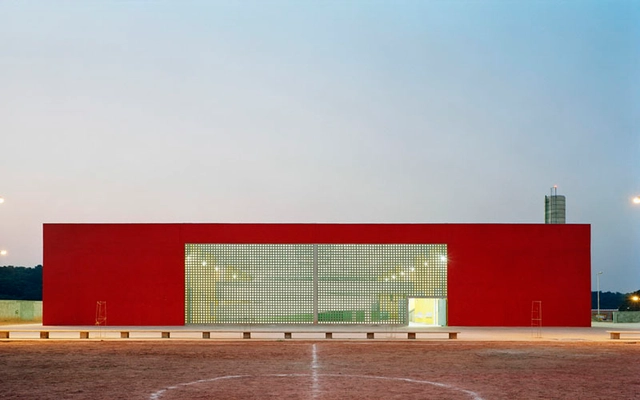
The recent budget cuts for federal universities have reignited a debate that deserves to remain permanently active: the quality of education in Brazil. The first edition of the Encontros de Arquitetura, organized by IABsp, set out to address this theme through the lens of architecture, bringing together four professionals with extensive experience in school design: Catherine Otondo, Marina Grinover (Base Urbana), Keila Costa (+K), and Pablo Hereñú (Hereñú & Ferroni Arquitetos).
.jpg?1563548779&format=webp&width=640&height=580)


Officially debuting the partnership between ArchDaily and Arquicast, episode #68 Interview: ArchDaily Brasil is now live. In this episode, three of the editors from the Brazilian platform—Pedro Vada, Eduardo Souza, and Matheus Pereira—share a behind-the-scenes look at what it is like to work for the world's most visited architecture and urbanism website. The challenges of adapting to a new kind of career in architecture, the speed of industry transformations, and the role of technology and collaboration are among the topics discussed in this casual and informative conversation, which can be accessed here!

The practice of the dérive is a subject that sparks great interest among urban scholars and professionals. The Situationists, a social critique movement founded in 1957, used this practice to propose new interpretations of the city based on individual lived experience. Jacopo Visconti, curator of the 34th Bienal de Artes de São Paulo, analyzed in his doctoral thesis artistic practices that incorporate the act of walking, seeking the characteristics that defined the Situationist practice of the dérive. Advised by Prof. Dr. Luis Antonio Jorge, Visconti defended his thesis in 2012, which was later published as a book by Martins Fontes. Read the thesis abstract below.

Brick is one of the most widely used materials in Colombia, helping local architecture stand out globally. This prominence is due to the exceptional quality of the clay found in several regions of the country. Beyond cladding the majority of the buildings that define Bogotá's urban landscape, the material is used in all its forms, from adobe to floor tiles in rural homes.

Since the beginning of the month, thousands of fire outbreaks have been recorded in Brazil's northern states, spreading through Acre, Rondônia, Mato Grosso, and Mato Grosso do Sul, and reaching the triple border of Brazil, Bolivia, and Paraguay. According to the National Institute for Space Research (INPE), the country is experiencing its worst wave of wildfires in five years.
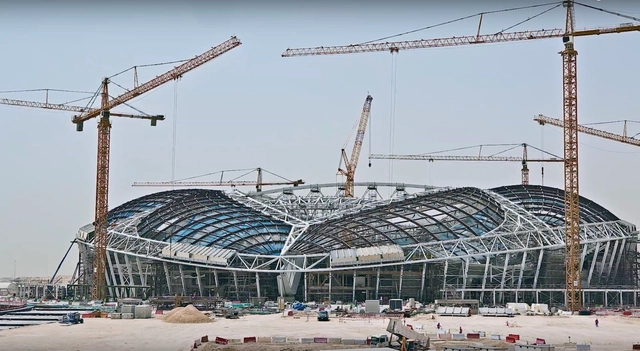

The year is 2010. As the first Arab country selected to host the 2022 FIFA World Cup, Qatar is already ramping up its preparations to host this highly anticipated and costly event 12 years down the line. Extensive construction and reconstruction efforts are being launched, targeting not only the facilities directly demanded by FIFA, but also, more broadly, the urban infrastructure systems of the country's major cities.

The search for the ideal city has always permeated human history, constituting a utopia pursued by rulers, artists, philosophers, and, in more recent history, by us, urban planners. Since the 19th century, various models of ideal cities have been proposed—and, at times, built—ranging from Howard's garden cities to mechanized, radial, and walking cities (like those of the Archigram group), to nomadic ones like Constant Nieuwenhuis's New Babylon, and modernist cities, among others.
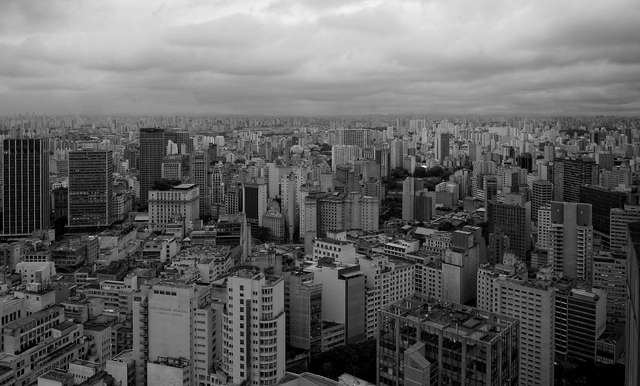
Proposed Constitutional Amendment No. 80/2019, a collective proposal led by Senator Flávio Bolsonaro, suffers from blatant unconstitutionalities, in addition to posing structural risks to economic and social development. These issues are analyzed in detail below, based on the following aspects:

Guilherme Essvein de Almeida's doctoral dissertation presents an analysis of two major works of contemporary architecture: the Casa da Música in Porto, designed by Rem Koolhaas, and the Cidade das Artes in Rio de Janeiro, designed by Christian de Portzamparc. Defended in 2018, the dissertation was advised by Prof. Dr. Carlos Eduardo Dias Comas as part of the graduate program at the Federal University of Rio Grande do Sul. Read the author's abstract and find the link to the full dissertation below.

Many of the most compelling design solutions stem from site conditions—whether climate, local materials and labor, construction techniques, or, above all, the way these factors are addressed within the highly specific context of the plot. The plot is the ultimate space for putting these strategies into practice. As cities increasingly feature smaller land parcels, designing for narrow lots has become a recurring reality.
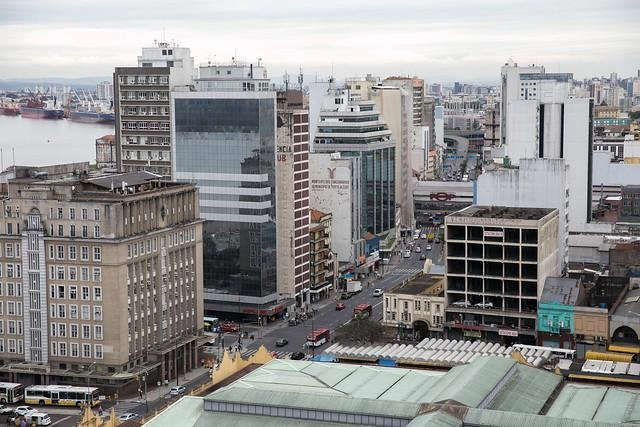
What images come to mind when we think of major Brazilian cities? Perhaps traffic jams, pollution, insecurity, and noise. Perhaps crowds of people coming and going. Pedestres. Bicycles. Buses. After all, eight out of ten Brazilians live in urban areas—regions that have undergone rapid urbanization. Over the last six decades, the country's population grew from 70.2 million to 209.3 million, and the proportion of urban dwellers surged from 44% to the current 85%.
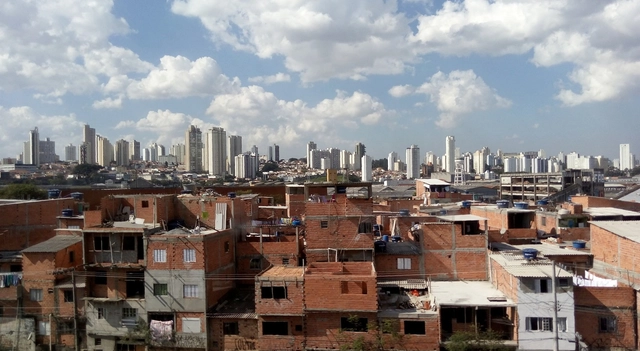
A person living in Moema, a neighborhood with one of the highest income concentrations in São Paulo, lives 20 years longer than someone born in Cidade Tiradentes, in the far east of the capital. Brazil's wealthiest city exposes just how unequal the country is, and how much access to public policies varies depending on where one lives.