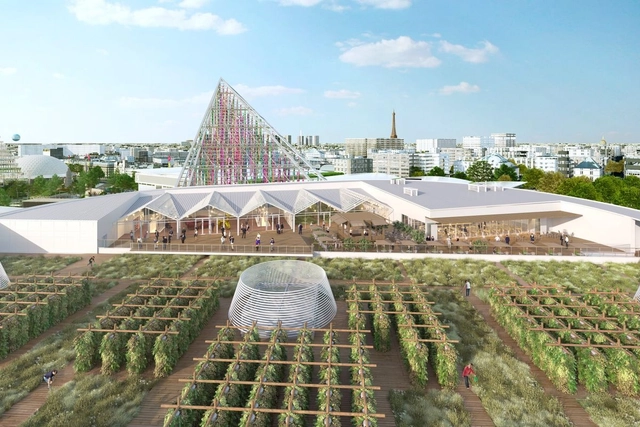
Visualization of the urban farm in Paris. Image courtesy of the developers
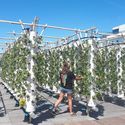
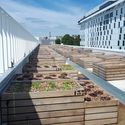
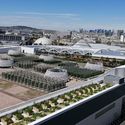
While modern metropolises have verticalized our way of life, creative solutions are continually emerging to reclaim and redefine urban space. Rooftops are already widely used for events and leisure, and now, growing plants and crops on them is becoming increasingly common. In Paris, a massive 14,000 m² urban farm has just opened on a building's rooftop. Although cultivation does not yet cover the entire area, once fully completed, it will be considered the largest in Europe and, perhaps, the world.
In architecture, when designing physical and tangible spaces, ephemeral and intangible aspects are essential considerations in the design process. One of the most important elements in this regard is natural light, which is crucial for ensuring comfort, quality of life, and health for its occupants.
The inequality that shapes our society is reflected in urban space. Consequently, fully experiencing the city is a reality for only a fraction of the population, challenging the notion of public space as a genuinely democratic realm.
This reflection underscores the urgent need to introduce proposals for more welcoming cities into contemporary architectural and urban planning debates.
São Paulo, Sociedade Anônima is a film with a complex and profound approach to São Paulo, crafted with a sensitive and distinct 1960s perspective by those who lived through a moment of urban and socioeconomic renewal in the metropolis. Capturing this unique social transformation, the film became a cinematic landmark of the era, tracing an intense relationship between character and urban space. It contains multiple layers of interpretation that dissect the meaning of the modern, the urban, the scenographic, and the architectural, using these concepts as tools to express a historical period lived and experienced by its population, capturing the transformations of both the city and its society.
Humans spend most of their lives inside buildings, whether to live, work, or play. COVID-19 further highlighted this issue during lockdown, underscoring the need to design healthier and more comfortable buildings.
This article presents several tips for designing healthier projects, highlighting the importance of a systemic approach that integrates diverse disciplines—including architecture, engineering, materials science, mechanics, physiology, and psychology.
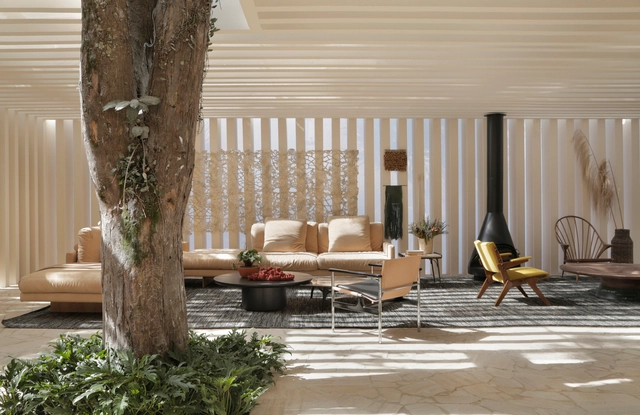
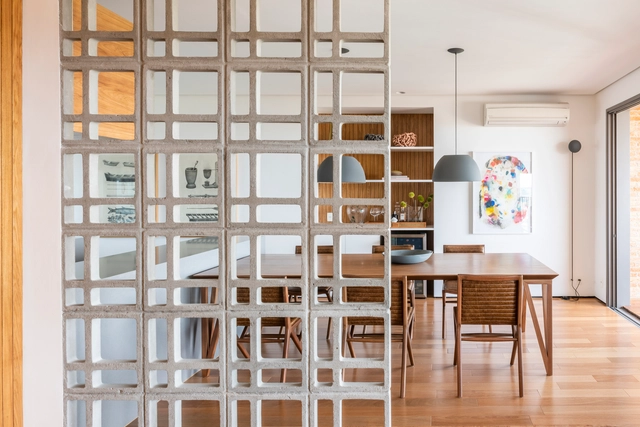
Hollow elements such as cobogós and mashrabiyas are commonly used to protect a building's interior spaces from direct solar radiation without blocking ventilation—a particularly favorable feature in predominantly tropical climates like Brazil. While their use in interiors is less common, in these cases, hollow elements offer flexibility in dividing indoor spaces without completely isolating them.
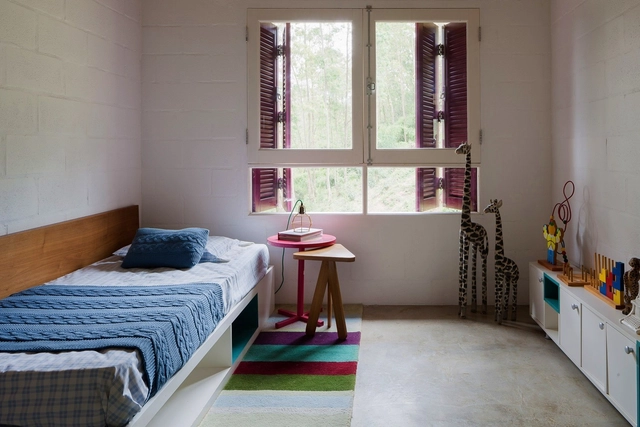
Many factors influence people's well-being, but few have power as great as the quality of sleep. Adults spend, on average, a third of their day (and their life) sleeping. In the case of young children, this proportion is even higher. According to a study published by the WHO in 2019, babies (4 to 11 months) should sleep between 12 and 16 hours/day; and children up to 4 years old should sleep between 10 and 13 hours/day.
Quality sleep acts directly on the child's brain development, especially during his first and second childhood (from birth to 12 years old). During the rest period, the body releases the hormones necessary for growth and learning, and this is directly related to physical, motor, emotional, and cognitive development. It is also known that the environment where one sleeps interferes with the quality of that sleep, and some important aspects must be considered when designing sleeping spaces for children and babies.
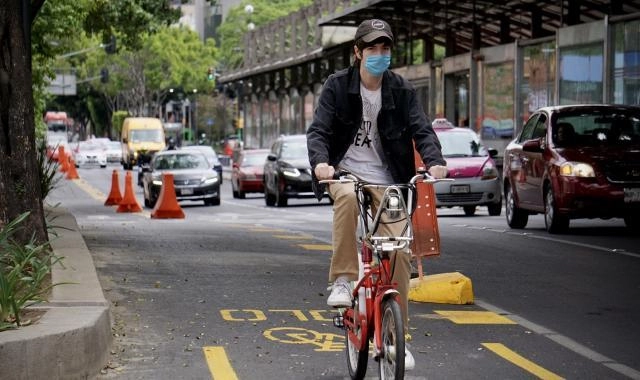
Mexico City implemented 40 km of temporary bike lanes on Insurgientes Avenue, one of the longest in the world. Photo: Manuel Solá Pacheco/SEMOVI
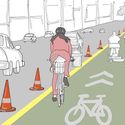
Cities have been implementing temporary bike lanes to enable safe commuting during the COVID-19 pandemic and prevent public transit users from switching to cars and motorcycles. Gradually, this practice is gaining ground across Latin America, including Brazil. This represents a golden opportunity to boost bicycle urban mobility—but to succeed, emergency interventions must incorporate road safety best practices.
https://www.archdaily.com/1124271/temporary-bike-lanes-the-response-of-five-cities-in-brazil-and-latin-america-to-covid-19Andressa Ribeiro e Fernando Corrêa
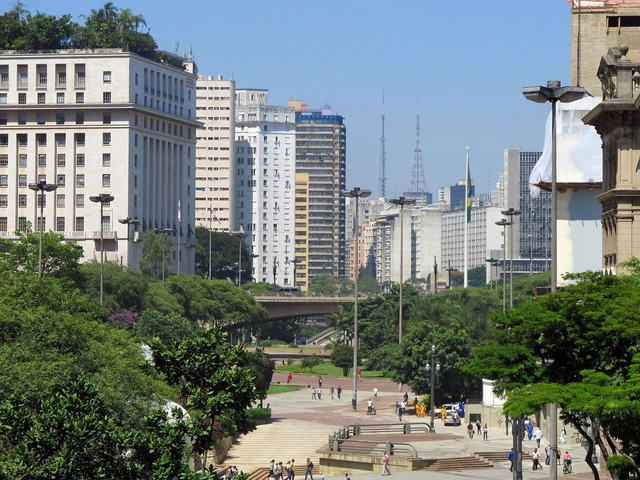
Vale do Anhangabaú. Photo: Diego3336, via Visual hunt / CC BY
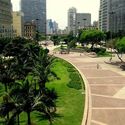
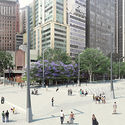
The Vale do Anhangabaú, or simply Anhangabaú, is the area of São Paulo that separates the so-called Centro Velho (Old Center) from the Centro Novo (New Center). True to its name, the Valley is the region bordering the stream of the same name—a somewhat ominous moniker that in Tupi-Guarani means “river or water of the evil spirit.” And indeed, judging by the various unsuccessful ways the space has been used over time, the “curse” embedded in its name seems to linger to this day.
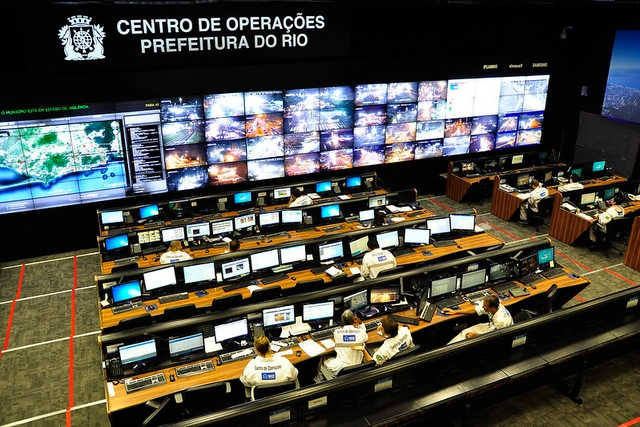
Rio de Janeiro City Hall Operations Center. Image: Mariana Gil/EMBARQ Brasil
The growing presence of Information and Communication Technologies, known as ICTs, in daily life is driving profound transformations in society, shaped by new forms of interaction based on the intensive production and use of information. In a society where information is an essential raw material, the term big data has taken center stage across corporate, governmental, and academic spheres. Big data inherently refers to the vast, varied, and fast-moving volumes of data constantly being generated.
This "Data Revolution" is certainly palpable in Brazilian cities. But how can it help us move toward a better understanding and planning of our urban areas? The opportunities opened up by big data for exploring innovative questions about urban phenomena and dynamics—especially those involving real-time analysis—are undeniable.
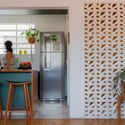
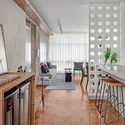
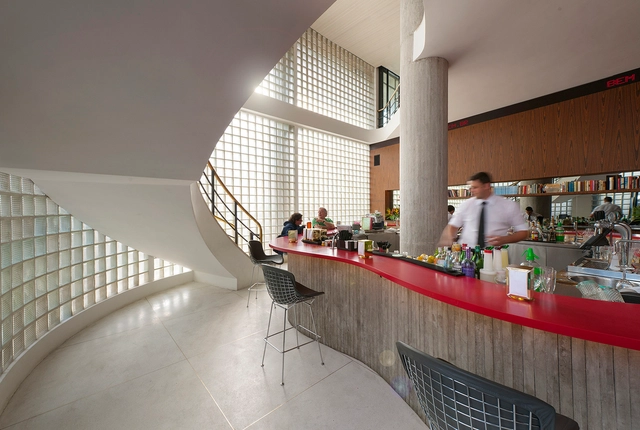
Associated with the architectural imagery of the 1980s, glass bricks—or blocks—are building elements whose sculptural potential has once again been recognized and revisited by contemporary design. First patented in 1907, this product was developed to meet the demand for light in building interiors; however, it is sought after today primarily for the visual effects produced by its translucency and texture. Currently, it is being used in diverse contexts, from bathrooms to residential partitions, and even entire facades of bars, stores, and restaurants.
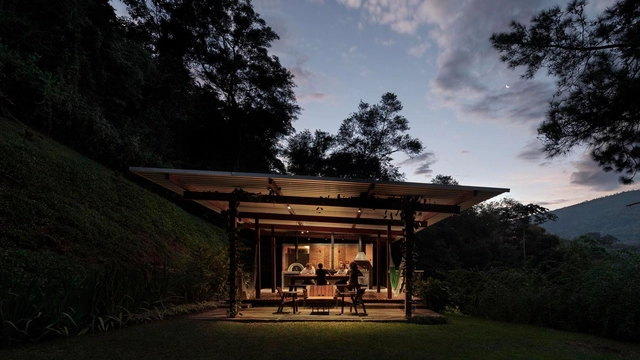
Across much of Brazil, the climate allows for the daily use of outdoor spaces. From the simplest backyards to backyard annexes equipped with barbecues and ovens, outdoor cooking is deeply rooted in the local culture. This practice has become even more prominent in light of the lessons learned from the pandemic, as open-air spaces tend to be safer. With this in mind, we have compiled twelve outdoor kitchens—or kitchens that open up completely to the outdoors—to provide design inspiration for this type of space.
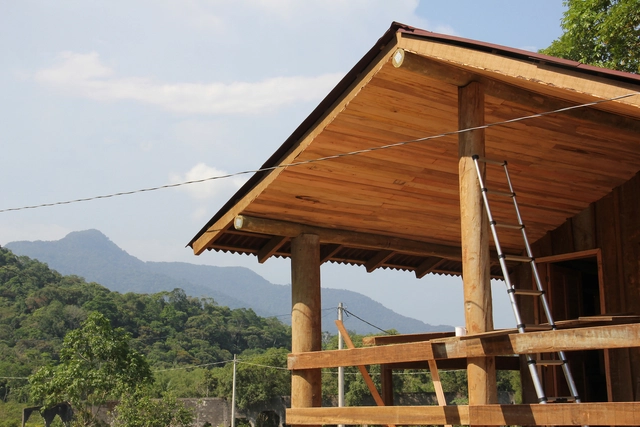
Between January and December 2018, addressing the housing demands of Indigenous communities, Grupo ][ Fresta initiated a technical architectural consulting project for the Guarani and Tupi ethnic communities located in the state of São Paulo, in the municipalities of São Paulo, São Bernardo do Campo, Mongaguá, Praia Grande, and Itanhaém.
This work was developed within the framework of a Basic Environmental Plan (PBA), a prerequisite for the environmental licensing of developments located in Indigenous territories.
Architecture is one of the most beautiful professions—there is an undeniable romance in building the spaces where human beings dwell. It is also one of the oldest: if considered as an activity that organizes space, some form of architectural thinking can be identified dating back at least hundreds of thousands of years. Its beauty, however, is partially eclipsed by widespread frustration within the professional field in Brazil. A general lack of awareness regarding its importance to society, difficulty securing contracts, fierce competition, scarce opportunities in public projects, low-paying jobs, and a willingness to work without fees all contribute to the precarious state of architecture and urban planning.
A city is a shared space where individuals seek to realize their desires and goals. Streets, sidewalks, and public spaces foster encounters and connections among diverse groups, strengthening the sense of community. Urban mobility plays a fundamental role in the social and economic development of cities, particularly in citizens' quality of life. It is not just about transportation, but about how people move through the city, impacting the time and energy expended by residents, as well as migration, communication, the formation of personal social networks, traffic flows, housing, health, and the spatial distribution of diverse points of interest. According to Ole B. Jensen, “contemporary cities and places are defined by mobility and their flows.”
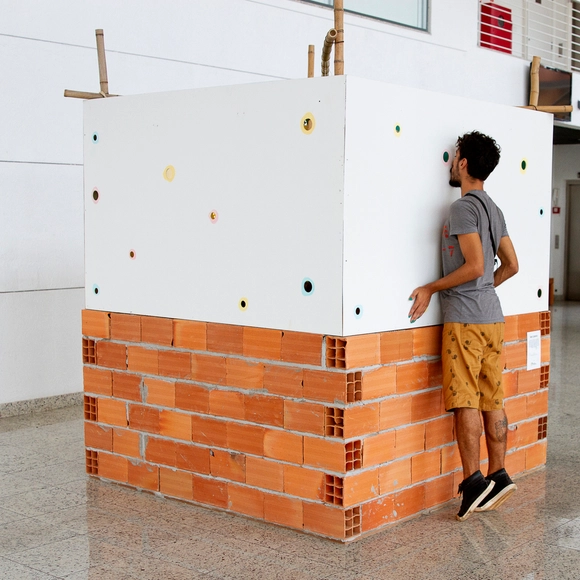
“WHERE DO WE FIND OURSELVES?” is the title of the installation produced by Estúdio Mangava for feverestival 2020 (Campinas International Theater Festival). It was exhibited during the second week of February, about a month before we went into quarantine. The festival's organizers challenged the studio to represent the edition's theme through an interactive installation, which aimed to reaffirm its present, revisit the past, and project the future: what do we want to build from here? What do we want to reinvent? What kind of world project are we seeking? What are our desirable futures?
Through the Contemporary Culture and Reality Seminar course—then coordinated by Professor José Guilherme Pereira, together with Baque Cidade and the Carmen Portinho Feminist Collective—Escola da Cidade welcomed Mestra Joana Cavalcante, from Nação do Maracatu Encanto do Pina, for a discussion on what Maracatu is and how, in its local territories—with the city of Recife (PE) serving as an emblematic case—it resists as a social organization while exposing issues such as racism, sexism, real estate speculation, and socio-spatial segregation.
https://www.archdaily.com/1124225/maracatu-culture-and-space-mestra-joana-discusses-black-culture-in-the-urban-dynamics-of-recifeEscola da Cidade
In Mexico, the practice of self-construction remains a divisive topic within the architectural community, with proponents both for and against a practice that is highly conventional and widespread throughout the country. However, though far from a consensus among construction professionals, autonomous building processes are an undeniable reality driven by economic, cultural, and social conditions—a phenomenon that knows no borders. With this in mind, over the last few years, architects have launched a series of initiatives aimed at developing and providing informative materials, support guides, and manuals for self-construction, addressing safety and well-being, and ultimately bringing to light a practice that is increasingly difficult to ignore.
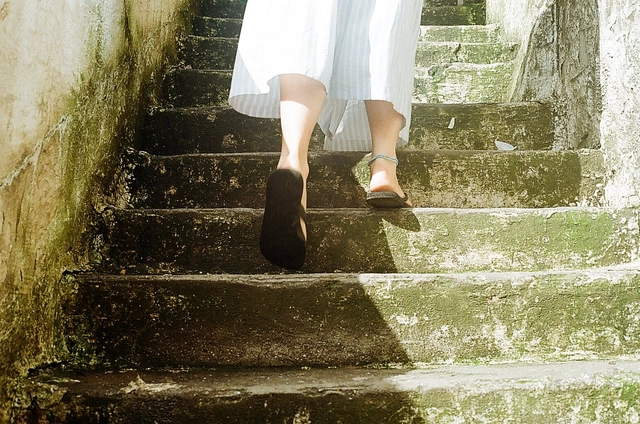
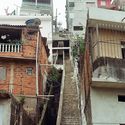
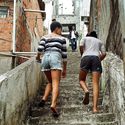
Steps, analog photo, 2018 | Canon 50mm | own production
When considering the history of occupation in the city of São Paulo and the pursuit of a universal, democratic urban planning, understanding the role and movement of women in the urban context—particularly on the city's periphery—becomes essential. Here, we look at the Jardim Damasceno neighborhood and its spaces in motion—the stairways—to understand how these bodies express themselves in this context, their actions and transformations, and how gender is perceived by them.
The composition of interior spaces is essential to human well-being. During the Covid-19 pandemic, this topic gained even greater prominence, as the design of indoor environments—beyond being aesthetically pleasing—can also help prevent disease and directly influence how we feel.
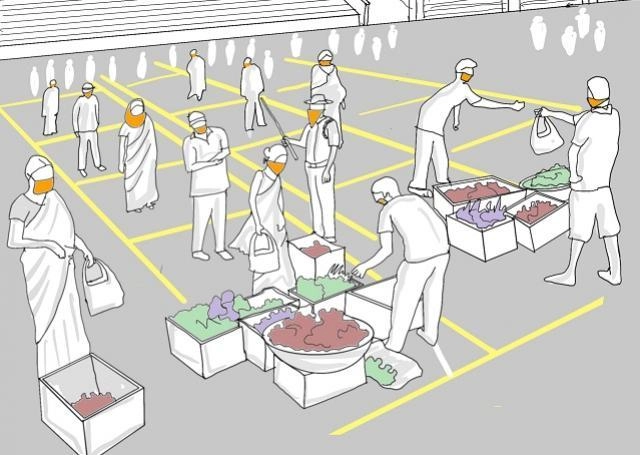
A temporary Rythu bazaar in Visakhapatnam, India. Illustration: Rajeev Malagi/WRI
When was the last time you walked through a market without being conscious of people walking nearby, or took a stroll in your neighborhood park without worrying about the hygiene of your surroundings?
The COVID-19 pandemic brought the world to a standstill. Even though residents in many places have already spent long periods locked down at home, we are still adapting to this new normal, working to reshape how we interact with others and with outdoor public spaces.
Cortesia de PC3 - Pensamento Crítico e Cidade Contemporânea
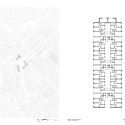
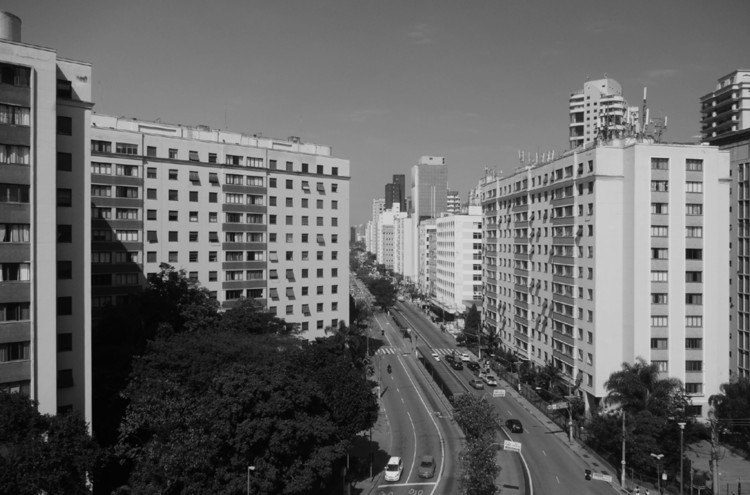
Located at the intersection of Nove de Julho and São Gabriel (formerly Flora) avenues and Groelândia Street, between the neighborhoods of Jardim América and Itaim-Bibi, this complex, with its three twelve-story buildings, became a prominent landmark on one of the most important corridors connecting downtown São Paulo to the city's southern zone.
https://www.archdaily.com/1123638/verticalization-and-spatial-quality-in-collective-housing-9-de-julho-residential-complexPC3 - Pensamento Crítico e Cidade Contemporânea
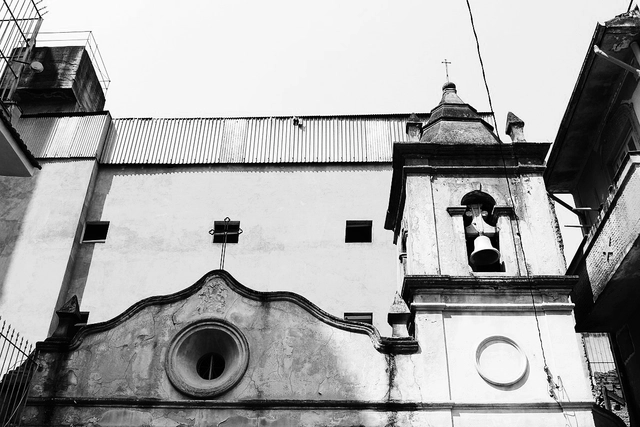
Aflitos Chapel. Via Wikimedia Commons. Creative Commons License
The 2018 discovery of nine skeletal remains in São Paulo's current Liberdade neighborhood brought to light physical evidence of the city's first public necropolis, the Cemitério dos Aflitos (Cemetery of the Afflicted), also known as the Cemitério dos Enforcados (Cemetery of the Hanged). According to municipal archival documents, between 1775 and 1858, the cemetery was primarily the final resting place for the marginalized: enslaved Black men and women, the poor, the destitute, and those condemned to the gallows. While the Cemitério dos Aflitos was a scattered territory of those cast out of São Paulo society, the Irmandade do Rosário (Sisterhood of the Rosary), founded in 1720, was established as a demarcated Black territory in the city, where enslaved, freed, and free people lived together, held funerals, celebrated festivals, and practiced religious devotions, "when this segment of São Paulo's population would burst onto the streets together, with their characteristic attire, adornments, and sounds" (WISSENBACH, 1988: 206-7).

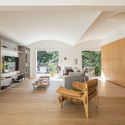


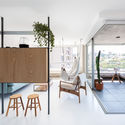




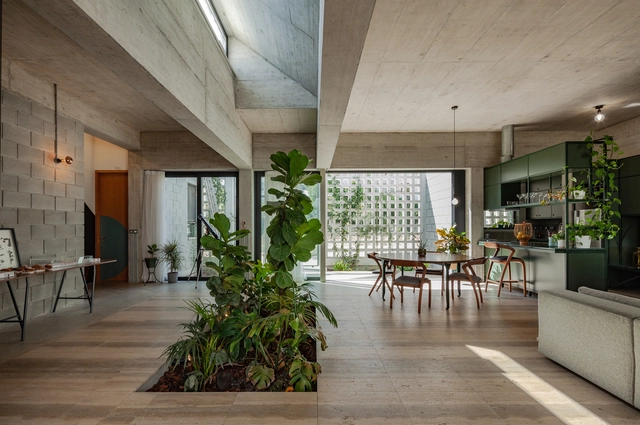


.jpg?1598540198 "Villa Deca / Studio Guilherme Torres. Image © Denilson Machado – MCA Estúdio")








.jpg?1599230293 "© Otávio Sasseron")