This guide shows how to use a D5 Render a free live-sync plugin to improve SketchUp workflow.
Articles
How to improve rendering workflow on SketchUp
| Sponsored Content
https://www.archdaily.comhttps://www.archdaily.com/catalog/us/products/32369/how-to-improve-rendering-workflow-on-sketchup-d5-render
Balsa Crosetto Piazzi Designs Prefabricated Rural Bathrooms in Córdoba
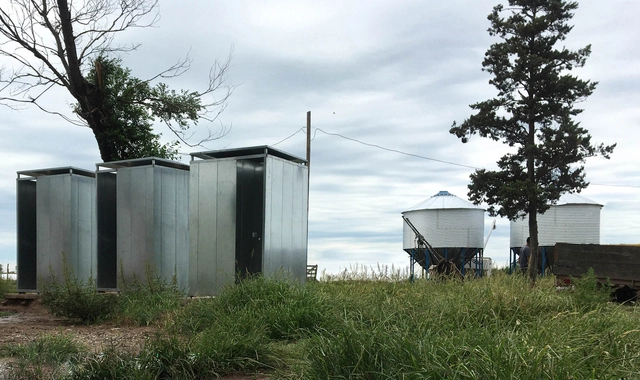
Reflecting on landscape, typology, and technology, the architecture firm Balsa Crosetto Piazzi designed this shared bathroom module for dairy farmers living a few kilometers outside the town of Ausonia in the province of Córdoba, Argentina.
https://www.archdaily.com/1136180/balsa-crosetto-piazzi-designs-prefabricated-rural-bathrooms-in-cordobaAgustina Iñiguez
Resilience in San Juan, Argentina: The Collective Work of Latin American Students for ELEA 2023
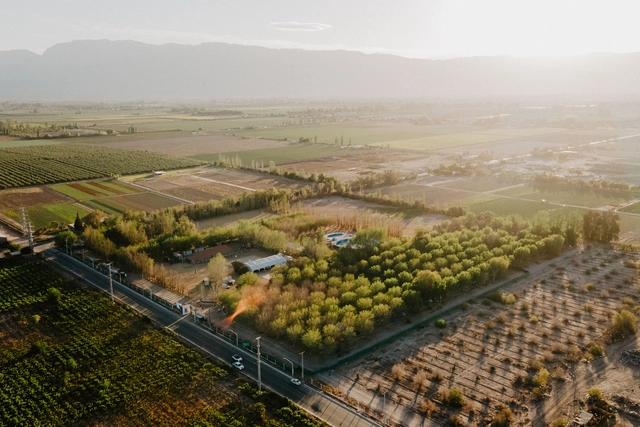
Through talks, anecdotes, gatherings, and visits, the 28th edition of the Latin American Encounter of Students of Architecture (ELEA), held in San Juan, Argentina, set out to address diverse themes surrounding resilience, new technologies, the circular economy, and sustainability, aiming to foster a shared community of ideas, knowledge, and experiences through collaborative, participatory work.

https://www.archdaily.com/1136049/resilience-in-san-juan-argentina-the-collective-work-of-latin-american-students-for-elea-2023Agustina Iñiguez
Fernanda Canales presents "A HOUSE FOR MORE" with a collaborative installation by Pablo Kobayashi
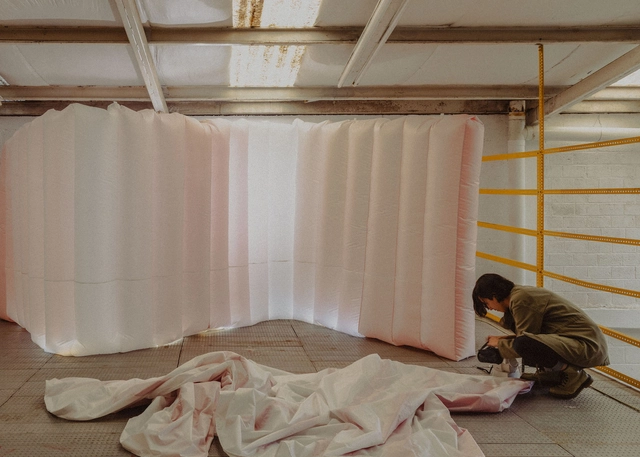
Throughout her career as an architect, Fernanda Canales has shown a specific interest in studying the housing phenomenon in Mexico. This focus is reflected in her various research projects and publications, which aim to address this issue on a global scale. As she explains regarding this project: "With millions of vacant homes in the world and millions of people without housing, architecture has the potential to offer alternatives to segregation: it can undoubtedly offer more, for more people." In this vein, Canales presents "A HOUSE FOR MORE," a workshop and installation at the VDL House designed to question underutilized residential spaces and integrate diverse collective programs into the places we inhabit.
https://www.archdaily.com/1136276/fernanda-canales-presents-a-house-for-more-with-a-collaborative-installation-by-pablo-kobayashiMónica Arellano
"The City Without Walls" at the Guatemala Architecture Biennale 2023: public spaces as the lungs of the city
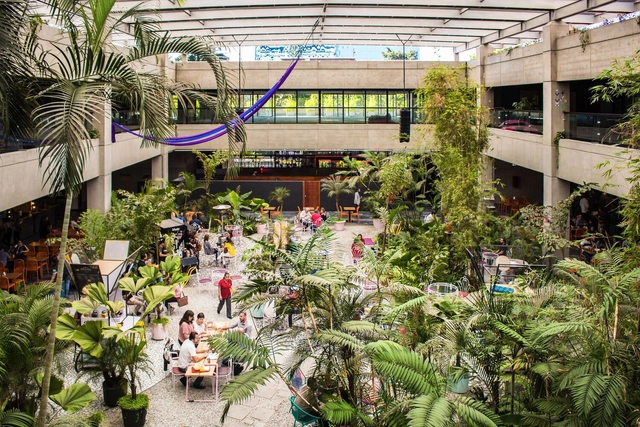
The 2023 Guatemala Architecture Biennial brings to the forefront the need to build a city without walls, integrating public spaces that foster a sense of belonging, unity, and identity. In this interview, the Biennial's general coordinator, Esteban Borjes Castillo, discusses the significance of this year's edition.
https://www.archdaily.com/1136475/the-city-without-walls-at-the-guatemala-architecture-biennale-2023-public-spaces-as-the-lungs-of-the-cityRene Submissions
“If we were at the center of the problem, now we can be at the center of the solutions”: Pedro Gadanho on the Generation Proxima exhibition_
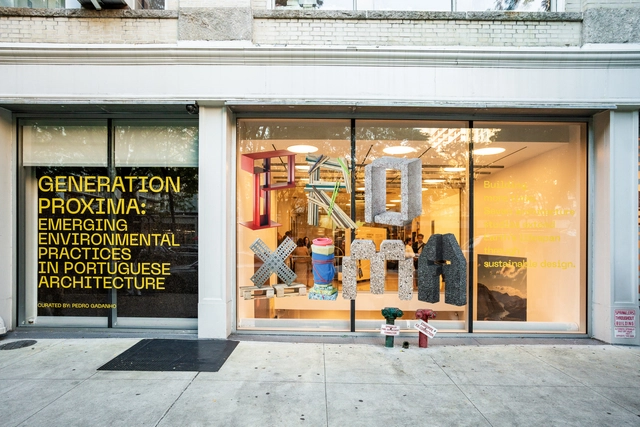
No País dos Arquitectos is a podcast created by Sara Nunes, who also runs the architectural film production company Building Pictures. The podcast aims to profile the professionals, projects, and stories behind landmark contemporary Portuguese architecture. With just over 10 million inhabitants, Portugal is a highly compelling country within this professional field, and its architectural output far exceeds what its population and territorial scale would suggest.
In this episode of the sixth season, Sara talks with architect and curator Pedro Gadanho about the exhibition Generation Proxima: Emerging Environmental Practices in Portuguese Architecture. Listen to the conversation and read part of the interview below.
https://www.archdaily.com/1136368/if-we-were-at-the-center-of-the-problem-now-we-can-be-at-the-center-of-the-solutions-pedro-gadanho-on-the-generation-proxima-exhibitionRomullo Baratto
The best graduation projects of 2023. Submit yours!
After at least five years of countless sketches, drawings, models, readings, and calculations, the time comes for Architecture and Urbanism students to present their final graduation projects—often referred to as TCC, TFG, or Final Graduation Projects. In choosing their topics, students highlight architectural, urban, or theoretical projects. Beyond demonstrating readiness for graduation, these works play a crucial role in sparking debate about the future of our cities, the built environment, urban infrastructure, mobility, and many other fundamental topics regarding how we inhabit space.
https://www.archdaily.com/1136454/the-best-graduation-projects-of-2023-submit-yoursArchDaily Team
How the Netherlands Became the Land of Bicycles
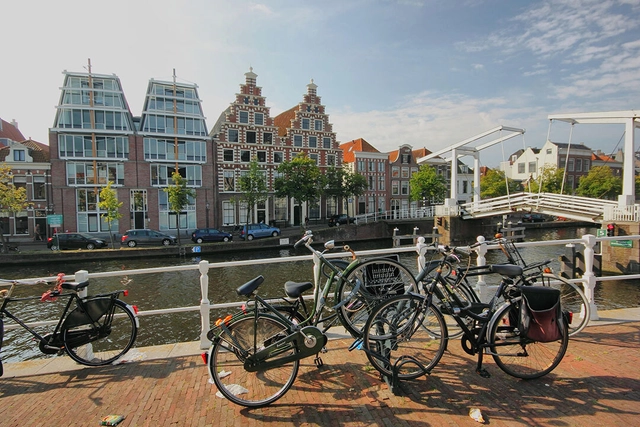
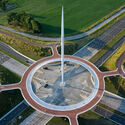
The Netherlands, colloquially referred to as Holland, is synonymous with its bicycles, an iconic element of the country's urban landscape. The integration of cyclists and motor vehicles often surprises visitors.
The Dutch connection to bicycles is clear in the statistics: in 2021, 84% of the Dutch population used bicycles daily. In Amsterdam, this figure reaches around 63%, demonstrating a strong preference for the vehicle. In contrast, only 7% of Brazilians choose the bicycle as their primary mode of transportation.



https://www.archdaily.com/1136113/how-the-netherlands-became-the-land-of-bicyclesJúlia Bersan
8 ephemeral installations in historic courtyards in the city of Puebla reflect on water
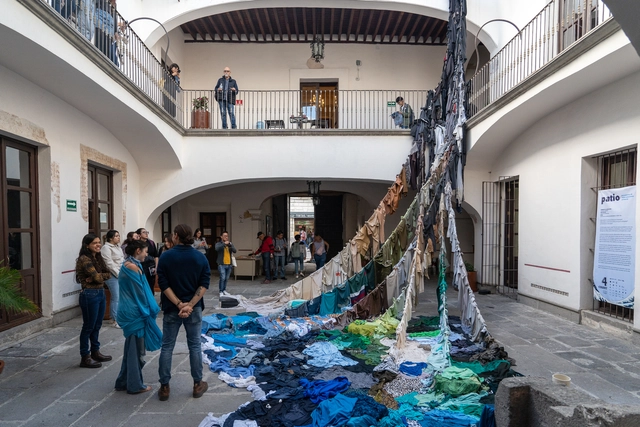
As part of an initiative by a group of young people who make up Patio Efímero, early in 2023 the open call was launched for the "Patio 4 Competition: Meeting of Ephemeral Interventions" in collaboration with the National System of Art Creators of the Federal Ministry of Culture, CREST EVOCA, El Parral Departamentos, and the Management of the Historic Center and Cultural Heritage of the Municipality of Puebla. The invitation was extended to plastic, graphic, visual, and multidisciplinary artists, as well as established and emerging architects, to participate in the fourth edition of Patio Efímero.
https://www.archdaily.com/1136174/8-ephemeral-installations-in-historic-courtyards-in-the-city-of-puebla-reflect-on-waterEquipo Patio
UN-Habitat project with children aims to strengthen communities in border cities
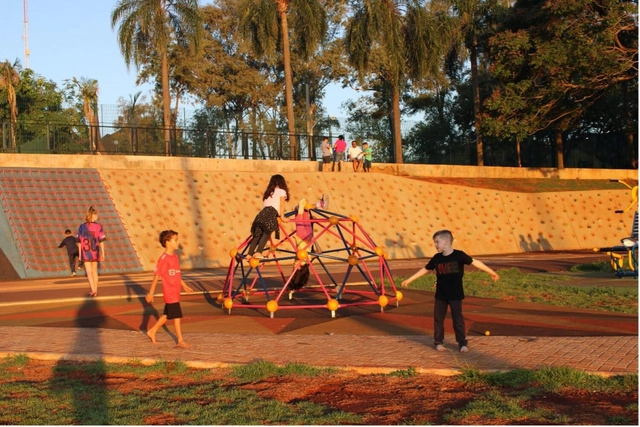
UN-Habitat, the United Nations Human Settlements Programme, is tasked with addressing housing and sustainable urban development issues worldwide. It plays a key role in tackling global urban challenges, working to improve quality of life, confront issues like rapid urbanization and housing shortages, and promote urban planning practices that are more socially inclusive and environmentally responsible. In 2022, it launched the project "Urban Connections - Public Space Planning for Inclusive Communities," a major initiative of the organization aimed at strengthening local governments through participatory urban planning and public space design.

https://www.archdaily.com/1136408/un-habitat-project-with-children-aims-to-strengthen-communities-in-border-citiesAdele Belitardo
Mastering the Art of Construction: Learning from Masons
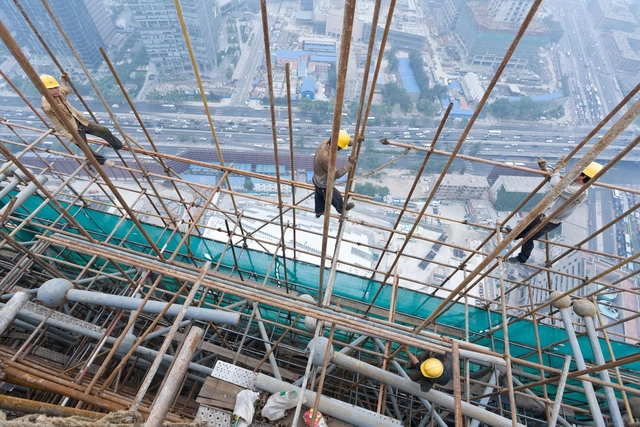
Bricklayers, foremen, steel fixers, carpenters, plumbers, painters, electricians, and welders. A wide range of professionals is required to erect a building and bring the designs of architects and engineers to life. Essential to ensuring the quality of every project, these roles are honored today, October 26th, on Construction Worker Day. To mark the occasion, we highlight the wisdom of these professionals and how they share their expertise with the public—both professionals and laypeople—through video tutorials that offer a deeper understanding of the construction site, the materials and equipment used, the various techniques available, and how to approach building.
https://www.archdaily.com/1136289/mastering-the-art-of-construction-learning-from-masonsArchDaily Team
Matter, Clay, and Construction: The Use of Ceramic Brick in Chilean Architecture
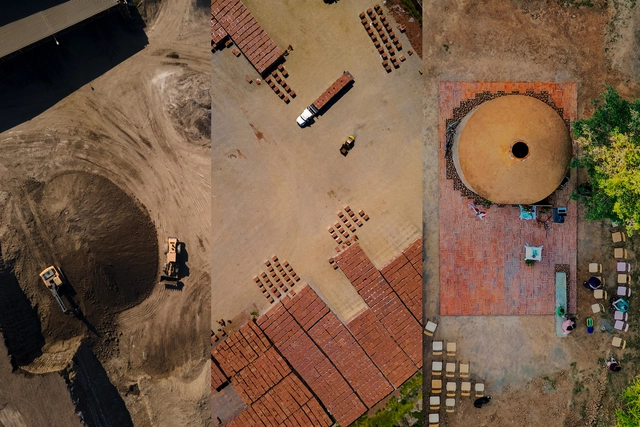
Although construction is primarily based on technical principles, which at first glance seem to follow only pre-established designs and specifications, there is a deeper dimension related to the nature and essence of the materials used. These materials do not only perform a utilitarian function; they also transcend their mere purpose, evoking the notion put forward by Pablo Neruda: "There is a rigor in materials that limits excessive whim and the struggle to infuse them with humanity."
Among the range of existing materials, there is perhaps none as universal as brick. Its versatility and aesthetic honesty have made it a widely used resource in the construction of diverse spaces worldwide. Within Chilean architecture, the broad possibilities this material offers have been highlighted, having been exceptionally utilized by numerous architects. Furthermore, it has gained renewed relevance in architectural discourse, as exemplified by the book "Arcilla. Materia y Obra en Arquitectura." This is reflected throughout the history of Cerámica Santiago and its joint collaboration with the Faculty of Architecture and Art at UDD to promote the Brick Architecture Prize.
https://www.archdaily.com/1136376/matter-clay-and-construction-the-use-of-ceramic-brick-in-chilean-architectureEnrique Tovar
Fiber Cement Solutions: Versatility in Housing Construction
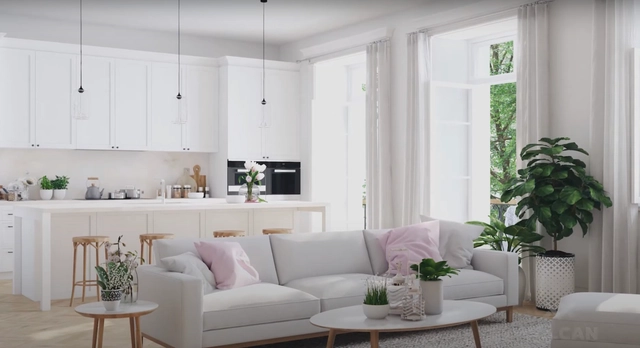
Designing and constructing homes is a complex process involving a variety of factors. Within this process, considering the various design elements is essential—including underlayments, ceilings, partitions, claddings, structures, and facades—alongside selecting the right materials for each. This choice must align with user preferences as well as indoor and outdoor conditions, prioritizing durability, energy efficiency, and aesthetics.
To simplify the design process, Volcan develops Volcanboard fiber cement building solutions for different construction elements. Available in a variety of thicknesses to adapt to various applications, these fiber cement boards stand out for their fire and moisture resistance, as well as their long-term durability and versatility. Below, we explore various applications of Volcanboard in residential design.
https://www.archdaily.com/1136349/fiber-cement-solutions-versatility-in-housing-constructionCamila Prieto
ISAD presents a pavilion as part of its Taller del Desierto 2023 initiative in Chihuahua
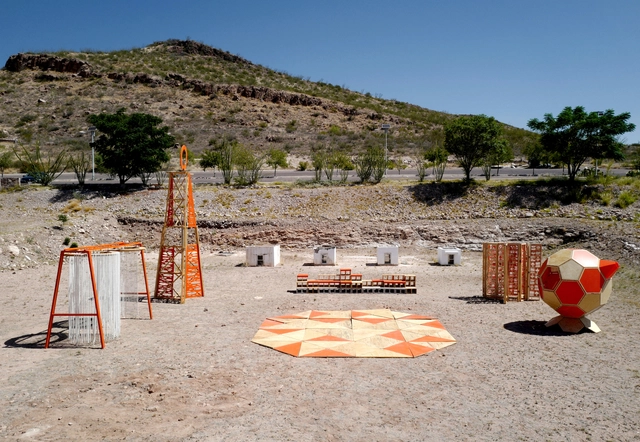
As part of an initiative by the ISAD School of Architecture and Design in Chihuahua, the Taller del Desierto (Desert Workshop) has been running for several years, fostering various projects to stimulate student learning. For this edition, a pavilion was built, conceived as an assembly of pieces with a theatrical narrative. This pavilion was created as a collaboration between ISAD and Teatro Bárbaro, a local independent cultural forum led by Luis Bizarro. Consequently, the pavilion was designed to serve as a traveling venue for performances created or adapted specifically for this space, which consists of pieces designed during the four-week summer workshop in 2023.
https://www.archdaily.com/1136285/isad-presents-a-pavilion-as-part-of-its-taller-del-desierto-2023-initiative-in-chihuahuaMónica Arellano
Curiosities and myths of Mexico City's most iconic buildings
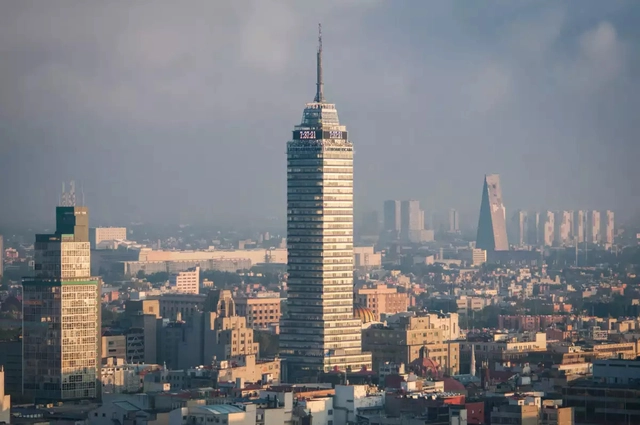
Amid the bustle and majesty of Mexico City, the iconic buildings that adorn its skyline boast not only imposing architecture, but also stories and secrets that spark curiosity. During this month dedicated to architecture, we bring you some of the curiosities and myths surrounding CDMX's buildings, which serve as the pillars of multiple narratives.
https://www.archdaily.com/1136185/curiosities-and-myths-of-mexico-citys-most-iconic-buildingsMaria Fernanda Carmona
Timber Ceilings: Lightweight, Sustainable, and Aesthetic Solutions
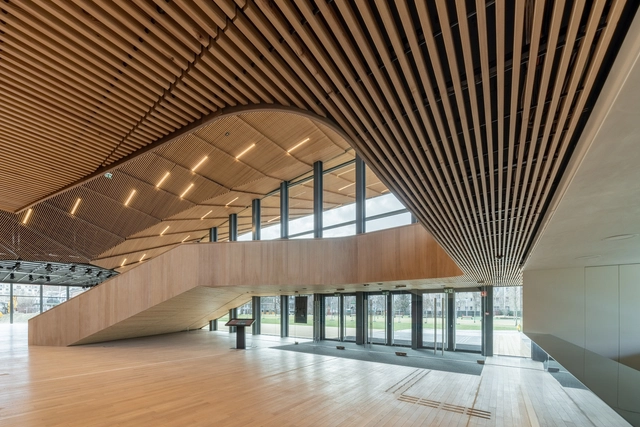
Through the incorporation of various elements, interior design creates comprehensive spaces that blend functionality and aesthetics. Among these components, suspended ceilings are a solution that integrates finishes suspended from the main structure. While adapting to a wide range of styles through a diversity of materials, colors, and textures, suspended ceilings also address acoustic needs, contribute to thermal insulation, and integrate lighting systems.
Among its solutions for interior applications, Hunter Douglas combines aesthetics, comfort, and sustainability to develop the WoodLines suspended ceiling line. Integrating innovation with natural materials, the manufacturing process continuously bonds a natural wood veneer to a roll-formed metal profile. As a result, linear ceilings composed of continuous slats are obtained, combining the functionality of a metal ceiling with the warmth and aesthetic appeal of natural wood.
https://www.archdaily.com/1136212/timber-ceilings-lightweight-sustainable-and-aesthetic-solutionsCamila Prieto
Curitiba Selected as a Model City in UN Project
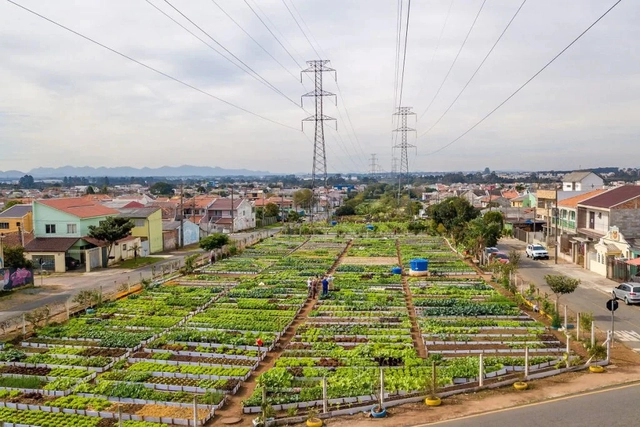
Curitiba has implemented several initiatives to strengthen biodiversity and enhance the quality of vegetation in its urban landscape. Consequently, the capital of Paraná, alongside 18 other cities worldwide, has been selected to participate in UNEP's (United Nations Environment Programme) Generation Restoration project.
https://www.archdaily.com/1136301/curitiba-selected-as-a-model-city-in-un-projectMarcia Sousa
Architecture, Design, and Environment: a degree program in Uruguay that goes beyond the map and the territory
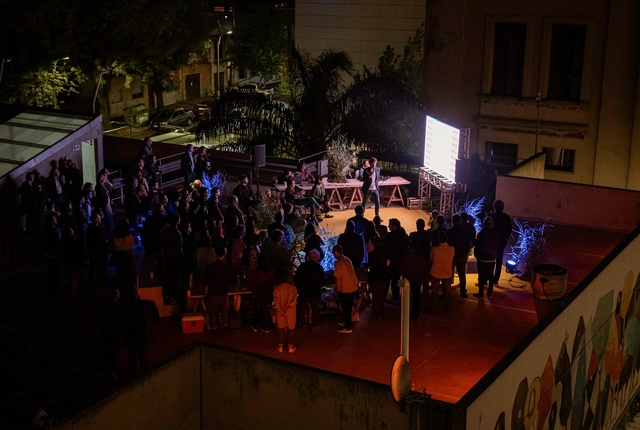
With its sights set on the future, in 2024, the Universidad Católica del Uruguay is adding the Architecture, Design, and Environment program to its academic offerings. Felipe Reyno, PhD in Architecture and director of this new degree program, reflects on the need to train architects with a contemporary, contextual, diverse, critical, and collaborative perspective.
https://www.archdaily.com/1136296/architecture-design-and-environment-a-degree-program-in-uruguay-that-goes-beyond-the-map-and-the-territoryRene Submissions
What the world can still do to keep global warming below 1.5°C

When it comes to climate change, the headlines can sometimes seem contradictory. One day, we read about catastrophic wildfires wreaking havoc across the globe; the next, we see an optimistic article about the rapid rise of solar and wind energy. Taken together, these narratives can make it difficult to grasp the big picture of climate action. Are countries actually implementing effective solutions if greenhouse gas (GHG) emissions continue to rise? In which areas has the world made enough progress to overcome the climate crisis, and where are the gaps? What specific measures are needed to get us on the right track?
https://www.archdaily.com/1136114/what-the-world-can-still-do-to-keep-global-warming-below-degrees-cWRI Brasil
Eladio Dieste and the art of designing structures
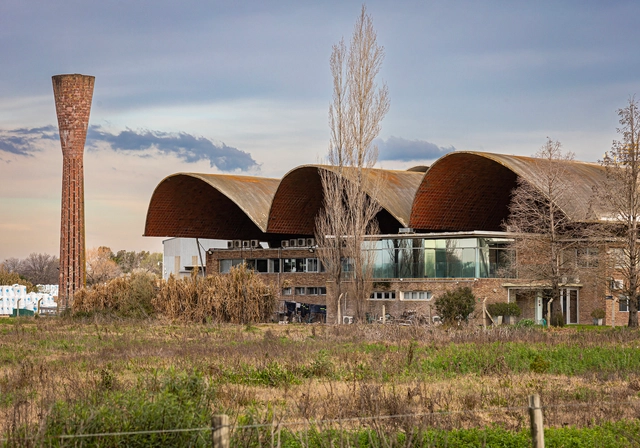
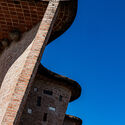
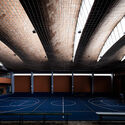
Far beyond the technical knowledge of his engineering background, Eladio Dieste (1917-2000) developed a rare architectural sensibility. He was a pioneer and master of reinforced masonry—essentially a relatively thin "shell" system in which ceramic blocks are compressed, steel bars are tensioned, and concrete binds the assembly together. Structural strength is enhanced through the design of complex spatial geometries that respond precisely to applied loads, thereby minimizing material use. This allows large spans and cantilevers to be achieved, while elegantly transferring loads to the ground.



https://www.archdaily.com/1136271/eladio-dieste-and-the-art-of-designing-structuresEron Costin
Six in ten Brazilians fear heavy rain forecasts, survey shows
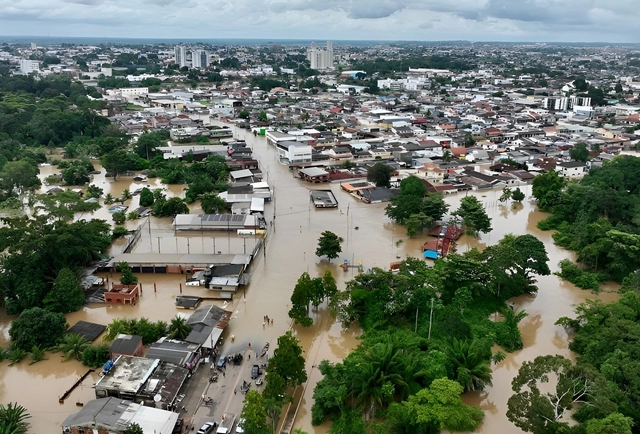
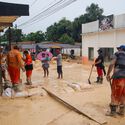
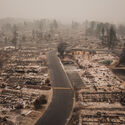
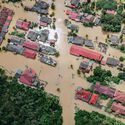
When heavy rains are forecast for their areas, 64% of Brazilians feel afraid. For 76% of those surveyed, cities are unprepared to face heavy rains, storms, or flooding. The data comes from a first-of-its-kind survey conducted by the Boticário Group Foundation for Nature Protection, in cooperation with UNESCO in Brazil, and with support from the National Association of Municipalities and the Environment (ANAMMA) and the Urban Bioconnection Alliance. The full results of the study will be presented on December 2 during the 28th UN Climate Change Conference, COP28, taking place in Dubai, United Arab Emirates.


https://www.archdaily.com/1136258/six-in-ten-brazilians-fear-heavy-rain-forecasts-survey-showsArchDaily Team
Six Women Architects from the Middle East and Asia to Know
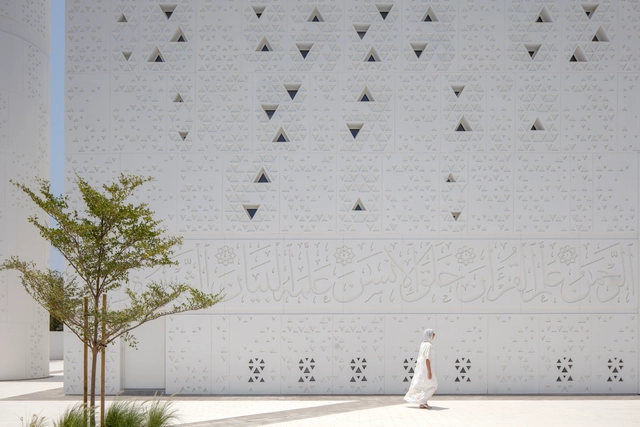
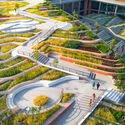
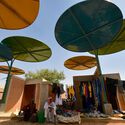
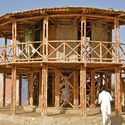
There are and have always been inspiring women architects, urban planners, and policymakers. However, worldwide, the built environment professions—and their upper echelons in particular—remain heavily male-dominated, more so than other fields like education or healthcare.
Today, 64% of architecture graduates in Brazil are women. In engineering, there has been a 42% increase in women registered with CREA since 2016. Yet, how is this reflected in Brazilian society? Globally, progress is even slower: only 40% of architects are women, with very few in leadership roles.

https://www.archdaily.com/1136350/six-women-architects-from-the-middle-east-and-asia-to-knowMarília Matoso
Brazil's cycling network presents a scenario of inequality and inefficiency
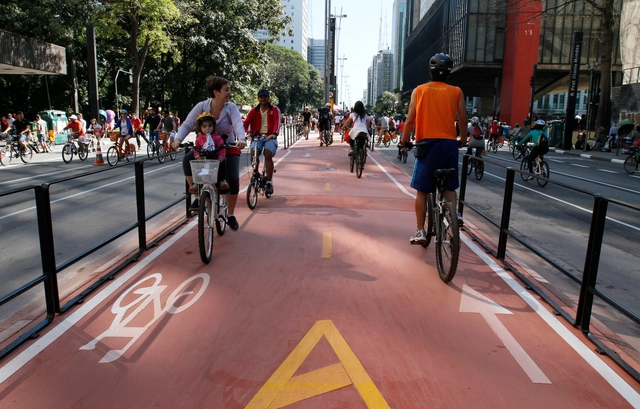
The study titled Prioritize Active Transportation by Bicycle!, published by the Center for Metropolitan Studies (CEM)—a research center at the Faculty of Philosophy, Languages and Literature, and Human Sciences (FFLCH) of the University of São Paulo—presents an analytical planning tool for São Paulo's cycling network, comparing the current scenario with future planning through the lens of inequality.
Journalist Flávio Soares, a master's student at USP's Polytechnic School (Poli), a member of the CEM research team, and one of the paper's authors, explains the key factors analyzed for the construction of bike lanes and cycle tracks in cities.
https://www.archdaily.com/1136466/brazils-cycling-network-presents-a-scenario-of-inequality-and-inefficiencyFelipe Bueno
Understand why Rio de Janeiro needs safer streets
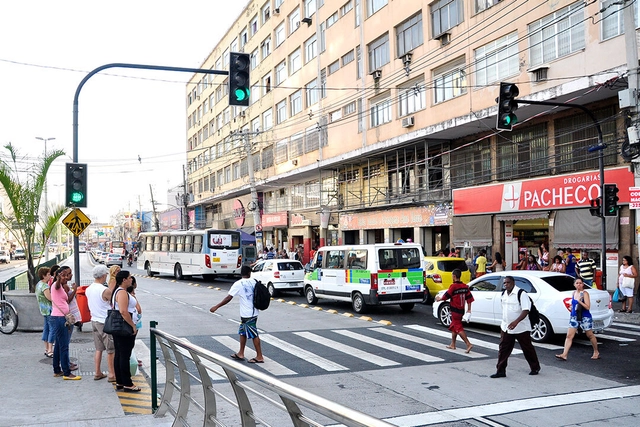
On the 6th, Rio de Janeiro Mayor Eduardo Paes requested CET-Rio, the municipal traffic management agency in the capital, to adjust the speed limits along the waterfront roads. This measure is of paramount importance given that, according to City Hall, more than 600 people lost their lives in traffic crashes in Rio last year, with over 60% resulting from pedestrians being struck by vehicles.
https://www.archdaily.com/1136075/understand-why-rio-de-janeiro-needs-safer-streetsITDP Brasil
Street Support Points Program: Promoting Care and Hygiene for the Homeless Population

In an effort to bolster public care and personal hygiene services for the unhoused population, the Ministry of Human Rights and Citizenship (MDHC) has established the Street Support Points Program (PAR). The initiative aims to provide public spaces and facilities managed in partnership with civil society organizations.
https://www.archdaily.com/1136316/street-support-points-program-promoting-care-and-hygiene-for-the-homeless-populationArchDaily Team