"I Book on Sundays" is hosted by Carmelo of Enorme Studio, delving into forgotten architectural publications, books, and architecture magazines from the '60s, '70s, and '80s that harbor the most fascinating stories.
Following a hiatus in 2022, the series returned with Episode 19, titled “Always Young”, telling the story of Ettore Sottsass Jr., and "No One Is a Prophet in Their Own Land", a tribute to the late master of architecture, Ricardo Bofill. Now, he brings us "Only the Best Products Go to the Museum", the first part of a two-part episode dedicated to the American "architects" of SITE—James Wines, Alison Sky, and Michelle Stone—and how they elevated BEST showrooms to the pinnacle of art.
Initiated by Patio Efímero—a collective of young creatives—the open call for the "Patio 3 Competition: Encounter of Ephemeral Interventions" was launched in early 2022. Organized in collaboration with the National System of Art Creators of the Federal Ministry of Culture, the Puebla State Ministry of Culture, Museos Puebla, the Municipal Institute of Art and Culture of Puebla, the Municipal Ministry of Economy and Tourism of Puebla, and the Historic Center and Cultural Heritage Management Office of the Municipality of Puebla, the call invited established and emerging graphic, visual, and multidisciplinary artists, as well as architects, to participate in the third edition of Patio Efímero.
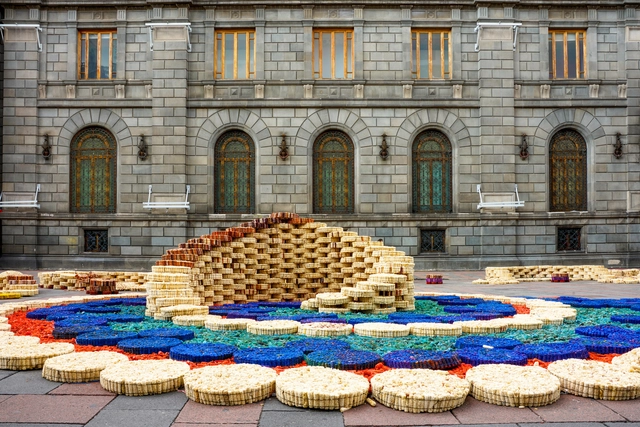
“La Olotera” Autores: Alfombristas Mexicanos. Image Cortesía de Mextrópoli
For the eighth time, the MEXTRÓPOLI Architecture and City Festival held the Arquine No. 24 | MEXTRÓPOLI 2022 Pavilion competition, a platform where architecture, urban planning, and art meet to contemplate and celebrate Mexico City. The event also aims to engage citizens by occupying public space with architectural installations that can be activated by visitors. Celebrating public spaces or offering a fresh perspective on everyday routes is the driving force behind MEXTRÓPOLI’s exhibition of these ephemeral architectural installations.
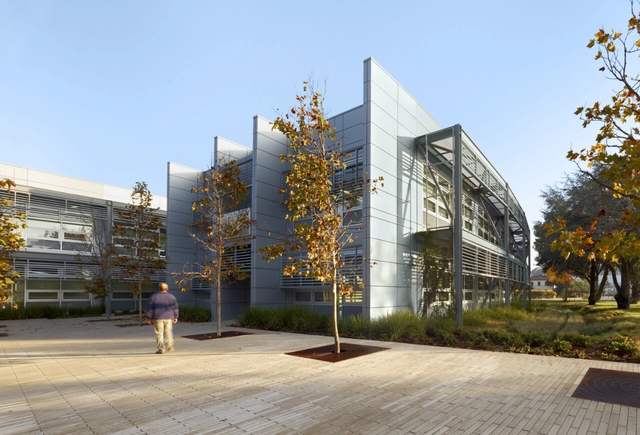
NASA Sustainability Base / William McDonough + Partners and AECOM. Courtesy of William McDonough + Partners
The term “cradle to cradle” was coined by American architect William McDonough and German chemical engineer Michael Braungart in their manifesto-book Cradle to Cradle: Remaking the Way We Make Things, published in 2002. This theory is not merely architectural; rather, it applies to any product, promoting a biological approach to manufacturing in which components are considered nutrients in a “healthy metabolism.”
What are the stories of the first Ibero-American women architects? This is the central question we seek to answer in celebration of this month's ArchDaily topic: Women in Architecture.
In seeking to present their motivations, inspirations, and career paths, we conducted research to bring visibility and recognition to several figures who have historically been overlooked. Meet Doris Clark Núñez, Guadalupe Ibarra, Matilde Ucelay Maórtua, Filandia Pizzul, Dora Riedel, Luz Amorocho, María Luisa Dehesa, Arinda da Cruz Sobral, and Julia Guarino below.
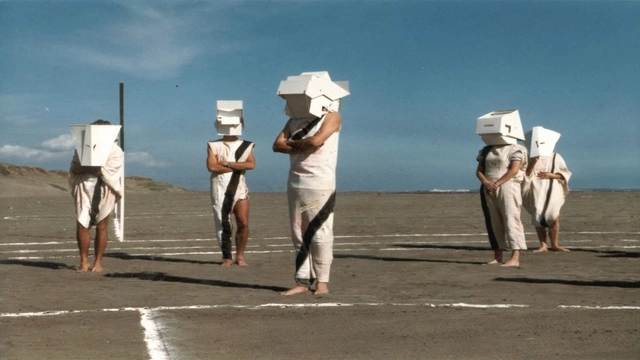
'Ciudad Abierta de Amereida' de Andrés Tapia Urzúa, presentado en ediciones anteriores de ArqFilmFest . Image Cortesía de Arqfilmfest
To celebrate the first decade of ArqFilmFest, Santiago Architecture Film Festival, various members of its community—including architects, cultural managers, film critics, academics, among otherprofessionals—were invited to answer the question: What do we talk about when we talk about film and architecture?
Journalist and film critic Christian Ramírez responds with "Filmed Space, Inhabited Space," reflecting on the relationship between the recorded and the built; architect Martin Schmidt Radic presents "Reflections of the Future," addressing projections over time; and sociologist and cultural manager Julia Ramos responds with "10 Years of Narrating the City," exploring the importance of fostering exchange between film and architecture. Read the full columns below.
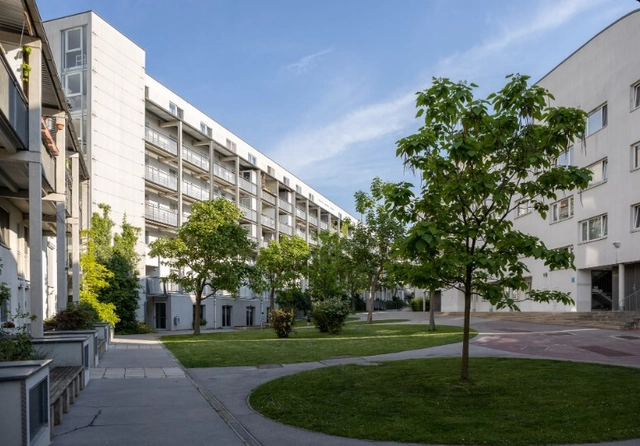
Frauen-Werk-Stadt. Image by Dieter Henkel under license CC BY-NC-SA 4.0.
Eight teams led exclusively by women were invited to participate in an urban design competition to redesign the Austrian capital in 1993. Organized by urban planner and trained engineer Eva Kail, the competition brief restricted male participation—a decision justified by data showing that, in recent years, every single urban project, whether selected through competition or direct commission, had been led by men.
https://www.archdaily.com/1132384/urbanism-from-a-gender-perspective-eva-kail-and-the-design-competition-for-viennaBárbara Ghisleni e Camilla Ghisleni
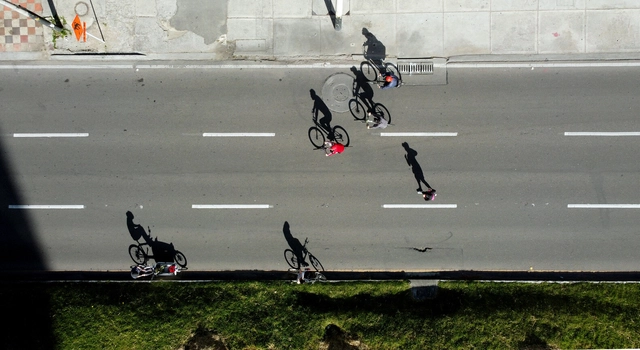
It is clear that cities worldwide must make concerted efforts to encourage more people to choose sustainable modes of transportation—such as walking, cycling, and public transit—over cars and motorcycles. But what drives us to choose one mode of transport over another? What factors lie behind our choices? Are they, in fact, conscious decisions or merely "automatic habits"? Understanding this process is an important step toward promoting sustainable mobility.
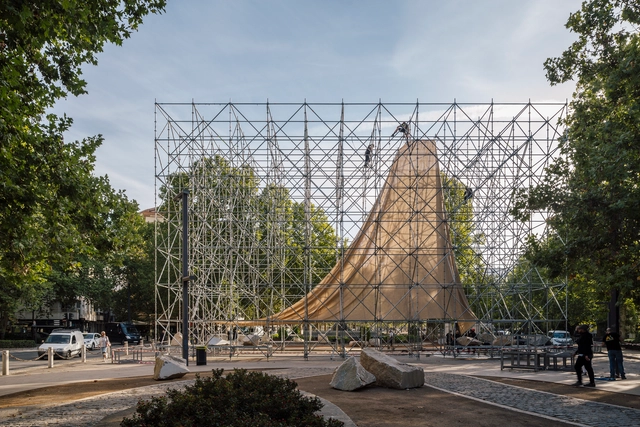
On October 14, the first edition of the TAC! Urban Architecture Festival will begin. This year, the festival will be held in the city of Granada and will run until November 14. The opening of the event will be marked by the inauguration of the temporary pavilion “AIRE,” the winning project of the open call, located in Plaza del Humilladero and designed by P + S Estudio de Arquitectura.
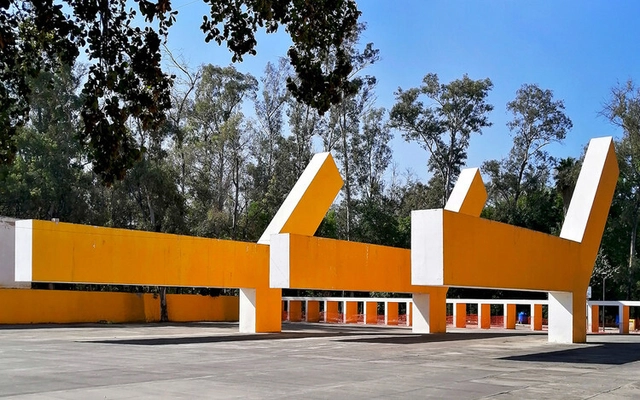
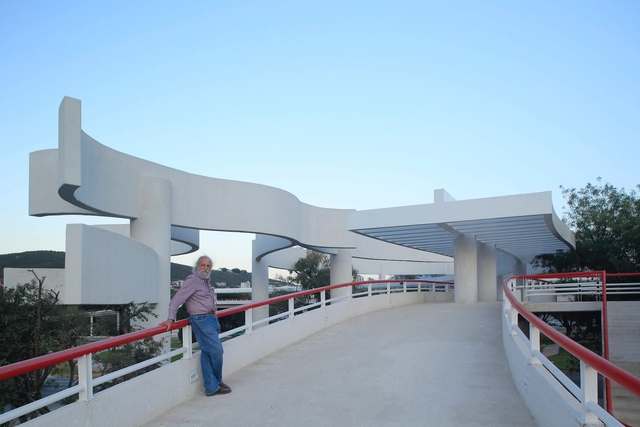
Today, October 7, 2022, news of the passing of Mexican architect Fernando González Gortázar was announced on social media. Born in Mexico City, he spent most of his life in Guadalajara, where he earned his degree in 1966 and developed a keen interest in sculpture through workshops with master Olivier Seguin.
The lack of a consistent or coherent parking policy creates car-dominated environments that harm everyone. Image: Rodrigo Capote/WRI Brasil
In recent years, several extreme weather events around the world have devastated cities, including those in Brazil. In 2022, heavy rains battered the mountainous region of Rio de Janeiro, especially the city of Petrópolis, which recorded 250 landslides in a single day.
A similar situation occurred in Pernambuco, where above-average rainfall triggered landslides. In late 2021, in the state of Bahia, severe storms pushed at least 72 municipalities into a state of emergency. As in previous cases, these disasters caused casualties and left numerous families displaced. Globally, the situation is no different, even if the specific hazards vary.
https://www.archdaily.com/1132284/equity-on-the-streets-begins-with-parking-reformITDP Brasil
It was a close call, but the first round of the presidential election was unfortunately not enough to determine the country's next political leader. As a result, candidates Luiz Inácio Lula da Silva, of the Workers' Party, and Jair Bolsonaro, of the Liberal Party, will once again face the popular vote on October 30.
The next President will have, among many other responsibilities, the task of providing federal support for the development of Brazilian cities — home to approximately 87% of the country's population. To contribute to the debate and, if such a task falls to ArchDaily, help undecided voters make up their minds, we have compiled below the proposals of both presidential candidates for the future of cities, according to their respective government plans, covering topics such as housing, infrastructure, transportation, culture, sustainability, environment, and energy.
https://www.archdaily.com/1132132/what-lula-and-bolsonaro-say-about-cities-housing-sustainability-and-the-environmentArchDaily Team
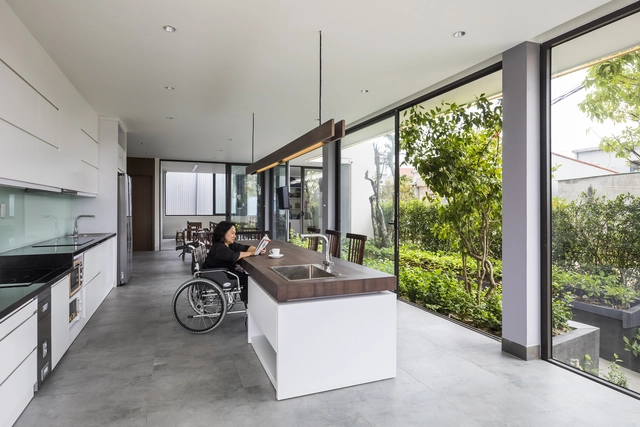
Over 13 million Brazilians live with a physical disability. Data from the Ministry of Health indicates that roughly 6% of the population has some form of compromised mobility and overall coordination due to the complete or partial impairment of one or more body segments. Designing more inclusive environments is key to eliminating architectural barriers, ensuring the integration of this entire demographic into social and cultural activities. During the month of the National Day of Persons with Physical Disabilities, we aim to combat prejudice and present universal design alternatives as a tool for change for architecture and urban planning professionals.
https://www.archdaily.com/1132138/designing-for-people-with-physical-disabilities-for-more-inclusive-and-accessible-spacesArchDaily Team
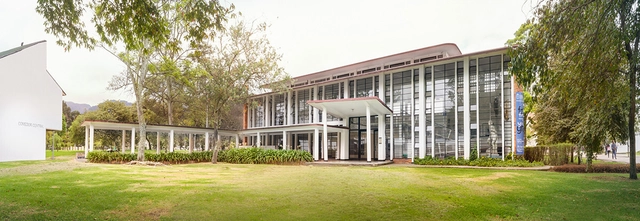
University Cities constituted the most powerful architectural and urban action during the period of progressive Latin American governments. Despite North American influences, which pioneered the concept of the campus [1], projects in Latin America emerged in different contexts and took highly unique directions. Because of the scale and complexity of these complexes, for instance, they required several decades to complete. This extended timeline allowed multiple generations of architects to participate, infusing their architecture with diversity. Another characteristic feature in Latin America is the close relationship between University City projects and developmentalist governments—as noted by Gorelik (2005)—which invested in public policies during periods of economic prosperity.
https://www.archdaily.com/1132578/from-diagram-to-project-the-university-city-of-the-national-university-of-colombiaMaria Julia de Castro Herklotz
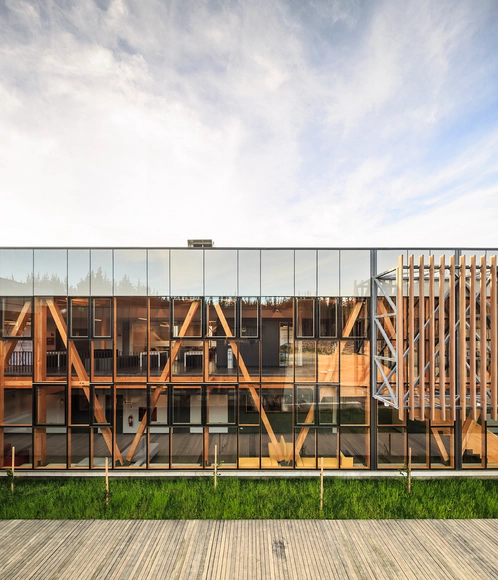
The search for technological innovations that promote passive strategies has become key to advancing energy efficiency in architecture. Low-E technology emerges as a new concept in glass, providing the material with thermal control capabilities. What does this new technology entail? The Low-E concept refers to low-emissivity glass—meaning glass whose surface emits a smaller proportion of thermal radiation at a given temperature. This feature increases its insulation capacity, thereby reducing the amount of heat lost through it.
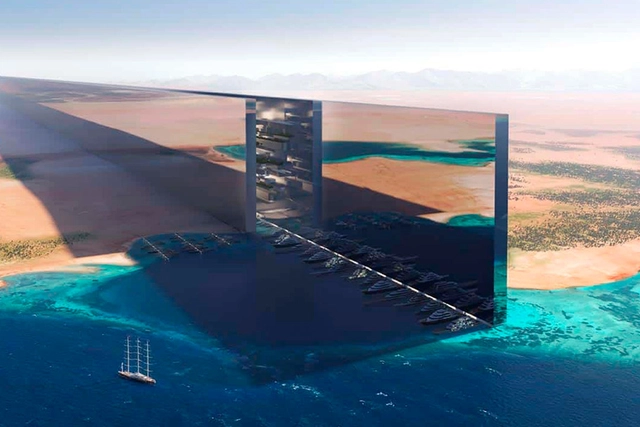
In recent months, the internet has been flooded with videos of the Middle East's new futuristic wonder: Neom, or The Line, a planned city commissioned by the Saudi Arabian government to rival its neighbors, Dubai and Abu Dhabi. As Henry Grabar writes, the city is a collection of buzzwords like "smart city," "net-zero carbon," and "15-minute city." In a world where images go viral faster than cities can actually be built, these concepts serve as powerful marketing tools. Yet, so far, no explanation has been offered as to how they will actually be implemented.
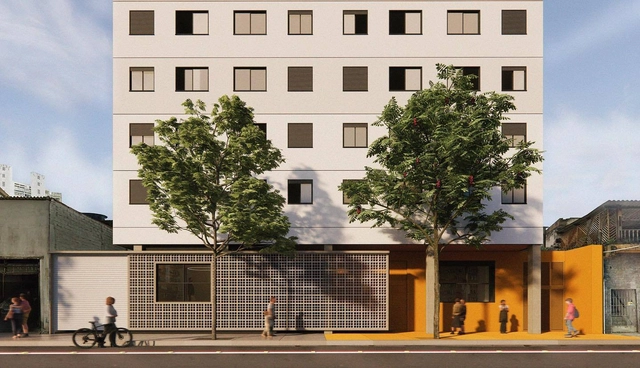
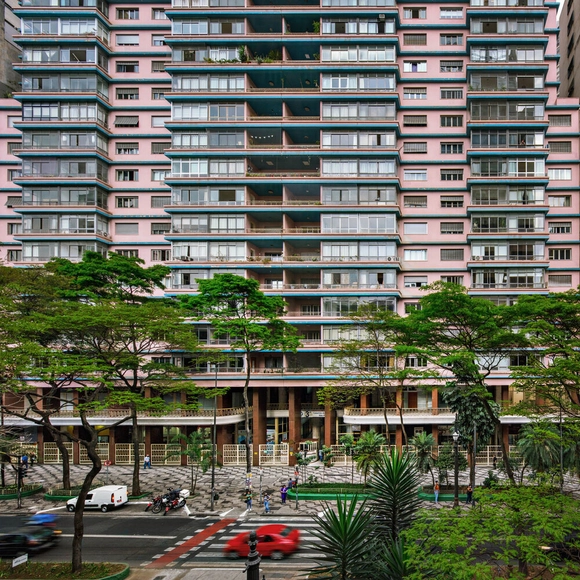
Soma Building, designed by Andrade Morettin. Image: Courtesy of Andrade Morettin
Downtown areas in major cities are targeted by various public and private agents. Usually boasting comprehensive urban infrastructure, these central districts concentrate multiple layers of complexity: from a significant number of vacant properties to phenomena like gentrification, which drives up the local cost of living and pushes low-income residents to far-flung neighborhoods, creating a host of municipal issues.
https://www.archdaily.com/1132245/new-affordable-housing-models-in-downtown-sao-pauloArchDaily Team
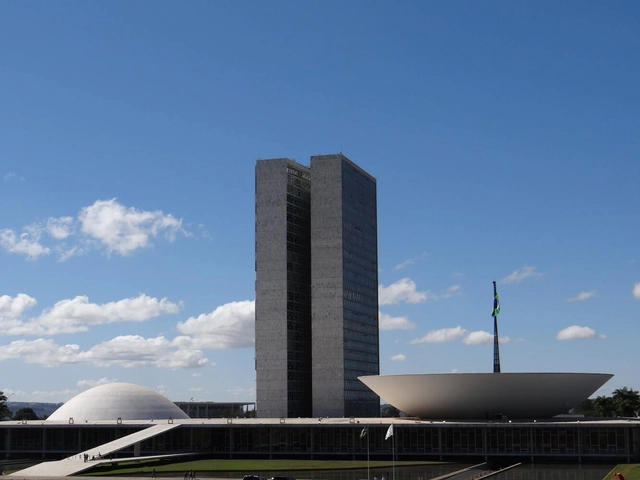
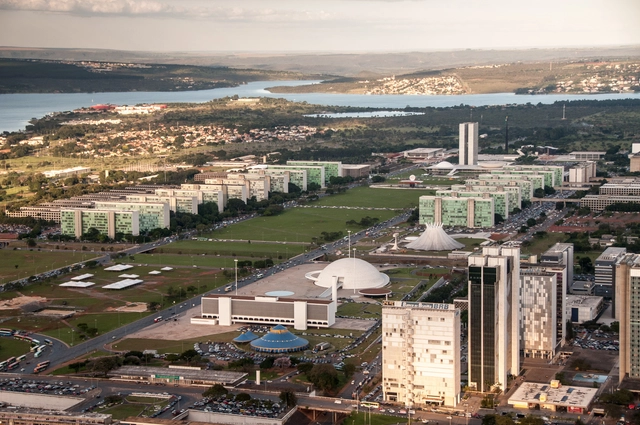
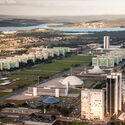
The city of Brasília, inaugurated in April 1960, is perhaps one of the greatest milestones of how architecture, urbanism, and national politics intertwine. The result of Juscelino Kubitschek's government program, which promised "50 years of progress in 5," the city stands as a testament to modernism, revealing political strategies of the era such as heavy investment in the automotive industry and the widespread use of reinforced concrete. While Brasília is a milestone in global architecture, its very existence stems from political and economic strategies implemented by the government in the late 1950s. With the 2022 elections fast approaching, it is crucial for us, as a professional field, to understand how our profession is impacted by the presidency and what we can demand from the executive branch.
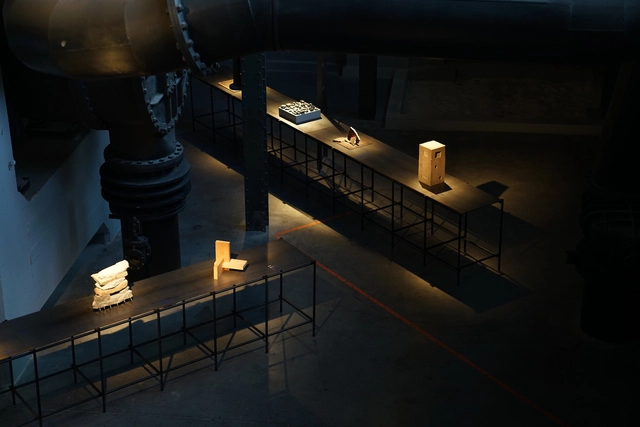
As part of an initiative to recognize the architecture of northern Mexico, the exhibition “Levantamiento. Prácticas de arquitectura del Norte” is on display at the Nave Generadores in the Centro de las Artes (Fundidora Park) in Monterrey, Nuevo León, through November 13, 2022. The venue brings together the work of some of the region's most prominent architects. Curated by Brenda Fernández and Edgar Castro, the project is an invitation to establish a shared platform to disseminate, discuss, and foster new creative discourses in Mexico.
Bretagne, Louvre, Viadutos, Planalto. These are just some of the projects designed by Artacho Jurado, a controversial figure in São Paulo's architectural scene. With a particular focus on decorative elements, the self-taught architect was highly criticized by the professional establishment at the time, yet embraced by the public. Today, his work continues to garner increasing attention as a vision that reached beyond the modern canon, and his buildings have become symbols of São Paulo's urban landscape. Exploring his architecture, the exhibition Artacho Jurado, architect?, curated by Abilio Guerra, is on view at Chácara Lane, Museu da Cidade de São Paulo, through April 2022.
https://www.archdaily.com/1131986/artacho-jurado-architectArchDaily Team
Within the framework of the 36th edition of the CAP Competition—held annually since 1986—Chilean schools of architecture were invited to propose and explore steel-based designs responding to the theme "Industry, Innovation, and Cultural Infrastructure." This theme aligns with the United Nations (UN) 2030 Agenda for Sustainable Development Goals (SDGs). The organizers challenged participants to study steel deeply, seeking a higher level of knowledge and understanding of the material as both an architectural and structural element.
One of the things I admired most about Fernando González Gortázar was his irreverence, which he cultivated with genuine dedication, as one of the sharpest forms of intelligence, a form of rebellion, and a bastion of freedom. Indeed, Fernando's irreverence arose from the intersection of his admirable talent for everything that interested him and his pronounced sense of humor and cynicism. Another singular trait was how he carried this irreverence into his artistic production, sometimes subtly and underground, sometimes overtly. Some of his celebrated acts of irreverence resulted in highly accomplished projects; moreover, I believe all of his works were largely driven by irreverence as a major force, the other undoubtedly being the love and passion that ensued.
Every year, Earth Overshoot Day demonstrates that the availability of natural resources has a limit. In the words of the WWF, this day marks when “humanity’s demand for ecological resources and services in a given year exceeds what Earth can regenerate in that same year.” As this day arrives earlier each year, implementing renewable strategies becomes vital for sustainable development. To minimize environmental impact, the concept of ‘sustainable building’ has emerged as a guide to promote sustainability throughout all stages of construction. Alongside the integration of technologies that foster passive strategies, selecting materials based on local availability and conditions is essential to reducing a building's environmental impact, both in its construction and its future use.
Jachen Schleich, architect and coordinator of the CEELA Project in Mexico, discusses their vision of architecture and the importance of sustainability in design decisions. For their architectural firm, ‘Locus’—whose name means place in Latin—architecture must establish a new aesthetic understanding through site-responsive design. The 'VI' Project exemplifies this design methodology, where form is proposed as the result of three dimensions: behavior, belonging, and function.
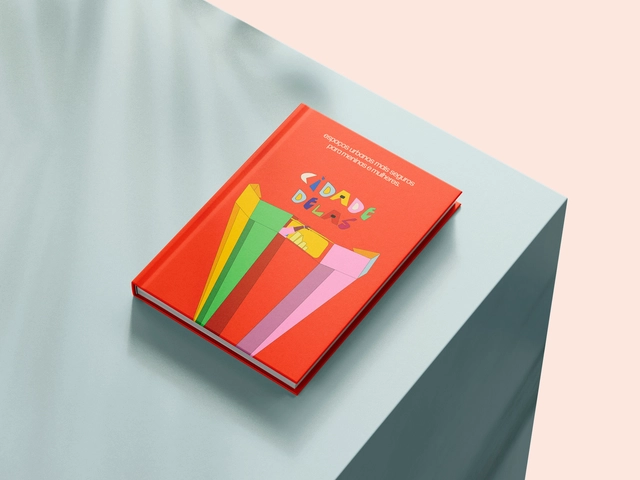
Despite women's achievements and overall societal progress, cities continue to be planned and built through a patriarchal lens. Urban planning often overlooks the diverse needs of the population regarding the inclusion of race, gender, and social class—factors that directly shape the use of space and the urban layout.