1. ArchDaily
  2. Articles

Articles

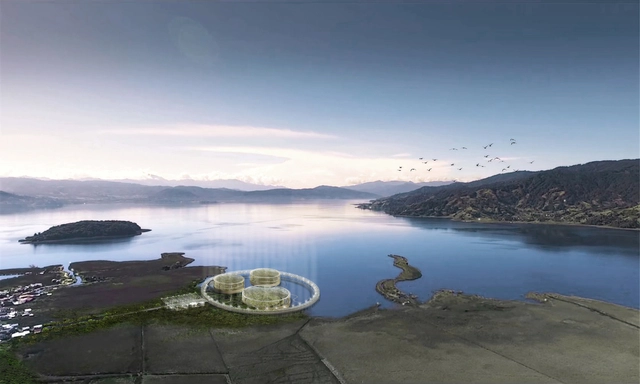
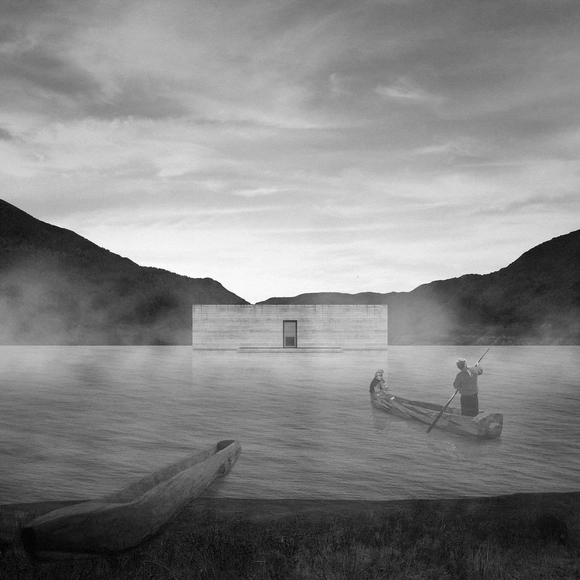
Floating Cemetery, one of the 10 winners of the 2018 Arquitectura Caliente Competition for thesis projects

Subscriber Access | 

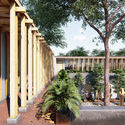
Designed by Fabián Leiva, the Floating Cemetery project was selected as one of the 10 winners in the Thesis Project category of the 2018 Arquitectura Caliente Competition (CAC 2018), a Chilean contest organized by Grupo Arquitectura Caliente and funded by the Ministry of Cultures, Arts, and Heritage.

In 2004, the Ralco reservoir in the Biobío Region was unexpectedly and irreversibly flooded, burying the local Pehuenche community's cemetery beneath its waters. Following years of trying to recover the bodies, studies demonstrated that salvage was unfeasible, leaving the inhabitants helpless in the face of the millions of cubic meters of water separating them from the cemetery. This situation sparked the idea to create a space in memory of a sacred, violated, and unrecoverable site—one that would bring the community closer to their deceased and eternally condemn the event.

RCR Arquitectes: territory, landscape, and life as a single immanent narrative

Subscriber Access | 

The Catalan archipelago is shaped, across almost its entire length, by a small mountain range running along it, rising from the coastline tangent to the sea to form cliffs, and extending barely a dozen kilometers at its greatest extent.

The architecture native to this coastal strip of land is repeatedly categorized as Catalan architecture, thereby overlooking and overshadowing the architecture of the inland—dark, somber, heavy, and intensely material. An architecture—that of the interior—of slow digestion, backlights, and still air, carrying a different scent.

To the northeast, we find a region where beech trees stand still, growing at a lower altitude than anywhere else in the country. Where the light is softer, more diffused; where shadows are both fainter and deeper. Where it rains differently. Where people speak differently. Where the masias are different. There they live. There they work. We are speaking of Olot. We are speaking of RCR.

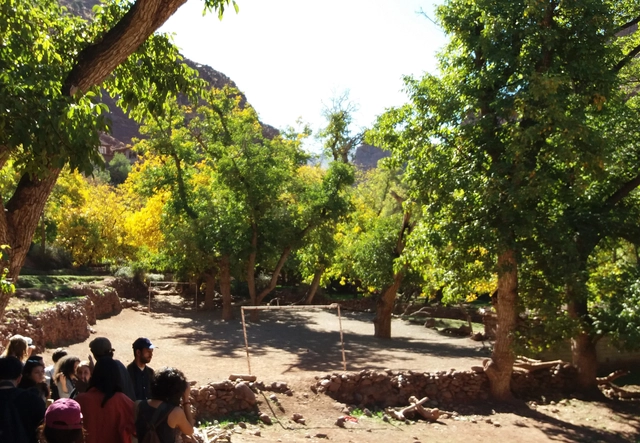
The Other World Cup, or Playing for the Sake of Playing: Three Soccer Fields in the High Atlas, Morocco

Subscriber Access | 

Architects Rafael Pina and Nicolás Maruri, from the ARKRIT Collective, reflect on the soccer fields nestled within the adobe and rammed earth settlements of Morocco's High Atlas. Having barely altered the territory, these spaces integrate and merge into the topography through minimal modifications and actions for a single, simple purpose: to play.

Construction requires mobilizing material resources and human labor, inevitably transforming the territory. Building with what is readily available is a stance that can be driven by ethics, but also by necessity. In either case, the outcome is usually economical and fitting. Resource consumption is kept to a minimum, and adaptation to the environment becomes a natural consequence.

10 Projects in the 10 Years of the Multidisciplinary Collective Todo X La Praxis (TXP)

Subscriber Access | 

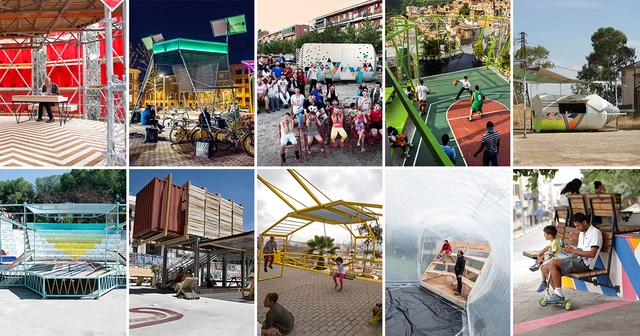
Since the installation of Speculator in 2008 —the year the Spanish real estate bubble burst— the Spanish multidisciplinary collective has been characterized by its collaborative practices, co-production processes, and civic management models. Over ten years, the numbers speak for themselves: 15 countries, 18 agreements, 29 institutions, 43 grassroots organizations, and 96 projects, including Campo de Cebada in Madrid and the La Y Cultural Hub in Caracas (Venezuela), as part of the government project Espacios de Paz.

TXP explains their methodology: "We start with a preliminary diagnosis that allows us to understand the keys, codes, and particularities of each process. We then define a context for collaborative design where the proposal is prototyped based on collective interests."

"In our practice, we propose a dynamic combination of scopes that tailors the project based on available parameters, allowing us to define a consensus-driven model that responds resiliently. We establish frameworks for collective construction that foster learning environments, serving as tools for civic appropriation and empowerment. Finally, we design management models that address the specific needs of each case, establishing protocols for use and maintenance," they add.

The demolished Guzmán House by Alejandro de la Sota

Subscriber Access | 

On this occasion, architect Jaime Nadal, representing the ARKRIT Collective, brings us an article that delves into the controversial demolition of the famed Casa Guzmán by architect Alejandro de la Sota—a highly praised, widely published, and iconic building of the architectural renaissance in Spain.

The Future of the Netherlands: The Polder Method as a Solution

Subscriber Access | 

When discussing cities like Amsterdam, we inevitably recall its network of canals and streets interwoven with water. Yet water is also one of the most pressing challenges the city faces. With 60% of its territory below sea level, climate change—and the rising sea and river levels that come with it—is a matter of survival not only for Amsterdam, but for the entire country.

Santiago Arau: Mexico City in One Minute

Subscriber Access | 

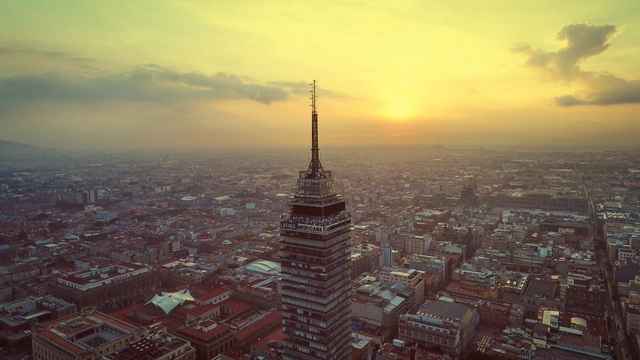
For many years, Mexico City has been what many authors call a "living organism," built day by day and choreographed in diverse ways. Santiago Arau's work portrays a city where time passes, shaped by its inhabitants—ranging from sweeping aerial views to the daily gaze of a commuter on public transit. Don't miss this time-lapse, which will allow you to imagine (or remember) what it is like to experience Mexico City in just one minute.

A selection of the best projects of 2018 by ArchDaily Mexico

Subscriber Access | 

A selection of the best projects of 2018 by ArchDaily Mexico - Image 1 of 4A selection of the best projects of 2018 by ArchDaily Mexico - Image 2 of 4A selection of the best projects of 2018 by ArchDaily Mexico - Image 3 of 4A selection of the best projects of 2018 by ArchDaily Mexico - Image 4 of 4A selection of the best projects of 2018 by ArchDaily Mexico - More Images+ 23

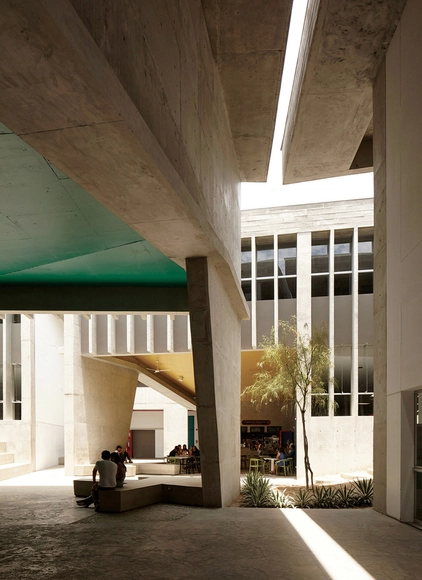
Throughout 2018, we selected thousands of projects for publication on our site, occasionally highlighting a few for their innovative techniques and materials, their integration with their context, or their community engagement. Working daily with editors in Brazil, the United States, Mexico, Chile, China, and Northern Ireland, and thanks to the extensive network we have forged with institutions worldwide, we have the tools to gain a much broader perspective on current architectural production—not only in Mexico, but globally.

10 Songs About Cities

Subscriber Access | 

Music is a vital connection to culture. While it serves as a source of entertainment, it is also a medium for communicating ideas and expressing artistic creativity. Through romantic, social, political, or historical themes, every song evokes memories and emotions.

Although there is an endless array of genres today compared to decades past, music still allows us to travel the world without leaving home through its lyrics and music videos. With this in mind, we have compiled a list of 10 songs that not only feature the names of cities in their titles, but also, through their lyrics and visual storytelling, capture the essence of each place—whether capitals or not—bringing to life the magic of their architecture and streets.

New standard in bicycle infrastructure for cities: Ciclopuerto 009, highly functional and durable

Subscriber Access | 

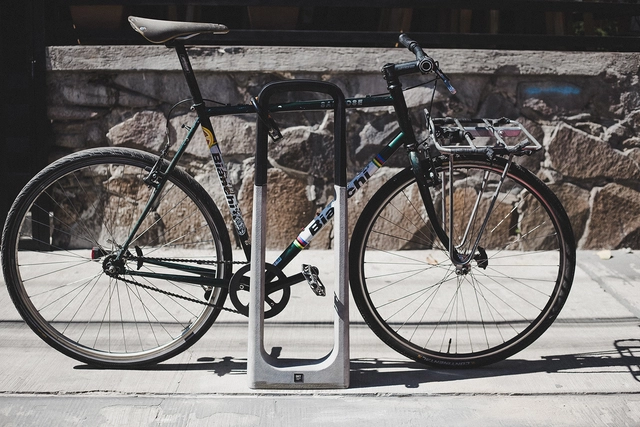
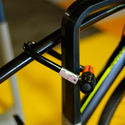
To encourage the use of bicycles as a non-motorized mode of transportation, BKT Mobiliario Urbano has developed the Ciclopuerto CP-009; a geometric piece made of recycled aluminum and rubber that accommodates two bicycles per rack. The unit consists of a metal structure clad in recycled aluminum on its lower section to increase durability, and rubber on its upper section to protect bicycles from scratches and other damage.

New standard in bicycle infrastructure for cities: Ciclopuerto 009, highly functional and durable - Image 1 of 4New standard in bicycle infrastructure for cities: Ciclopuerto 009, highly functional and durable - Image 2 of 4New standard in bicycle infrastructure for cities: Ciclopuerto 009, highly functional and durable - Image 3 of 4New standard in bicycle infrastructure for cities: Ciclopuerto 009, highly functional and durable - Image 4 of 4New standard in bicycle infrastructure for cities: Ciclopuerto 009, highly functional and durable - More Images+ 15

Jean Pierre Crousse: "We seek to ensure that our responses to local problems have global relevance."

Subscriber Access | 

Jean Pierre Crousse and Sandra Barclay have just won the Mies Crown Hall Americas Prize –the highest architectural distinction in the Americas– with the recently completed Edificio E at the Universidad de Piura. Through their work, Barclay & Crousse has approached the Peruvian territory and landscape from different perspectives and at different scales, complementing this approach with research and teaching at the Pontificia Universidad Católica del Perú, where they explore the transdisciplinary and multiscalar dimensions of architecture.

In this interview, we delve into their relationship with teaching, the Peruvian territory, and the role of architecture today in countries like Peru.

Right to housing, access to one's own home

Subscriber Access | 
Right to housing, access to one's own home - Imagem 1 de 4
Image Courtesy of PISEAGRAMA. Image
Right to housing, access to one's own home - Imagem 2 de 4

September 27, 2010 

“It was that one over there, look. That one. See?”  Dona Ana pointed to the seventh-floor apartment where, a week earlier, the fire had broken out.  Further down, on the fourth floor, Anastasia, Aécio, and Itamar offered strained smiles from a campaign banner .

No one knows how the fire started in one of the subdivided apartments in Tower 100, occupied by a waste picker. But the spectacle that followed played out comme il faut.  Panic, screams, flames, flashing lights, a helicopter hovering overhead, journalists accosting the supposedly injured and devoring improbable accounts, sirens, smoke, commotion, action.

New digital tools help urban leaders turn ideas into action

Subscriber Access | 

By 2050, more than two-thirds of the world's population will live in cities – hubs that catalyze economic, cultural, and political progress, but also consume vast resources and account for 70% of global greenhouse gas emissions. To avoid catastrophic climate change while ensuring a prosperous and sustainable future, we must act quickly.

What is the impact of the first Complete Street in São Paulo?

Subscriber Access | 
What is the impact of the first Complete Street in São Paulo? - Image 5 of 4

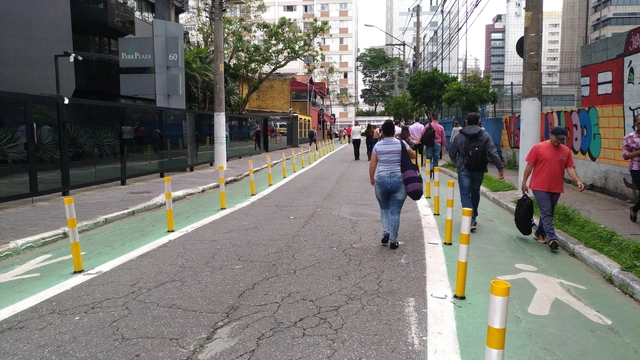
The concept of Complete Streets has gained prominence in recent years and has arrived in Brazil bringing the vision that streets must be planned, designed, operated, and maintained to allow safe, convenient, and comfortable travel for all users, regardless of age, ability, or mode of transportation.

Study in Valencia, Barcelona, Porto, and Milan and travel the world with the Master's in Architecture, Design, and Innovation

Based at the Universidad Europea de Valencia, MArch. Architecture, Design and Innovation offers postgraduate training in Architecture and Design through three educational programs.

Argentine Representation at the 2018 Venice Biennale: 46 Projects Exploring the Collective and Democratic

Subscriber Access | 

Starting in May, Argentina reaffirms its presence at the Venice Biennale with an invitation to critically rethink the territory.

The "Imagined Lines" exhibition in the Argentine Pavilion, Horizontal Vertigo, curated by architects Javier Mendiondo, Pablo Anzilutti, Francisco Garrido, and Federico Cairoli, is a proposal to rediscover the territory as a collective construction—based on the potential of the relationship we perceive between territory and society—understanding architecture through its capacity to spark unexpected possibilities in each project.

Explore the selected projects and a statement from the curators below.

Architects and Families Unite to Build Social Housing in Peru: CITIES [in] VISIBLE

Placing five low-income families from a settlement in southern Lima, Peru, at the center of local and global design. That is the vision behind CIUDADES [en] VISIBLE.

CIUDADES [en] VISIBLE will be the flagship competition of MUTUO, and this is its pilot edition. MUTUO is a collaborative project dedicated to the dream of decent housing, founded in 2016 by Mar Layseca and Sebastian Paredes Smith, both architects who graduated from the School of Architecture of the Universidad Peruana de Ciencias Aplicadas.

The competition focuses on designing homes for five low-income families within the 3 de Diciembre settlement in Lurín. The Acarraz, Huamán, López, Salazar, and Teccse families will be the protagonists of this architectural challenge.

Mirador La Cocha Botanical Garden, Second Place in the 9th Alacero Colombia Competition 2018

Subscriber Access | 

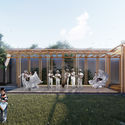
The Mirador La Cocha Botanical Garden proposal by students Germán López, María Echeverry, and Julián Villescas was awarded second place in the ninth edition of the steel design competition for architecture students in Colombia (Alacero Colombia), which focused this year on a greenhouse pavilion for a botanical park.

Under a unified structural concept, the project is divided into three blocks—an entrance building, a circulation ring, and greenhouse pavilions—and aims to establish itself as "a space of high educational and research value that seeks to promote the preservation and conservation of representative and threatened botanical species" in the Colombian department of Nariño.

9 Portuguese-language podcasts about architecture and cities

Subscriber Access | 

Media and technology have been revolutionizing content creation across diverse niches, and architecture is no exception. YouTube channels, television shows, and specialized playlists on architecture and urbanism are just a few examples. Over the last few years, however, podcasts have emerged as a powerful alternative. Unlike other media, podcasts are an audio-only format shared across a wide range of platforms—from specialized websites to blogs. Today, there are countless listening options available, both Brazilian (as listed below) and international, as previously published by ArchDaily.

Finding specialized podcasts can be a daunting task. To help, we have gathered a list of nine Brazilian podcast channels for you to listen to. Put on your headphones and check them out:

After 19S: New Jarocho Documentation Center / RA!

Subscriber Access | 

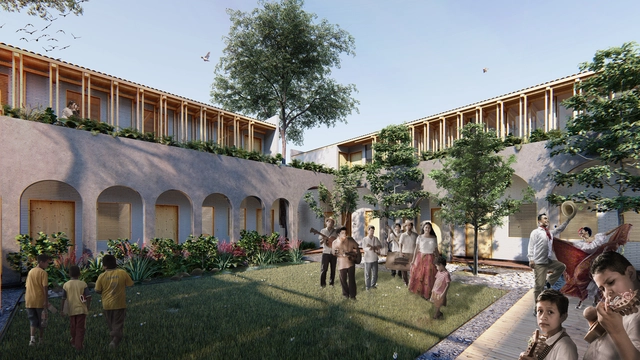
After 19S: New Jarocho Documentation Center / RA! - Imagen 1 de 4After 19S: New Jarocho Documentation Center / RA! - Imagen 2 de 4After 19S: New Jarocho Documentation Center / RA! - Imagen 3 de 4After 19S: New Jarocho Documentation Center / RA! - Imagen 4 de 4After 19S: New Jarocho Documentation Center / RA! - More Images+ 13

The Son Jarocho Documentation Center is a cultural venue in the city of Jáltipan de Morelos. Dating back to 1998, its former headquarters suffered severe structural damage during the 2017 earthquakes in Mexico, which affected several regions. As a result, municipal authorities determined that it was necessary to rebuild the facility.

Bringing this project to fruition required the involvement of various institutions and fundraising events. Among these was a campaign led by Mexican singer Natalia Lafourcade titled 'Un Canto por México' in Anaheim, California.

3 Challenges for Sustainable Mobility in Brazilian Cities

Subscriber Access | 

Brazil's National Urban Mobility Policy (PNMU), the requirement for municipal mobility plans, investments in cycling infrastructure, not to mention the new mobility services that hit the streets every day—the sector has undoubtedly made significant strides in recent years. Nevertheless, numerous challenges remain.

Chairs, microarchitecture in public space

Subscriber Access | 

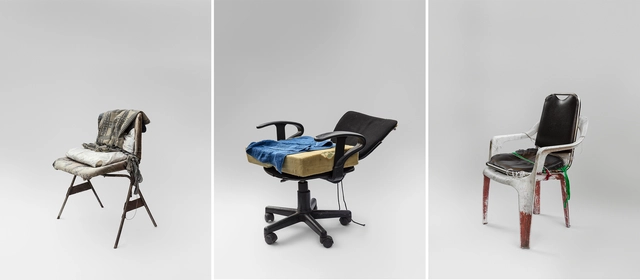
Cristóbal Caro presents a photographic exhibition titled "Chairs: Micro-Architecture in Public Space," which seeks to link objects scattered throughout the urban fabric with the implicit symbols and traces they hold.

Restoration of the Salvador Cathedral reveals 17th-century rarities

Subscriber Access | 

Listed as a World Heritage Site, the Historic Center of Salvador, Bahia, in the heart of the Pelourinho neighborhood, is home to the city's Cathedral Basilica, which dates back to the 17th century. One of Brazil's most significant sacred buildings, the basilica underwent a three-year-and-eight-month restoration process. Beyond returning its celebrated features to public view, the intervention revealed spaces and artifacts previously unknown or long thought lost.

What is the architectural discourse for the middle class in Chile?

Subscriber Access | 

Mark Wigley asserts that architects, rather than builders, are talkers. "Architects do not make solid objects. They make discourses about objects," Wigley argues in “Typographic Intelligence” (2002). This becomes particularly relevant when linked to philosopher Michel Foucault's concept of discourse. In *The Order of Discourse*, Foucault argues that discourses consist of a series of statements or propositions that communicate a certain idea, defining everything that can be said about a topic by shaping a specific way of understanding reality.

Discourses, then, are not merely a specific glossary of words; rather, they encompass the meanings or ideologies conveyed through them. With this in mind, I want to suggest that architecture can be understood as a discipline in which a set of discourses operates, managed by a regulatory body that constantly validates which of them generate architecture and which do not. When examining the discourses that operate within architecture, we find that several can coexist and justify one another, while others ignore and exclude each other—shaping different statements of truth. There may even be discursive strategies that appear extinct due to disuse or deliberate concealment.

You've started following your first account!

Did you know?

You'll now receive updates based on what you follow! Personalize your stream and start following your favorite authors, offices and users.