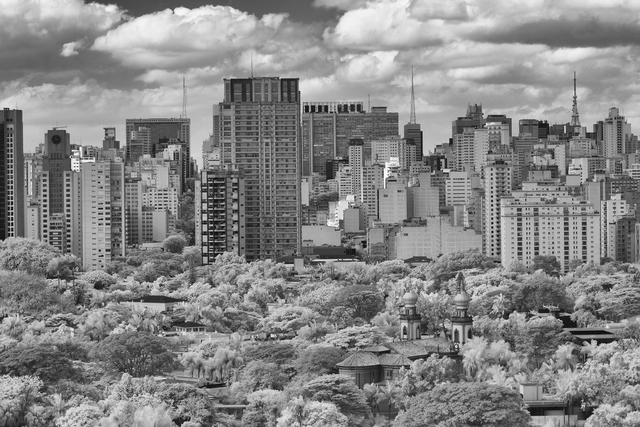
Around one in the morning in Cairo, despite the darkness of the night, everything feels yellow. Arriving in a city of 9 million people, with an airport that handles 3 million daily, is overwhelming, staggering—or, as Lovecraft might describe those lurking in the dark, indescribable and unnameable. In the gloom of a hotel room that saw its glory days long ago, I can see the Great Pyramid of Giza in the distance, shrouded behind the ever-present haze.
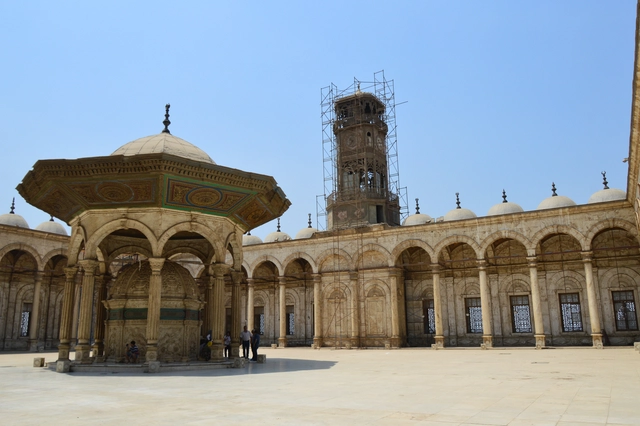
The relentless city devours almost everything in its path; the desert resists, tourism does its part, and, for now, the Sphinx simply watches. Restoration and archaeological work are always underway around the historic sites; you brush the dust off your feet only to uncover ancient remains. Saqqara—the Step Pyramid—is perpetually draped in massive scaffolding of dry wood, weathered from years of waiting for the next discovery that might finally let each prop rest. The heat in Cairo is stifling, and while collective memory associates the city with the pyramids and the Sphinx, its daily life breathes desert, diversity, tourism, commerce, and religion.
.jpg?1522507595&format=webp&width=640&height=580)
















.jpg?1521590183&format=webp&width=640&height=580)