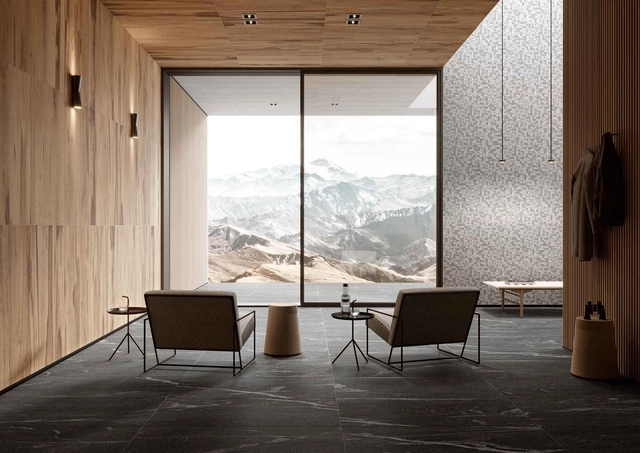
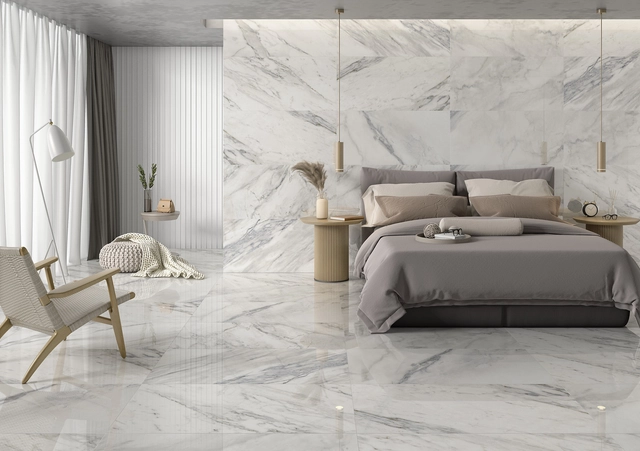
As the climate crisis intensifies and the lingering effects of the pandemic remain evident in daily life, topics like sustainability and health are more relevant than ever. This explains the rise of biophilic design, a trend characterized by connecting architecture—and, by extension, the user—with the inherent benefits of nature: comfort, calm, and well-being.
Consequently, demand has shifted toward objects and materials capable of bringing nature indoors, whether through decorative elements, vegetation, or wall and floor tiles. However, to ensure functionality within an interior space, these products must ideally combine a natural aesthetic with practical qualities such as durability and low maintenance.
A few months ago, we got on a call with MACIA Estudio. In discussing their work and our shared communication interests, we found a strong affinity, leading us to propose creating "something" together—something that would explore the experiences of childhood and cities, public space, and urban design from various angles. After several months of work, we are thrilled to present Paisajes de juego, a podcast and video podcast developed with the support of the Salzburg Global Seminar and the endorsement of the National Association of Parks and Recreation.
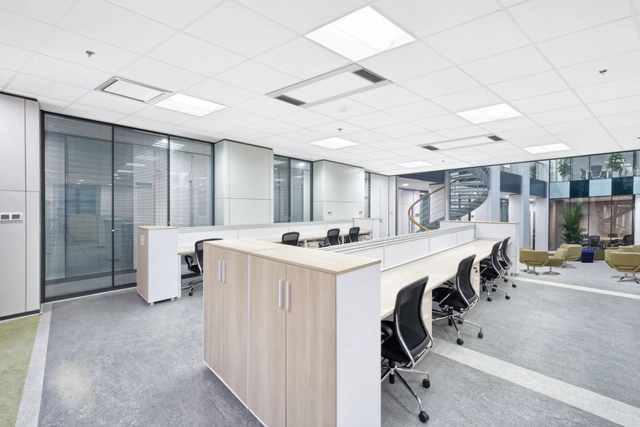
One of the most significant shifts in contemporary work culture has been the widespread adoption of remote work. Indeed, even more than two years after the onset of the pandemic, this remains the reality for many workers. While some predicted this would spell the end of the physical office, many companies have opted for a middle ground: a flexible, hybrid model designed to restore in-person collaboration while preserving the benefits of working from home. However, returning to the office in a pandemic context has raised several critical questions—chief among them, how to ensure a safe and healthy workplace?
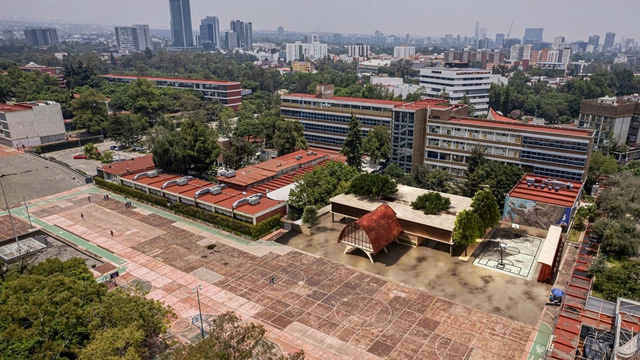
On Friday, October 14, the jury announced its decision for the Long Stage of the 38th Alberto J. Pani Architectural Composition Award, organized by the Faculty of Architecture of the National Autonomous University of Mexico, in collaboration with an institution of the Association of Architecture Teaching Institutions of the Mexican Republic (ASINEA)—which this year was the Faculty of Architecture of the Universidad De La Salle Bajío in León, Guanajuato.
Interior architecture is undoubtedly much more than the composition of aesthetically appealing environments. From building materials and thermal conditions to finishes and furniture, every design decision directly affects user comfort. However, this relationship between design and well-being is most evident at the residential scale, particularly as more than two years of the pandemic forced many to spend more time at home. This has positioned the home at the center of spatial renovation, transforming it into an environment dedicated to tranquility and health. Consequently, well-being is not a mere passing trend. While brought to the forefront by the pandemic, today it is a design movement that is here to stay—one to which every material and product must respond.
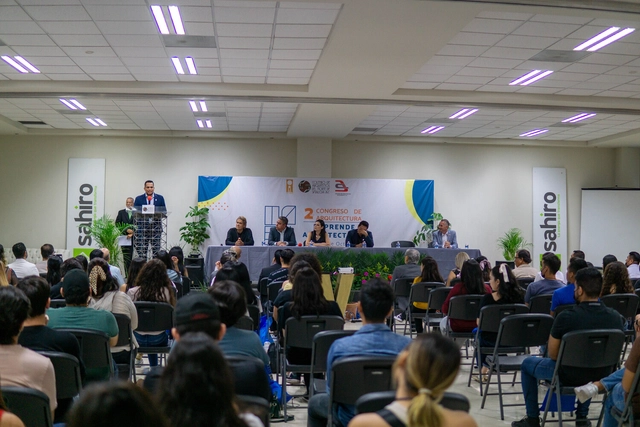
As part of the National Architect's Day celebrations and the 45th anniversary of the founding of the Colegio de Arquitectos del Norte de Sinaloa A.C., and with the support of the Colegio de Arquitectos del Norte de Sinaloa A.C. and the Colegio de Arquitectos de Guasave A.C., the second “Emprende Arquitectura” Congress took place on October 5, 6, and 7 in Los Mochis, Sinaloa.
For 37 years, since 1985, the Faculty of Architecture at the National Autonomous University of Mexico (UNAM) has organized and hosted the Alberto J. Pani Architectural Composition Award, aiming to bring together the top students from member institutions of the Association of Architecture Education Institutions of the Mexican Republic (ASINEA). The event is organized in collaboration with an ASINEA member institution, which this year is the Faculty of Architecture at the Universidad DeLaSalle Bajío in León, Guanajuato.
https://www.archdaily.com/1131936/finalists-of-the-38th-alberto-j-pani-architectural-composition-award-2022-of-the-faculty-of-architecture-unamArchDaily Team
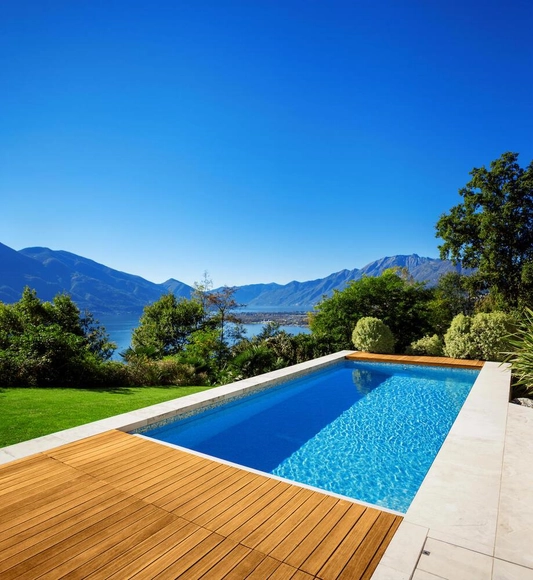
Beyond its shape, size, and location, the process of building a swimming pool involves selecting various technologies, solutions, and materials to achieve proper waterproofing. While we often focus on the exterior aesthetics of a pool, are we aware of what lies beneath its finishes? Much like an "iceberg effect," pool design and construction companies such as CREST have developed a range of essential products that lie below ground level, applied through four specific steps: surface preparation, finish installation, grouting, and maintenance.
Developed with a clear focus on design innovation and material application, DYNAMax is a concrete characterized by high strength, extraordinary durability, and superior stiffness, combined with deep concrete expertise. Simply put, DYNAMax is a high-performance concrete designed to meet new design trends, environmental challenges, and technical requirements in the construction industry.
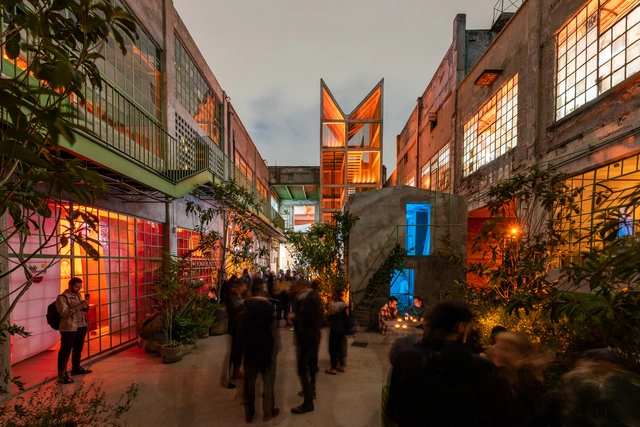
LIGA, Espacio para arquitectura is a non-profit institution dedicated to promoting emerging Latin American architecture through a public program of exhibitions, lectures, and publications. On September 23, 2022, the institution celebrated 10 years of work at its headquarters on Calle Doctor Erazo 176, in Colonia Doctores, Mexico City. The anniversary also honored the work of three prominent women whose contributions have been crucial to Latin American architecture: Tatiana Bilbao (Mexico), Marta Moreira (Brazil), and Florencia Román (Argentina).
The history of Mexican photography has helped shape Mexico's global presence. Photographers like Elsa Medina, Lola Álvarez Bravo, Graciela Iturbide, Maya Goded, and Juan Rulfo have masterfully captured the life of buildings, homes, and streets in a rapidly developing nineteenth-century Mexico. As a result, the contemporary Mexican photography scene has become an essential tool for architecture, contributing to a deeper visual understanding of the works that rise day by day.
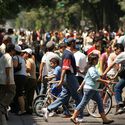
A few weeks ago, Grupo Firme performed in Mexico’s Zócalo. According to the city government, this band broke an attendance record with over 280,000 people. According to my own data—without proof but also without a doubt—another record was set: the highest volume of racist and classist comments directed at the attendees of an event.
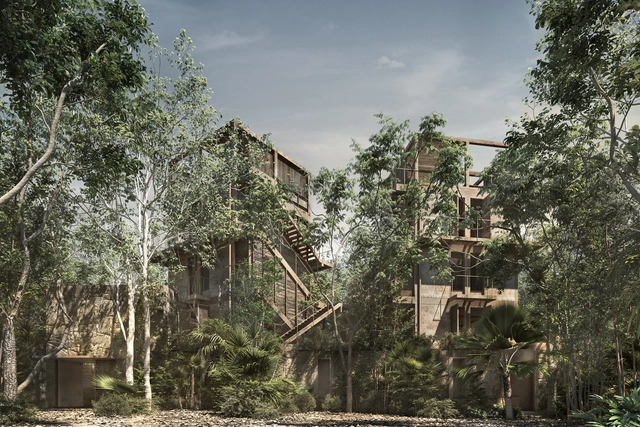
Tulum is a region located in southeastern Mexico, within the state of Quintana Roo, specifically on the coast of the Caribbean Sea, and is part of the Riviera Maya. Historically, Tulum was a walled city; its name, which means "wall" in Mayan, arose when the settlement was already in ruins.
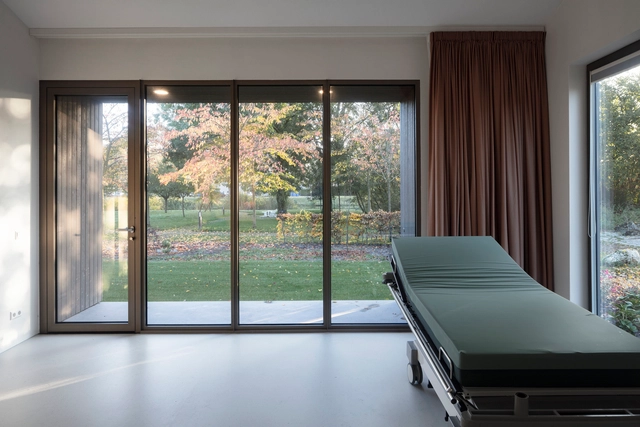
Hospice care is a specialized form of palliative care that seeks to provide comfort and quality of life to patients facing serious and terminal illnesses. These environments play a crucial role in the patient's final journey, and the intersection of neuroscience and architecture can be a powerful tool to make them even more welcoming. In these settings, neuroscience applied to architecture can be used to design spaces that promote the emotional and physical well-being of patients.
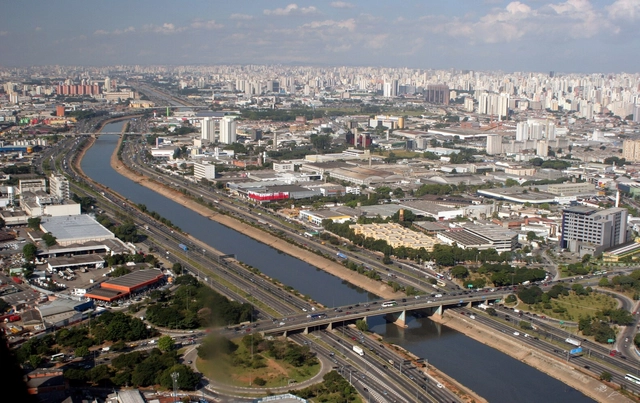
Tietê River, São Paulo. Photo by Ana Paula Hirama, via Flickr. Licensed under CC BY-SA 2.0
Swimming in the Tietê. Although many people did so until the 1930s — when the river was already polluted, though much less than today, and swimming and rowing competitions were held even along the stretch within the São Paulo capital —, no one believes this will be possible in the coming years. Cleaning the river, however, is a feasible ambition, provided we understand that there are various gradations within the category of “clean.”
https://www.archdaily.com/1136457/is-cleaning-up-the-tiete-river-possible-or-a-utopiaDavid A. Cohen
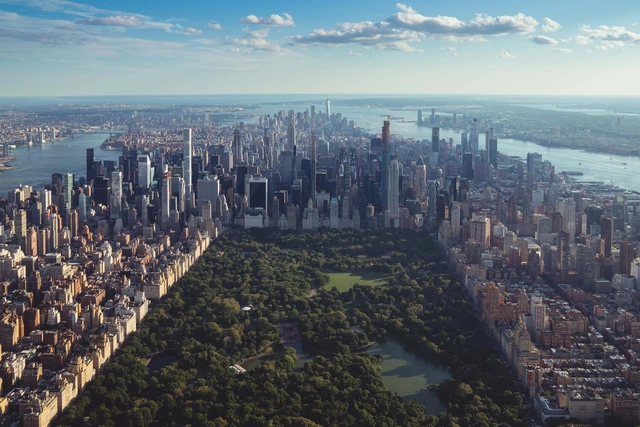
For two hundred years, New York City has been the largest metropolis in the United States and continues to outpace its competitors. The city is one of the oldest and most prosperous in the country. Its metropolitan area produces goods and services equivalent in monetary terms to half of Brazil's total GDP. Its urban structure, productive capacity, and high per capita income reflect its privileged global standing. One of the keys to understanding its rise lies in the very beginning of its history and its long developmental path. In 1624, the land of Manhattan Island was purchased from the indigenous Lenape people by Dutchman Peter Minuit of the Dutch West India Company, who founded New Amsterdam. The island is an extensive, flat 59-square-kilometer area situated at the mouth of the Hudson and East rivers. The bay allowed large ships to anchor and offered a strategic, easily defensible position.
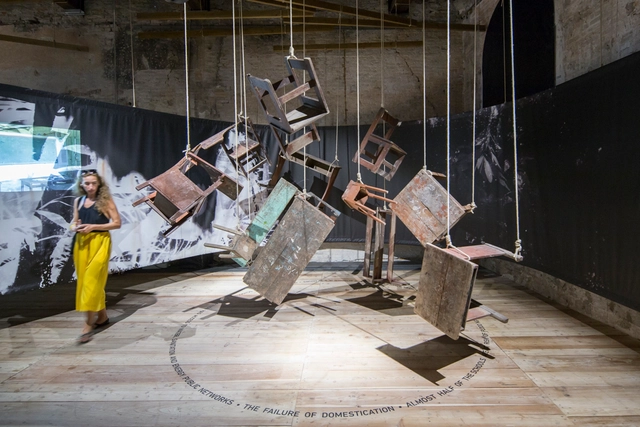
Since 2016, the Patronato Cultural del Perú has been responsible for producing and organizing the Peruvian Pavilion at the Venice Architecture Biennale, promoting and representing the works and projects that reflect the country's architectural landscape.
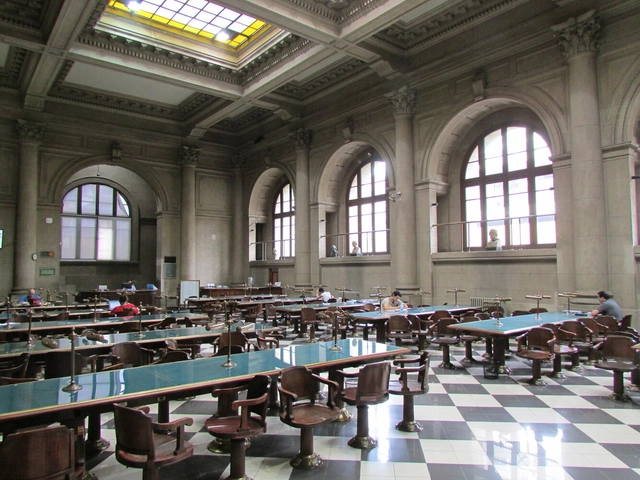
This article by Nicolás Santiago Diaz Bejarano was originally published in the 16th issue of revista rita under the title "Architecture for Objects: Toward a Post-Human Architecture: Density and Compression in the National Library of Chile." The following text offers a reflection on the relationship between a closed building under tension—a national library—and an open component that defines it: its storage stacks.
https://www.archdaily.com/1136431/architecture-for-objects-density-and-compression-in-the-national-library-of-chileNicolás Santiago Diaz Bejarano
Cities occupy just 3% of the Earth's land surface, yet they account for most of the world's energy consumption and carbon emissions. Many are also highly vulnerable to climate change and natural disasters due to their high population densities and interconnected infrastructure. To prevent the worst impacts of climate change—including human, social, and economic losses—making cities more resilient and prepared for a changing climate is crucial. Yet, recent studies indicate we are still far from achieving this.
Bringing together current scientific research, a new climate science report by the UN's Intergovernmental Panel on Climate Change (IPCC) was approved and released following intense negotiations between the world's leading scientists and governments. Comprising 37 pages, the IPCC Sixth Assessment Synthesis Report (AR6) compiles six in-depth scientific and policy reports, and is primarily aimed at policymakers.
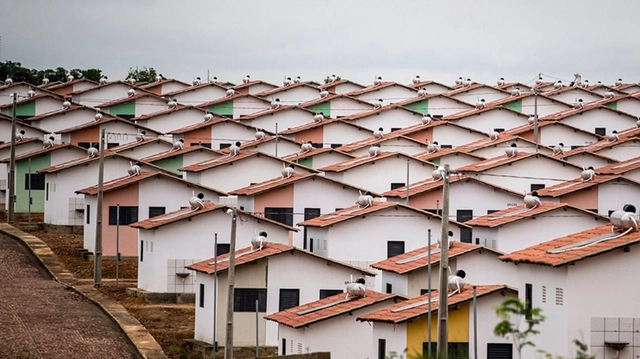
Relaunch of the Minha Casa Minha Vida program will take place during Lula's trip to Bahia, with new rules for the inclusion of low-income families.| Photo: Ubirajara Machado/MDS / Agência Senado
Among the updates to the new Minha Casa, Minha Vida (MCMV) program, recently launched by the Brazilian Federal Government, is the inclusion of a "housing improvement" modality. This is a necessary addition, as it addresses historically underserved populations—precisely those most vulnerable to the increasingly frequent and severe impacts of climate change. A new path toward sustainable, equitable, inclusive, and low-carbon development must be established. This transition depends not only on access to quality housing, but also on infrastructure and public services.
https://www.archdaily.com/1136464/new-minha-casa-minha-vida-opens-opportunities-to-upgrade-precarious-territories-with-shared-governanceSimone Gatti e Henrique Evers
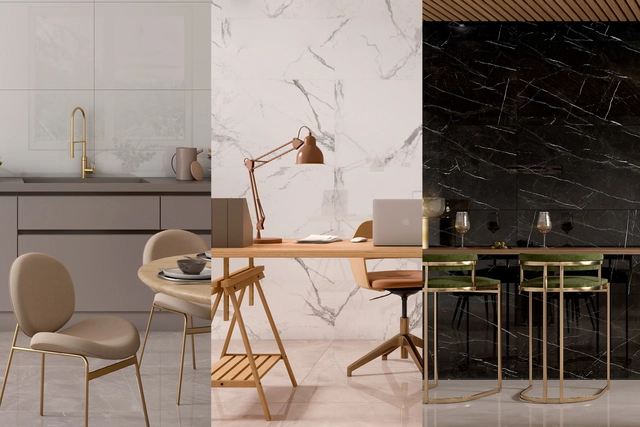
Spatial perception is the cognitive ability to process visual information related to the position, movement, size, and shape of objects in space. According to Auguste Perret in his work "Contribution to a Theory of Architecture," architecture can influence this perception by delimiting, closing, and enclosing space. When this cognitive capacity interacts with architecture, our brain interprets and processes visual information to determine whether a space feels visually expansive or confined. In interior spaces, certain elements can decisively influence our perception of space, such as color, furniture dimensions, and the materials that comprise it. The latter are particularly important, as their use under specific conditions can alter our spatial perception and the way we experience space, depending on their texture and format.
https://www.archdaily.com/1136427/moodboards-with-large-format-coverings-to-inspire-interior-designEnrique Tovar
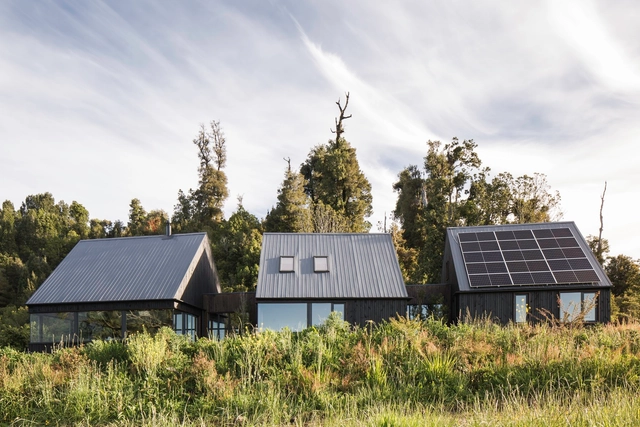
What design strategies or new technologies can be integrated into architectural design without compromising the environment? In recent years, renewable energy has been gaining significant momentum worldwide, and photovoltaic solar energy is one of many showing exponential growth.