The 13th National Architecture Symposium (NAS) gathers over 500 global architecture leaders on May 4, at the Philippine International Convention Center with the Laureate of the 2024 Pritzker Architecture Prize, Riken Yamamoto, as the Principal Speaker.
The 13th National Architecture Symposium (NAS): Leadership in Architecture is a prestigious gathering that brings together over 500 global leaders, professionals, and architecture students. Scheduled for May 4, 2024, at the Philippine International Convention Center - PICC in Pasay City, Philippines with the Laureate of the 2024 Pritzker Architecture Prize, Riken Yamamoto, as the event’s Principal Speaker.
A groundbreaking two-day symposium, “Debates in AI,” will explore the multifaceted dimensions of artificial intelligence (AI) and its impact on creative disciplines. Unraveling the intricate intersections of art, design, technology and culture, the symposium aims to foster conversations that critically examine the evolving relationship between artificial intelligence and the fields of art and design.
The Ableist Cities Symposium will bring together academics and industry experts to hear narratives of individual lived experience and co-designed research around disability and accessibility in cities.
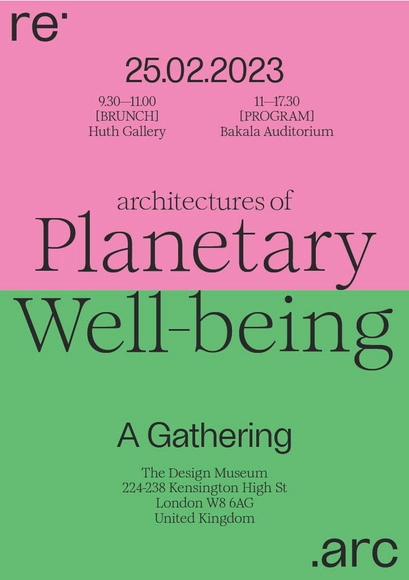
re:arc institute invites you to join the second iteration of their biannual symposium program dedicated to exploring the architectures of planetary well-being, which we understand as ongoing practices of custodianship and care towards our socio-ecological environments. Architectures of planetary well-being offer an approach to understanding the frameworks that connect these systems, in turn allowing us to imagine the relational change needed to move beyond extractive paradigms.
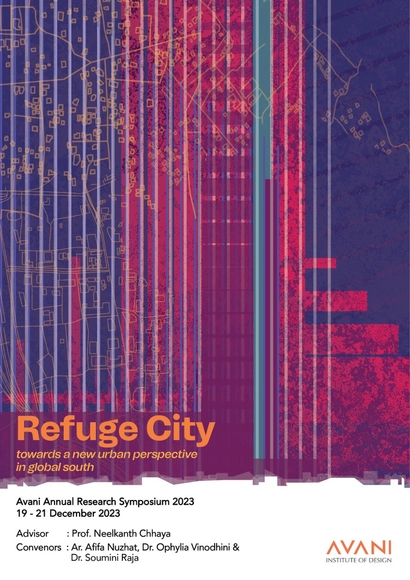
We are excited to announce the call for papers for the upcoming Avani Annual Research Symposium 2023, "REFUGE City: Towards a New Urban Perspective in the Global South." We are fortunate to have Prof. Neelkanth Chhaya as the Symposium advisor. This symposium aims to challenge conventional views of urban environments and invites you to contribute your scholarly work to this transformative dialogue. The theme promises to serve as a catalyst for a nuanced exchange of diverse viewpoints pertaining to the concept of cities as places of refuge, resonating across a spectrum of contexts and disciplines.
Melbourne Skyfarm by The Sustainable Landscape Company.
Hosted by the Faculty of Architecture, Building and Planning at the University of Melbourne, this two-day symposium brings together academic, government and industry experts to set the national research agenda to support the transformation of Australian cities. A series of keynote lectures, site visits and panel discussions featuring local and international speakers will explore the need for an increase in the scale of retrofitting in Australia. Join us for these timely conversations about our evolving cities. The symposium will also be livestreamed, find out more on the registration page.
Hanoi’s development has experienced a turbulent history with more than a thousand years of foreign influence from China, French colonization (1873-1954), and socialism following the model of the USSR (1945-1986). Since 1986, Vietnam’s Đổi Mới economic reforms brought rapid urbanization and growth as well as greater connection to the global capitalist market. All these economic and political transitions had a significant impact on the development of housing in the city.
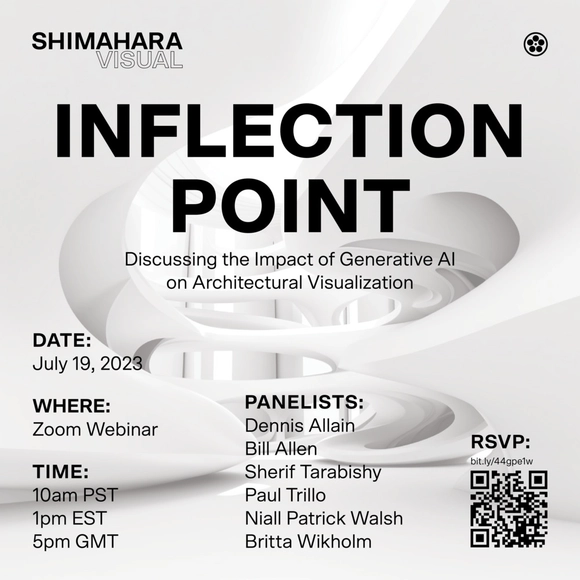
Please join us next month for our Zoom webinar panel discussion, Inflection Point, which will consider the ways that Generative AI impacts, hinders, or helps the future of the Architectural Visualization industry.
Videos
Invitation Digital Deconstruction final event
Three years ago, the EU Interreg project Digital Deconstruction (DDC) was launched to develop digital tools on a platform that enable circular construction.
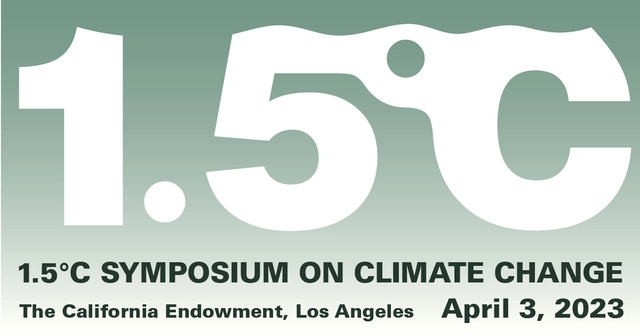
The 6th annual 1.5 °C Symposium on Climate Change challenges our industry to explore the power of beauty in sustainable design to bridge the practicality of building construction with our desire to live in harmony with the natural world. There has been a paradigm shift that beauty is only a consideration of formal aesthetics; true beauty in architecture must inherently be grounded in an integration of physical form with community connection, livability, equity, resilience, and adaptability.
This daytime roundtable uniting urban scholars, designers, planners, community developers and policy specialists will explore how to take some of the ideas of the Housing Multitudes exhibition forward. Discussion will be especially focused on what is being forgotten or ignored in the proposed “solutions” to housing shortages and affordability that Ontario’s Bill 23, and Toronto’s Housing Action Plan, seek to address.
Empirically gauging human experience of architecture in real time. Photo by Grey Matter.
Can we use today's and future empirical means to raise our understanding of the phenomenological effect of sacred spaces and structures, particularly as they relate to spirituality and faith? The work and thought of late neuroscientist Francisco Varela loom large here, but much has occurred since his passing, and a whole new world in neuroscience is unfolding. We will consider the science behind what has been termed 'aesthetic cognitivism' by some philosophers and latest empirical insights coming from theological aesthetics.