

1. ArchDaily
  2. Articles

Articles

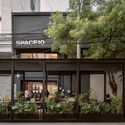
‘Beyond Human-Centered Design’: Inside SPACE10’s Pop-Up in Mexico City

Subscriber Access | 

‘Beyond Human-Centered Design’: Inside SPACE10’s Pop-Up in Mexico City - Imagem 1 de 4‘Beyond Human-Centered Design’: Inside SPACE10’s Pop-Up in Mexico City - Imagem 2 de 4‘Beyond Human-Centered Design’: Inside SPACE10’s Pop-Up in Mexico City - Imagem 3 de 4‘Beyond Human-Centered Design’: Inside SPACE10’s Pop-Up in Mexico City - Imagem 4 de 4‘Beyond Human-Centered Design’: Inside SPACE10’s Pop-Up in Mexico City - More Images+ 18

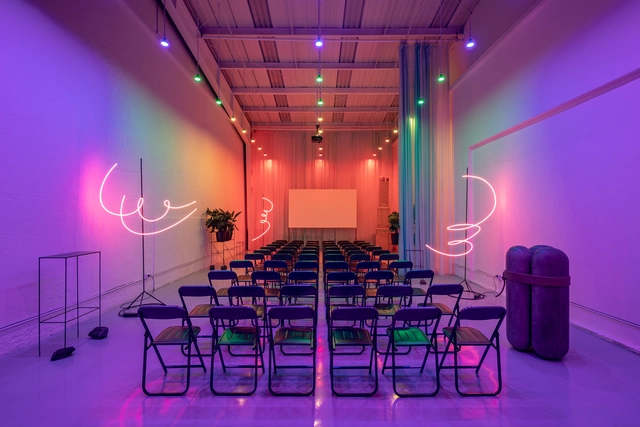
One of the defining features of cities is their undeniable capacity to bring together creative talent through multiculturalism and transdisciplinarity. Today, it is increasingly vital to generate spaces and platforms within these urban environments that serve as creative laboratories—places not only to share but, above all, to reflect on contemporary practice, viewing design not as a decontextualized entity, but as an integrated concept that bridges diverse disciplines.
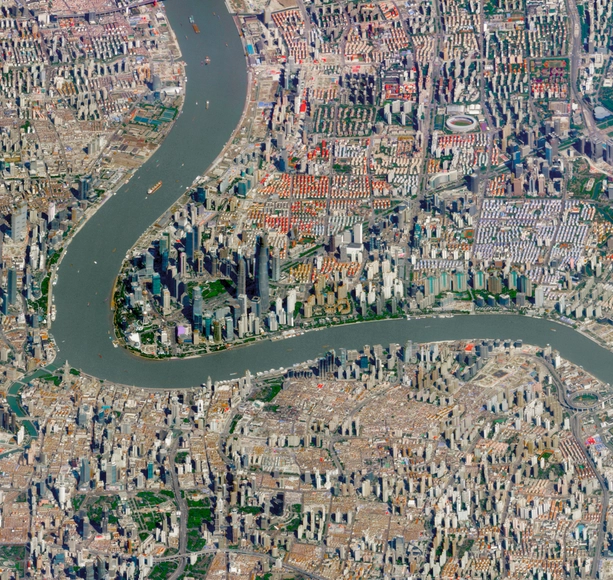
"A city is made up of buildings like a screen of pixels: if there is one dead, the whole thing is ruined," our readers weigh in on aesthetics

Subscriber Access | 

Architects, designers, psychologists, and sociologists alike recognize that aesthetics and their underlying philosophy have the power to change how we perceive the world around us. Consequently, a deeper understanding of what is beautiful has the power to shift how people respond to their environment. Exploring the different meanings of aesthetics in architecture—from 'form follows function' to the new aesthetics of the metaverse—can help us understand the potential of our physical and virtual environments on the path toward a better world.

Much has been written on the subject, from Alberto Pérez-Gómez's Lo bello y lo justo en la arquitectura to Pablo Caldera's El fracaso de lo bello. However, we wanted to open the debate to our readers to share their views on what makes a building or a city beautiful.

After reading and compiling around 300 comments from construction professionals, students, and architecture enthusiasts alike, it was a pleasant surprise to find common ground regarding the importance of collective beauty, referencing both the urban and natural contexts.

The Challenges of Ensuring Housing in the Face of Tourism in Mexico: The Case of Valladolid, Yucatán

Subscriber Access | 

The Challenges of Ensuring Housing in the Face of Tourism in Mexico: The Case of Valladolid, Yucatán - Imagen 1 de 4The Challenges of Ensuring Housing in the Face of Tourism in Mexico: The Case of Valladolid, Yucatán - Imagen 2 de 4The Challenges of Ensuring Housing in the Face of Tourism in Mexico: The Case of Valladolid, Yucatán - Imagen 3 de 4The Challenges of Ensuring Housing in the Face of Tourism in Mexico: The Case of Valladolid, Yucatán - Imagen 4 de 4The Challenges of Ensuring Housing in the Face of Tourism in Mexico: The Case of Valladolid, Yucatán - More Images+ 3

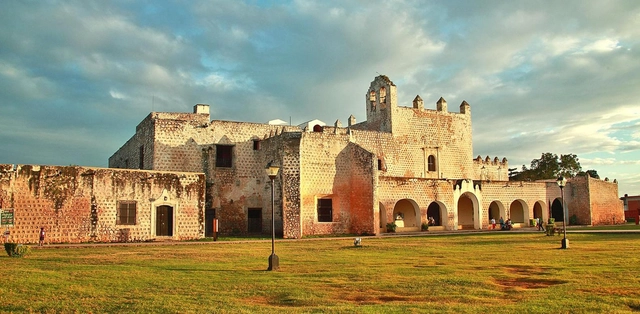
Valladolid is a town of just under 50,000 inhabitants, located in eastern Yucatán. It sits halfway between Cancún and Mérida, about 40 minutes from the Chichén-Itzá archaeological zone. Initially, the tourists who visited did so as a stopover during their travels across the peninsula. However, its gastronomy and architecture transformed it from an involuntary rest stop into a tourist destination in its own right.

Architectural Objects: The exhibition gathering 27 pieces for Mexico City Art Week

Subscriber Access | 

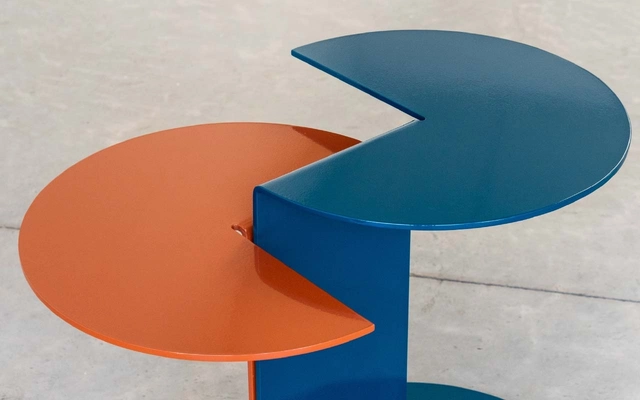
Architectural Objects: The exhibition gathering 27 pieces for Mexico City Art Week - Image 1 of 4Architectural Objects: The exhibition gathering 27 pieces for Mexico City Art Week - Image 2 of 4Architectural Objects: The exhibition gathering 27 pieces for Mexico City Art Week - Image 3 of 4Architectural Objects: The exhibition gathering 27 pieces for Mexico City Art Week - Image 4 of 4Architectural Objects: The exhibition gathering 27 pieces for Mexico City Art Week - More Images+ 6

As part of the programming for Mexico City Art Week, CAPITALES presents its fifth exhibition, titled "Objetos Arquitectónicos" ("Architectural Objects"), from February 8 to 13, 2022, at Frontera 88, Roma Norte. Produced in collaboration with Manada Architectural Boundaries, the exhibition features 27 studios, including Alejandro Tapia, Ariel Rojo, Blanca Arcos, Carlos Bedoya, Carlos Candia, Carlos Torre Hütt, Chuen Mx, Déjate Querer, Dosa Studio, EDAA, Enrique Rosas, Estudio Atemporal, Fernando Polidura, Jimena Hogrebe, Julia Reyes Retana C, Lanza Atelier, Lupe Toys, María Santibáñez, Martacarmela, Onnis Luque, PRODUCTORA, PLECA, Rafael Rodríguez, Roberto Michelsen, Unidad de Protocolos, and Vera Primavera.

Q’eswachaka, a handwoven rope bridge rebuilt every year

Subscriber Access | 

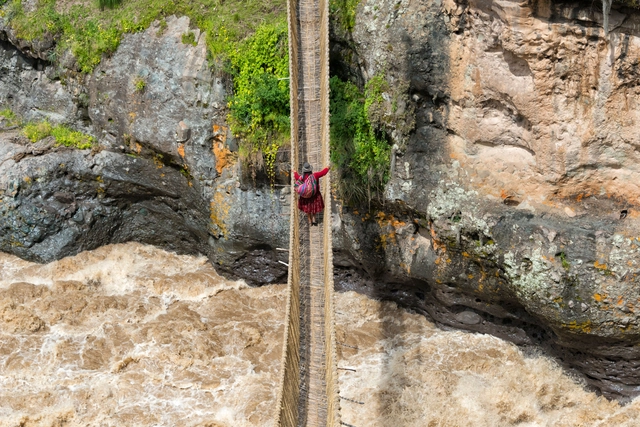
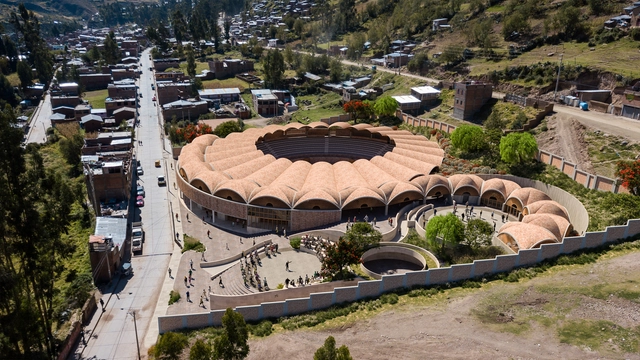
In the mountain range of the Andes in Peru, at over 3,700 meters above sea level, lies the Q'eswachaka suspension rope bridge, declared an Intangible Cultural Heritage of Humanity by UNESCO. The hand-woven bridge, which connects both sides of a gorge over the Apurímac River, has become the last remaining Inca bridge in use to survive modern times. This has been made possible through the transmission of Inca culture and engineering across generations, which renew the bridge every year to ensure its preservation.

3D Data Capture to Virtualize Cultural Heritage: The Example of the Puruchuco Palace in Lima

Subscriber Access | 

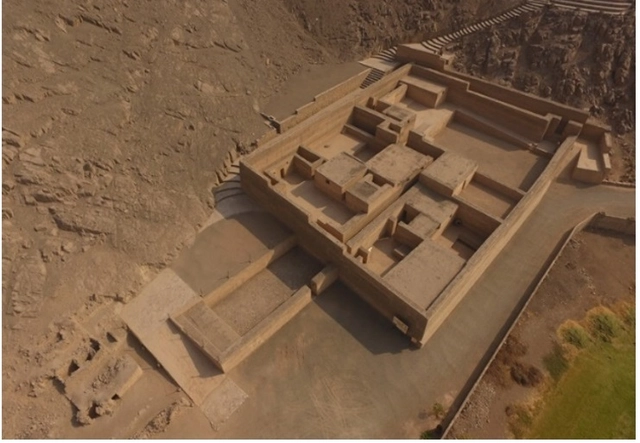
Peru is a country with an extensive, rich, and deeply significant archaeological heritage. Unfortunately, the passage of time has brought severe deterioration. In their article, "Captura de datos 3D para virtualizar el patrimonio cultural" (3D Data Capture to Virtualize Cultural Heritage), authors Norma León Lescano, Yann Barnet, and Alvaro Racchumi outline the method they used to capture a three-dimensional replica of the Palace of Puruchuco. By doing so, they aim to provide the necessary information to guide and promote the virtualization of this remarkable cultural heritage, expanding its reach, appreciation, and preservation.

It's time to democratize architectural knowledge (according to our readers)

Subscriber Access | 

"I'm an architect... now what?" must be one of the most common questions for any recent graduate with an architecture degree in hand. Over the years, many will find jobs in different industries that do not necessarily involve working in an office designing and constructing buildings.

Architecture Education in Chile 1999–2019: Ecological Potential and Collective Political Sense

Subscriber Access | 

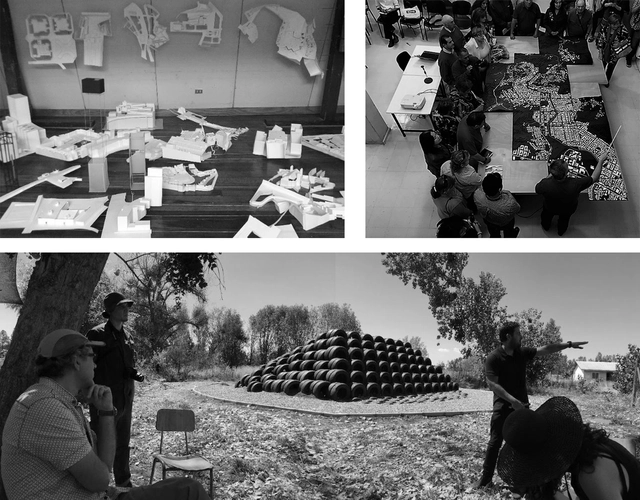
Rodrigo Lagos Vergara and Macarena Paz Barrientos Díaz originally published the article titled "Architecture Education in Chile, 1999-2019: Ecological Potential and Collective Political Meaning of Design Practices" in Revista [i2]: Investigación e Innovación en Arquitectura y Territorio, from the Department of Graphic Expression, Composition, and Architectural Projects of the Universidad de Alicante, on January 1, 2022.

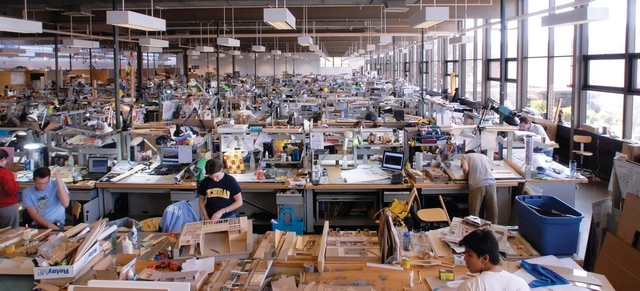
Below, they present some of the most important points of their publication: three pedagogical actions in Chile that understand teaching as a central practice through the academic exercise of the design project.

How Much Energy Does Your Home Use? Energy Efficiency Labeling in Argentine Housing

Subscriber Access | 

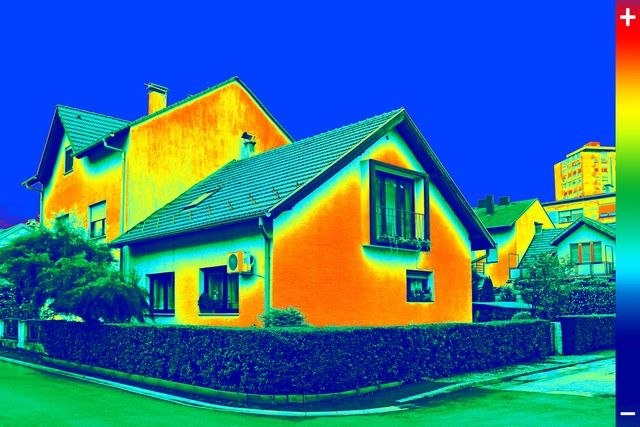
How can we analyze the environmental impact of buildings? What strategies could be developed to improve people's quality of life and achieve a harmonious relationship with the environment? Year after year, more questions are added to the design decision-making process of thousands of architects around the world. They seek to take action and implement policies that improve the environmental performance of their buildings, reducing energy and resource consumption while also lowering greenhouse gas emissions and waste production.

Fanzines, Illustrations, and Postcards: The Self-Publishing Experiences of Latin American Architecture Firms

Subscriber Access | 

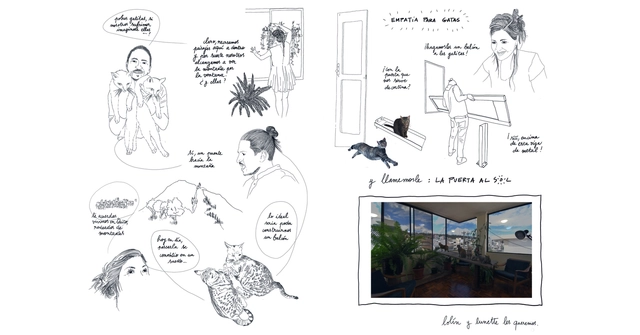
In the midst of today's information age, several Latin American architecture firms are returning to analog formats, ranging from fanzines and illustrations to manuals and postcards.

Against the backdrop of the Taller Social Latinoamericano in Colombia, we spoke with the firms Ruta 4 Taller (Colombia), Coonvite (Colombia), La Cabina de la Curiosidad (Ecuador), and República Portátil (Chile)—all of whom have, coincidentally, explored these formats in their recent work.

Industrialization by Design: Modular Partition Solutions

Subscriber Access | 

More than a trend, industrialization is a necessity in the construction industry. In recent years, we have witnessed its importance in increasing productivity and speed of execution—as well as reducing waste—in architectural projects. Beyond streamlining construction processes, this serial, mechanical, and standardized production increases quality and shortens delivery times. If initial project decisions incorporate the modulation of the various stages that can be industrialized within vertical and horizontal parameters, the outcome is much more efficient than if these are evaluated during construction (when it is no longer possible to reduce waste through modulation). Furthermore, by minimizing waste and reducing the consumption of energy and water resources, it also contributes to a more sustainable industry.

What the New Waterfront along the Molino River in Popayán, Colombia Will Look Like

Subscriber Access | 

Anderson Marín Vidal and Juan Sebastián García, from the research group on Sustainable and Applied Emerging Technologies (T.E.S.A.), present an analysis of the primary impacts expected from the designs for the Río Molino Waterfront (Malecón del Río Molino). Created by the architecture firm Celeste & Piedra, the project won first place in a competition organized by the Mayor's Office of Popayán and Findeter.

This is how the Day of the Holy Cross and Construction Workers' Day are celebrated in Mexico

Subscriber Access | 

This is how the Day of the Holy Cross and Construction Workers' Day are celebrated in Mexico - Imagem 1 de 4This is how the Day of the Holy Cross and Construction Workers' Day are celebrated in Mexico - Imagem 2 de 4This is how the Day of the Holy Cross and Construction Workers' Day are celebrated in Mexico - Imagem 3 de 4This is how the Day of the Holy Cross and Construction Workers' Day are celebrated in Mexico - Imagem 4 de 4This is how the Day of the Holy Cross and Construction Workers' Day are celebrated in Mexico - More Images+ 15

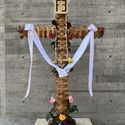
May 3rd is a holiday originating from the Finding of the Holy Cross (also known as May Cross or Feast of the Crosses), which traces its roots back to Roman rites celebrating the Cross of Christ. Over time, this commemoration has evolved and been adopted across cities in Mexico, Chile, Spain, Ecuador, El Salvador, Guatemala, Paraguay, Peru, Trinidad and Tobago, Argentina, Colombia, and Venezuela, where traditions include floral decorations, processions, and dances.

Climate Crisis: A Warning for Latin American Settlements

Subscriber Access | 

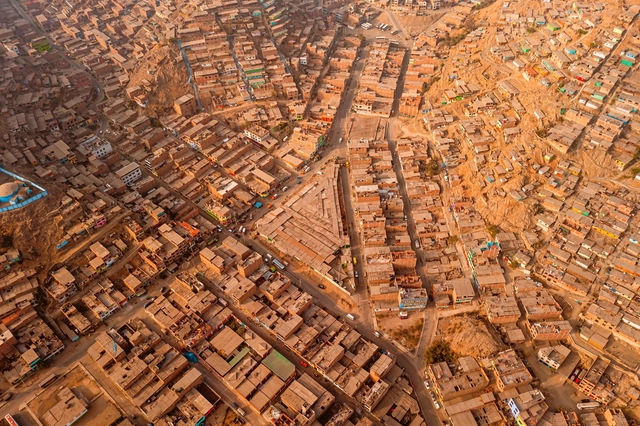
The IPCC has published its latest report on the environmental crisis, "Climate Change 2022: Impacts, Adaptation and Vulnerability." The latest findings warn that urgent priority must be given to action on the adaptability of the built environment, noting that, globally, the most rapid growth in urban vulnerability has occurred in informal and unplanned settlements, as well as in small to medium-sized urban centers in low-income countries with limited adaptive capacity. This is a recurring reality across Latin America.

Interculturality and Inhabited Heritage: Photographs of Architecture and Territory in Chile

Subscriber Access | 

August 19 is World Photography Day. To mark this occasion, we present the winning entries of the recent photography competition "Interculturality and Inhabited Heritage" ("Interculturalidad y Patrimonio Habitado").

Exhibition by the Marina Morón International Artistic Team in Pamplona

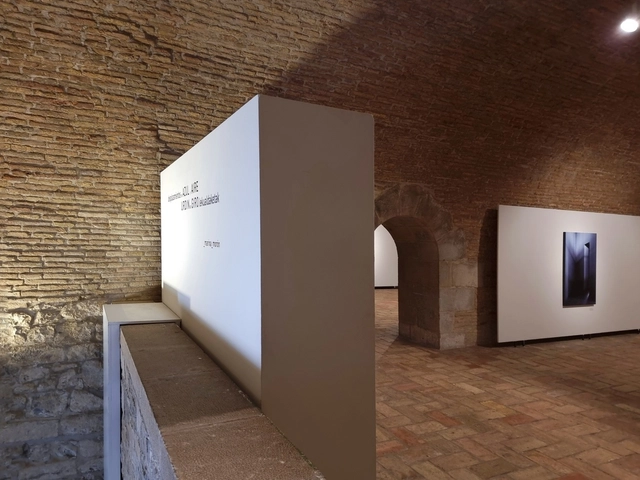
The internationally renowned art collective _marina_morón (comprising Dr. Jesús Marina, PhD in History, and architect Dr. Elena Morón, PhD) inaugurated their latest work at the Pabellón de Mixtos of La Ciudadela in the city of Pamplona.
The exhibition is sponsored by the Basque-Navarrese Association of Architects and the Pamplona City Council, and will remain open to the public until March 15, 2022.

Opening Borders: Conscious Urban Design and Art Curation in Santiago's Public Space

Subscriber Access | 

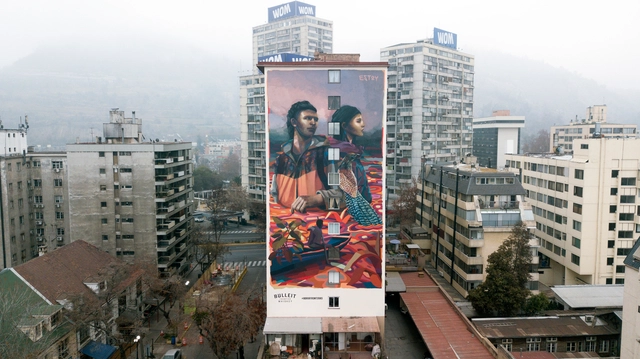
The city is in constant flux: monuments disappear, landmarks are forgotten, and new symbols emerge, prompting streets, plazas, and walls to redefine the urban landscape. In doing so, they offer new reference points, narratives, and ways of understanding the city, our history, and our society.

Thinking, discussing, and reconfiguring the city through art involves a series of processes. Researching territories, their inhabitants, sociocultural environments, and relational dynamics are essential pillars when designing and implementing installations that impact the city. The proliferation of large-scale artistic interventions that prioritize the purely aesthetic forces us to reflect on what we encounter in public spaces and how these encounters affect our daily lives.

Ecosophy: A New Path to Architectural Sustainability

Subscriber Access | 

Preserving the planet in its current state or even restoring damaged ecosystems has become a collective imperative across all sectors, and architecture is no exception. In her article “Towards Sustainability from Architecture and Ecosophy: Links Between Mental Ecology, Emotional Neuroscience, and Space,” published in the journal LIMAQ No. 7, Isabel Loredo—architect, co-founder of Signare Estudio, and holder of a master's degree in neuroscience and education—explores the various ways in which ecosophy can be applied to the architectural field.