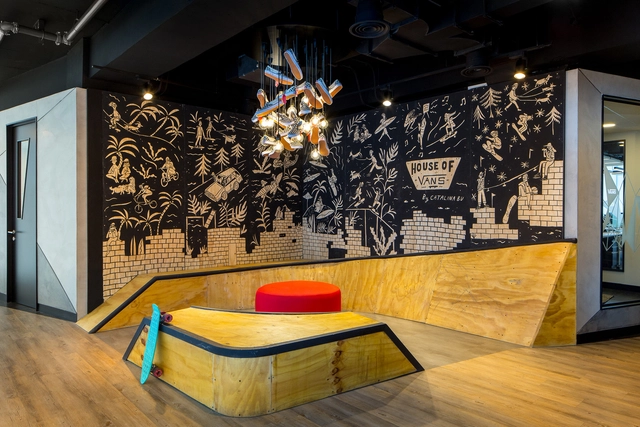
Today, companies seek to connect different generations and leverage their unique contributions to the workplace. They aim to maximize innovation through the synergy generated by combining the drive of younger generations with the experience of older workers. Given the specific characteristics of each age group—including differing values, experiences, styles, activities, and expectations—both the workspace and the way we work are being rapidly redefined.
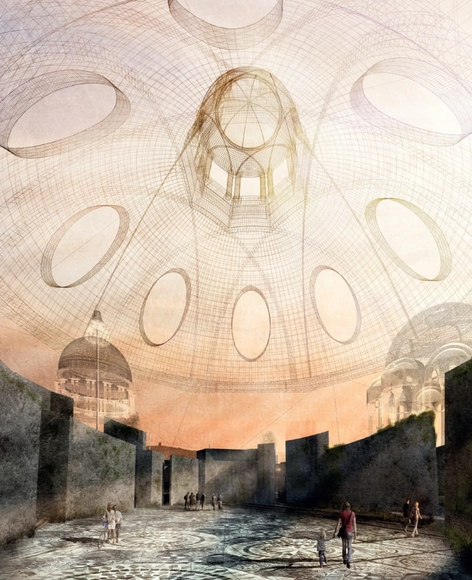
Adriana Agüelos. Laberinto. Cúpula. Image Cortesía de Manuel Ocaña
Exorcity presents itself as the treatise on millennial architecture. It features 35 radical and subversive projects by daring students, all set within the urban context of Madrid. These are 35 projects in which the city is understood as a testing ground and a playground for thought. Elegance, violence, reason, seduction, chance, desire, emotion, power, dreams, and love come together here to challenge, alter, and stimulate the reader both visually and intellectually. It offers a fascinating, fresh vision from the young architects who will design the future of Madrid and Spain.
As such, Exorcity represents an effort to give visibility to the necessary transformation that architecture has been undergoing in academia in recent years. This transformation is driven by a new generation of architects—defined as digital natives—who are responding and providing disruptive, intelligent solutions to the complex, difficult challenges of the urban context.
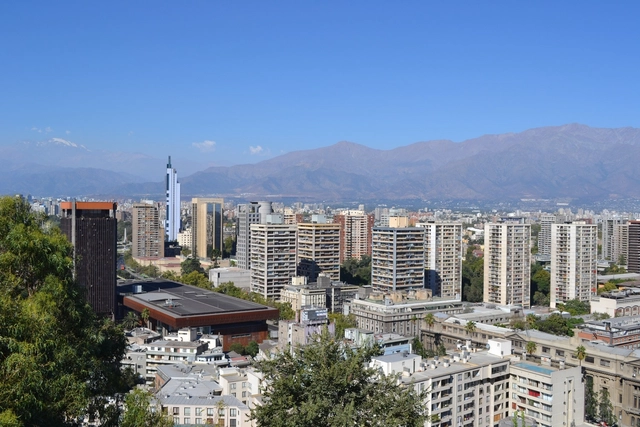
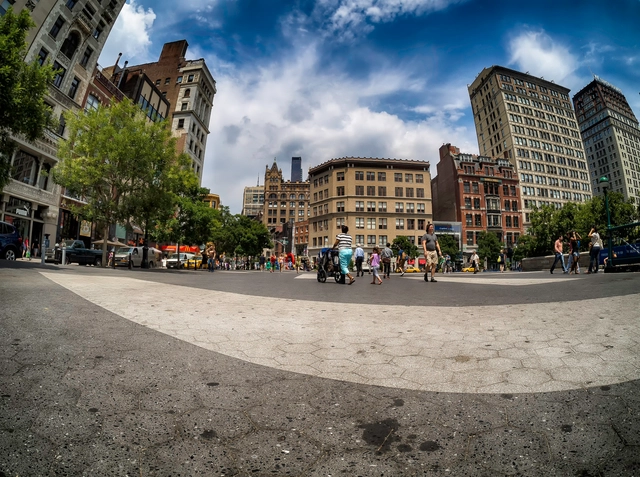
Urban form can be understood as the physical “face” of a city. The organization of public and built spaces is what determines a city's urban form. Consequently, a city can be sprawling – characterized by low population densities, a reliance on private transport, and long commutes –, or compact, featuring balanced densities and multiple centralities. Achieving this latter model requires robust land-use management closely integrated with public transit planning.
São Paulo, a megacity of over 12 million people, hides many mysteries beneath the feet of those passing through its streets, despite the frantic hustle and bustle of daily commuters.
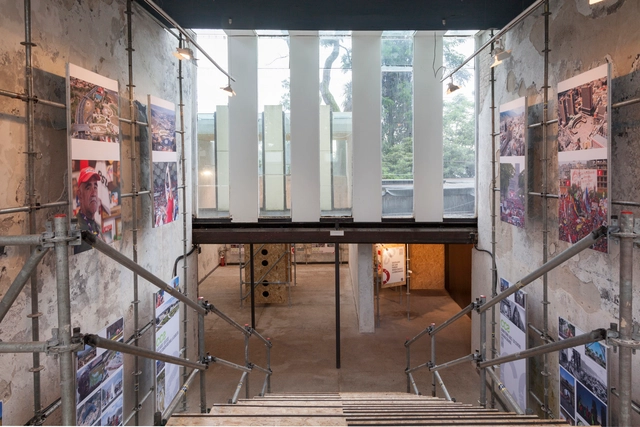
Unlike our guide to lookout points for experiencing São Paulo from above, we now present a selection of underground sites that are largely unknown to the general public, each preserving a piece of the city's history. Theaters, an aquarium, an unfinished subway station, and artistic and cultural institutions are among these semi-secret spaces. Explore our selection below:
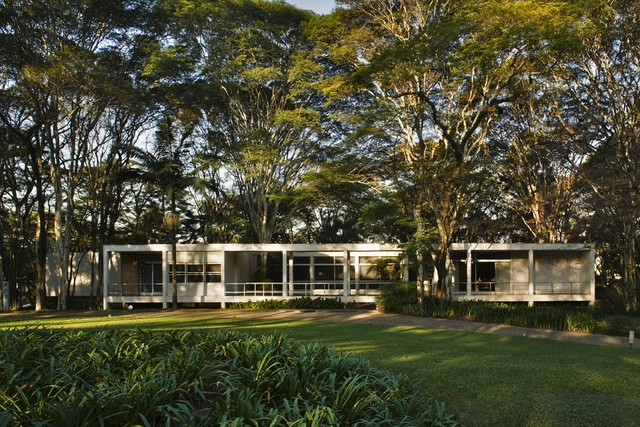
Today, August 24, architect Oswaldo Arthur Bratke would have celebrated his 111th birthday. As one of the leading figures of São Paulo's modernist architecture, he stands out alongside prominent names such as Affonso Eduardo Reidy and the Roberto brothers, among many others. He entered the School of Engineering at Mackenzie University in 1926, graduating in 1931 as an engineer-architect. Two years after graduating, he established a solid partnership with architect Carlos Botti, with whom he designed a series of collaborative projects, most notably the Grande Hotel in Campos do Jordão.
The future of a city is intimately linked to its open and public spaces, which serve a distinct social function. Open spaces in Caracas are rebel spaces hosting emerging and insurgent uses: reoccupied, reclaimed, and reinhabited for the enjoyment of local communities.
In CCS - Espacio Rebelde, the city is not a matter for expert urban planners, designers, or architects, nor is it a matter for the elites: it is a process of inclusive consensus, collective construction, and community agreements.
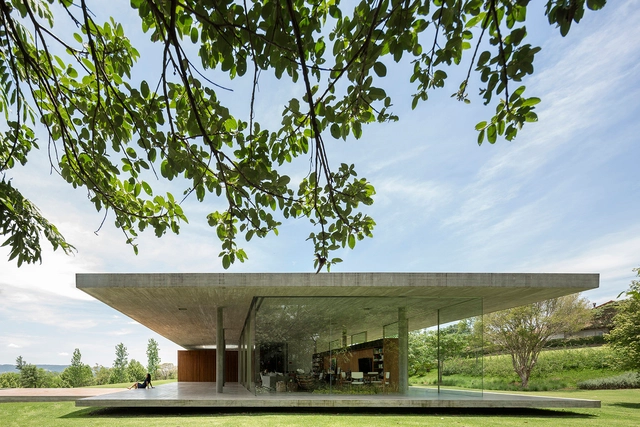
The formal exploration of architecture offers several avenues for experimentation within design practice. Designing diverse forms, site layouts, and compositions is a strategy that gains significant depth when paired with material investigation. Glass, as a material, allows architects to engage with some of the core elements of architectural theory: natural light, the transparency and opacity of surfaces, the suspension of spatial boundaries, and the visual relationships established between different parts of a building.
When freed from its conventional role as a window, glass can be used strategically to address complex project conditions, enrich spatial quality, or serve as a balancing element between weight and lightness when combined with other materials such as steel, wood, and concrete.
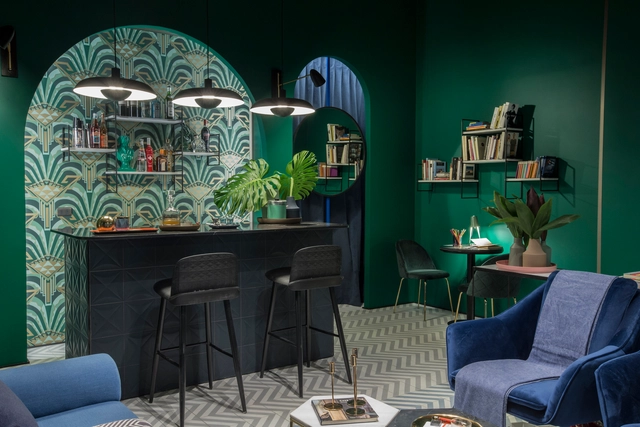
Bar en la biblioteca. Image Cortesía de Hugo Grisanti y Kana Kusen
In its third edition in Chile, Casa FOA invites architects and designers from the world of decoration and interior design to create innovative spaces for the home. On this occasion, we have compiled spaces with a common focus: the kitchen and the bar. Although both spaces are conceived for functional, everyday use, in these examples they combine different functions to bring people together.
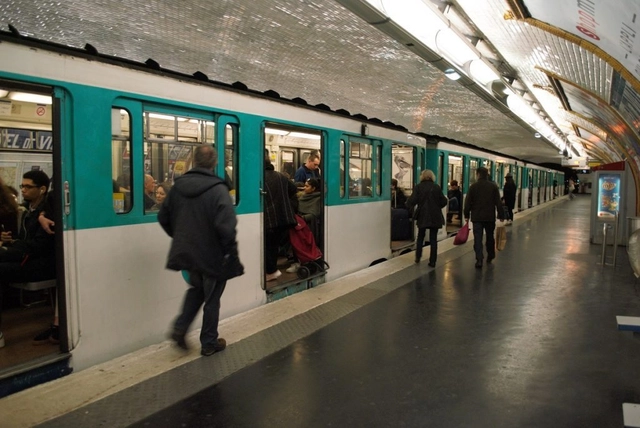
Paris is known for its efficient public transit network, which connects different modes—such as trains, subways, buses, and even bike-sharing programs—to facilitate urban mobility. Most of the population relies on public transit as their primary mode of transportation: nearly 60% of all trips in the city are made by train, subway, and bus. Yet, despite this diverse range of transit options, private vehicle use remains a persistent challenge, dominating the streets of the French capital.
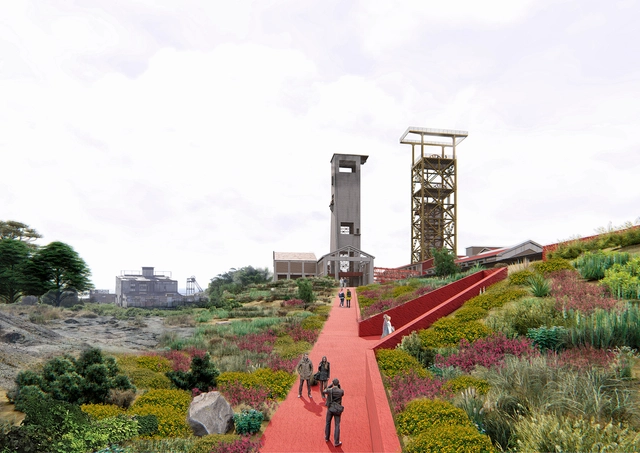
Designed by Nicolás Moraga, the project Chambeque Ruins Cultural Park was selected as one of the 10 winners in the Thesis Projects category of the 2018 Arquitectura Caliente Competition (CAC 2018), a Chilean contest organized by Grupo Arquitectura Caliente and funded by the Ministry of Cultures, Arts, and Heritage.
A ruin does not only signal the end of a cycle; it is also the first stage of a long process of change. Based on this premise, the project proposes the progressive recovery of the Chambeque area through a series of architectural interventions that will shape a new public, cultural, and educational park for the city of Lota and the region.
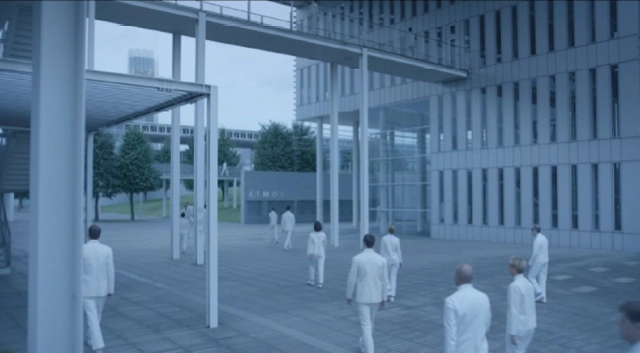
Equals(2015) is a futuristic film that depicts the utopian reality of a highly organized, productive society, free of feelings and governed by collectivity and impersonality. The population lives and works in monumental buildings, wears monochromatic unisex clothing, and is surrounded by technology and ethereal landscapes. Everything functions perfectly until the outbreak of a virus that awakens emotions in infected individuals, disrupting the stability of the community's organizational system.
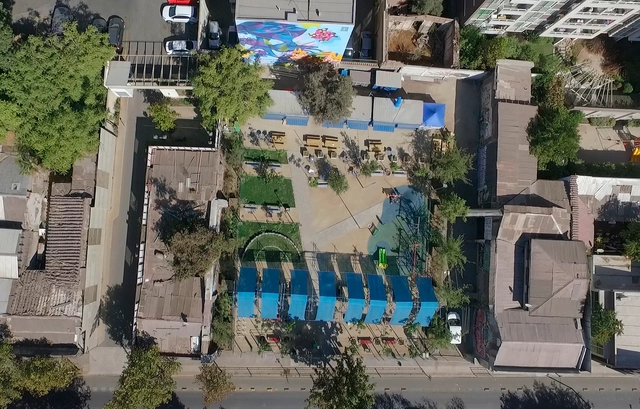
Ágora 21 aims to create public urban spaces that are adaptable to people's needs and designed to host recreational and commercial activities. Through partnerships with institutions and engagement with the local community, these scalable projects utilize a flexible, modular construction solution to transform sites quickly and with a light footprint, driven by a continuous process of designing, developing, and managing new spaces for the city.
This is the introduction to Ágora 21, which, under the direction of Sebastián Salas, addresses how to systematically activate vacant urban spaces. One of its first interventions was Plaza de Bolsillo Santa Isabel 384, located at the intersection of Santa Isabel and Lira. This public-private initiative revitalized a site that had been abandoned for years, creating green spaces, dining options, playgrounds, workshops, and an ongoing cultural program.
Learn more about the project below, in the words of its organizers.
In late November, we published the winners of the second call for thesis projects in Colombia, which received 70 submissions from 14 cities and 29 universities. Ultimately, nine projects passed the three stages of evaluation, standing out for addressing critical contemporary issues, conducting deep research and analysis, and proposing challenges in both urban and rural contexts, just as in 2016.
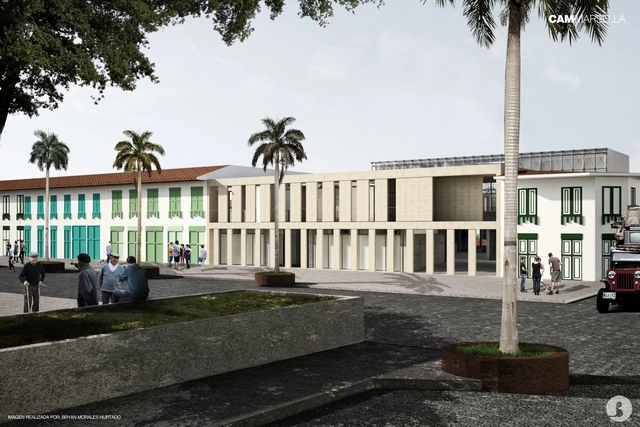
Here, we take an in-depth look at CAM Marsella: Municipal Administrative Center of Marsella, a project selected in the 2016 Colombian Biennial of Architecture Students, developed by Manuel Murgueitio and Edward Zapata, both graduates of the Universidad Católica de Pereira in Colombia.
Licensed Under CC0 Public Domain. Image via Pxhere
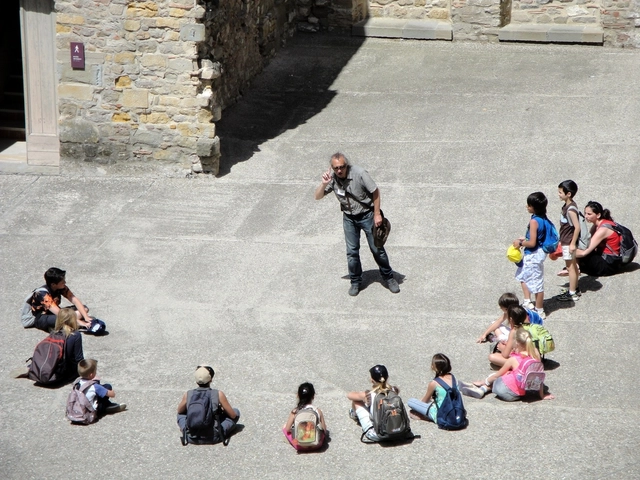
From the Fundación Arquia Blog, architect Virginia Navarro brings us an article reflecting on the reasons for and importance of bringing architecture closer to children.
Recent years have seen a notable increase in the number of architects who, occasionally or continuously, have dedicated part of their practice to conducting architecture workshops for children. Their objectives have been both educational (developing critical thinking about the built environment, understanding cultural and urban heritage, and fostering spatial intelligence and creativity...) and informative: gathering data on children's needs within larger, typically social or participatory, projects.
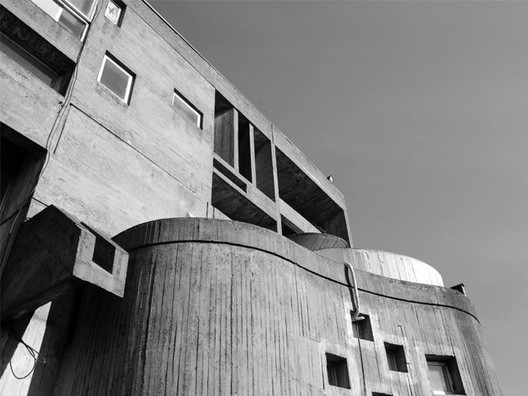
Architects Rafael Pina and Fabián B. Di Giammarino, writing for the ARKRIT Collective, offer an objective critique of a classic of Chilean architecture, the Copelec Building. As the authors of this article assert, beyond the many descriptive accounts surrounding the building, it has earned an unquestionable status precisely because it remains unquestioned.
https://www.archdaily.com/1114607/the-architecture-of-copelec-landmark-and-mythRafael Pina & Fabián B. Di Giammarino
"Hidden within the co-residence and overcrowding of our Chilean cities lies the solution to the chronic housing deficit: people want the city, not just housing." So begins a statement released on May 24 by academics from the Universidad de Chile and the Universidad Católica, which to date has been endorsed by more than 50 prominent figures, including members of parliament, mayors, foundations, professional associations, universities, research centers, and former public authorities in the field.
Supported by the authors' own research and state metrics such as the CASEN survey and the national census, the signatories argue that in recent years, co-resident households have grown and the overall deficit has decreased, yet housing subsidies remain unused by citizens "because people prefer to forgo subsidies that would ultimately displace them to other municipalities."
The coordinators of the statement—Juan Pablo Urrutia, Cristián Robertson, Francisco Walker, and Javiera Martínez—propose "consolidating an agenda that prioritizes addressing this social phenomenon through integrated policies of medium-density development, urban regeneration, and social integration" through a cross-sector working group to help draft concrete proposals. The document has already been delivered to the Minister of Housing and Urbanism, Cristián Monckeberg.
Below, we present the full original text, titled "Co-resident households grow, overall deficit decreases, and subsidies go unused":



.jpg?1515252054)





.jpg?1521809098&format=webp&width=640&height=580)