With traditional access to information restricted due to social distancing measures implemented worldwide in response to the COVID-19 pandemic, and with many unable to access physical architecture media like magazines, books, and other print publications, Summa+ has decided to release nearly 100 digital issues of its magazine, making its content available for free to readers around the world.
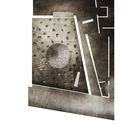
Supported by a Graham Foundation grant, the artist explores the possibility and synchronicity of materials and processes across architecture and visual art in a new series of sculptures and drawings inspired by Miguel Fisac's innovative architectural and construction techniques.
Experience it all through the short film by Spirit of Space.
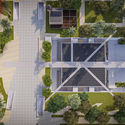
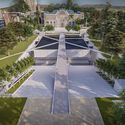
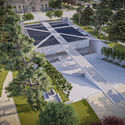
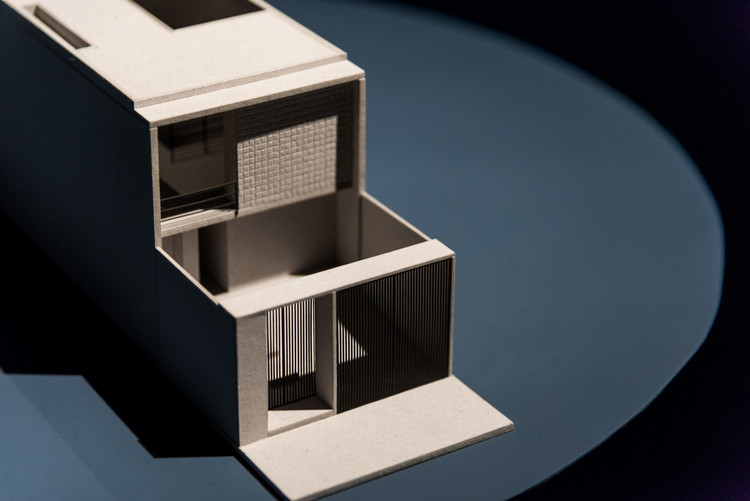
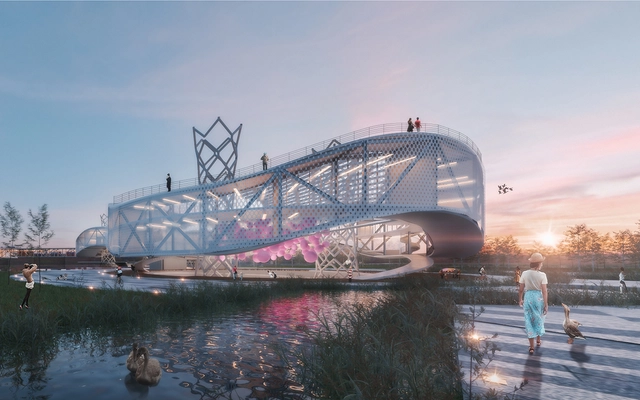
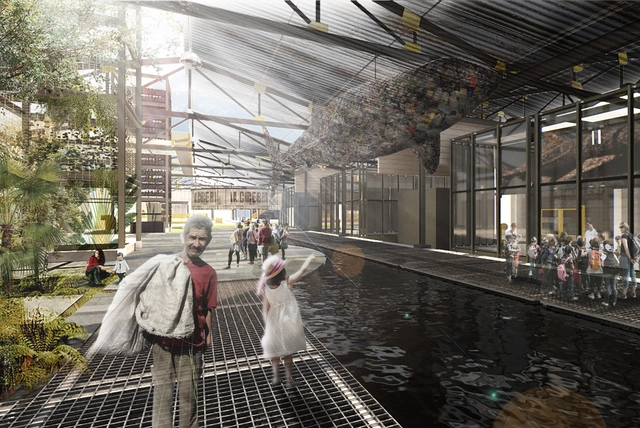
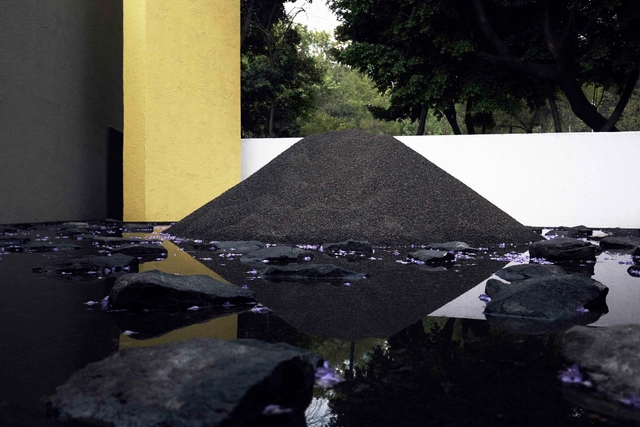
As part of the exhibition program of the Museo Experimental El Eco, the open call for the Eco Pavilion 2020 was launched, inviting professionals practicing architecture in Mexico to engage in a dialogue with the museum's space. This edition marks the 10th anniversary of the Eco Pavilion, a competition launched in partnership with Buró-Buró to provide a platform for architectural production focusing on experimentation and spatial reflection.
https://www.archdaily.com/1123784/this-is-the-winning-proposal-for-the-eco-pavilion-2020-competitionArchDaily Team
During a live-streamed event on an exclusive microsite created for the XXII Pan-American Architecture Biennial of Quito, organizers presented the schedule for this year's online BAQ 2020, along with the participating jurors and speakers.
https://www.archdaily.com/1123824/full-schedule-speakers-and-jurors-of-the-pan-american-architecture-biennial-of-quito-2020ArchDaily Team
The winners of the design competition for the Madrid Metropolitan Forest have been announced. Coordinated by the Vice-Mayor's Office and promoted by the Urban Development Department, the initiative invited architects to develop natural infrastructure to drive green growth and sustainable development in the city. Located in Madrid, Spain, the Forest will span 75 kilometers, contributing to the area's ecological rebalancing, carbon emission reductions, the fight against climate change, and the environmental and landscape restoration of degraded areas.
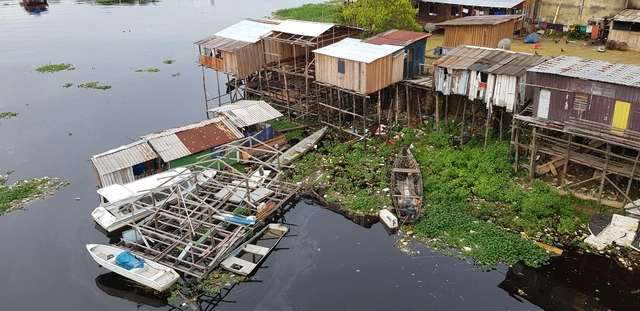
Wooden stilt houses in the Educandos district of Manaus. Photo by guentermanaus, via Shutterstock
The global pandemic caused by the coronavirus has demanded emergency actions to save lives, which, in turn, require complementary measures to preserve jobs and income, especially for the most vulnerable segment of the population. The field of architecture and urbanism is no exception: the precarity facing a significant portion of professionals is worsening due to social isolation measures, which are absolutely essential to combat the pandemic. Left without financial reserves to guarantee basic survival, many architects are left with no alternatives. Emergency measures currently being discussed in Congress, such as a basic income, are urgent. While they rightly focus on low-income populations, the scale of the crisis demands additional actions.
“Alternative Utility Platforms” is a project that seeks to generate spaces for social innovation in the integrated management of urban waste. According to Giulia Bianchi and Luis Morillo, the authors of the proposal, the city of Barquisimeto, Venezuela, currently generates approximately 21,147 tons of solid waste per month. Only 61.79% of this waste ends up in landfills, meaning the remaining 33.25% winds up on streets, in informal dumps, rivers, and streams, improperly disposed of. Out of this total, ultimately only 4.97% is processed by recycling companies, and the majority of that volume is sorted and supplied by street waste collectors. For this reason, and through their thesis project developed at the Central University of Venezuela, the authors propose to generate new employment models for the collection and treatment of municipal solid waste through an urban and architectural intervention.
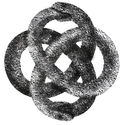
The Eco Pavilion 2020 is the tenth edition of this competition, which, since 2010, has served as a space for reflection on architecture through temporary installations in the courtyard of the Museo Experimental el Eco. This year's edition was structured around Mathias Goeritz's idea of "the serpent," based on a concept proposed by architect Javier Senosiain.
Inteligência lógica. Image Cortesia de Equipe de projeto
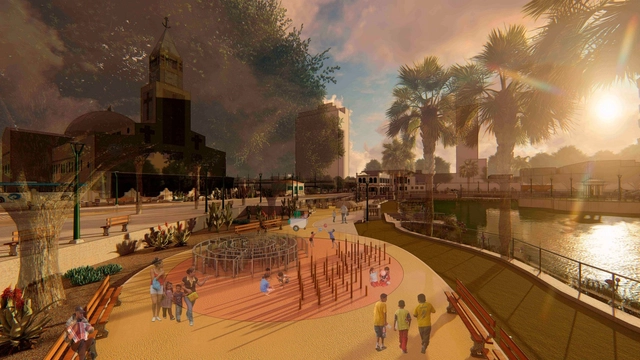
Winner of the 2018 National Ideas Competition promoted by the City of Fortaleza, the project presents the requalification of public spaces dating from the early 20th century. The goal is to make them inviting and establish a contemporary urban heritage park in the city center, with a special emphasis on the social dimension, the memory of Liberdade Park as the "Children's City" (Cidade das Crianças), and its connection with Sagrado Coração de Jesus Square.
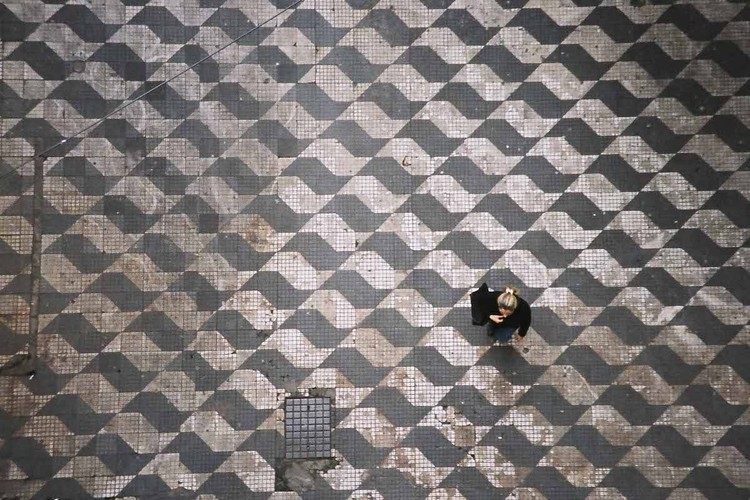
São Paulo sidewalk. Image courtesy of Caos Planejado
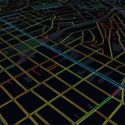
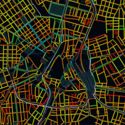
The quality of streets and sidewalks is a widely debated topic in Brazil, and the coronavirus pandemic has added another layer of complexity—public health—prompting us to question whether it is actually possible for pedestrians to practice social distancing. This concern led architecture student Conrado Freire to develop a map of sidewalk widths in São Paulo.
Adapted from Meli Harvey's Sidewalk Widths NYC project on New York City sidewalks, Largura do Passeio uses sidewalk data provided by the GeoSampa portal to visually synthesize information about São Paulo's pedestrian pathways that is not typically accessible to the general public. Based on the open-source code released by Harvey—which has also been adapted for cities like Toronto, Washington, Berlin, and Milan—Freire creates a visual mapping of what is often only felt by pedestrians moving through São Paulo's urban space.
The sixth edition of the Madrid International Festival of Architecture and the City will take place from September 25 to 27, featuring a special edition organized to comply with necessary safety measures and ensure the well-being of all participants. The event will allow citizens to explore more than 80 spaces normally closed to the public free of charge, as well as participate in fifteen outdoor guided tours in small groups, with mandatory pre-registration. The festival will also feature other cross-disciplinary and complementary activities.
Electric scooters represent a significant opportunity to reduce transportation-related carbon emissions by bridging the "first and last mile" connections that people often make by car to access public transit systems during urban trips.
In mid-August, images of a new urban-architectural proposal for downtown Santiago began circulating in the media and on social networks: the preliminary design led by architect Gonzalo Mardones for the MAC Contemporary Art Museum in Parque Forestal.
Despite the potential benefits it aims to deliver, does it capitalize on the opportunity presented by intervening in this area? Does it meet citizens' expectations? Does it foster discussion about its management? Are there other viable alternatives?
As part of the cultural program of LIGA, Space for Architecture in Mexico City, the Brazilian quartet Terra e Tuma—comprising Danilo Terra, Fernanda Sakano, Pedro Tuma, and Juliana Terra—presents a project that reflects their architectural practice: a process of copying and repetition. As announced on LIGA's official website, the opening scheduled for Wednesday, March 18, was canceled due to recent developments surrounding COVID-19 in Mexico City. Nevertheless, digital publications like this one aim to share the project to foster dialogue and reflection on the world of architecture.
Since 2008, the National Chamber of the Iron and Steel Industry CANACERO has joined forces with the Latin American Steel Association ALACERO through initiatives such as the ALACERO Steel Design Competition for Architecture Students and the CANACERO National Steel Award for Architecture Students, aiming to encourage the use of steel in construction among architecture students in Latin America.
Our jury of experts—meaning you, our readers—have nominated their favorite projects from among nearly 1,000 built works in Latin America and Spain: today, the day has come to meet the finalists of ODA2020!
The 13th São Paulo International Architecture Biennial has established reconstruction as the core theme of its 2022 edition. As a preparatory activity for the co-curatorship competition, the IABsp organized three debates to discuss the very essence of art and architecture exhibitions, while also calling on us to reflect on the role of architects, urban planners, and many other professionals in building fairer and more democratic cities.
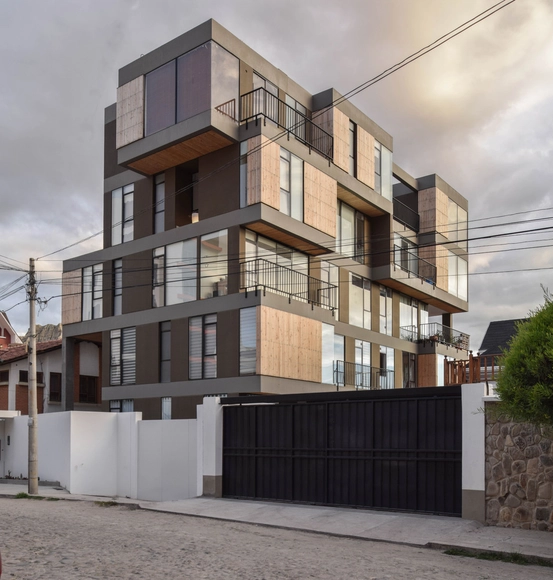
Edificio Isabel - arquitecto Christian Dávila. Image Cortesía de Bienal Internacional de Arquitectura de Santa Cruz
From July 20 to 27, the first virtual edition of the 7th Santa Cruz International Biennial of Architecture (BASC) took place. Organized by the Santa Cruz Association of Architects, the event was an effort to reflect on the “Return to Origins”; that is, bringing to the table the importance of an introspective review of the essence of space and cities from a global perspective, yet connected to local knowledge.
On the final day of the event, the first-place winners and honorable mentions for each of the five BASC 2020 categories were announced. Discover all the winners below.










._Foto_de_Ximo_Michavila_(1).jpg?1600273511&format=webp&width=640&height=580)

.jpg?1602156477)