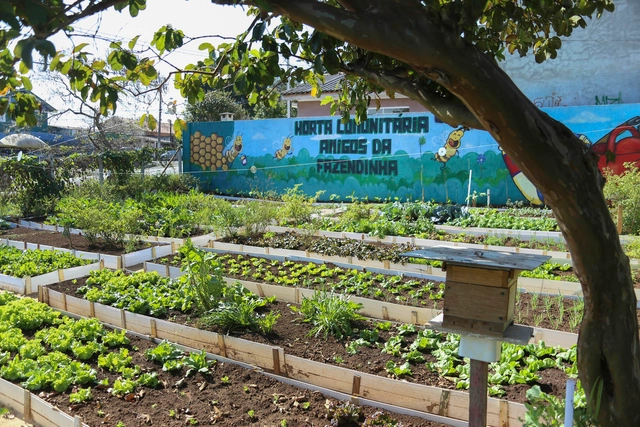
Urban agriculture is increasingly seen by organizations and communities as a sustainable alternative that, besides putting vacant land to use, promotes social engagement and reduces the distance from seed to plate, as food is produced within the city itself—often in the very neighborhood or block where the consumer lives. In Brazil, Curitiba offers an interesting example, where a vacant 300-square-meter plot, which served as a trash dump for four decades, was converted into an urban garden in just over ten months.






.jpg?1571338642&format=webp&width=640&height=580)